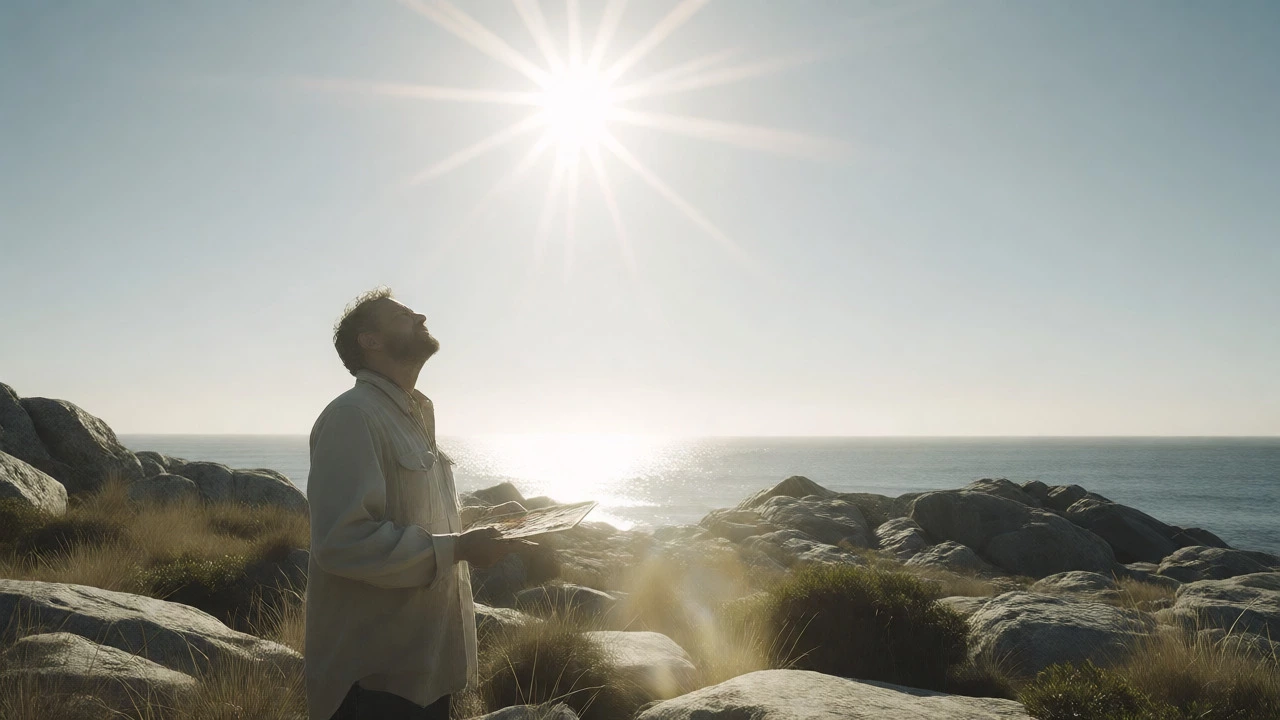
When Not to Paint Outside: Weather and Light Pitfalls for Plein Air Artists
Discover when to skip outdoor painting sessions. Learn how wind, rain, extreme temperatures, and harsh sunlight can ruin your landscape art.
Welcome to the Painting hub! Whether you’re just opening a fresh set of brushes or you’ve been at it for years, this page gives you clear, bite‑size advice you can use right now. We’ve pulled together the most useful ideas from our articles, so you can find the right tip without scrolling forever.
First off, pick a medium that feels right. Oil, watercolor, acrylic, or mixed media each have their own rhythm. Don’t worry about choosing the “perfect” one – try a few and see which one lets you work fastest.
Getting the right tools saves time and frustration. For oil painting, a small bottle of linseed oil and a set of quality brushes (hog or synthetic) are enough to start. Our guide on "Is Linseed Oil Necessary for Oil Painting?" breaks down why you might want it and when you can skip it.
If watercolors are your thing, grab a paper that’s at least 140 lb weight, a couple of good brushes, and a limited palette of a few colors. The "Watercolor Painting for Beginners: What to Buy First" article lists the exact brands that give the best results without breaking the bank.
Portrait painters often ask about base colors. Using a warm undertone as a base can make skin look more alive. Check out "Understanding the Base Color Techniques in Portrait Painting" for a quick rundown.
Landscape artists benefit from a simple composition sketch before adding color. Our piece "Mastering Landscape Paintings: What to Paint First" shows you how to decide which elements go first, keeping the scene balanced.
Want softer transitions in oil? Try the "blur edges" trick from "How to Blur Oil Painting Edges: Easy Techniques for Soft Transitions" – gently feather the paint with a clean, slightly damp brush before it dries.
Struggling with abstract ideas? The "How to Begin Abstract Painting" article walks you through picking a color scheme, setting a mood, and avoiding common newbie mistakes.
Portrait artists often wonder about color choices. "Best Colors for Captivating Portraits" explains how cool blues can pull focus to the eyes, while warm reds add depth to cheekbones.
For a little art history inspiration, see how Van Gogh used watercolor in "Did Van Gogh Use Watercolors?" and try replicating his brushwork for a fresh twist on your own work.
Finally, remember to keep practicing. Even a 15‑minute daily sketch sharpens your eye and builds muscle memory. Combine these quick tips with the deeper guides linked above, and you’ll see steady improvement in no time.
Got a specific question? Dive into the articles listed below – each one is written for real artists, not just theory. Happy painting!
Discover when to skip outdoor painting sessions. Learn how wind, rain, extreme temperatures, and harsh sunlight can ruin your landscape art.
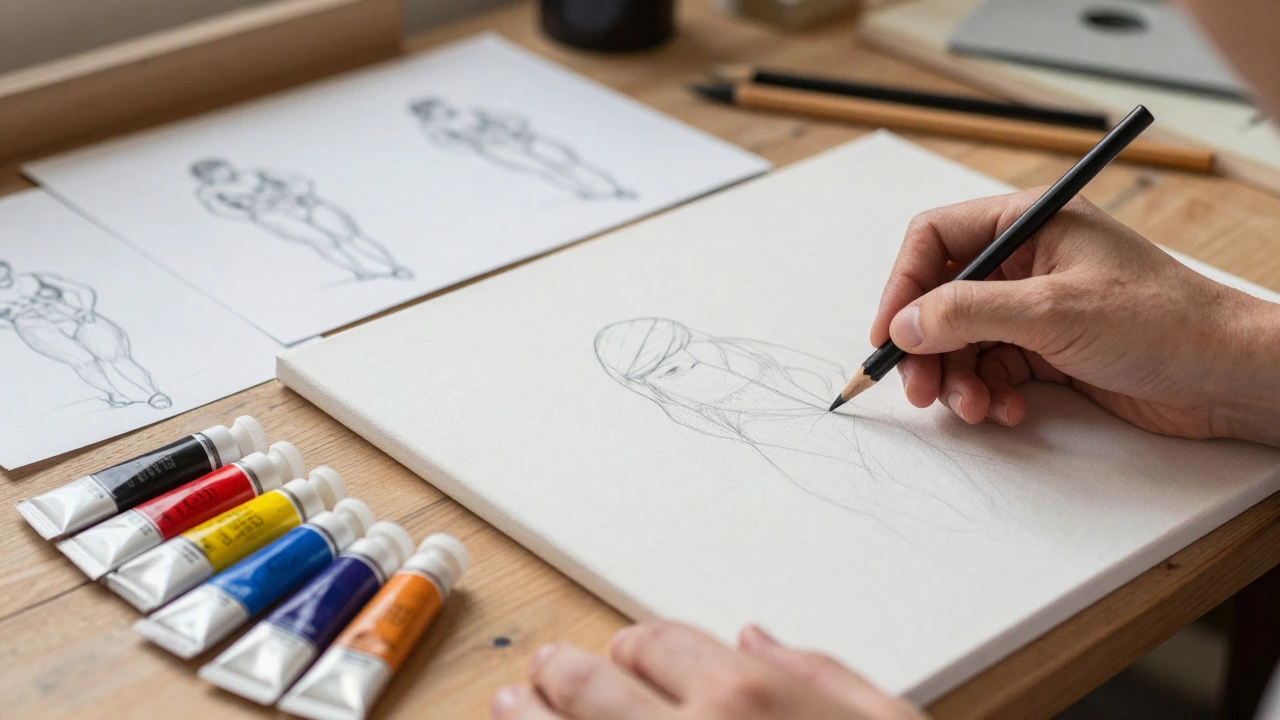
Master the 3 P's of painting: Plan, Paint, and Polish. Learn practical steps to improve your oil paintings with better composition, confident execution, and refined details.
Discover the optimal order for painting portraits: background first or last? Learn techniques for oils, acrylics, and gouache to enhance focus and depth.
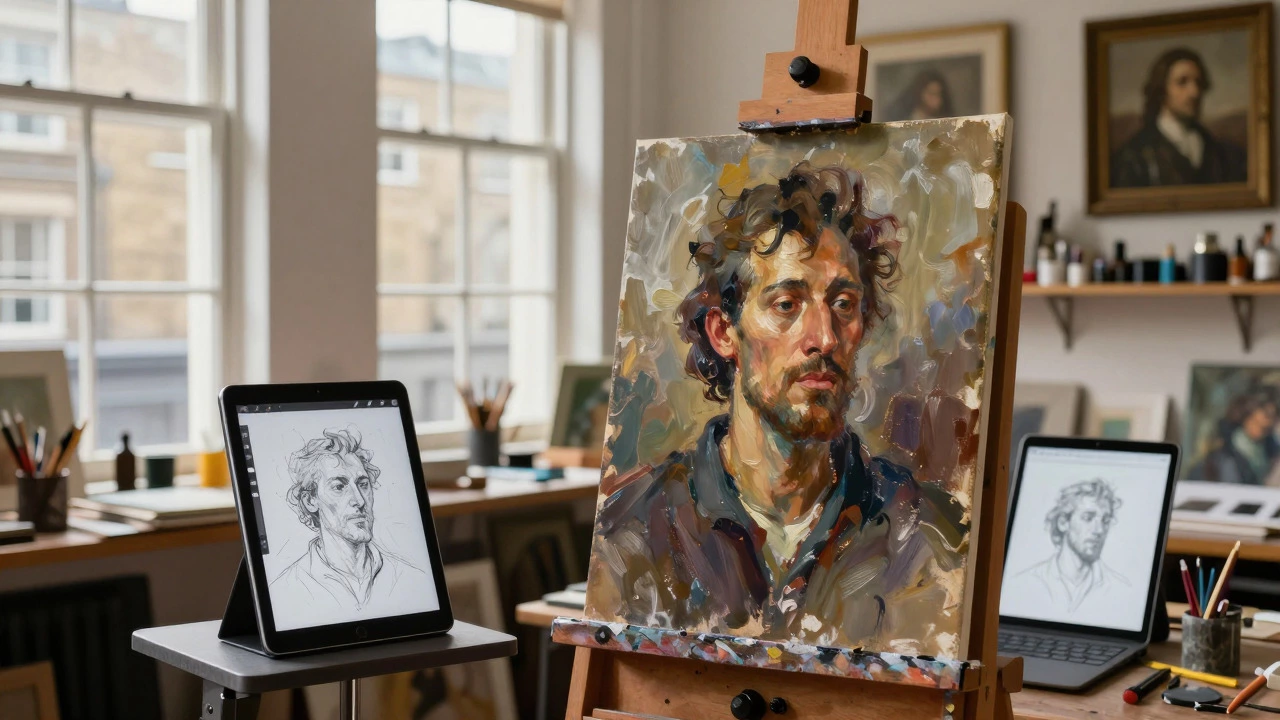
Discover if portrait painters still exist in 2026. Explore how artists adapt to digital age, pricing trends, and where to find talented creators for custom commissions.
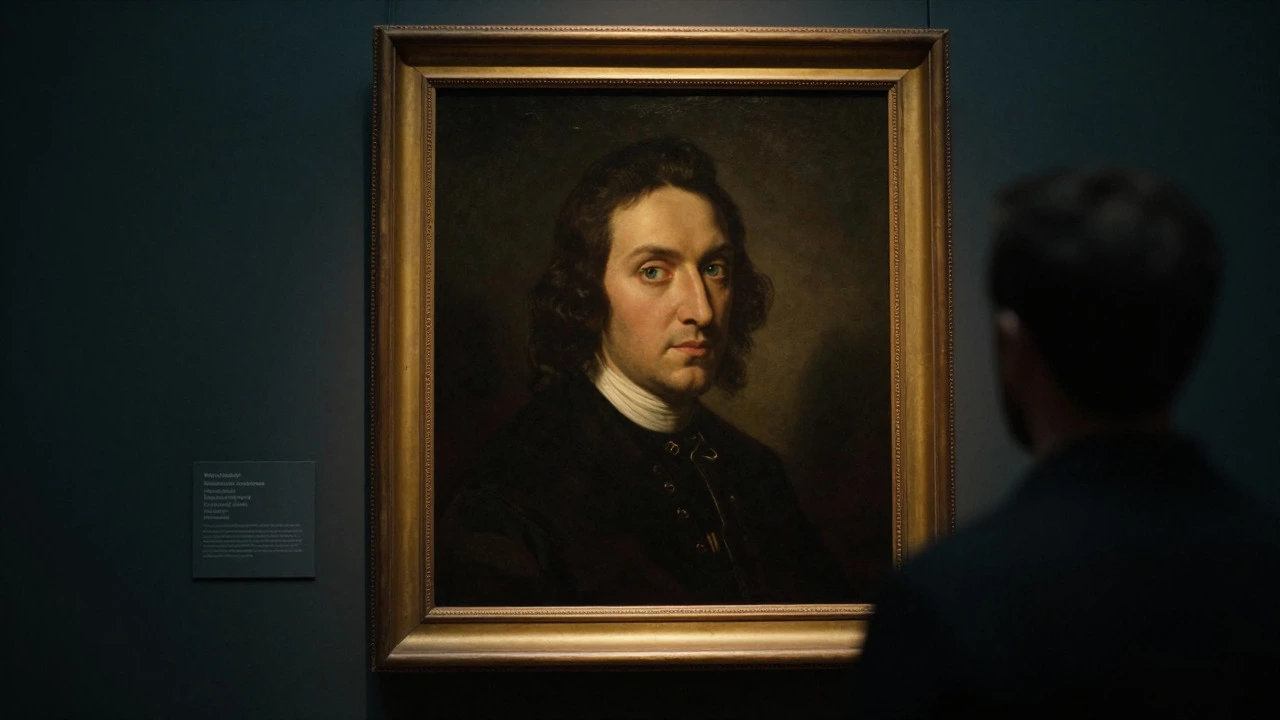
Learn how to describe a portrait painting by analyzing light, color, composition, and emotion. This guide helps you articulate the visual and psychological depth of portraiture.
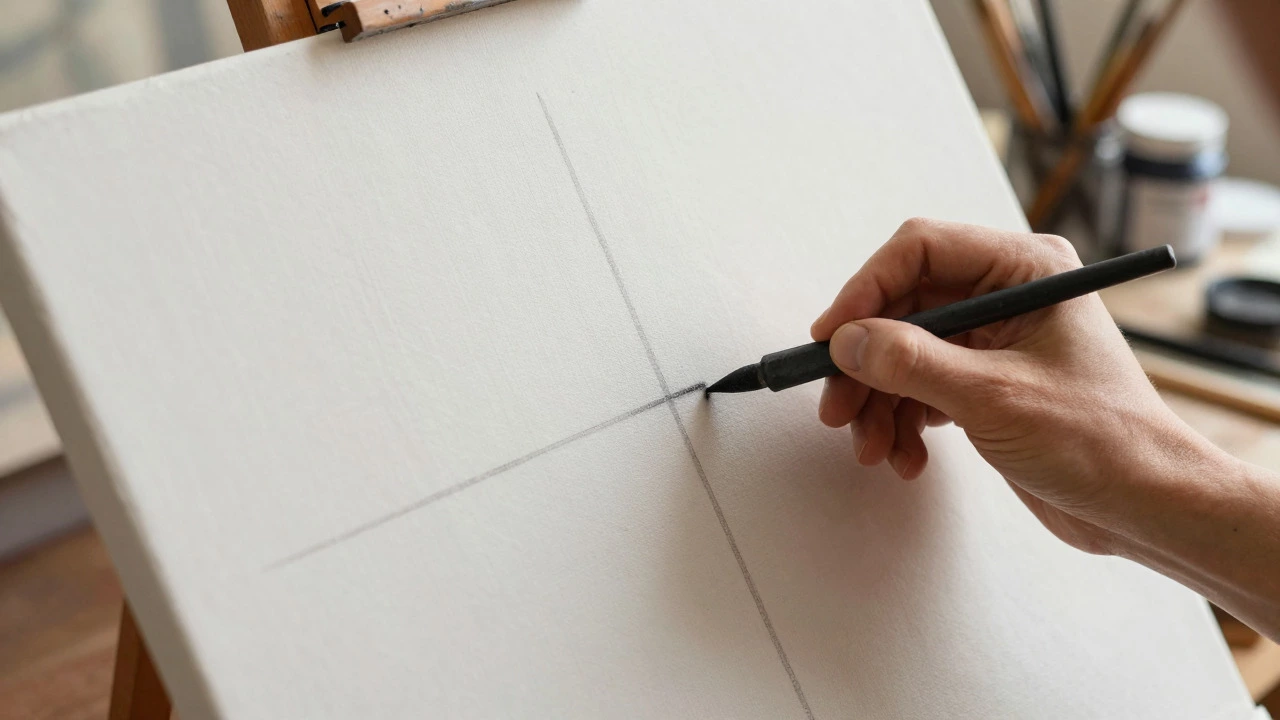
Learn how the rule of thirds improves oil painting composition. Discover practical tips for placing focal points, avoiding common mistakes, and creating dynamic, balanced artworks.
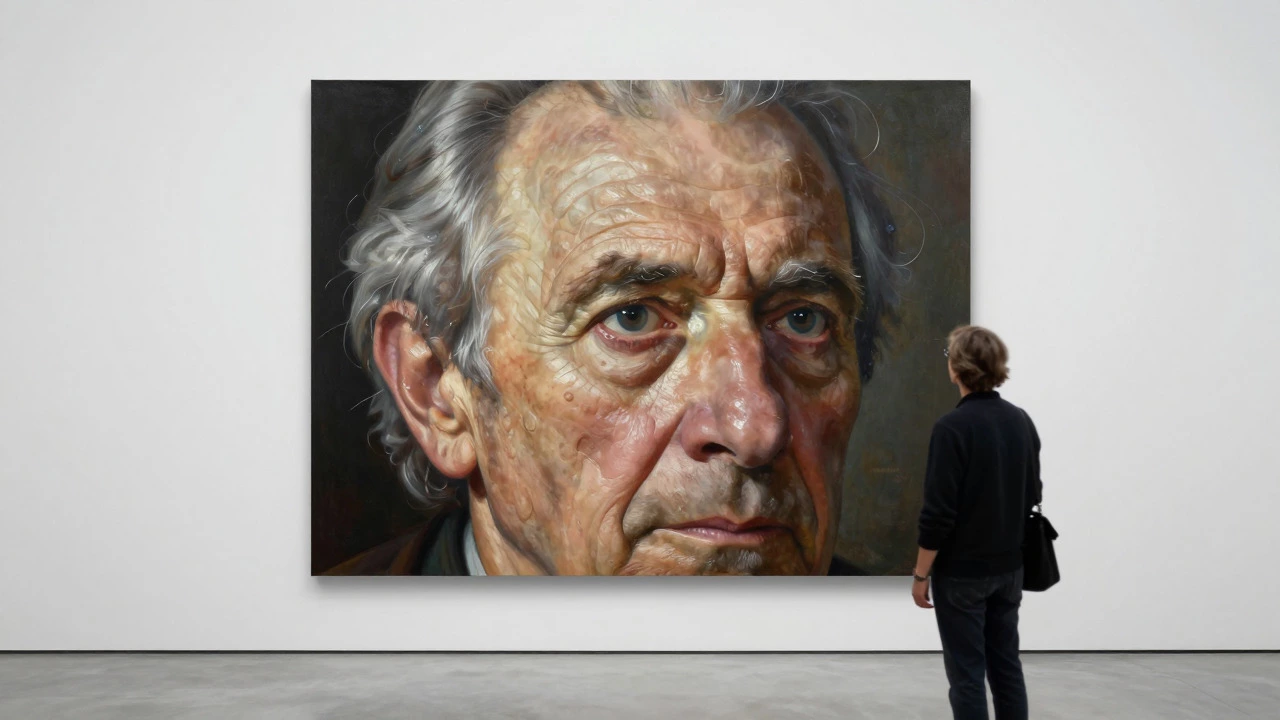
Discover the exact terms for realistic portraits: photorealism, hyperrealism, and verism. Learn the key differences, techniques, and history behind these lifelike art styles.
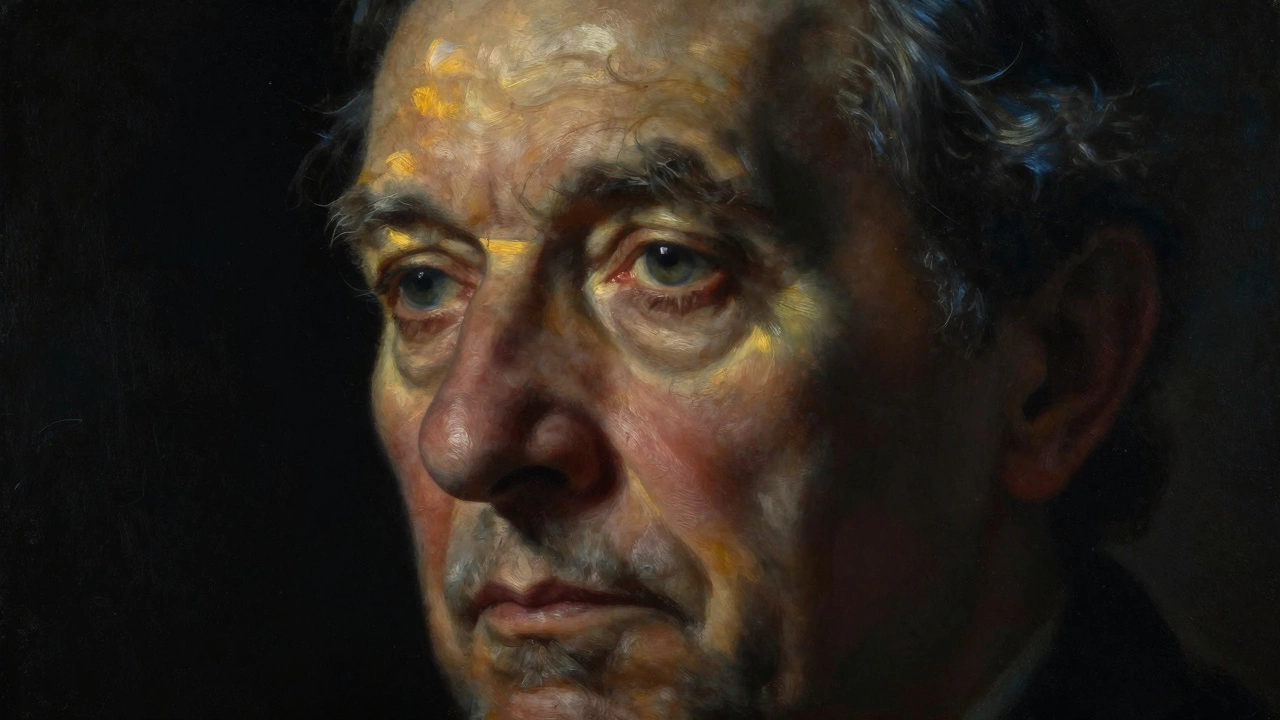
Discover the three essential elements that transform a simple drawing into a captivating portrait: mastering light, capturing authentic expression, and designing effective composition.
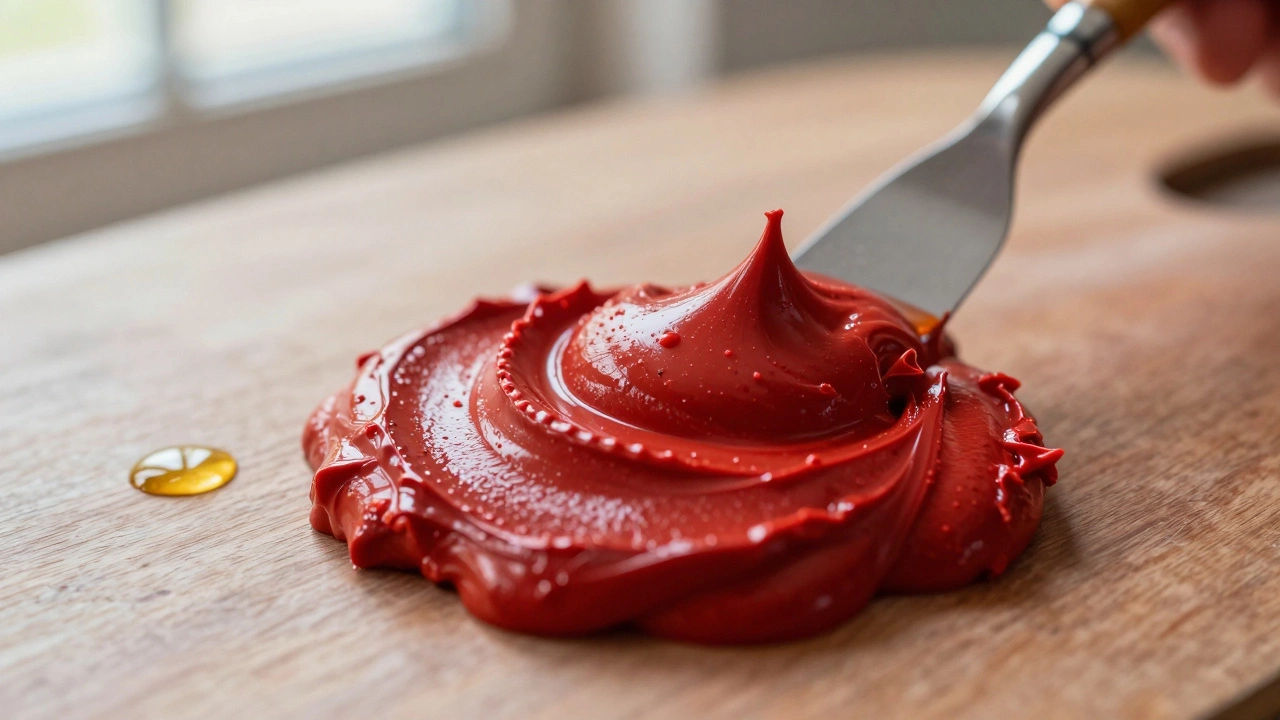
Discover how adding linseed oil transforms oil paint consistency, drying time, and color depth. Learn practical tips for using this essential medium safely and effectively.
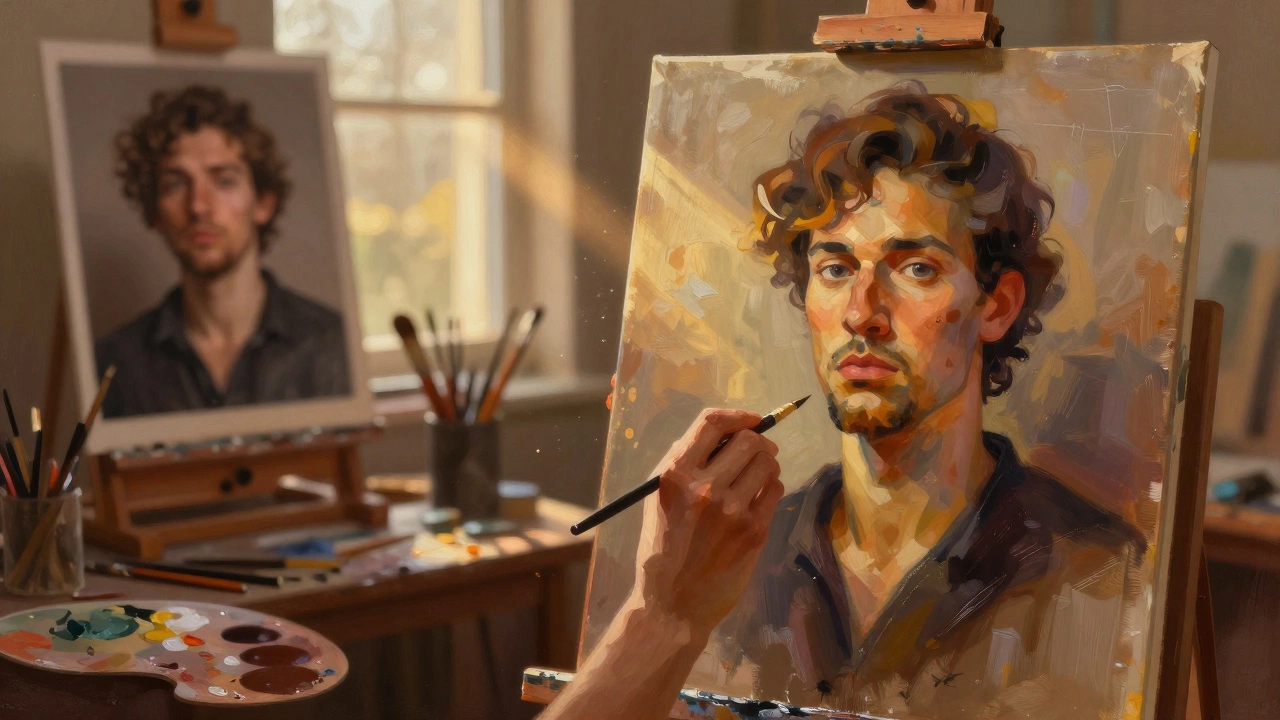
Discover the 5 essential elements that make a painted portrait truly great, from mastering facial anatomy and likeness to capturing deep emotional connections through light and composition.
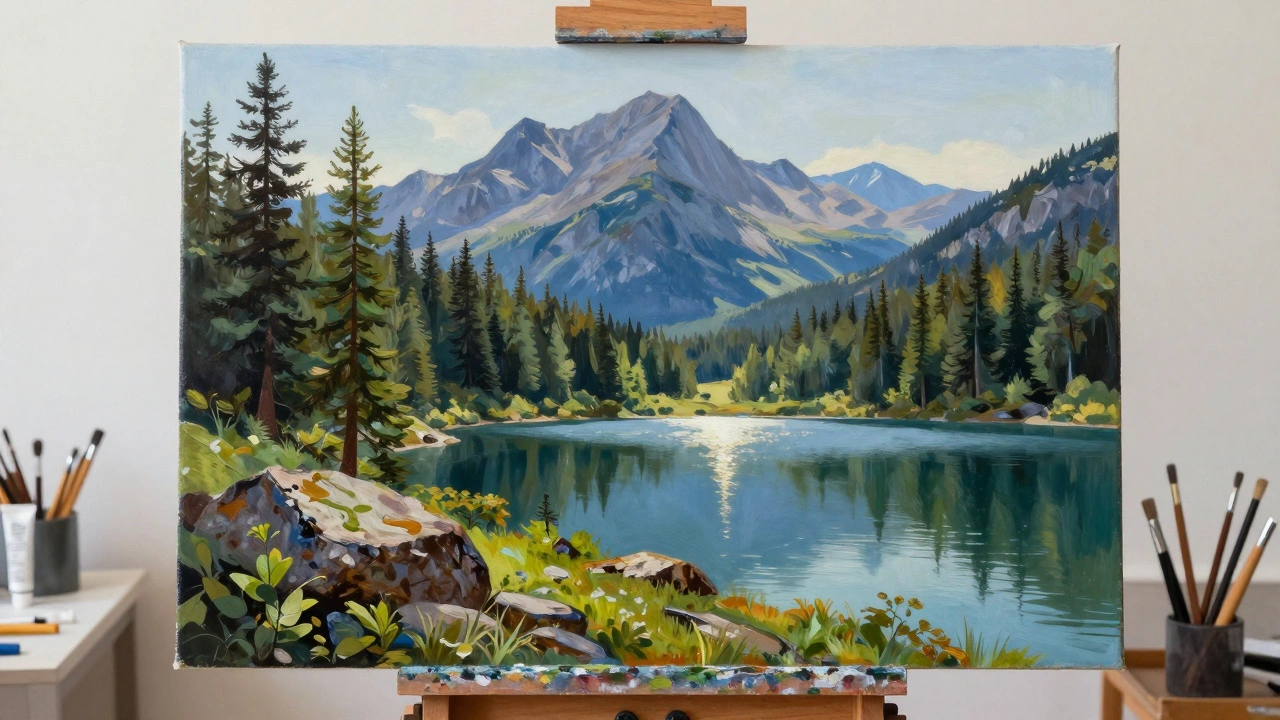
Learn how to create realistic landscape paintings by mastering atmospheric perspective, value studies, and edge control. This guide breaks down the essential techniques for depth, color mixing, and texture.
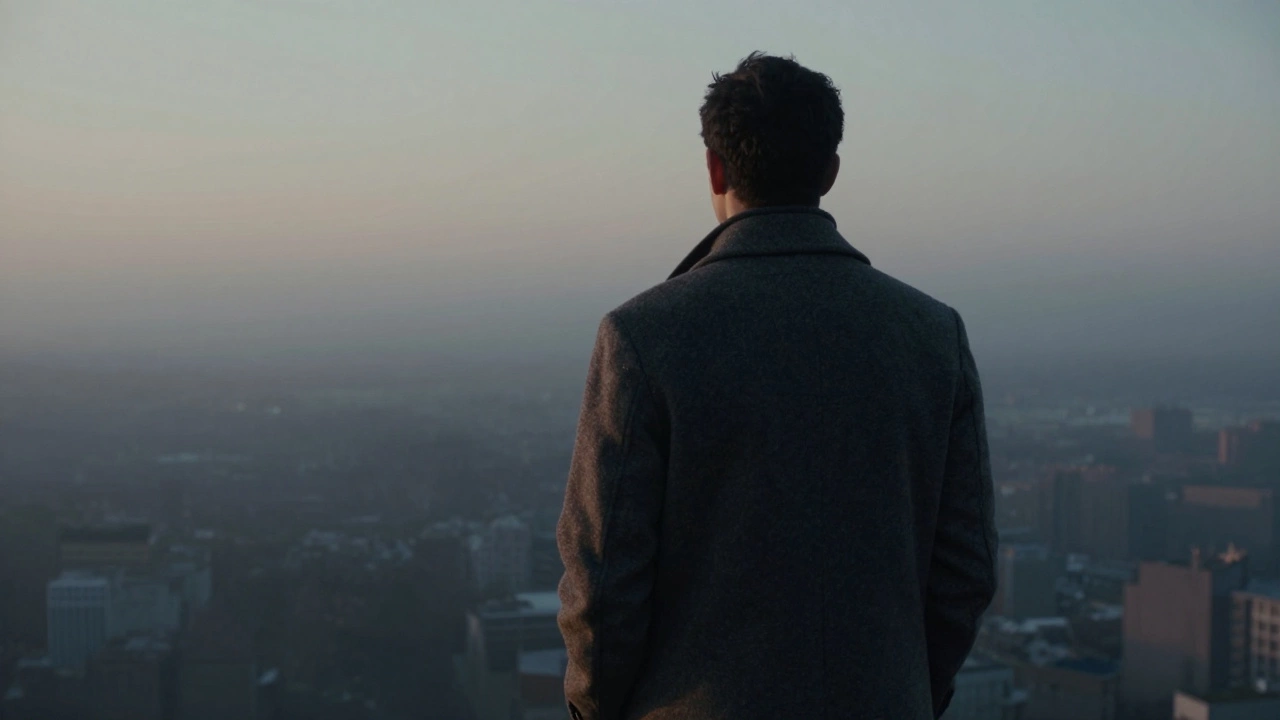
Explore whether a portrait requires a face. Discover how body language, clothing, and absence create powerful identities in art and photography.