Fat Over Lean Simulator
Select a bottom layer and a top layer to see if your painting will crack or cure successfully.
Simulation Result
Select layers above to simulate the outcome.
Why does this happen?
Bottom Layer:
Top Layer:
The rule states that upper layers must contain more oil (fat) than lower layers. This ensures the top layer remains flexible enough to move with the shrinking/drying layers beneath it without cracking.
You’ve spent weeks on a canvas. The colors are vibrant, the shadows deep, and you’re ready to sign your name. Then, three months later, you notice it: a network of tiny cracks spider-webbing across the dark background. Or worse, the paint is still tacky to the touch while the highlights have already hardened and shrunk away from the underlayers. What went wrong?
It wasn’t bad luck. It was chemistry. While there are many tips for mixing pigments or blending edges, there is one non-negotiable principle that separates professional, archival-quality work from amateur experiments that fall apart. This is the golden rule of oil painting: Fat over Lean.
Why "Fat Over Lean" Is Non-Negotiable
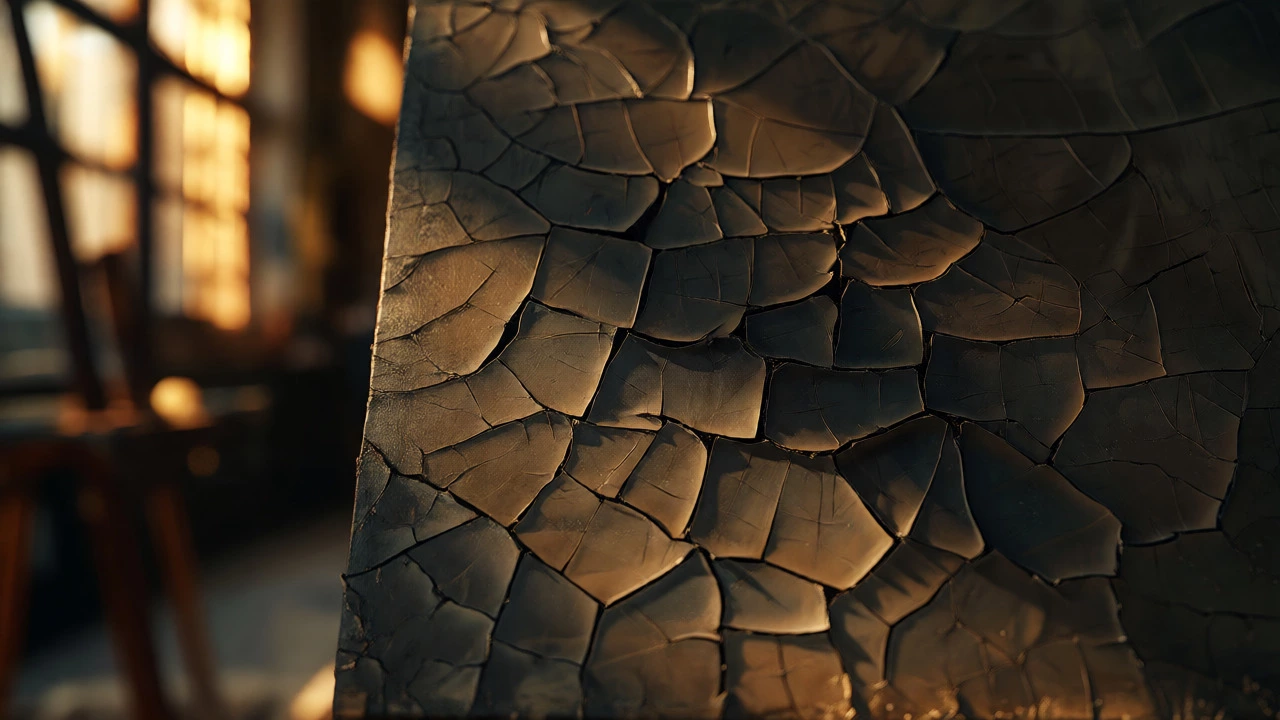
At its core, this rule dictates that each successive layer of paint must contain more oil (fat) than the layer beneath it (lean). If you reverse this order, putting a fast-drying, oil-lean layer on top of a slow-drying, oil-rich layer, the bottom layer remains flexible and wet for longer. As the top layer dries and hardens, it becomes brittle. When the underlying layer finally cures and shifts slightly during the process, the rigid top layer has nowhere to go but crack.
Think of it like building a house on a swamp. If you pour concrete on top of mud that hasn’t settled, the concrete will shatter as the ground moves. In oil painting, the "mud" is the uncured oil in the lower layers, and the "concrete" is the dried film on top. By ensuring the top layers are "fatter" (more flexible due to higher oil content), you allow the entire structure to cure uniformly without structural failure.
The Chemistry Behind Drying Times
To apply the rule effectively, you need to understand what makes a paint "lean" or "fat." It’s not just about how much paint you use; it’s about the vehicle-the binder that holds the pigment together.
- Lean Paint: Contains little to no added oil. It might be thinned with turpentine or mineral spirits. These layers dry quickly because the solvent evaporates rapidly, leaving the pigment behind. However, they lack flexibility.
- Fat Paint: Contains a high ratio of drying oils (like linseed or safflower oil). These layers dry slowly through oxidation, not evaporation. They remain flexible for a long time, which is crucial for the final stages of a painting where details are refined.
If you start with a sketch made of pure pigment and turpentine (very lean), you can build up to layers mixed with stand oil or cold-pressed linseed oil (very fat). Skipping steps here-like jumping straight to a thick impasto blob on a raw, unprimed-looking area-invites disaster.
| Layer Type | Composition | Drying Speed | Flexibility | Risk if Reversed |
|---|---|---|---|---|
| Underpainting (Lean) | Pigment + Solvent (Turpentine/Mineral Spirits) | Fast (1-3 days) | Low | N/A (Base Layer) |
| Middle Layers (Medium) | Pigment + Solvent + Small amount of Oil | Moderate (3-7 days) | Medium | Cracking if placed over Wet/Fat layers |
| Top Layers (Fat) | Pigment + Pure Oil (Linseed/Stand) | Slow (Weeks-Months) | High | Wrinkling/Sagging if placed under Lean layers |
How to Apply the Rule Step-by-Step
Knowing the theory is one thing; applying it at the easel is another. Here is a practical workflow to ensure your painting survives the test of time.
Start Thin and Fast
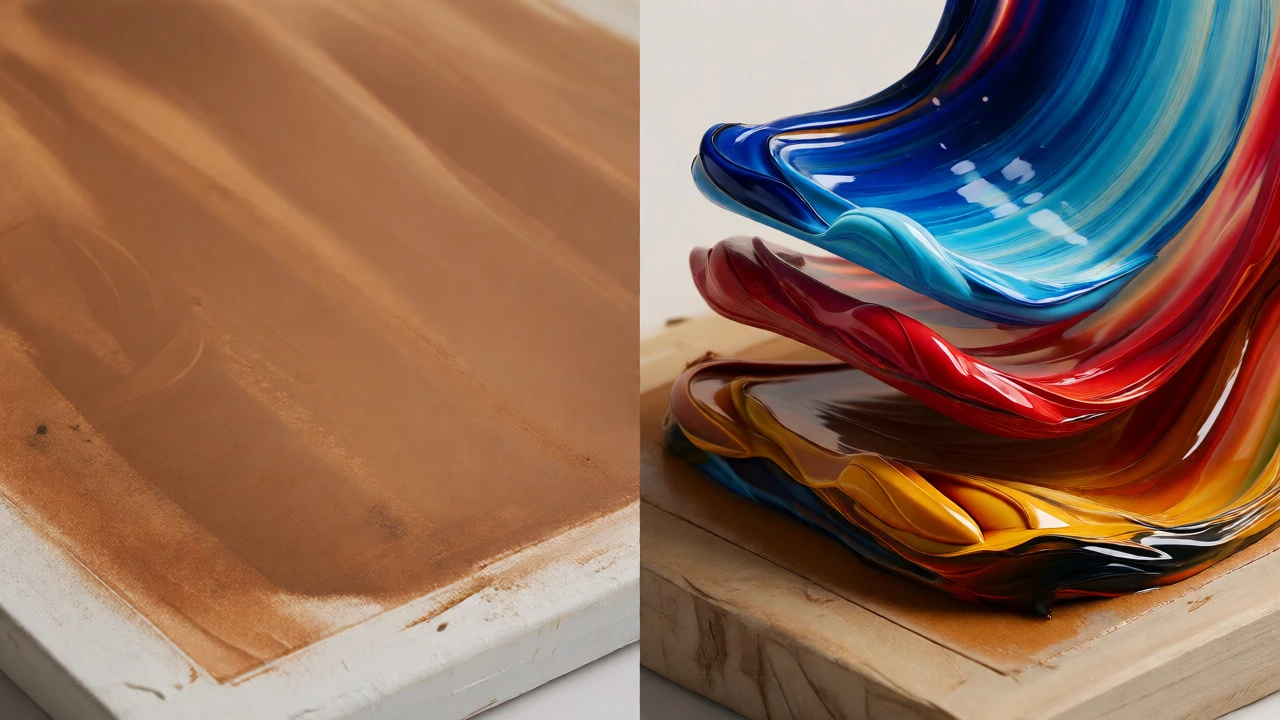
Your first pass should be almost entirely solvent-based. Many artists use a technique called "grisaille" or a toned ground wash. Mix your earth tones (like Burnt Sienna or Raw Umber) with plenty of odorless mineral spirits. This layer acts as a roadmap. Because it contains minimal oil, it dries within a day or two. You can scrub it out and rework it easily without worrying about damaging previous layers, because there aren’t any yet.
Introduce Oil Gradually
As you move into the second and third sessions, reduce the amount of solvent and increase the oil. A common medium recipe for middle layers is a "1:2:3" mix: one part damar varnish, two parts linseed oil, and three parts turpentine. Wait until the previous layer is touch-dry before applying the next. If you rush this step, you risk trapping solvents under the new paint, which causes bubbles and cloudiness.
Finish with Richness
For your final glazes and impasto details, go full oil. Use stand oil or alkyd mediums (which speed up drying while maintaining a fatty profile). These layers stay wet for longer, allowing you to blend edges softly and create depth. Because these layers are flexible, they can accommodate the slight movements of the layers below them as they continue to cure over the coming months.
Common Pitfalls That Break the Rule
Even experienced painters sometimes slip up. Here are the most frequent mistakes related to the golden rule.
Using Alkyds Incorrectly: Alkyd mediums are popular because they dry fast. But just because they dry fast doesn’t mean they are "lean." Some alkyds are actually quite oily. Always check the manufacturer's instructions. If an alkyd medium claims to be "oil-free," it’s likely resin-based and behaves differently than traditional oil paints. Mixing incompatible binders can cause adhesion issues, regardless of the fat-over-lean ratio.
Ignoring Pigment Types: Not all pigments dry at the same rate. Earth tones (ochres, umbers) and cobalts are siccatives-they naturally speed up drying. Blues and greens (especially Phthalo) tend to dry slower. If you place a fast-drying white lead highlight over a slow-drying phthalo blue shadow, you might violate the spirit of the rule even if your medium ratios are correct. Be mindful of the inherent drying properties of your palette.
Over-Thinning Top Layers: Sometimes, in a desire for transparency, artists thin their top glazes with too much solvent. This makes the top layer "leaner" than the body color underneath it. If you want a transparent effect, use a clear oil medium instead of just turpentine. This keeps the layer flexible while achieving the desired optical clarity.
Tools and Mediums for Success
You don’t need a chemistry degree, but having the right tools helps enforce the discipline of fat over lean.
- Liquin Original: A versatile medium that allows you to adjust consistency. Start by adding small amounts to your paint and gradually increase the concentration in later layers.
- Stand Oil: Thick, glossy, and self-leveling. Perfect for final glazes because it creates a durable, flexible film that resists yellowing better than regular linseed oil.
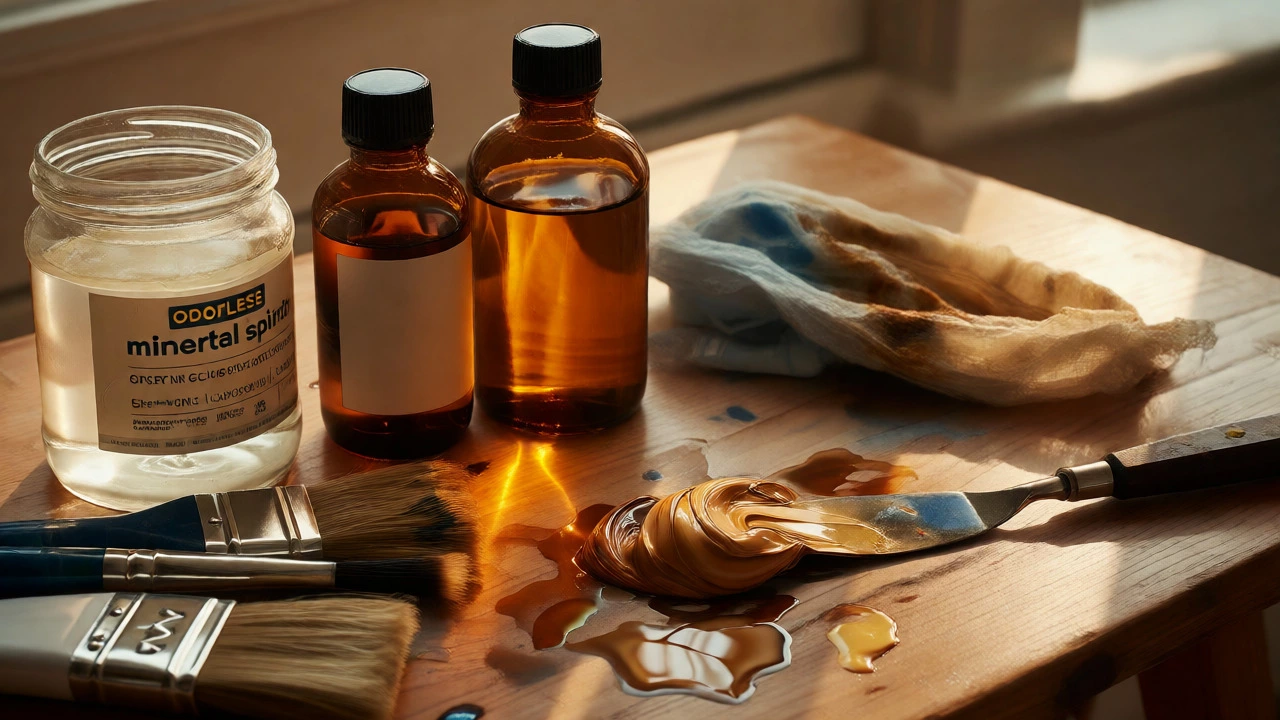
- Odorless Mineral Spirits (OMS): Essential for the early stages. Unlike turpentine, OMS leaves less residue and is easier to clean brushes with, though it evaporates slower.
Pro Tip: Keep separate jars for your cleaning solvent and your painting medium. Never dip a brush loaded with oil paint directly into your jar of turpentine used for thinning early layers. Cross-contamination ruins the precise ratios you’re trying to maintain.
Does Digital Art Have a Golden Rule?
Interestingly, digital painting mimics some of these principles, though not chemically. In software like Procreate or Photoshop, using "Multiply" or "Overlay" blend modes on lower layers simulates the transparency and depth of oil glazes. Just as in oils, starting with a solid base and adding translucent layers on top creates realistic lighting effects. However, since digital files don’t crack, the urgency of "fat over lean" disappears, replaced by the need for proper layer management and resolution scaling.
Final Thoughts on Archival Quality
Following the golden rule isn’t just about preventing immediate disasters; it’s about respecting the material. Oil paint is a living medium that continues to change for decades after you stop working. By adhering to fat over lean, you give those changes room to happen gracefully. Your painting won’t just look good today-it will look good when your grandchildren hang it in their home.
What happens if I ignore the fat over lean rule?
If you put a lean layer over a fat layer, the top layer dries faster and becomes rigid while the bottom layer remains flexible. As the bottom layer continues to cure and shrink, it pulls against the rigid top layer, causing cracking, flaking, or wrinkling. This damage often appears months or even years after the painting is finished.
Can I use alkyd mediums and still follow fat over lean?
Yes, but you must be careful. Alkyds dry faster than traditional oils, but their oil content varies. Generally, treat alkyd-modified paints as having a moderate oil content. Ensure that subsequent layers are either compatible alkyds or traditional oils with equal or greater oil content. Never place a pure solvent-thinned layer over a heavy alkyd impasto unless you are certain the alkyd is fully cured.
How do I know if my layer is dry enough to add the next one?
Use the "knuckle test." Gently press your knuckle against an inconspicuous area of the canvas. If it feels cool to the touch, it is still wet. If it feels neutral temperature and firm, it is likely dry to the touch. For safety, wait at least 24-48 hours between lean layers and several days to weeks between fat layers. Remember, "dry to the touch" does not mean "fully cured," so handle the painting gently.
Is turpentine considered lean or fat?
Turpentine is neither; it is a solvent. It evaporates completely and leaves no residue. Therefore, paint thinned only with turpentine is extremely lean because it lacks the binding oil needed for flexibility. Using too much turpentine in upper layers can make the paint chalky and prone to absorbing unevenly from the surface.
Do I need to follow this rule for watercolor or acrylics?
No. Watercolors and acrylics dry by evaporation, not oxidation. Acrylics form a plastic-like film that is generally stable regardless of layer thickness, although very thick applications can still crack if stressed. The fat over lean rule is specific to oil painting due to the unique chemical curing process of drying oils.