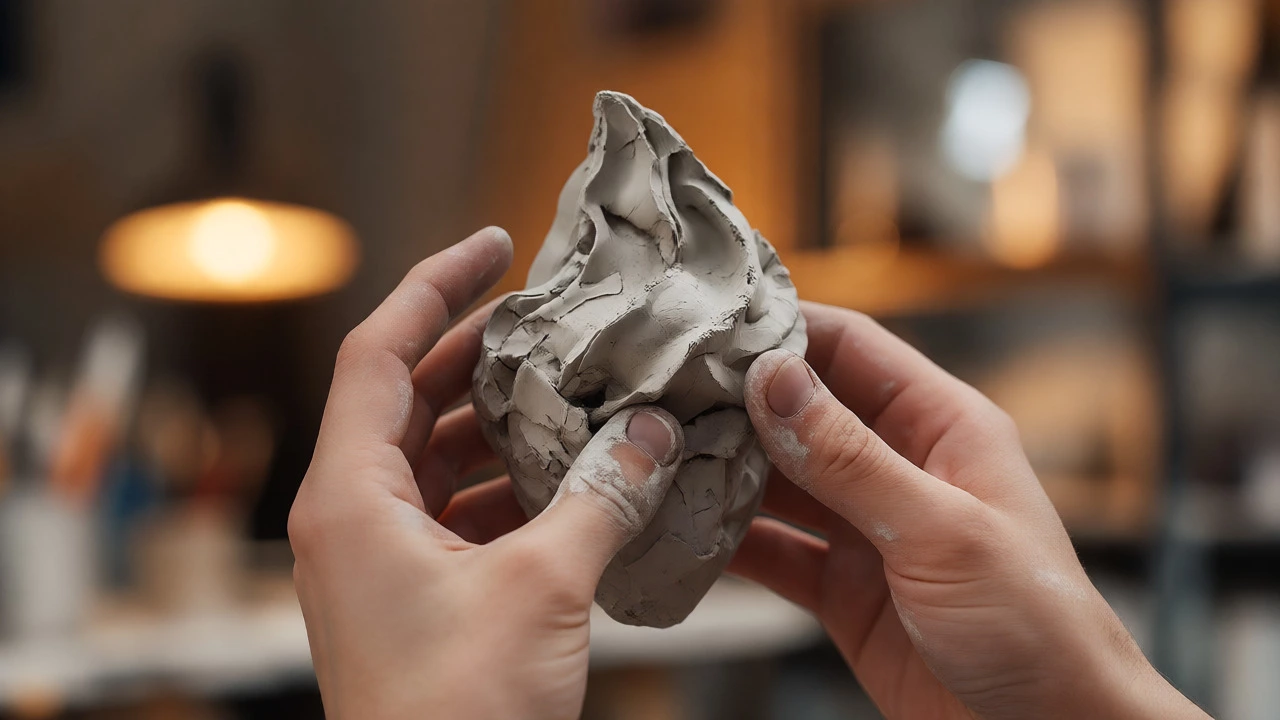
Is Sculpting Difficult? A Realistic Look at the Challenges
Wondering if sculpting is hard? Discover the real challenges of spatial visualization and material handling, plus tips for beginners on choosing the right medium.
If you’re curious about sculpture, you’ve landed in the right place. This page brings together the most useful tips from our articles so you can start shaping, pricing, and showing your work without getting lost in jargon.
First off, you don’t need years of experience to make a decent piece. Grab some clay, a simple tool kit, and follow a step‑by‑step guide that shows you how to move from a lump of material to a finished form. Our beginner’s guide covers the essential supplies, basic hand motions, and a few shortcuts that save time.
When you’re just starting, focus on three core techniques: modeling with clay or wax, subtractive carving, and assembling mixed‑media pieces. Modeling lets you add and shape material, which is perfect for fluid, organic forms. Carving, on the other hand, works by removing material—think wood, stone, or even plaster. Understanding the three main carving styles—relief, direct, and indirect—helps you pick the right tool for the job.
For wood carving, a sharp gouge and a steady hand are enough to turn a block into a decorative bowl or a detailed figure. Stone carving demands heavier tools like a point chisel and a mallet; the key is to chip away slowly and test the shape often. If you prefer a hybrid approach, try combining a carved base with molded elements, a method many modern sculptors use to add texture and depth.
Don’t forget safety. Wear goggles, keep dust masks handy, and work in a well‑ventilated area. A clean workspace not only protects you but also keeps your tools sharp and ready for the next project.
Once you have a finished piece, the next big question is: how much should you charge? Pricing a sculpture isn’t a guess‑work game. Start by adding up material costs, then calculate hourly labor based on how long you spent. Factor in the size of the piece, any special techniques you used, and your experience level. Look at recent sales of similar works to see where the market sits, and adjust your price accordingly.
Style matters, too. Classical marble statues tend to attract collectors who appreciate tradition, while abstract installations often fetch higher prices at contemporary galleries. Knowing where your work fits helps you target the right audience and set realistic expectations.
How you place a sculpture can make or break its impact. In a home setting, give the piece room to breathe—avoid cluttered walls and choose a spot with good lighting. For public installations, consider the flow of foot traffic and how people will view the work from different angles. A well‑placed sculpture can turn a plain hallway into an engaging experience.
Finally, keep an eye on the market. Some sculptures reach record‑breaking prices because of the artist’s reputation, rarity, or a unique story behind them. While you might not hit those heights right away, understanding what drives value can guide you in building a portfolio that grows over time.
Ready to start shaping your own 3D art? Grab a tool, pick a simple project, and remember: the best way to learn is by doing. Check out our detailed articles for deeper dives on each topic, and keep experimenting. The more you create, the clearer your style and pricing will become.
Wondering if sculpting is hard? Discover the real challenges of spatial visualization and material handling, plus tips for beginners on choosing the right medium.
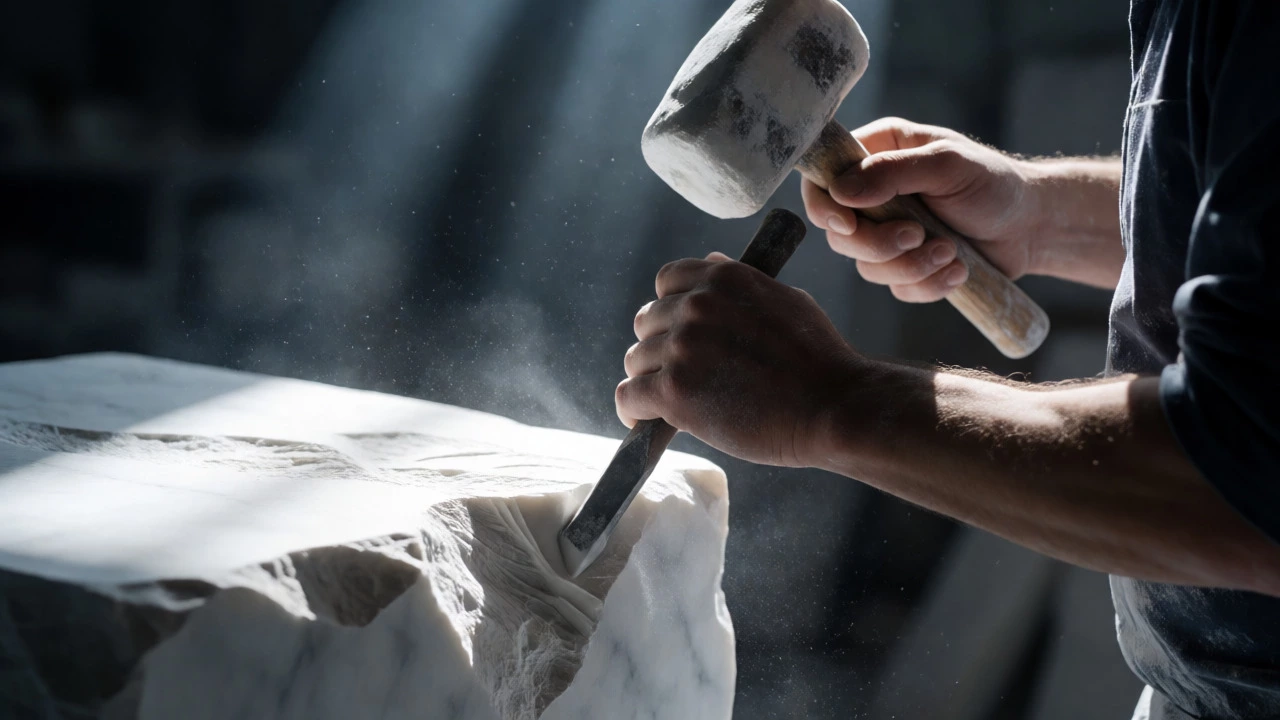
Discover the key differences between carving and sculpting. Learn how subtractive and additive processes shape art, tools, and outcomes.
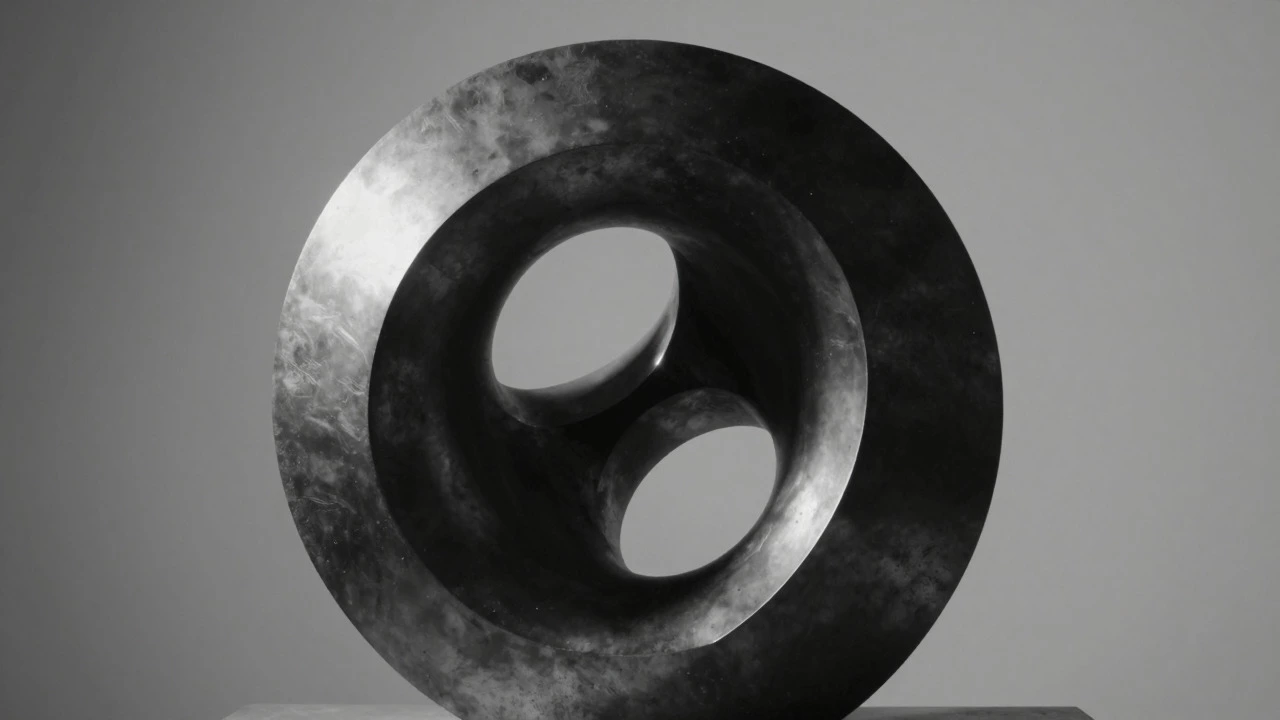
Discover why form, negative space, and materiality are the pillars of sculpture. Learn how scale and texture shape the viewer's experience.
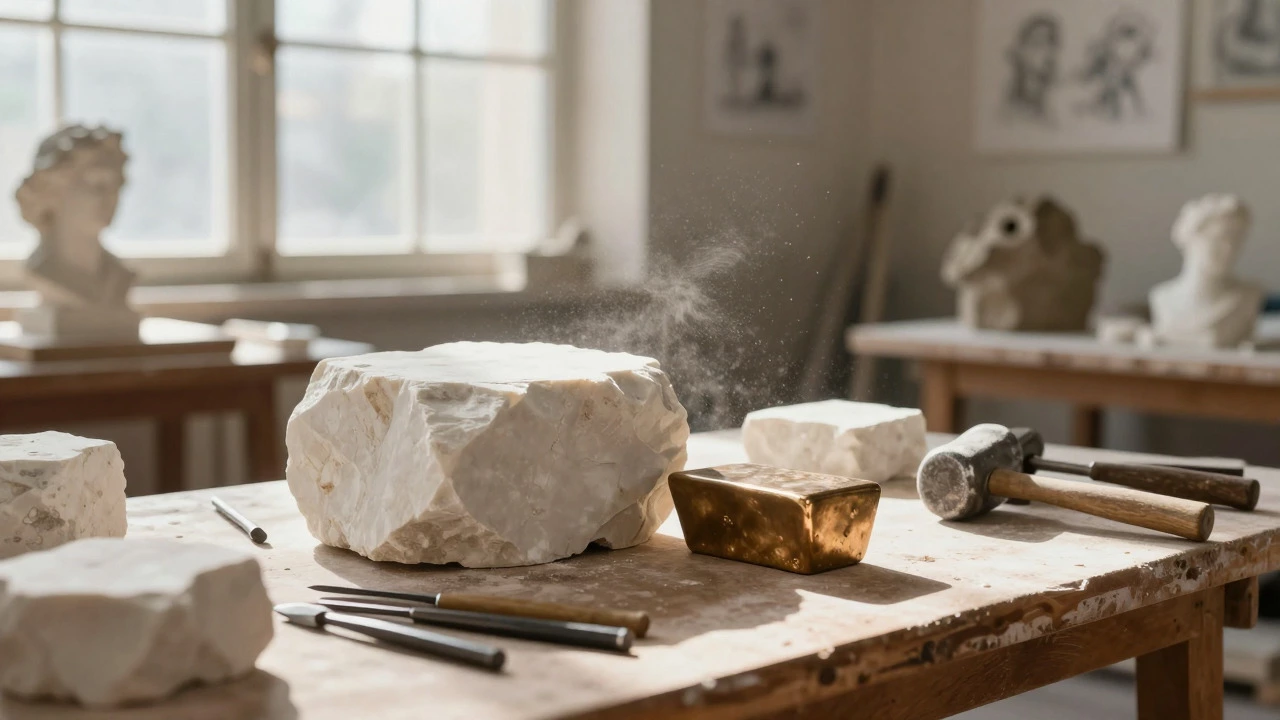
Discover what sculpture is as an art form, exploring its definitions, materials, techniques, and evolution from classical to contemporary practices.

Discover why 'sculptor' is the correct term for female artists today. Learn the history of 'sculptress,' why it's outdated, and how language shapes art perception.
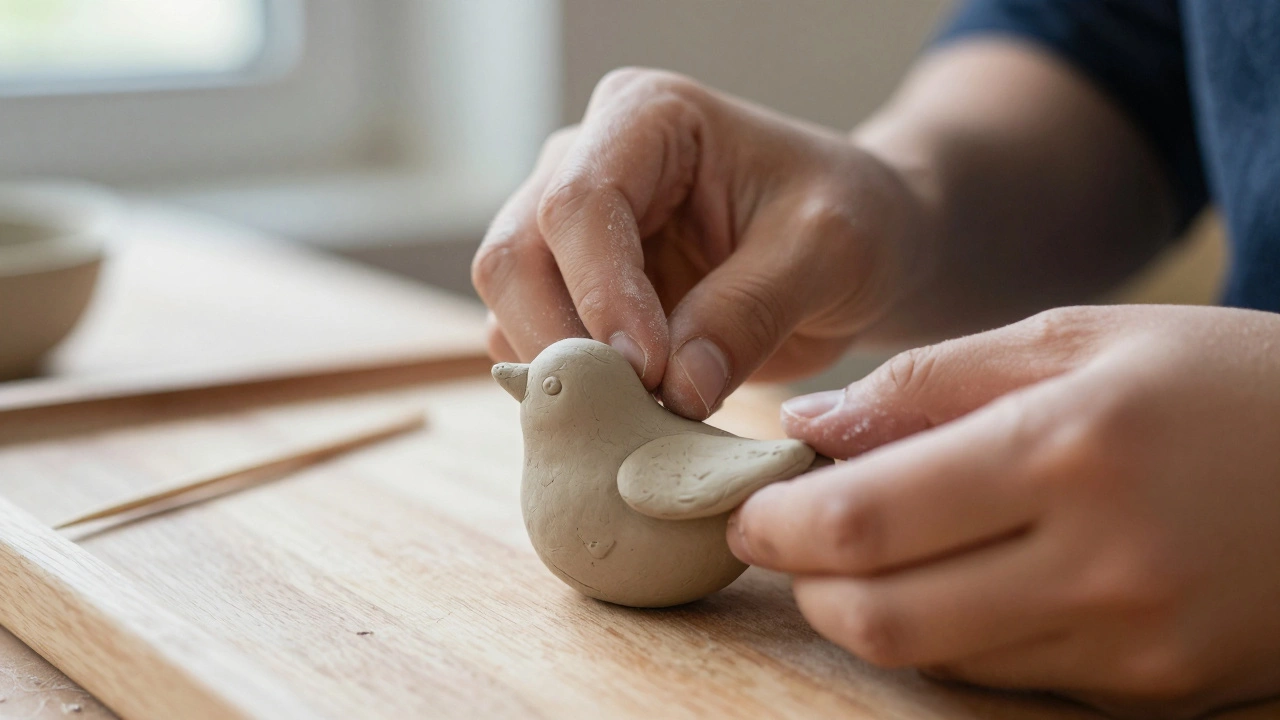
Learn what to sculpt as a beginner with simple, hands-on projects using air-dry clay. Start small, skip the tools, and build confidence through consistent, mess-free practice.
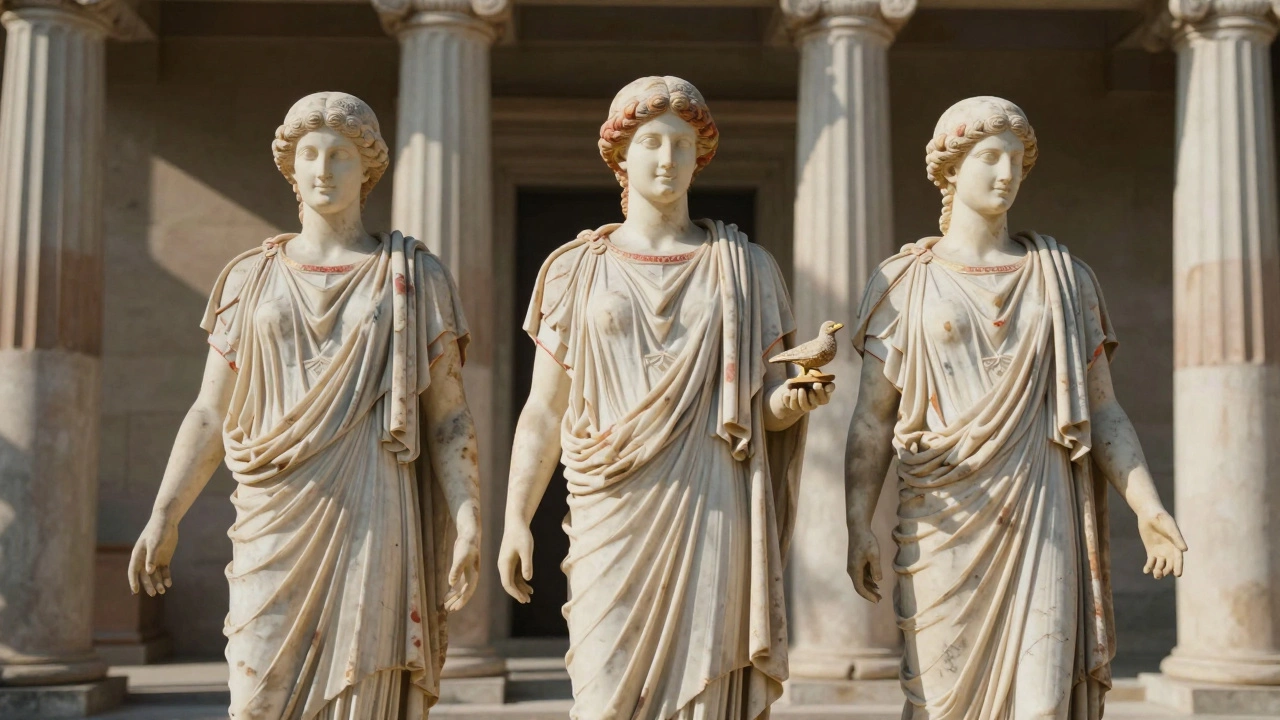
Female sculptures in ancient Greece were called korai-idealized, clothed statues of young women made between 650 and 480 BCE. These weren't just art; they were offerings, memorials, and symbols of devotion.
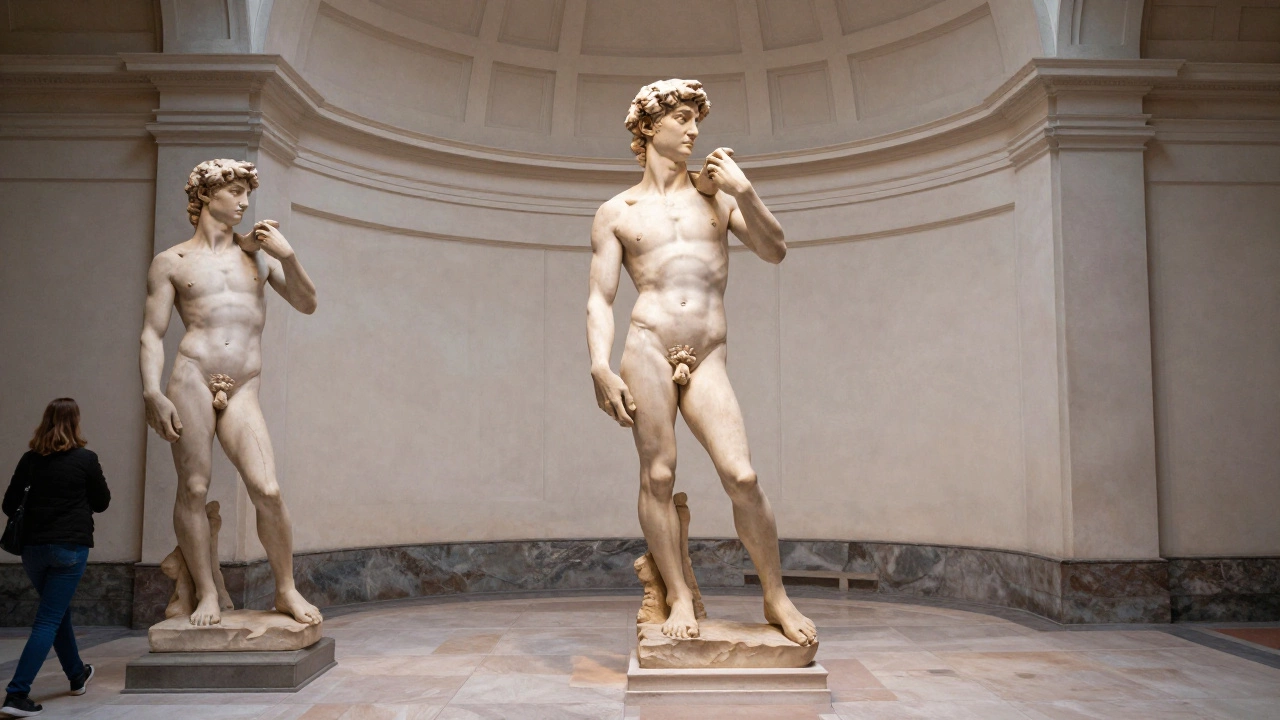
Learn the four basic types of sculpture in art-full-round, relief, additive, and subtractive-and how each shapes the way we experience three-dimensional art.
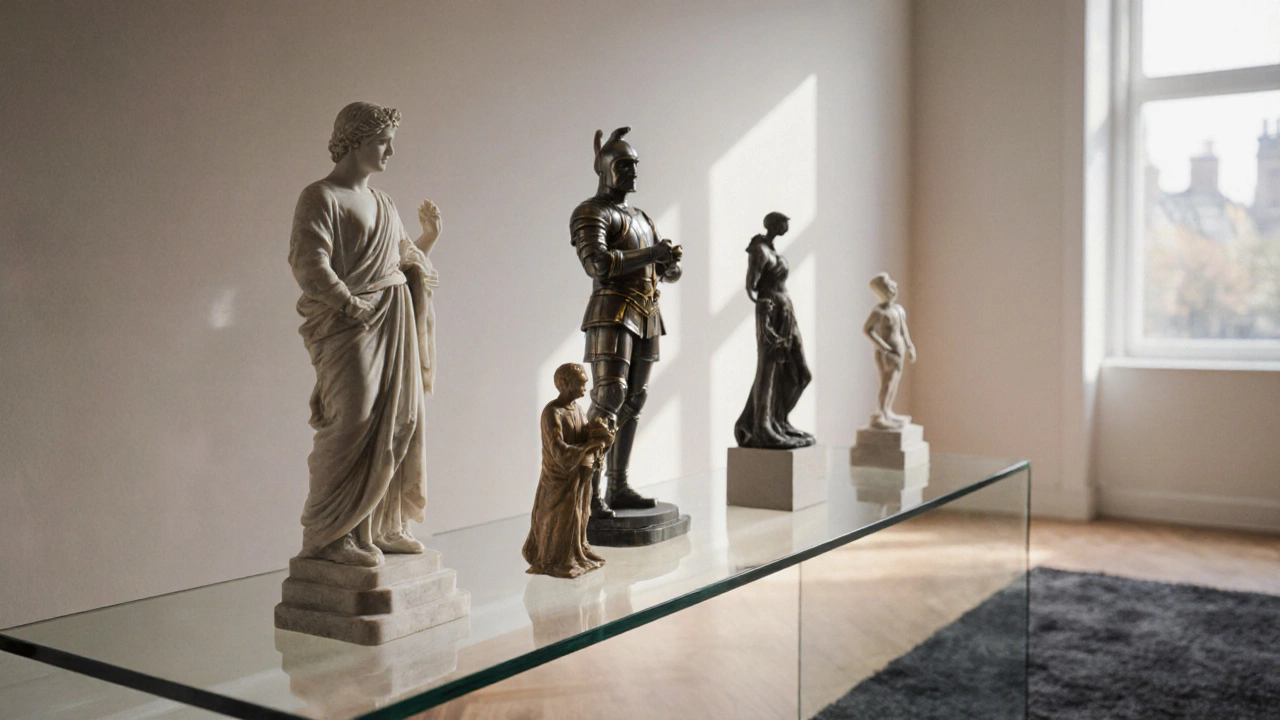
Learn the precise terms for tiny three‑dimensional artworks-miniature, figurine, maquette, bust, and more. Get definitions, comparison table, care tips, and FAQs.
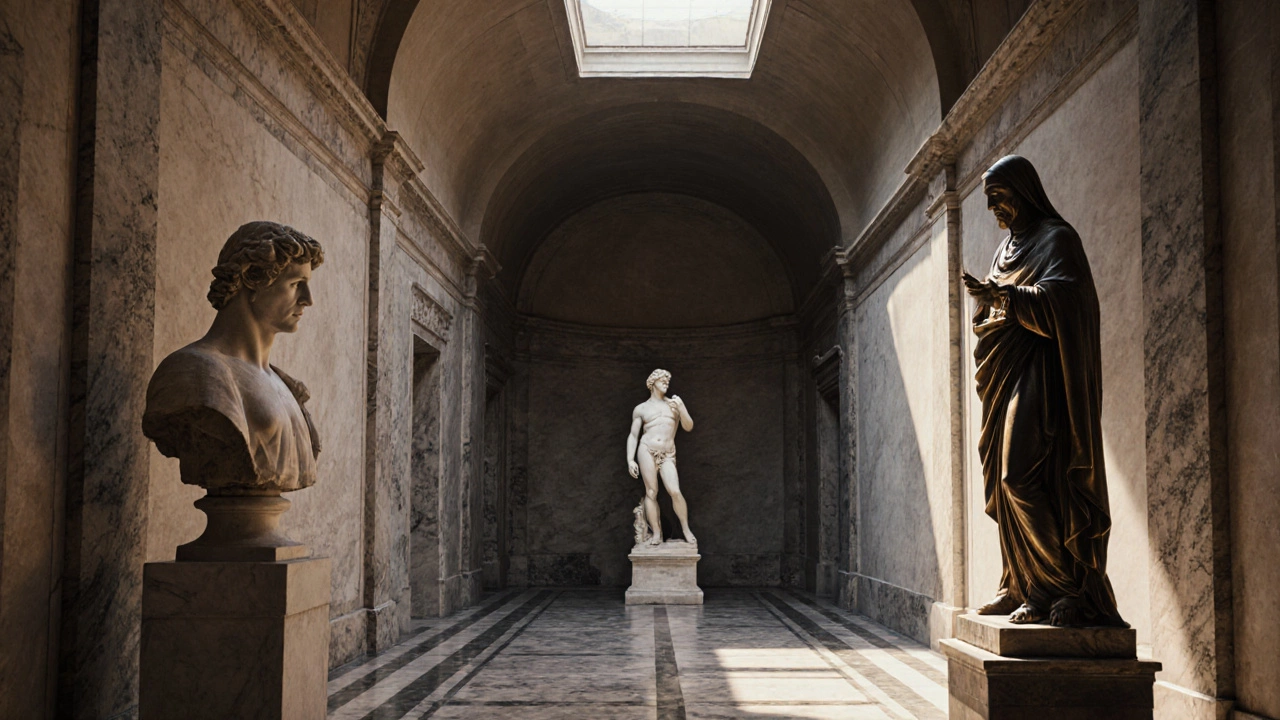
Explore the most renowned sculptors-from Michelangelo to Jeff Koons-learn their signature styles, key works, and where to see them in museums and public spaces.
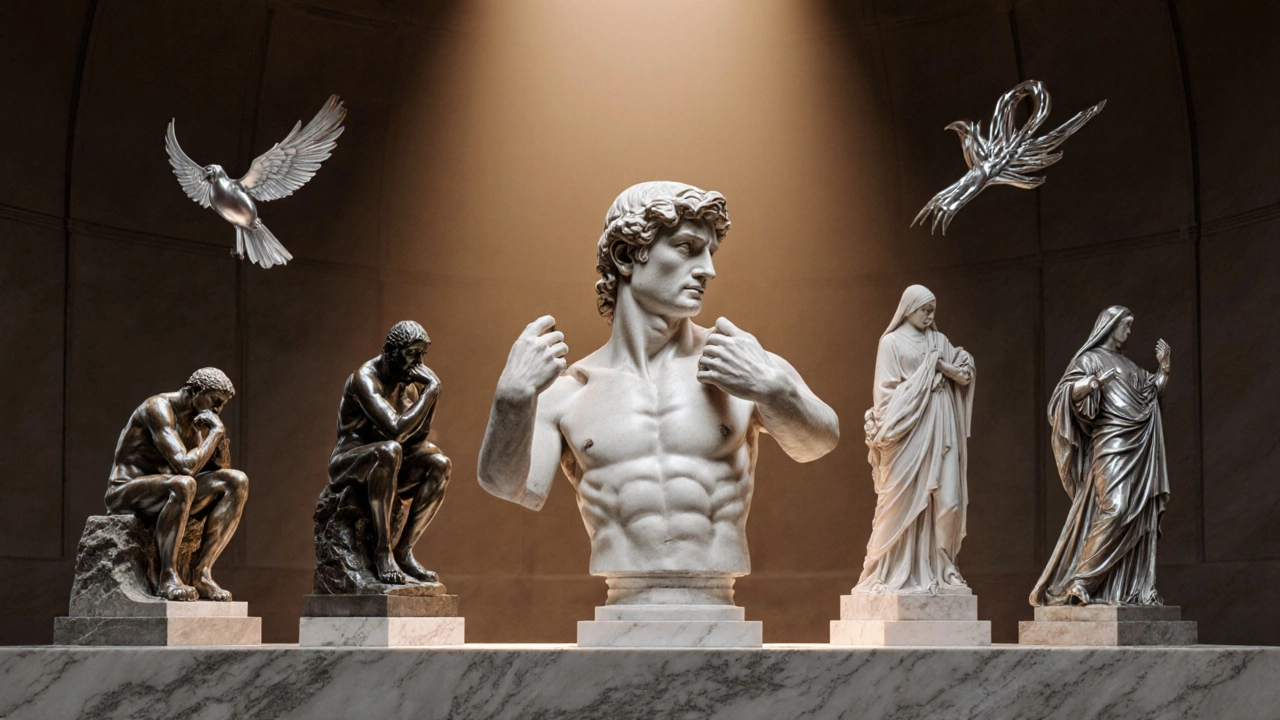
Explore the criteria, rankings, and legacy of history's greatest sculptors-from Michelangelo to Rodin and beyond.

Curious about learning sculpture? This hands-on guide covers essential materials, step-by-step techniques, and tips to kickstart your journey sculpting captivating 3D art.