Abstract Thinking Simulator
Artist's Controls
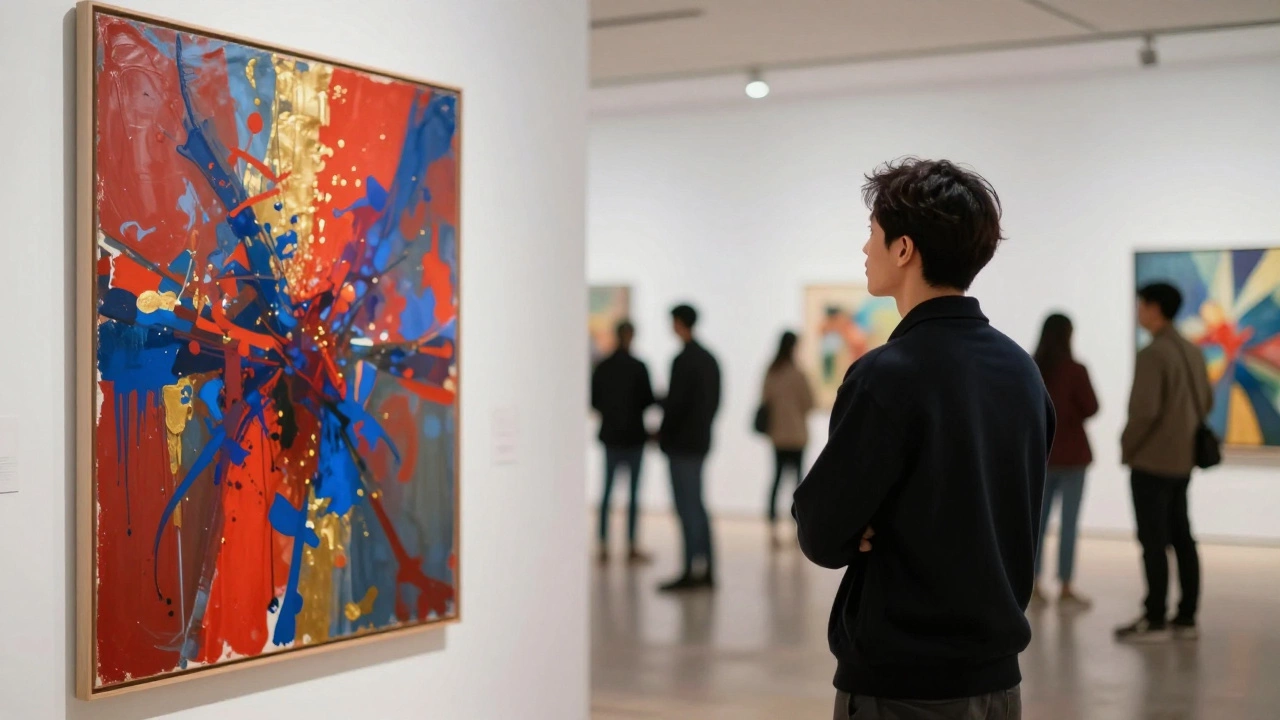
Walk into a gallery and stand in front of a canvas that looks like a spilled paint can mixed with a chaotic scribble. Your brain immediately panics. It searches for a face, a tree, a recognizable object, and finds nothing. You feel lost. You might even feel cheated. But the artist who made it isn't confused. They are operating on a completely different frequency. They aren't trying to show you what they see; they are trying to show you how they feel.
The question "how do abstract artists think" isn't just about technique. It’s about a fundamental shift in perception. While a realist painter is solving the puzzle of light and shadow to mimic reality, an abstract artist is a creator who focuses on color, form, line, and texture to convey emotion or ideas without depicting recognizable subjects. Their thinking process is less about observation and more about intuition, memory, and raw sensation.
Shifting from Representation to Expression
To understand their mindset, you first have to unlearn the idea that art must look like something. For centuries, the goal of painting was imitation. If you painted a bowl of fruit, the success metric was: does it look like real fruit? Abstract art broke this contract in the early 20th century. Pioneers like Wassily Kandinsky argued that colors and shapes had their own spiritual resonance, similar to how musical notes evoke feelings without needing lyrics.
When an abstract artist picks up a brush, they are not asking, "What does this apple look like?" They are asking, "What does joy look like?" or "What does anxiety feel like?" This requires a leap of logic. They translate internal states into external visuals. A jagged red line might represent anger. A soft blue wash might represent calm. This translation process is highly subjective and deeply personal. It turns the canvas into a diary entry written in visual language rather than words.
The Role of Intuition and Instinct
If you ask an abstract artist why they placed a yellow circle in the top left corner, they often won't have a logical answer. They will say, "It felt right." This reliance on intuition is the cornerstone of their thinking. Unlike architectural design, which follows strict rules of physics and function, abstract art follows the rules of emotional balance.
This intuitive process involves rapid decision-making. The artist reacts to the previous mark. If they paint a heavy black stroke, the next move might be a delicate white line to create tension. This back-and-forth dialogue with the canvas is spontaneous. It’s closer to jazz improvisation than composing a symphony. The artist listens to the work as it develops, adjusting their approach based on the energy of the piece. This means two abstract artists using the same materials can produce vastly different results because their internal compasses are pointing in different directions.
Seeing Beyond the Surface
Abstract artists also train themselves to see the world differently. They don’t ignore reality; they deconstruct it. When looking at a forest, a realist sees trees, leaves, and sunlight. An abstract artist sees vertical lines, patches of green, and dappled light patterns. They strip away the identity of the objects to focus on their essential forms.
This practice helps them build a visual vocabulary. Instead of drawing a bird, they learn to draw the concept of flight-lightness, upward movement, freedom. By focusing on these underlying structures, they can create compositions that resonate universally. Viewers may not recognize the specific subject, but they recognize the feeling. This is why abstract art can cross language barriers so easily. A sense of chaos or harmony is understood by humans regardless of culture or background.
Embracing Chaos and Control
A major part of the abstract artist's mindset is managing the tension between control and chaos. Some artists, like Piet Mondrian, sought perfect order through grid-like structures and primary colors. Others, like Jackson Pollock, embraced total spontaneity, letting gravity and motion dictate the flow of paint.
Most artists fall somewhere in between. They might start with a loose sketch or a planned color palette (control) but allow accidents to happen during the painting process (chaos). A drip of paint, a smudge, or an unexpected blend becomes part of the final image. The artist’s skill lies in recognizing when an accident adds value and when it needs to be corrected. This acceptance of imperfection is crucial. It teaches flexibility and keeps the work alive and dynamic.
| Aspect | Realist Artist | Abstract Artist |
|---|---|---|
| Primary Goal | Mimicry and accuracy | Expression and emotion |
| Reference Material | Photos, live models, landscapes | Memory, music, inner feelings |
| Decision Making | Logical, analytical | Intuitive, instinctive |
| Error Handling | Correction to match reference | Integration or transformation |
| Viewer Expectation | Recognition of subject | Emotional response |
The Influence of Music and Rhythm
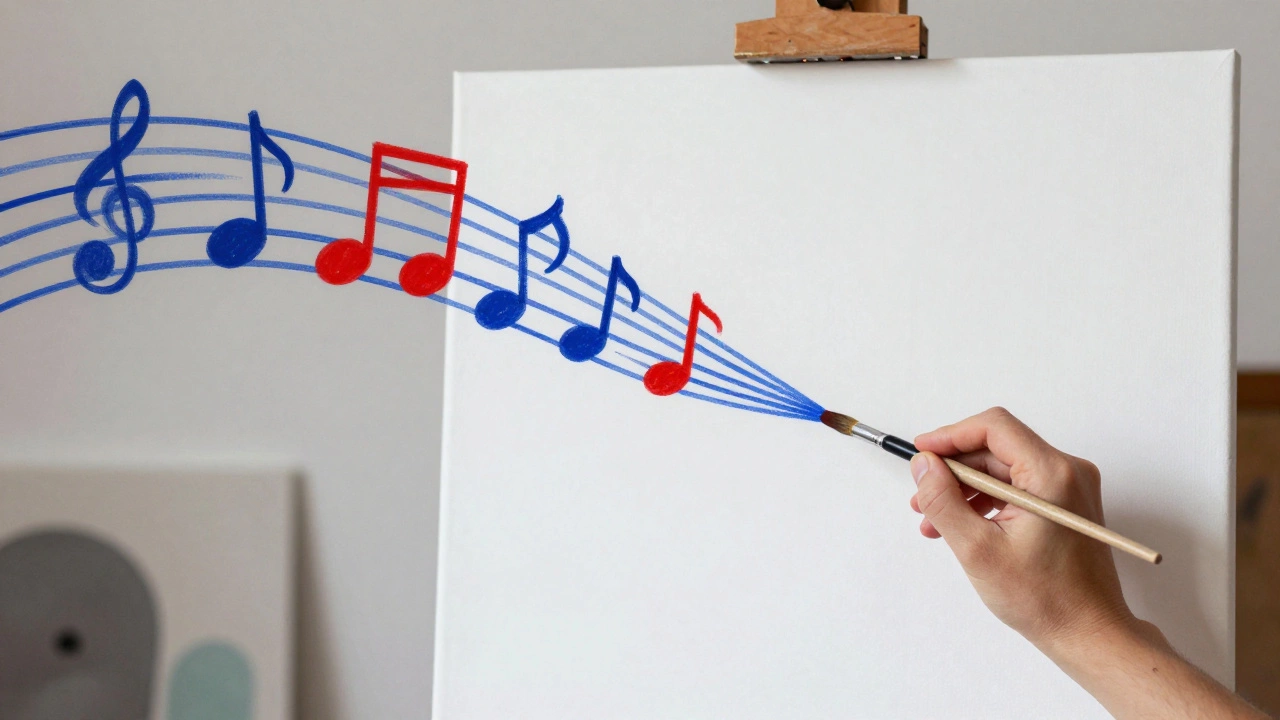
Many abstract artists think musically. They talk about rhythm, tempo, and harmony in their work. Just as a song has a beat, a painting has a visual rhythm created by the repetition of shapes or lines. A fast, staccato series of dots creates a different energy than a long, flowing curve.
This connection to sound allows artists to create works that feel dynamic. They might listen to classical music while painting to match the mood of the composition. The structure of a Bach fugue might inspire a geometric arrangement, while a free-jazz solo might lead to wild, gestural brushstrokes. By borrowing concepts from music, abstract artists add another layer of complexity to their thinking, moving beyond static images to suggest movement and time.
Overcoming the Fear of the Blank Canvas
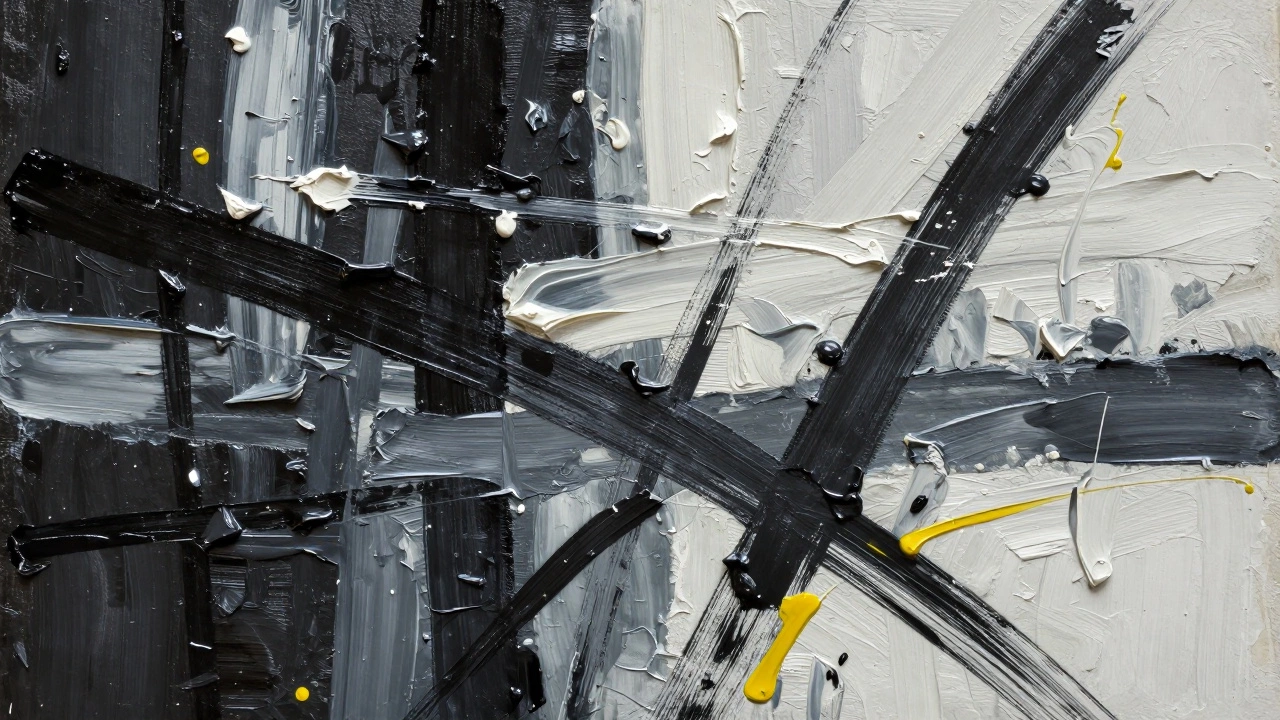
One of the biggest mental hurdles for abstract artists is the fear of starting. Without a reference photo, there is no roadmap. The blank canvas can feel terrifyingly open. To overcome this, many artists develop rituals or techniques to break the ice. They might throw paint at the wall, make random marks, or use large brushes to cover the surface quickly.
This initial phase is about removing the pressure to be "good." It’s about getting into a state of flow. Once the canvas is covered, the artist steps back and starts editing. They look for interesting areas and enhance them, while covering up parts that don’t work. This iterative process reduces anxiety and allows creativity to emerge naturally. It shifts the focus from creating a masterpiece to exploring possibilities.
Connecting with the Viewer
Finally, abstract artists think about the viewer’s experience. They know that their work will be interpreted differently by everyone. This openness is a feature, not a bug. They want to invite viewers to project their own emotions onto the canvas. A dark, stormy painting might make one person feel sad and another feel powerful.
By leaving room for interpretation, abstract artists create a collaborative relationship with the audience. The artwork is not finished until the viewer engages with it. This democratizes the meaning of the art. It empowers the viewer to find personal significance in the work. For the artist, this connection is the ultimate reward. Knowing that their internal vision sparked an external reaction validates their unique way of seeing the world.
Do abstract artists need technical skills?
Yes, absolutely. While the end result may look simple or accidental, mastering color theory, composition, and material handling requires significant practice. Understanding how colors interact and how to balance visual weight is essential for creating compelling abstract work.
Can anyone learn to think like an abstract artist?
You can certainly develop the skills and mindset. It involves practicing exercises that detach you from literal representation, such as blind contour drawing or painting to music. Over time, you learn to trust your instincts and focus on emotional expression rather than accuracy.
Why is abstract art so popular today?
Abstract art resonates in our modern, fast-paced world because it offers a space for introspection. It doesn't demand immediate understanding, allowing viewers to pause and reflect. Its versatility also makes it easy to integrate into various interior design styles.
Is abstract art just random splashes of paint?
No. While some techniques involve chance, the overall composition is carefully considered. Artists make deliberate choices about color, texture, and placement to guide the viewer's eye and evoke specific emotions. Randomness is a tool, not the entire strategy.
How do I appreciate abstract art if I don't 'get' it?
Try to stop looking for recognizable objects. Instead, ask yourself how the colors make you feel. Does the painting feel calm or energetic? Look at the relationships between shapes and lines. Let your gut reaction guide your appreciation rather than seeking a logical explanation.