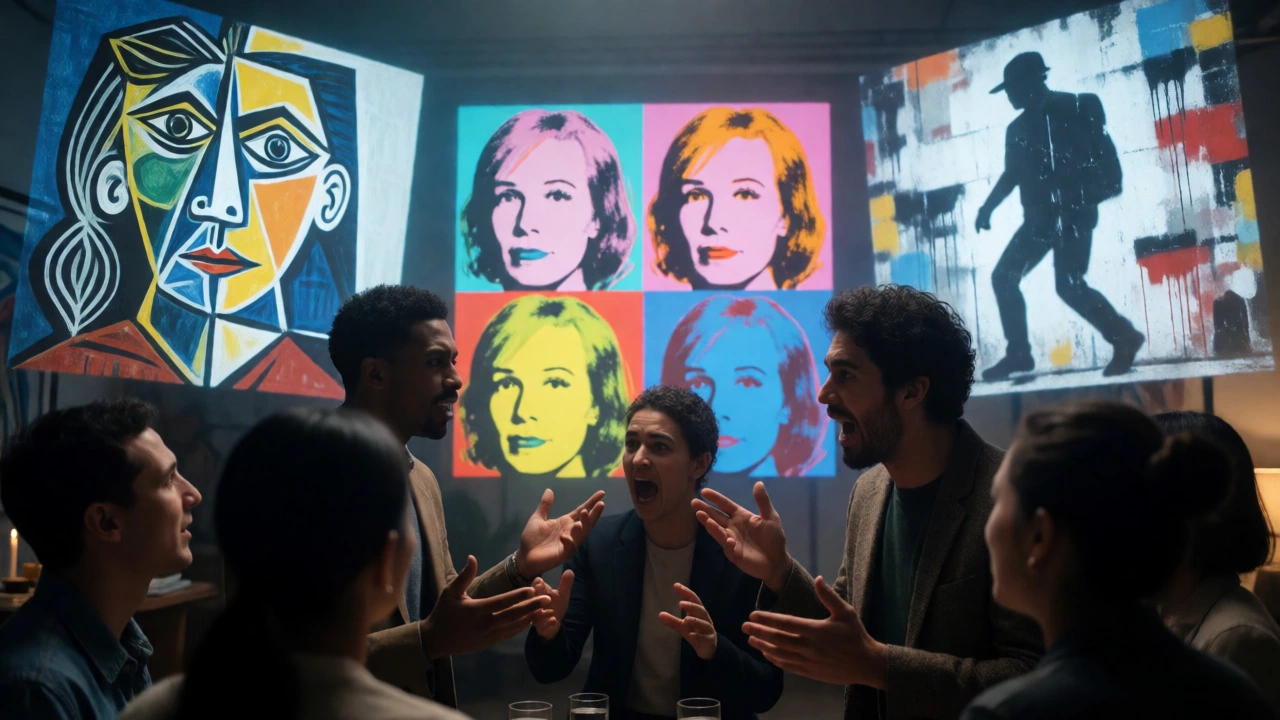
Who is the Number 1 Famous Artist? Defining Fame in Modern Art
Discover who truly holds the title of the number 1 famous artist. We analyze fame through auction records, brand recognition, and viral impact to reveal the real winners.
Modern art can feel like a mystery box. You walk into a gallery, see a splash of color or a weird object, and wonder: is this really art? The short answer is yes, but the why and how need a bit of unpacking. In this guide we’ll break down the basics, share the main ideas that drive modern creators, and look at the big questions that keep art lovers talking.
First off, modern art refuses to follow old rules. Instead of copying realistic scenes, artists experiment with shape, color, and material. Freedom is the name of the game – they can use anything from paint to video to trash. This mindset mirrors today’s fast‑changing world, where technology and culture mix constantly. When you see a piece that looks like a random collage, think of it as a visual comment on how we live.
Another key idea is the focus on the viewer’s experience. Modern artists often leave space for you to decide what the work means. That’s why a painting might feel confusing at first – it’s meant to spark your own thoughts, not hand you a neat story. If you find yourself questioning a piece, you’re doing exactly what the artist wanted.
One trend that’s blowing up is the blend of digital tools with traditional media. Artists now create virtual installations that you can explore on a screen or in VR. It blurs the line between physical and online art, making the experience more immersive.
At the same time, many creators are pulling in social issues. Climate change, identity, and politics pop up in sculptures, murals, and performance pieces. This shift shows that modern art is not just about aesthetic play; it’s also a platform for conversation.
If you’re curious about how modern art fits into history, ask yourself: is Van Gogh’s "Starry Night" modern? While the painting predates the official modern era, its bold brushwork and emotional punch influence many later artists. Articles on our site explain why some classics get re‑examined through a modern lens.
There’s also a lively debate about whether modern art counts as "real" art. Some critics argue that if a piece looks like a random mess, it’s not art at all. Others point out that the definition of art has always evolved – think of how photography once faced the same question. Our discussion pieces break down both sides in plain language, so you can form your own opinion.
For buyers, the market can feel risky. Abstract or conceptual pieces sometimes hide weak craft, and resale value can be uncertain. Knowing how to spot quality – like looking for a clear concept, skillful execution, and artist reputation – helps you avoid pitfalls. We’ve got tips on evaluating pieces without getting lost in jargon.
Bottom line: modern art is a playground of ideas, tech, and social commentary. It asks you to look, think, and sometimes feel uncomfortable. By understanding its core principles, spotting trends, and seeing the debates, you’ll walk into any gallery with confidence. Ready to explore the next exhibition? Grab a notebook, keep an open mind, and let the art speak to you.
Discover who truly holds the title of the number 1 famous artist. We analyze fame through auction records, brand recognition, and viral impact to reveal the real winners.
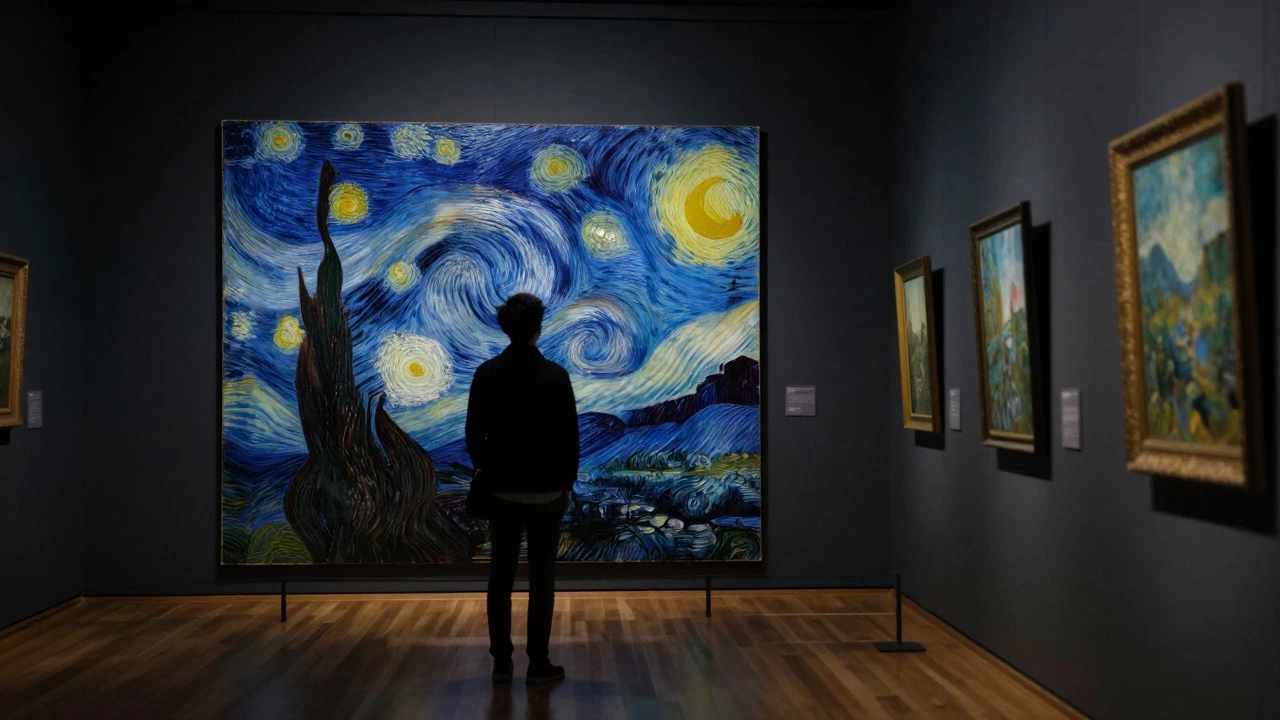
Discover whether Vincent van Gogh is classified as modern art. Learn the difference between modern and contemporary art, explore Post-Impressionism, and understand why his work bridges historical gaps.
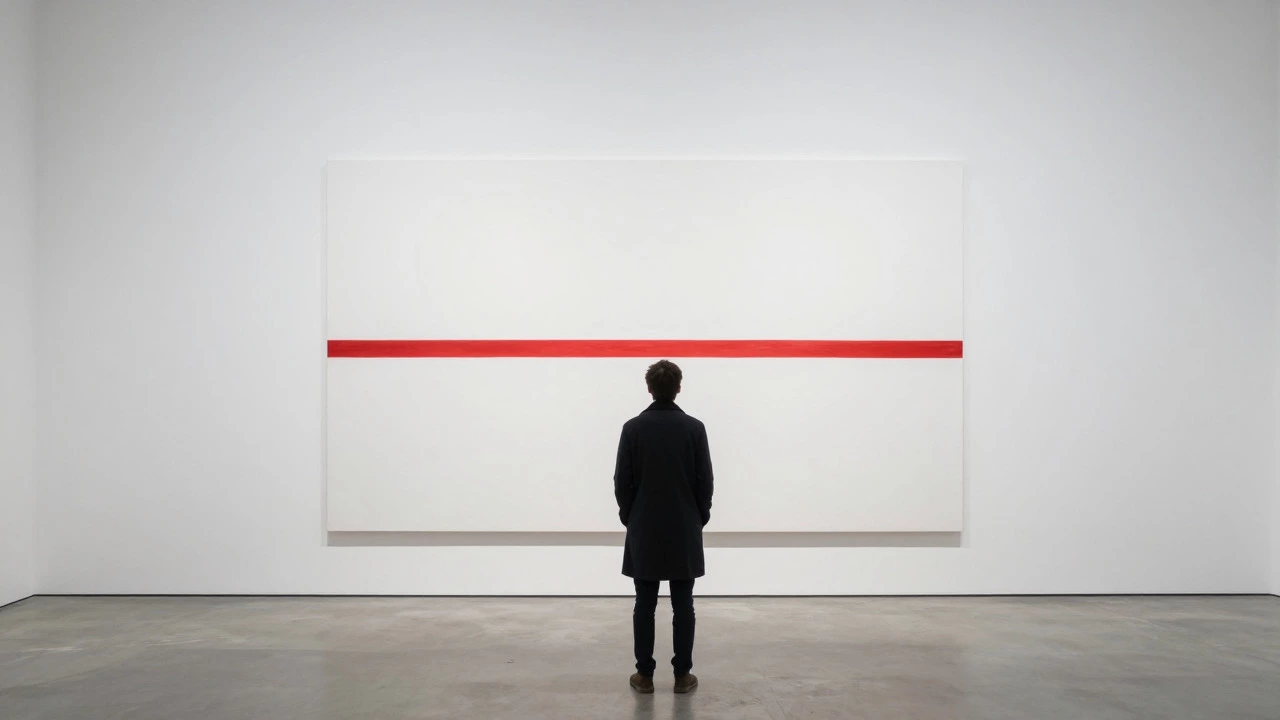
Discover the clear definition of modern art, its key characteristics, and major movements like Cubism and Surrealism. Learn how to distinguish it from contemporary art.
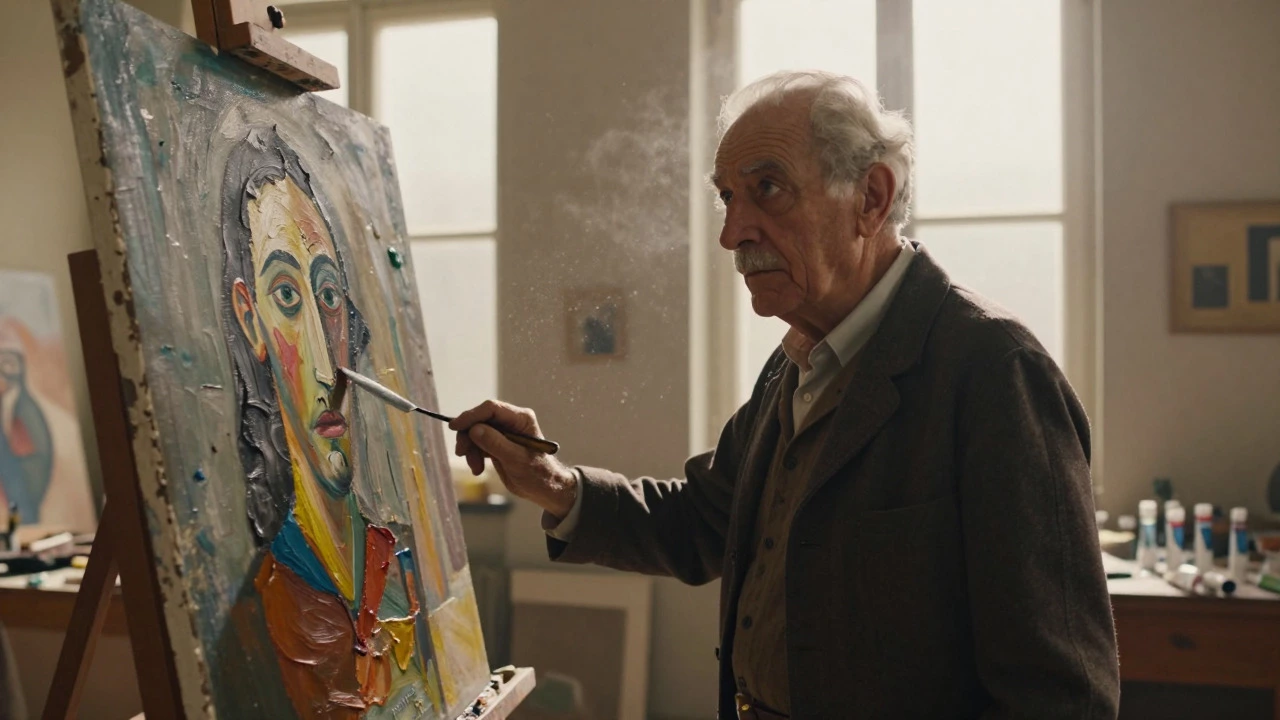
Discover the truth about Picasso's materials. Did he use acrylic? Explore the history of oil vs. acrylic paint and why Picasso stuck to traditional methods.
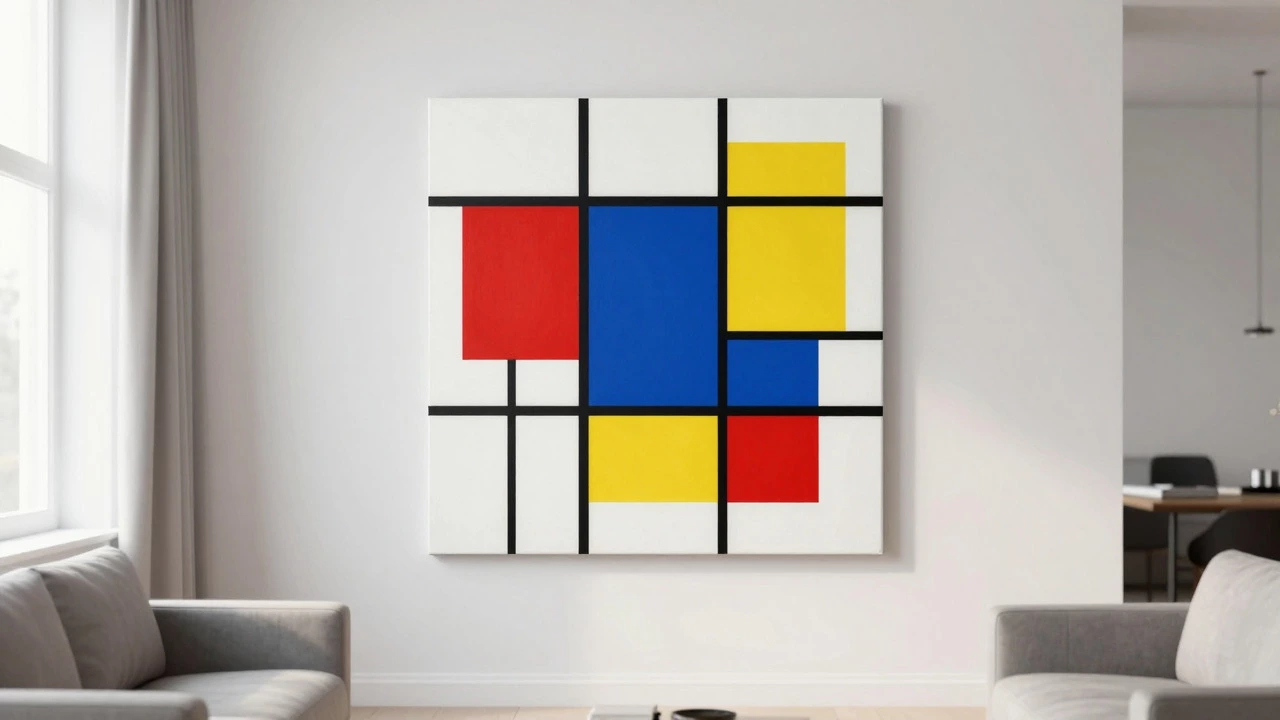
Discover the three main types of abstract art: Geometric, Lyrical, and Color Field. Learn how to identify each style, understand their history, and choose the right art for your space.
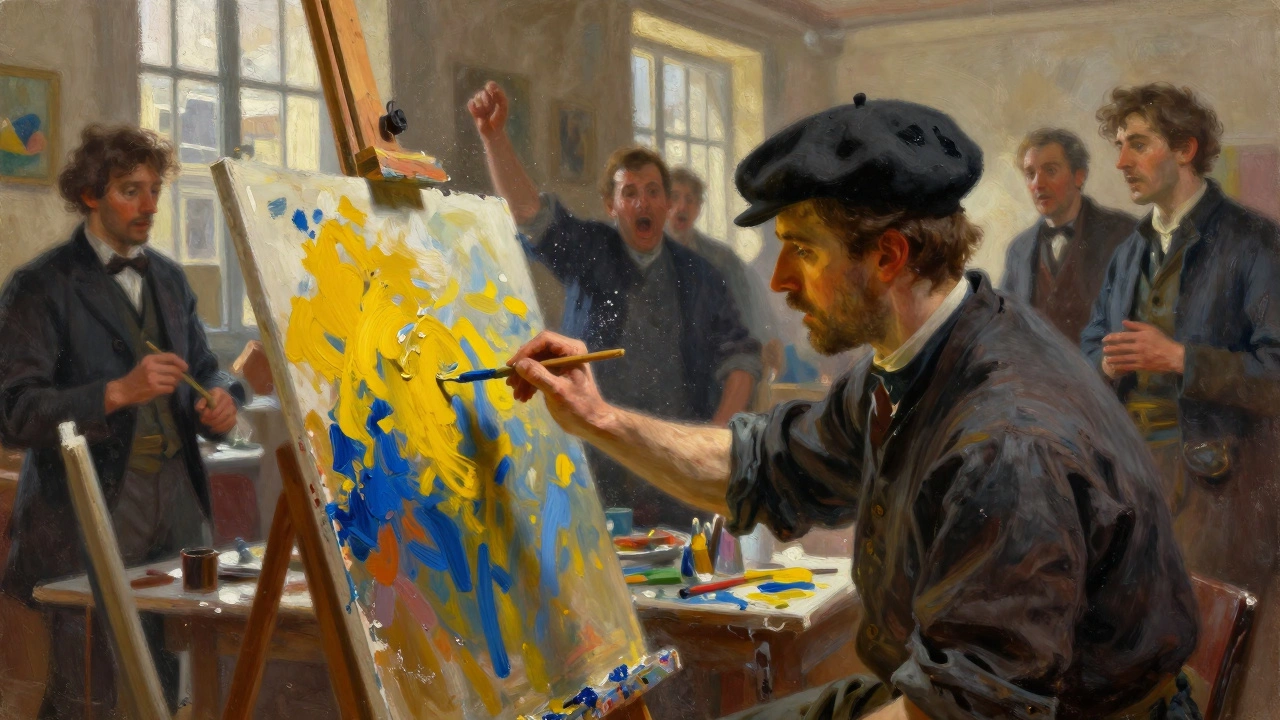
Discover why Eadweard Muybridge, not just painters like Monet, might be the true first modern artist. Explore how photography and technology reshaped art history.
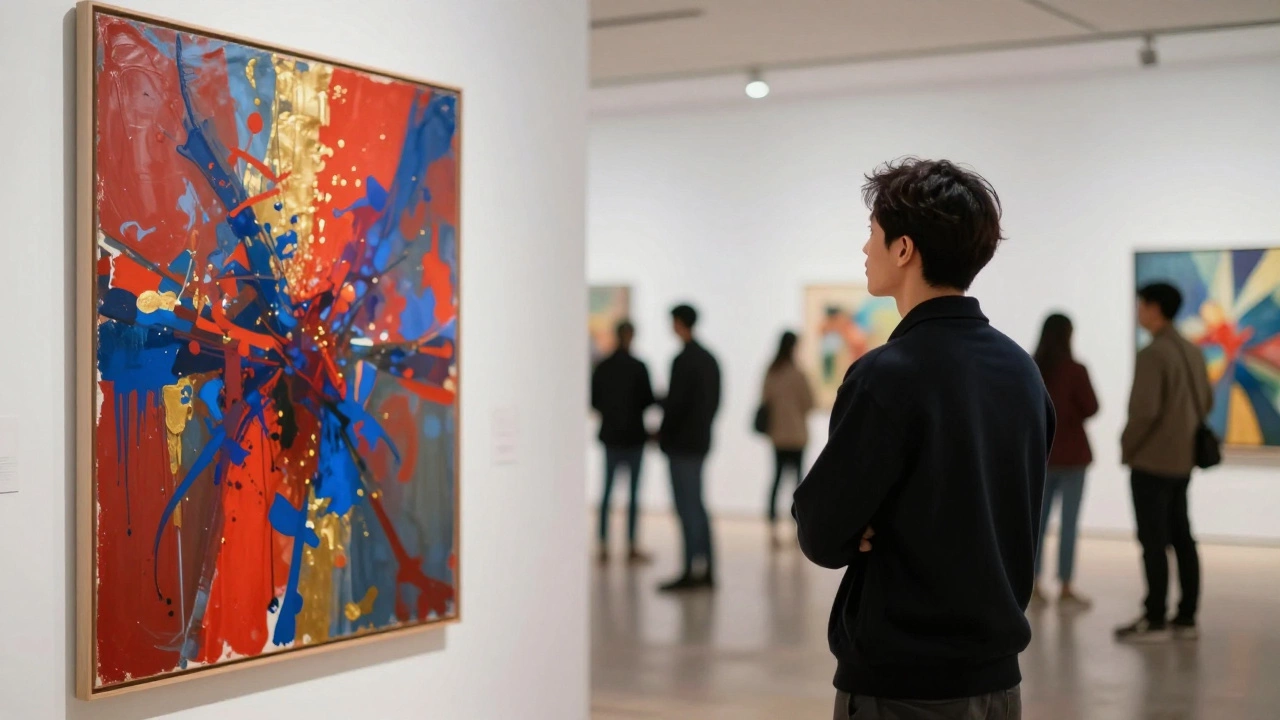
Explore the mindset of abstract artists. Learn how they shift from realism to intuition, using color and form to express emotion rather than replicate reality.
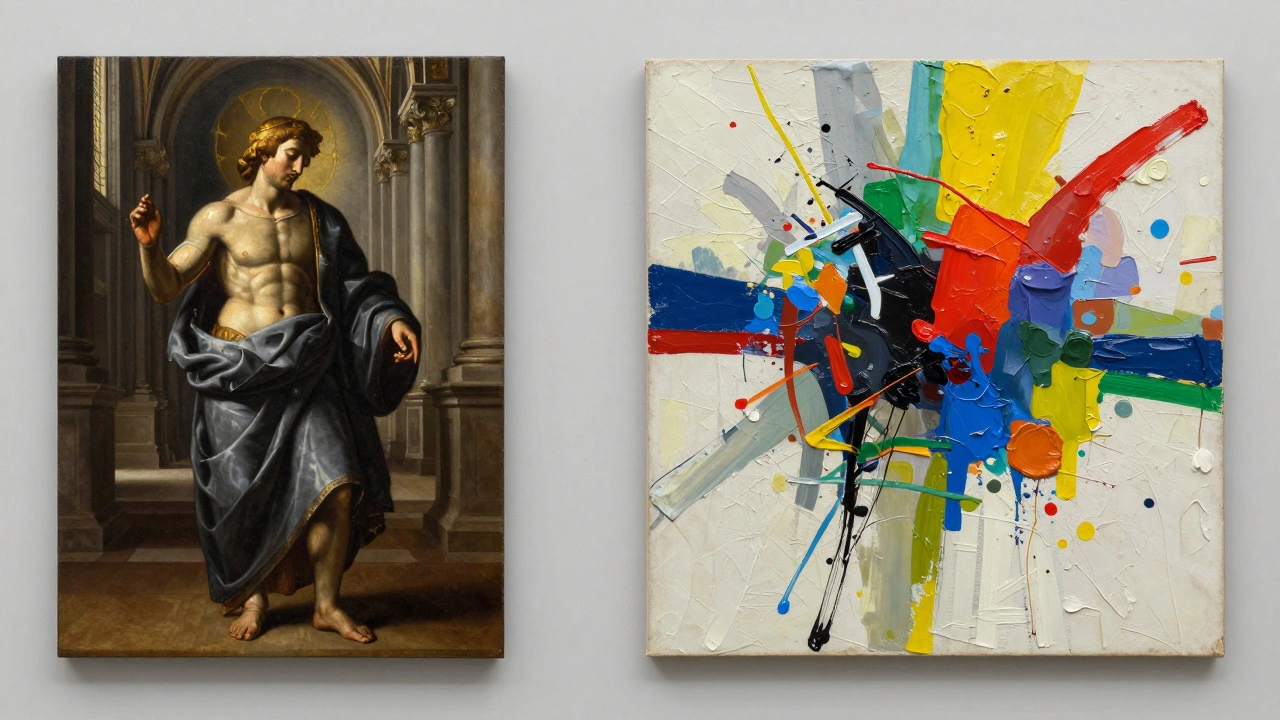
Explore the key differences between modern and old art. Learn how photography, philosophy, and new techniques shifted art from realistic representation to emotional expression.
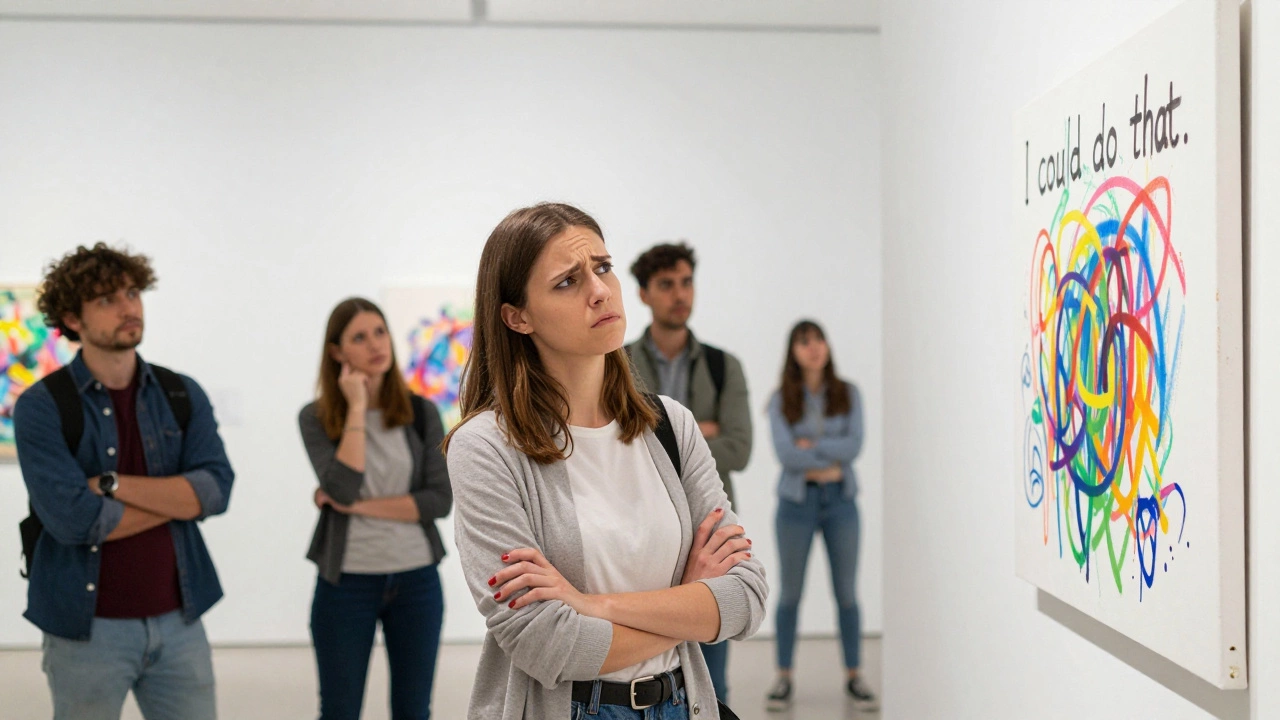
Discover the true purpose of modern art. From the invention of the camera to abstract expressionism, learn why artists stopped copying reality and started exploring emotion, ideas, and innovation.
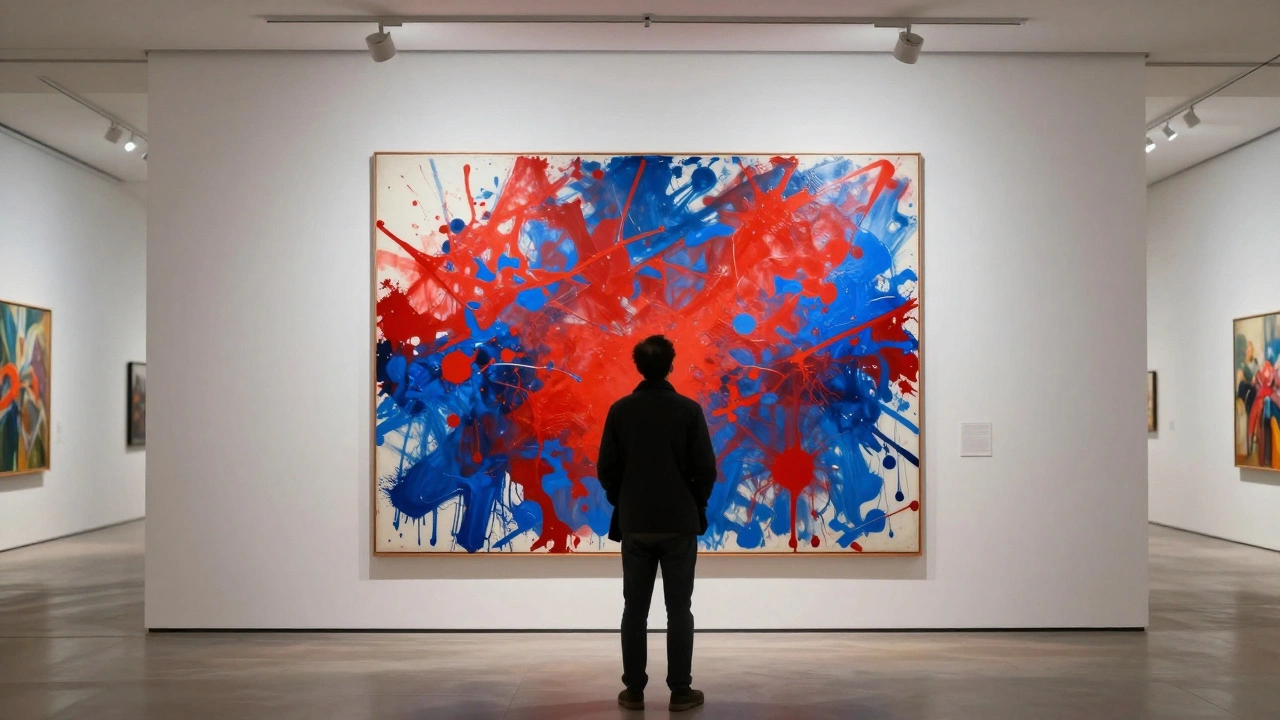
Discover why modern art captures hearts and minds. This guide explains the history, emotional impact, and visual innovations of the movement.
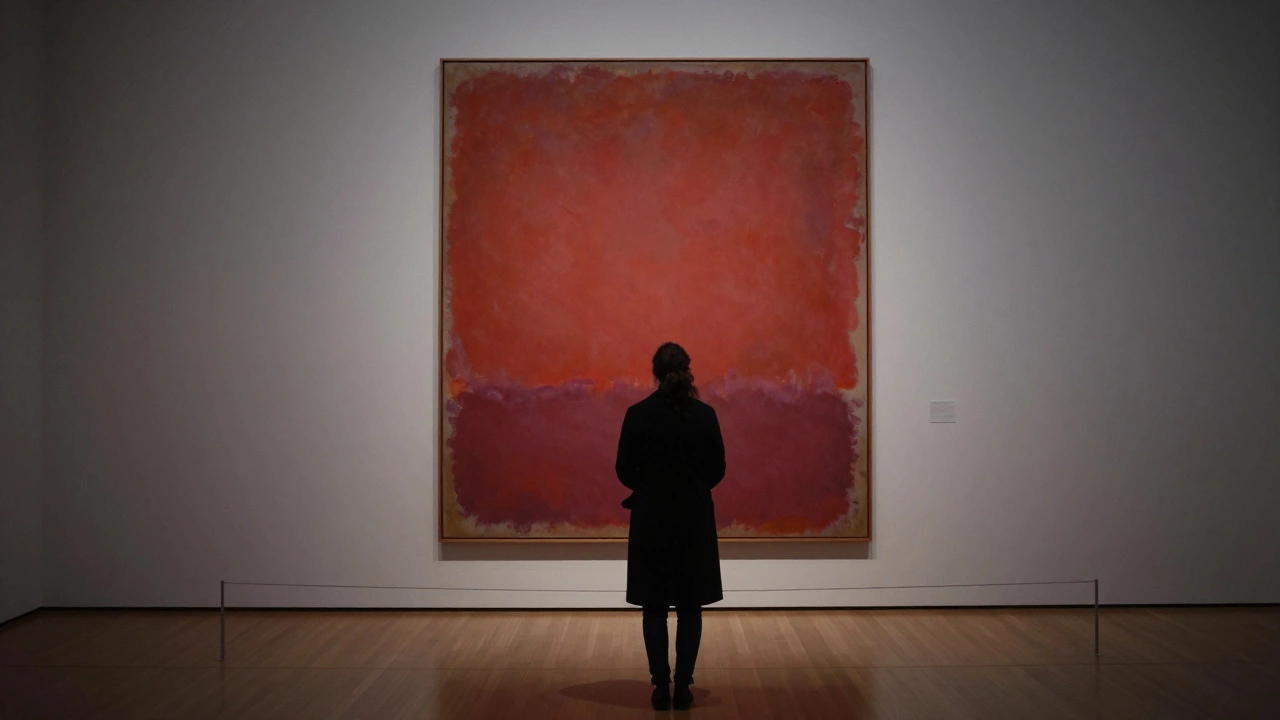
People love modern art not because it's beautiful in a traditional way, but because it speaks to raw emotion, personal truth, and the chaos of modern life. It doesn't explain-it invites you to feel.
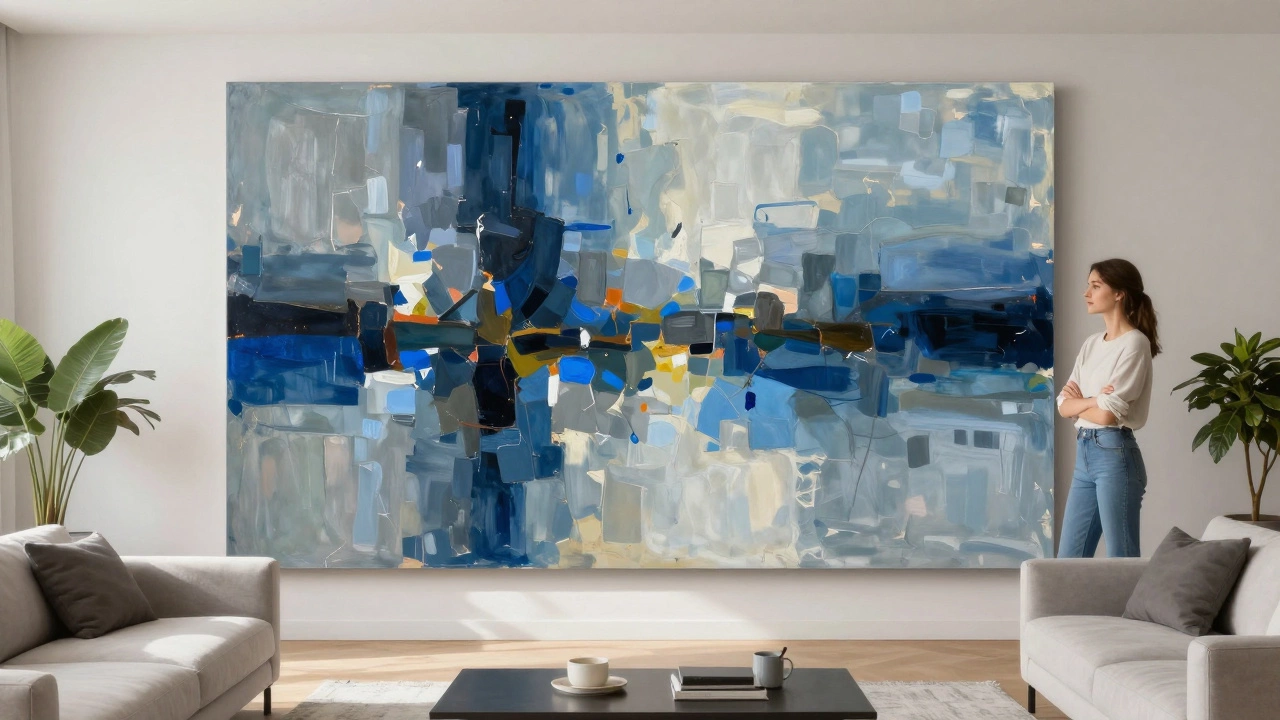
Abstract paintings sell well today-not because they're pretty, but because they connect emotionally. Learn who buys them, where they sell, and how artists are making real income without galleries.