The mystery behind the masterpiece
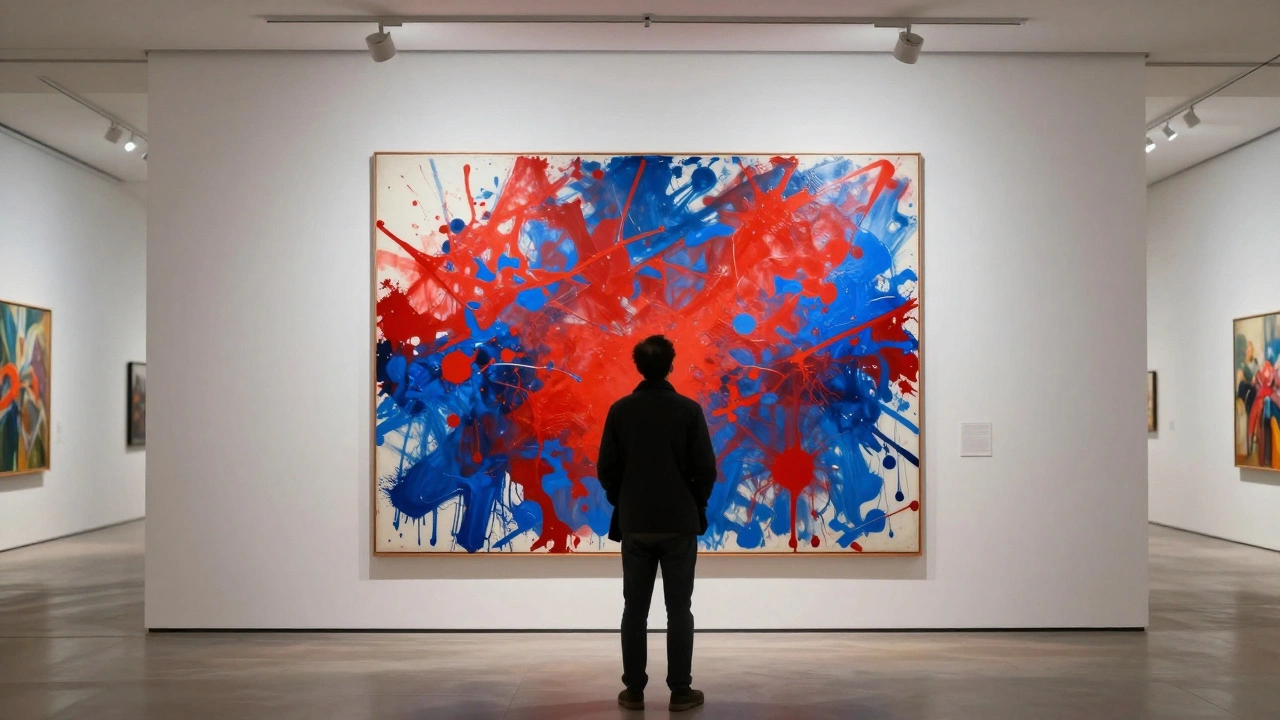
You walk into a gallery, see a canvas covered in random splashes of paint, and think, "My toddler could do that." It is a very common reaction. But there is something else going on. When people ask me why I love Modern Art, defined as the revolutionary movement beginning in the mid-1800s and ending around the 1970s, the answer isn't just about liking pretty pictures. It is about how we see the world.
Modern art was not created to be beautiful in the traditional sense. It was designed to question reality itself. If you have ever stood in front of a piece that makes you scratch your head, you are exactly where the artist wants you to be. This style of creativity emerged when the camera took over the job of capturing realistic images. Artists realized they didn't need to copy life anymore. Instead, they focused on expressing the inner life, emotions, and the abstract structures of existence.
From realism to revolution
To understand why this era captivates so many, including myself, you have to look back at what came before. For centuries, Western painting followed strict academic rules. A portrait had to look like the person. A landscape had to follow the rules of perspective. Then came the shift. The invention of photography meant painters were no longer required servants to accuracy.
This freedom sparked the rise of Impressionism, a movement starting in France during the 1860s that prioritized light and moment over detail. Suddenly, a sunset wasn't painted by its outline but by how the colors made the viewer feel. Later, in the early 20th century, Cubism, led by pioneers like Pablo Picasso, shattered objects into geometric shapes. They showed us that looking at something from different angles creates a more complete truth than a single snapshot.
- Impressionism (1860s): Captured fleeting moments of light.
- Expressionism: Distorted forms to convey raw emotion.
- Dada (1916): Mocked logic to protest World War I.
- Surrealism: Blended dreamscapes with real-world objects.
These movements taught us that art does not need to mirror the external world perfectly. It serves as a window into the artist's mind. By embracing chaos and breaking rules, modern artists forced the audience to work harder to find meaning. That engagement is addictive.
The emotional language of abstraction
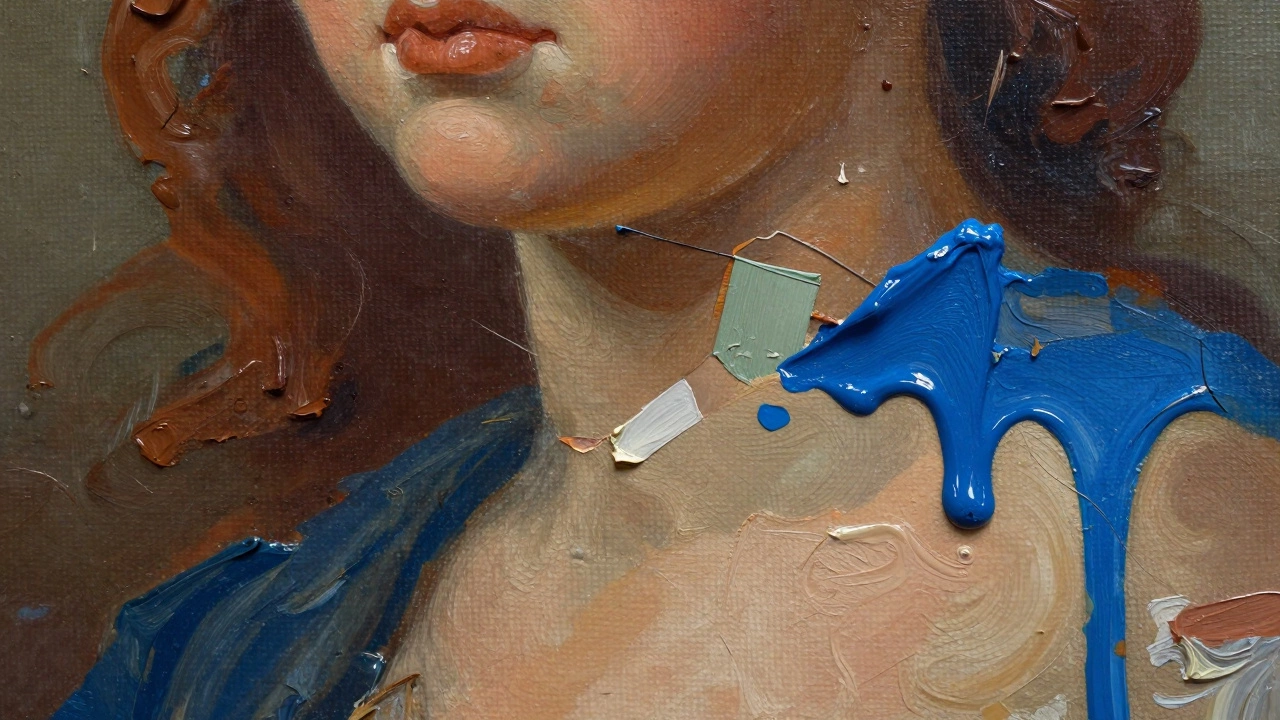
There is a unique thrill in standing before a work that demands you decode it. You might think of Jackson Pollock, an American painter whose drip technique became iconic during the 1940s and 1950s. His canvases look messy at a glance. However, if you step closer, you see rhythm, speed, and energy captured in layers of enamel paint. It feels less like a picture and more like a record of action.
This focus on the process rather than the product resonates with our own lives. We rarely produce finished masterpieces in our daily routines. We live through moments of messiness, repair, and improvisation. Modern art reflects that imperfection. It validates the feeling that things don't always need to be polished to have value. In the post-war era, many artists turned toward Abstract Expressionism, focusing entirely on subconscious expression. They removed the representational subject matter so the viewer could project their own feelings onto the space.
I recall walking through the Emily Carr Institute in Vancouver one rainy afternoon. I saw a series of local works from the mid-century. The heavy brushstrokes felt like the coastal rain hitting the city streets outside. It wasn't about drawing the street; it was about drawing the mood of the rain. That connection-where the artwork triggers a memory you didn't know you carried-is powerful. It turns the gallery visit into therapy.
Innovation in materials and medium
Beyond the concepts, I am fascinated by the technical rebellion of the time. Modern artists stopped using just oil on linen. They started using whatever the factory threw out. Pop Art, emerging in the 1950s and 60s, brought commercial imagery into the high-art sphere. Artists like Andy Warhol used silk screening to treat soup cans like religious icons. They blurred the line between fine art and consumer culture.
This experimentation changed how we consume visual media today. Think about graphic design, advertising, and fashion. They all inherited the toolkit of modernism. The flat colors, bold lines, and collage techniques found in magazines trace directly back to these experiments. By supporting this genre, we are honoring the birth of modern visual communication.
| Feature | Classical Art | Modern Art |
|---|---|---|
| Goal | Replicate reality accurately | Express subjective experience |
| Technique | Smooth blending, hidden brushwork | Vibrant textures, visible strokes |
| Subject | Historical figures, mythology | Everyday objects, pure color/forms |
| Viewer Role | Passive observer | Active interpreter |
Why it fits our chaotic world
We live in an age of information overload. Screens demand constant attention. Modern art provides a necessary counterbalance because it slows down time. You cannot scroll past a painting quickly. It forces you to stop. Standing in front of a large minimal work by Agnes Martin requires silence. It forces you to confront the quiet.
This discipline translates off the canvas. Learning to look at art trains you to notice details you usually miss. You start seeing shadows on buildings differently. You pay more attention to the way fabric folds. It wakes up your senses. It transforms the mundane commute into a gallery tour.
How to approach viewing modern art
If you want to move past the "my kid could do this" phase, try changing your method. Do not look for the image immediately. First, look at the color. Does it make your heart race or calm you down? Then look at the composition. Where does your eye travel? Finally, read the plaque to get the context, but let the feeling come first.
Context matters immensely here. Knowing that Frida Kahlo, a Mexican painter known for her portraits exploring identity and pain, often painted herself after severe health struggles, changes how you see the tears in her eyes. It stops being just a face and becomes a symbol of resilience. Understanding the artist's biography unlocks the deeper layers that a casual glance misses.
Eventually, you stop trying to "solve" the art. You accept that ambiguity is okay. Some pieces are meant to confuse. Life is confusing. The art mirrors that confusion honestly, without pretending everything has a neat ending. That honesty is why I return to it again and again. It challenges me to grow, to think differently, and to appreciate the strange beauty of not knowing exactly what something means until I spend time with it.
What exactly defines modern art?
Modern art generally covers the period from the mid-19th century (roughly 1860s) to the 1970s. It includes movements like Impressionism, Cubism, and Surrealism. It differs from contemporary art, which refers to art produced from the 1970s to the present day.
How can I learn to appreciate abstract paintings?
Start by ignoring the search for recognizable objects. Focus instead on the emotions the colors trigger. Ask yourself how the physical sensation of the brushwork feels. Read artist biographies to understand the personal or political motivations behind the lack of form.
Is modern art still relevant today?
Absolutely. Most visual media, advertising, and graphic design principles rely on the innovations established by modern artists. The concept of brand logos, layout balance, and minimalist aesthetics all stem from this era.
Who were the key leaders of the movement?
Key figures include Vincent van Gogh (Post-Impressionism), Pablo Picasso and Georges Braque (Cubism), Wassily Kandinsky (Abstraction), and Jackson Pollock (Abstract Expressionism). Each shifted the paradigm of what was considered acceptable art.
Why do some modern artworks cost millions?
Value is determined by historical significance, rarity, and provenance. Early innovators who fundamentally changed how we see the world are rare. Collectors pay for the historical impact the work had on the trajectory of culture, not just the labor involved.