Abstract Art Personality Quiz
How You Connect With Abstract Art
Discover which personality type best describes your connection to abstract art. Answer honestly to find your unique art profile.
Abstract art doesn’t shout. It doesn’t need to show you a tree, a face, or a city skyline to mean something. It’s color, shape, texture, and movement-sometimes chaotic, sometimes calm-and it asks you to feel it, not just see it. If you’ve ever stood in front of a Jackson Pollock drip painting and felt something stir inside you-even if you couldn’t explain why-you’re not alone. And you’re not weird. There’s a pattern to who connects with abstract art, and it’s not about being an art expert or having a fancy degree.
People Who Trust Their Feelings Over Facts
Abstract art doesn’t hand you a story. It doesn’t say, “This is a woman crying in the rain.” Instead, it says, “What does this blue swirl make you feel?” The people who are drawn to it aren’t looking for answers. They’re looking for resonance. They’re the ones who’ve sat through a song with no lyrics and still cried. Who’ve stared at clouds and seen animals, faces, or entire worlds. These are individuals who trust their inner experience more than external labels.
Studies from the University of London in 2023 found that people who score high on “openness to experience”-one of the Big Five personality traits-are 68% more likely to say they feel deeply moved by abstract art. Not because they understand the technique, but because they let the piece move through them. They don’t need to decode it. They just need to let it happen.
Those Who Are Comfortable With Ambiguity
Life is messy. But most of us are trained to pretend it’s not. We want clear instructions, step-by-step plans, and defined outcomes. Abstract art refuses to give you any of that. A Mark Rothko painting might be three rectangles of deep red and black. Is it about grief? Love? Silence? The answer is yes, and no, and maybe all of them at once.
People who like this kind of art aren’t frustrated by uncertainty-they’re energized by it. They’re the ones who prefer open-ended conversations over rigid debates. Who enjoy improv theater, jazz improvisation, or writing poetry without a rhyme scheme. They don’t need everything to fit neatly into a box. In fact, they find comfort in the spaces between the boxes.
Emotionally Sensitive Souls
Abstract art doesn’t hide its emotional weight. It wears it on its surface. The thick, heavy brushstrokes in a Willem de Kooning painting aren’t just technique-they’re tension. The soft, fading edges in a Agnes Martin piece aren’t just aesthetic-they’re quiet longing.
People who connect with this work often describe themselves as highly sensitive. Not in the cliché sense, but in the psychological one: they feel things more deeply, notice subtle shifts in tone or light, and absorb emotional energy from their surroundings. A 2024 fMRI study from the Max Planck Institute showed that when these individuals view abstract art, their amygdala and insula-the brain regions tied to emotional processing-light up more intensely than when they view realistic art.
It’s not that they’re sad or moody. It’s that they’re finely tuned. And abstract art speaks their language.
Creative Thinkers and Non-Conformists
Abstract art was never meant to be safe. It broke rules. It rejected realism when realism was the gold standard. Artists like Kandinsky and Mondrian didn’t just paint differently-they believed art should reflect inner truth, not outer appearance.
People who are drawn to this movement often think differently themselves. They’re the ones who rearrange their furniture just because it feels right. Who doodle in meeting notes instead of taking “proper” minutes. Who question why things have to be done one way. They don’t need to be artists to think like them. They just need to know that not everything has to make sense to be valuable.
These aren’t rebels for the sake of rebellion. They’re seekers. And abstract art gives them space to wander.
Those Who Value Inner Experience Over External Validation
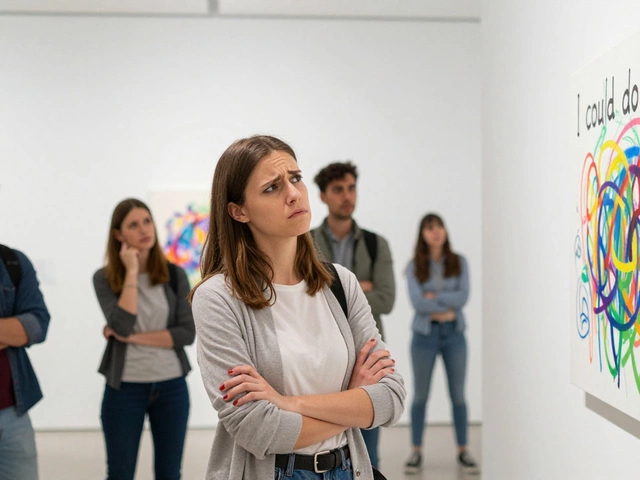
Here’s a quiet truth: abstract art doesn’t always get applause. Some people look at it and say, “My five-year-old could do that.” And maybe they’re right. But that’s not the point. The point is what happens inside the person who stands in front of it.
The people who truly love it don’t need others to understand it. They don’t post it on Instagram for likes. They don’t argue about its value. They just know. They’ve felt it. And that’s enough.
They’re the ones who read poetry alone in bed. Who listen to ambient music while staring out a window. Who keep journals filled with half-formed thoughts and don’t share them. They don’t need to prove their depth to anyone. They already live it.
It’s Not About Education-It’s About Presence
You don’t need to know the history of the Bauhaus or the philosophy of Cubism to feel something in front of a Rothko. You don’t need to have visited MoMA. You don’t need to have read a single art critic.
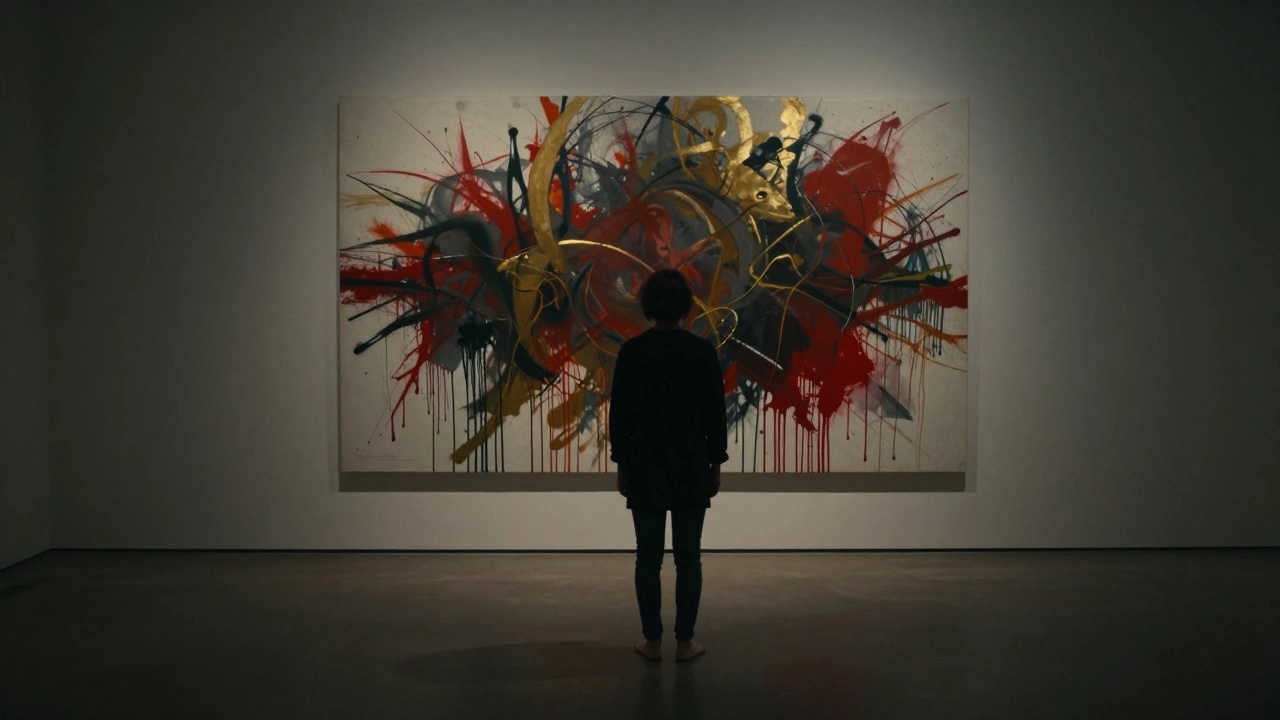
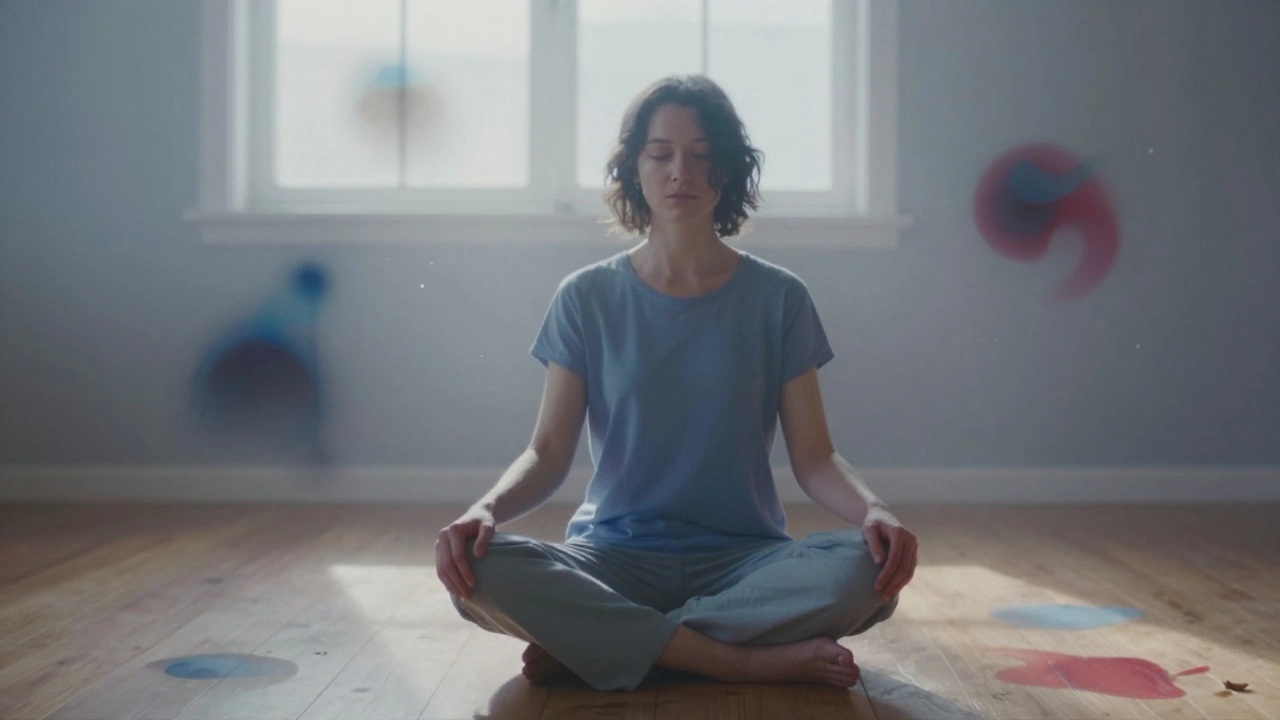
What you need is stillness. A quiet moment. The willingness to sit with something that doesn’t explain itself. To let your mind wander. To notice how your breath changes when you look at a swirl of crimson and charcoal.
That’s the real threshold. Not knowledge. Presence.
What You Might See in Yourself
If you’ve ever paused in front of an abstract painting and felt your shoulders drop, or your thoughts slow down, or a memory surface you didn’t know you were holding-you’re already one of them. You don’t need a label. But if you’re wondering why you’re drawn to it, here’s what’s likely true:
- You’re not looking for answers-you’re looking for space.
- You feel more than you speak.
- You find beauty in what’s unfinished.
- You don’t need to be understood to be seen.
- You know that some truths don’t come in words.
Abstract art doesn’t choose you because you’re smart or cultured. It chooses you because you’re awake. And that’s the only qualification you need.