Abstract Art Experiment Lab
Explore the mindset of abstract art. Use the tools below to layer colors, create textures, and experiment with composition without fear of making mistakes.
How to use: Click and drag on the canvas to paint. Switch modes above to try different techniques mentioned in the guide.
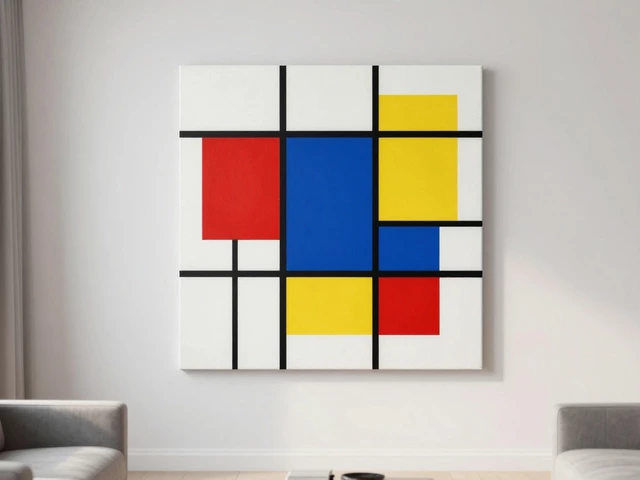
There is a specific kind of panic that hits when you stare at a blank canvas and feel like you have nothing to say. You might think you need to draw a perfect landscape or a realistic portrait to be considered an artist. But what if I told you that some of the most powerful art in history doesn’t depict anything recognizable at all? Abstract art is a style of visual art that does not attempt to represent external reality accurately, instead using shapes, colors, forms, and gestural marks to achieve its effect. It is not about breaking rules; it is about making your own.
If you are ready to stop worrying about whether your tree looks like a tree and start exploring how color makes you feel, you are in the right place. This guide will walk you through the mental shift, the materials, and the actual steps to create your first abstract piece without feeling lost.
The Mindset Shift: Letting Go of Perfection
The biggest hurdle for beginners isn't technique; it's expectation. In traditional art, we are taught to observe and replicate. In abstract art, we observe and interpret. You are not trying to capture light on a leaf; you are trying to capture the feeling of sunlight.
To start, you need to embrace "happy accidents." The famous painter Jackson Pollock was an American painter who was a major figure in the abstract expressionist movement, known for his unique drip technique. He didn't control every drop of paint with a brushstroke precision; he moved around the canvas, letting gravity and motion do part of the work. Your job as an abstract artist is to collaborate with chance, not fight it.
- Stop judging immediately: When you make a mark, don't look at it and decide if it's "good." Just keep going.
- Focus on emotion: Ask yourself, "What does this color feel like?" rather than "Does this look real?"
- Accept messiness: Abstract art often looks chaotic during the process. Trust that order will emerge from the chaos.
Gathering Your Tools: Keep It Simple
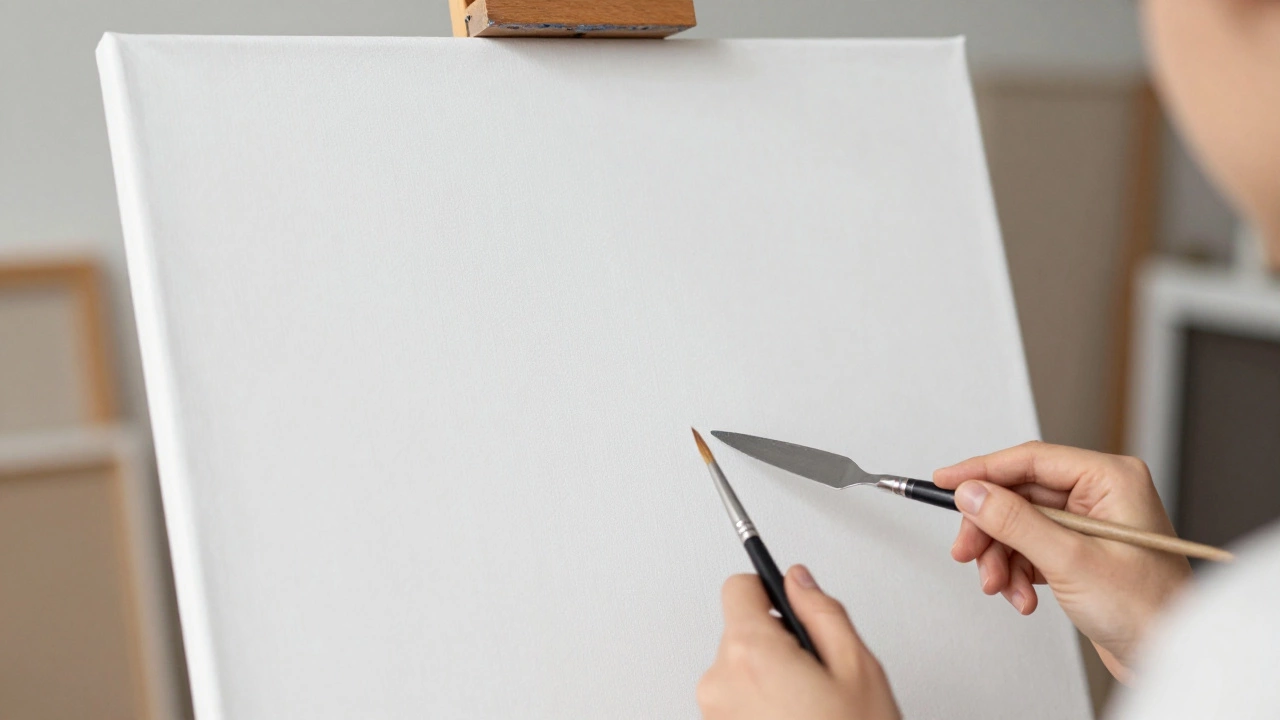
You do not need a studio full of expensive supplies to start. In fact, having too many choices can be paralyzing. For your first few pieces, stick to basics that allow for freedom and experimentation.
| Item | Why You Need It | Budget-Friendly Option |
|---|---|---|
| Canvas Panels | Sturdy surface that holds paint well | Pre-primed linen panels from craft stores |
| Acrylic Paints | Fast-drying, water-soluble, and forgiving | Basic student-grade set (e.g., Liquitex Basics) |
| Brushes | For applying paint in various textures | A mix of cheap synthetic brushes |
| Palette Knife | For mixing and scraping thick layers | A single flexible metal spatula |
| Non-Toxic Medium | To thin paint or add gloss | Water (for acrylics) or clear glue |
Acrylics are the best friend of the beginner abstract artist. They dry quickly, which means you can layer colors without waiting days. If you make a mistake, you can paint over it once it dries. Oil paints take weeks to dry and require toxic solvents, while watercolors are difficult to correct. Stick with acrylics until you find your voice.
Step-by-Step: Creating Your First Piece
Ready to make a mark? Here is a simple workflow to get you started. This method uses a technique called "layering," which builds depth and complexity.
- Prepare your surface: Ensure your canvas is clean and primed. If you want a textured background, you can mix some sand or joint compound into white gesso and spread it thinly. Let it dry completely.
- Create a base layer: Choose one or two colors that set the mood. Do you want calm blues and greens? Or energetic reds and yellows? Apply them loosely with a large brush or even your hands. Don't worry about covering everything evenly.
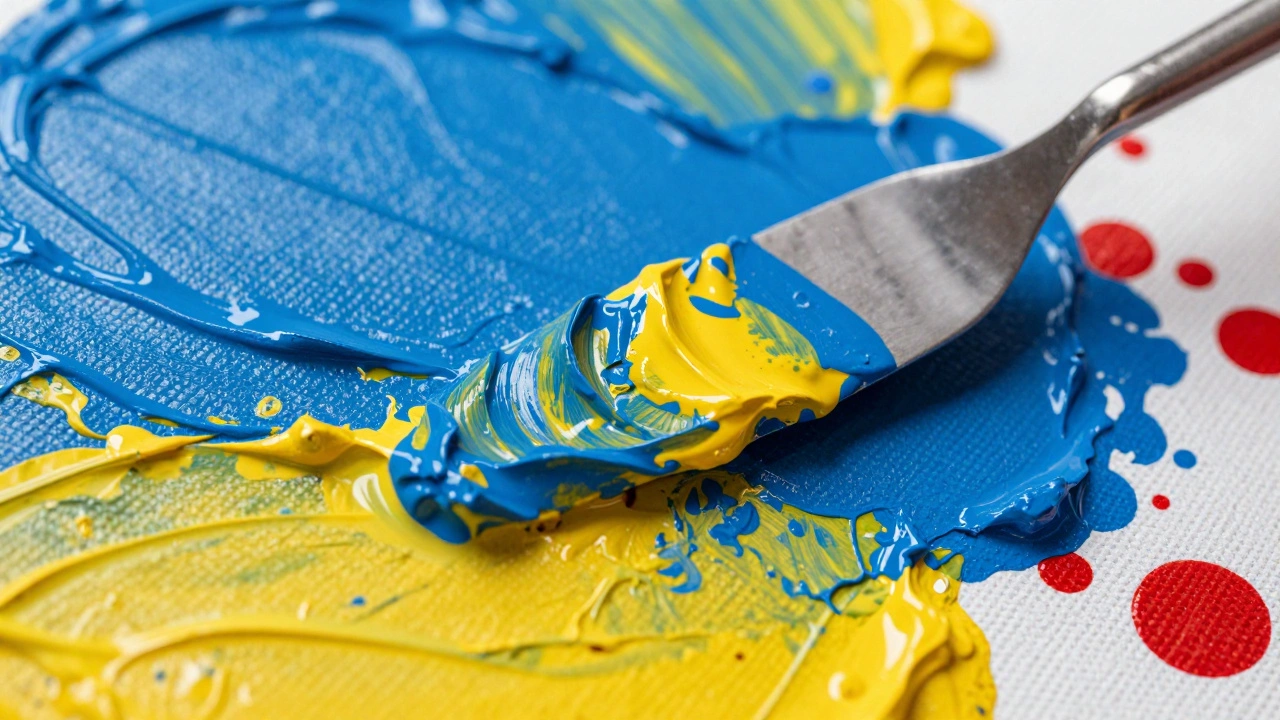
- Add texture: Once the base is slightly tacky (or fully dry), use your palette knife to scrape through the wet paint. This reveals the layers underneath and creates interesting lines and ridges.
- Build contrast: Introduce a contrasting color. If your base is dark, add bright splashes of white or yellow. Use a smaller brush or a credit card to drag the paint across the surface.
- Step back and assess: Move the canvas away from you. Look at it from three feet back. Does it feel balanced? Is there a focal point? If it feels too busy, cover parts of it with a neutral tone. If it feels empty, add more detail.
This process is iterative. You are building a conversation between the colors and shapes. There is no wrong answer, only different directions.
Techniques to Experiment With
Once you have done the basic layering, try these specific techniques to expand your vocabulary. Each one produces a different visual language.
Drip and Splatter: Inspired by Action Painting is a style of abstract art where the physical act of painting is an essential aspect of the artwork. Thin your paint with water until it's like milk. Hold the brush above the canvas and let it drip. Flick the brush to create splatters. This adds energy and spontaneity.
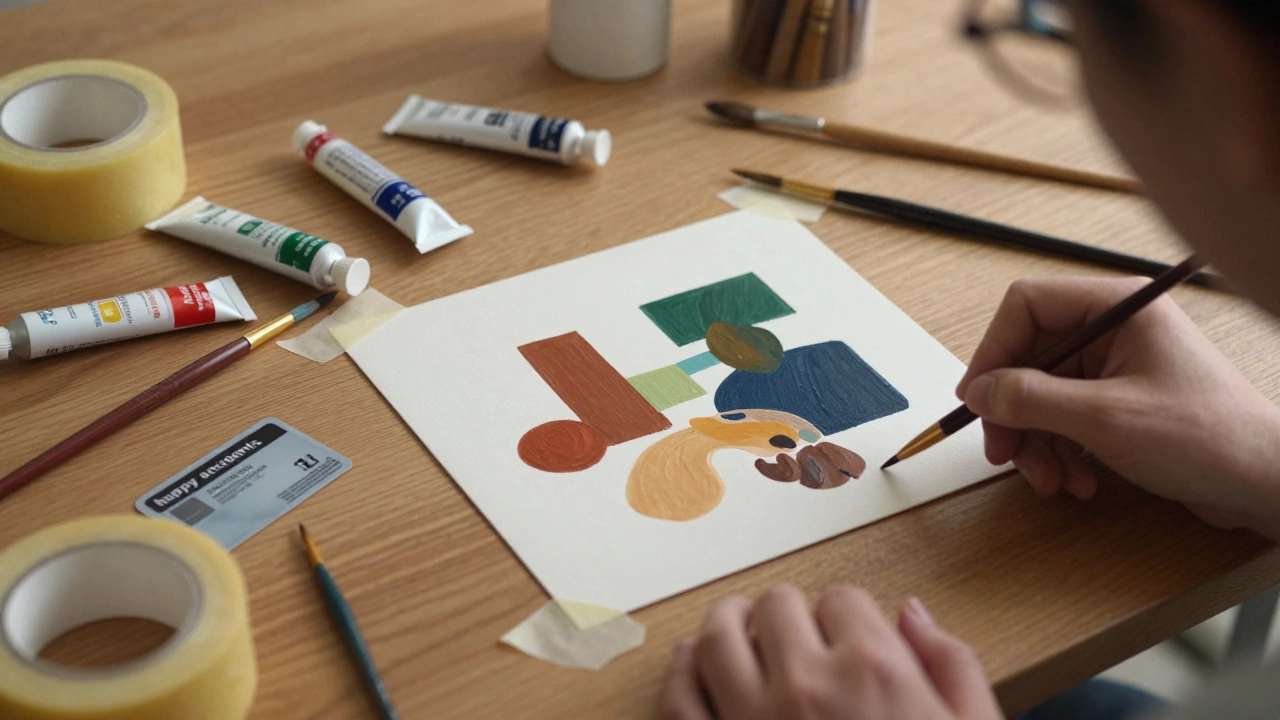
Masking: Use painter's tape or masking fluid to block off areas of your canvas. Paint over the masked area, then peel off the tape while the paint is still wet (or after it dries). This creates sharp, clean lines amidst the chaos, adding structure to your composition.
Glazing: Mix a small amount of paint with a glazing medium or water to make it transparent. Apply this thin layer over dried opaque paint. It changes the underlying color without hiding it, creating deep, luminous effects.
Finding Inspiration Without Copying
A common fear for beginners is running out of ideas. Remember, abstract art is not about inventing new concepts from scratch; it is about translating existing experiences. Look at nature, music, or architecture.
Listen to a piece of music and paint the rhythm. Is it fast and staccato? Use short, sharp strokes. Is it slow and flowing? Use long, sweeping curves. Look at a forest floor. Notice the patterns of leaves, bark, and moss. Simplify those patterns into geometric shapes or organic blobs. You are not painting the forest; you are painting the *pattern* of the forest.
Study the masters, but don't copy them. Look at the work of Wassily Kandinsky was a Russian painter and art theorist who pioneered purely abstract art. Notice how he used circles and lines to evoke musical harmony. Then, put down your reference book and ask yourself, "What shape represents my current mood?"
Common Pitfalls to Avoid
Even experienced artists stumble here. Watch out for these traps:
- Overworking: Sometimes, less is more. If you keep adding layers, the painting can become muddy and lose its impact. Know when to stop.
- Ignoring Composition: Even abstract art needs balance. Try the "rule of thirds" mentally. Place your strongest element slightly off-center to create tension and interest.
- Comparing to Others: Your first abstract piece will not look like a gallery masterpiece. That is okay. It is practice. Every master was once a beginner who made messy paintings.
Next Steps: Building a Practice
Consistency beats intensity. Instead of spending six hours once a month, spend thirty minutes three times a week. Create small studies on paper or small panels before tackling large canvases. Keep a sketchbook of color combinations you like. Over time, you will develop a personal style-a unique way of seeing and expressing the world that is entirely your own.
Do I need to know how to draw realistically to make abstract art?
No, realistic drawing skills are not required. Abstract art focuses on color, form, and emotion rather than accurate representation. In fact, not knowing how to draw realistically can sometimes help you break free from rigid conventions and explore more freely.
What is the best type of paint for beginners in abstract art?
Acrylic paint is generally recommended for beginners. It is water-soluble, easy to clean up, dries quickly, and allows for layering. Unlike oil paints, it does not require toxic solvents, and unlike watercolors, mistakes can be painted over once dry.
How do I know when my abstract painting is finished?
This is subjective, but a good rule of thumb is to step back and look at the piece from a distance. If adding more elements feels forced or clutters the composition, it is likely done. Also, trust your intuition-if you feel satisfied with the emotional impact, it is complete.
Can I use household items as tools for abstract art?
Absolutely! Many abstract artists use unconventional tools. Credit cards, sponges, rags, sticks, and even fingers can create unique textures and marks. Experimenting with different tools helps you discover new ways to apply paint and express yourself.
Is abstract art just random splashing of paint?
While spontaneity is part of abstract art, it is not purely random. Successful abstract art involves deliberate choices about color harmony, composition, texture, and balance. Even if the process feels intuitive, the artist is usually guiding the outcome through conscious decisions.