Gendered Language Evolution Checker
Select the correct modern term for each profession. This interactive demonstrates how language has evolved to become more inclusive and professional.
What is the modern, professional term for this role?
Quiz Complete!
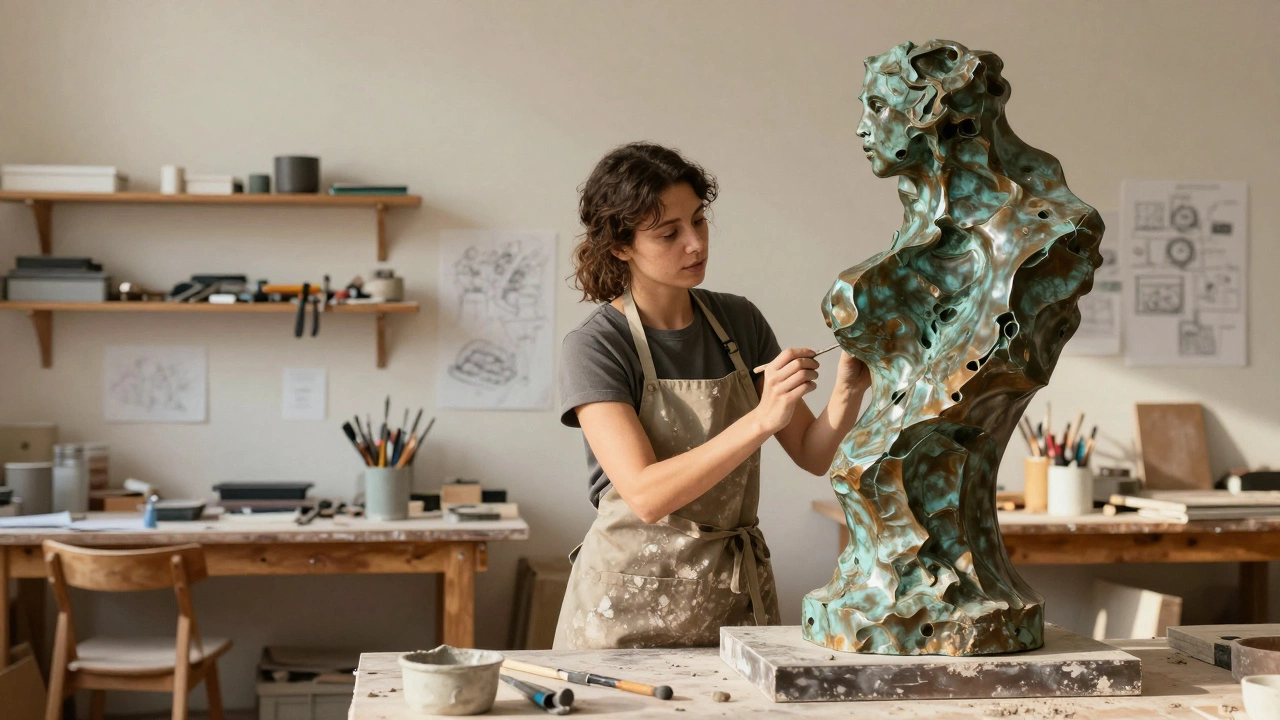
You’ve probably heard the word "sculptress" before. Maybe you saw it in an old book, a museum plaque from the early 1900s, or perhaps someone used it casually today. It sounds elegant, doesn’t it? But here is the thing: using that term today can actually signal that you are out of touch with modern professional standards. So, what do we call a woman who creates sculptures?
The short answer is simple: she is called a sculptor.
That’s it. No extra suffixes, no special feminine ending. Just like a male artist is a sculptor, a female artist is also a sculptor. While this might seem obvious now, the journey to get here involves some interesting history, shifting social norms, and a deliberate move by artists themselves to claim equal ground in the art world. Let’s break down why the language changed, who was behind it, and why sticking to neutral terms matters for how we view art today.
The History of the Word "Sculptress"
To understand why we don’t use "sculptress" anymore, we have to look at where the word came from. English has a long tradition of adding feminine suffixes to job titles. Think of words like "actress," "poetess," or "authoress." For centuries, if a woman did something, her title needed to reflect her gender explicitly. The word "sculptress" entered common usage in the late 18th and early 19th centuries. It wasn’t meant to be insulting; it was just how language worked back then. If you were a man, you were a sculptor. If you were a woman, you were a sculptress.
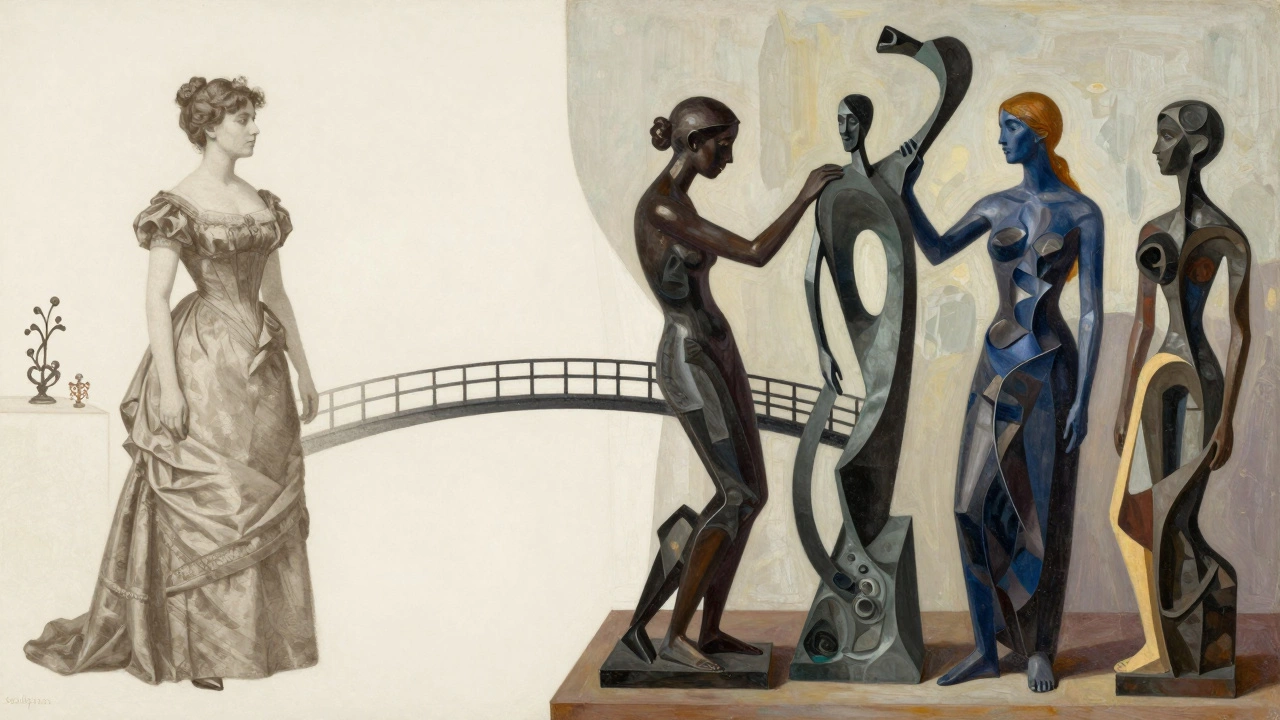
During the Victorian era, this distinction was quite rigid. Women who pursued sculpture often faced significant barriers. They were frequently excluded from life drawing classes, which were considered essential for mastering anatomy. Because they couldn’t study nude models, many female artists focused on smaller-scale works, decorative pieces, or subjects deemed "appropriate" for women, such as children, animals, or mythological figures in modest poses.
The label "sculptress" subtly reinforced these limitations. It suggested that women’s work was a separate, lesser category of art. It implied that their output was inherently different from-and often inferior to-the grand, monumental works produced by men. Over time, as women began to challenge these restrictions, they also began to challenge the labels attached to them.
Why "Sculptor" Became the Standard
The shift away from gendered job titles didn’t happen overnight. It was part of a broader cultural movement starting in the mid-20th century, accelerating through the feminist waves of the 1960s and 1970s. Activists and professionals argued that language shapes perception. If we constantly remind people of a woman’s gender through her job title, we reinforce the idea that her primary identity is her sex, not her skill or profession.
In the art world, this change was particularly powerful. Great female artists like Barbara Hepworth, a pioneering British sculptor known for her abstract forms and pierced shapes and Louise Bourgeois, a French-American artist famous for her large-scale installations and spider sculptures refused to be pigeonholed. They wanted their work judged on its merit, not on whether it fit the stereotype of "women’s art." By insisting on being called "sculptors," they aligned themselves with the entire history of the medium, claiming space alongside Michelangelo, Rodin, and Donatello.
Today, major institutions, museums, and galleries almost exclusively use "sculptor" for everyone. You won’t find the Tate Modern or the MoMA labeling their exhibitions with "sculptresses." Using the neutral term acknowledges that the craft, the materials, and the artistic vision are the same, regardless of the artist’s gender. It treats the profession with the seriousness it deserves.
Famous Women Who Defined the Field
If you are curious about the impact women have had on sculpture, looking at specific names helps clarify why the title "sculptor" is so fitting. These artists didn’t just participate in the field; they revolutionized it.
- Augusta Savage (The Black Gershwin) was a central figure in the Harlem Renaissance. Her work, including the monumental "Lift Every Voice and Sing," showcased incredible technical skill in clay and plaster, challenging racial and gender stereotypes simultaneously.
- Kiki Smith is a contemporary American artist whose work explores the human body, nature, and mythology. She uses a wide range of materials, from paper and glass to bronze, proving that female sculptors are masters of diverse mediums.
- Elaine de Kooning, while often associated with painting, also created significant sculptural works that bridged Abstract Expressionism and figurative art, demonstrating the versatility of female artists in post-war America.
- Niki de Saint Phalle created vibrant, colorful sculptures like the "Nanas," which celebrated female form and sexuality in a bold, unapologetic way, breaking away from traditional, passive representations of women in art.
Notice that none of these descriptions rely on the word "sculptress." They are defined by their style, their contributions, and their legacy. This is the power of neutral language-it allows the art to speak for itself.
Other Gendered Art Terms That Are Fading
The shift from "scultress" to "sculptor" is part of a larger trend across all creative fields. Language evolves to become more inclusive and efficient. Here are a few other examples where the feminine-specific term is largely obsolete:
| Traditional Term (Often Obsolete) | Modern Neutral Term | Context/Usage Note |
|---|---|---|
| Sculptress | Sculptor | Used for all genders today. "Sculptress" sounds archaic or patronizing. |
| Actress | Actor | "Actor" is increasingly preferred in industry awards and credits, though "actress" remains common in casual conversation. |
| Authoress / Poetess | Author / Poet | Rarely used in publishing. Suggests amateur status when applied to women. |
| Stewardess | Flight Attendant | A clear example of functional neutrality replacing gendered roles. |
| Chairwoman | Chairperson / Chair | Standard in corporate and academic settings. |
The pattern is clear: when a role becomes professionalized and respected, the gender marker often drops away. We don’t say "male nurse" unless there is a specific reason to highlight gender. Similarly, we don’t need to highlight that a sculptor is female because her gender does not determine her ability to carve marble or mold bronze.
Why Language Matters in Art Criticism
You might wonder if this is just political correctness gone too far. Is it really that important? Yes, because language frames how we value work. When critics or historians use terms like "sculptress," they often inadvertently frame the artist’s work as "different" or "other." This can lead to lower market values, fewer exhibition opportunities, and less serious critical analysis.
Consider the auction records. For decades, works by female artists sold for significantly less than those by their male counterparts, even when working in the same style and period. Part of this disparity stems from historical categorization. If a woman is labeled as a "sculptress," her work is mentally filed under a sub-category that collectors may perceive as niche or decorative rather than monumental or intellectual. By using the universal term "sculptor," we force the viewer to engage with the work on its own merits, comparing it directly to the entire canon of sculpture history.
This isn’t about erasing women’s identities. It’s about ensuring that their professional identities are not diminished by outdated linguistic habits. A woman is still a woman, but her job title should reflect her expertise, not her biology.
How to Talk About Female Artists Today
So, what should you do if you are writing about, discussing, or studying female artists? Here are some practical guidelines:
- Use "Sculptor" Always: Whether referring to Barbara Hepworth or a local artist in Vancouver, use "sculptor." It is precise, respectful, and professional.
- Avoid Diminutives: Steer clear of words like "craftswoman" or "artisan" unless the artist specifically identifies with those terms. These words can sometimes carry connotations of hobbyist activity rather than fine art.
- Focus on the Work: Instead of highlighting the artist’s gender, highlight her techniques, materials, and themes. Discuss the weight of the bronze, the texture of the clay, or the conceptual depth of the installation.
- Contextualize Historically: If you are reading old texts that use "sculptress," understand it as a historical artifact. You can quote it, but explain its context. Do not adopt it as your own voice.
This approach respects the artist’s labor and aligns with contemporary professional standards. It also makes your writing clearer and more authoritative. Readers appreciate directness. They want to know about the art, not navigate semantic minefields.
The Future of Art Terminology
Language continues to evolve. We are seeing a rise in non-binary and gender-neutral pronouns, which further complicates traditional binary job titles. However, the trend toward neutral nouns like "sculptor," "artist," and "designer" simplifies things. These terms already accommodate all genders without modification. This inclusivity is not just polite; it is practical. It removes the cognitive load of deciding which suffix to use and focuses attention on the creative act itself.
As AI tools begin to generate and curate art, the definition of "artist" is expanding again. But the core principle remains: the person creating the work is the artist. The medium defines the specialty-painter, sculptor, photographer-but the gender of the creator is irrelevant to the classification of the job.
By sticking to "sculptor," we honor the past struggles of women who fought for recognition while embracing a future where talent is the only metric that matters. It’s a small change in vocabulary, but it carries a lot of weight.
Is "sculptress" an offensive word?
It is not necessarily intended as an insult, but it is widely considered outdated and patronizing. Using it can make you appear unaware of current professional norms. It implies that women’s work is a separate, lesser category. It is safer and more respectful to always use "sculptor."
Why did women stop using the title "sculptress"?
Women artists stopped using "sculptress" because they wanted to be taken seriously as equals in the art world. The term historically marginalized their work, associating it with decorative or minor arts rather than monumental fine art. Adopting the neutral term "sculptor" allowed them to claim full membership in the profession.
Are there any other gendered art terms I should avoid?
Yes. Avoid terms like "actress" (use actor), "authoress" (use author), and "poetess" (use poet). In general, if a job title has a feminine suffix ending in -ess, check if the neutral version is preferred. For most creative professions, the neutral term is now the standard.
Do museums still use the word "sculptress"?
Major modern museums rarely use "sculptress" in new publications or labels. You might see it in historical archives or quotes from older texts, but curators and writers today use "sculptor" to describe female artists. This reflects a commitment to inclusive and accurate language.
What is the best way to refer to a female artist in a school project?
Always use "sculptor" or "artist." If you are studying historical contexts, you can mention that the term "sculptress" was used in the past, but explain why it has fallen out of favor. This shows critical thinking and awareness of social changes in the art world.