Sculpture Material & Technique Explorer
Discover the world of sculpture by exploring different materials, techniques, and historical approaches. Select a category below to learn about various sculptural methods and their characteristics.
Have you ever walked past a statue in a park or seen a twisted metal form in a modern gallery and wondered how it got there? It’s not just about carving stone. Sculpture is a three-dimensional art form that involves shaping or combining materials like stone, metal, clay, or wood to create objects of artistic value. Unlike painting, which exists on a flat surface, sculpture occupies space. You can walk around it. You can touch it (if the museum allows). It has weight, texture, and volume.
Understanding sculpture means looking beyond the final object. It’s about the process, the material, and the intention behind the form. Whether it’s an ancient Greek marble figure or a contemporary recycled plastic installation, sculpture communicates ideas through physical presence. This guide breaks down what sculpture really is, how it’s made, and why it matters in the art world today.
The Core Definition: What Makes Art "Sculpture"?
At its simplest, sculpture is any artwork created by manipulating three-dimensional forms. But that definition is too broad. If you build a house, are you a sculptor? No. The difference lies in intent and aesthetic focus. Sculpture prioritizes form, space, and material over pure utility.
There are two main ways artists approach this:
- Additive processes: Adding material to create a form. Think of modeling clay or welding metal pieces together.
- Subtractive processes: Removing material from a larger block. This includes carving stone or wood.
Most traditional sculpture falls into one of these categories. However, modern sculpture often blends both or uses entirely new methods like casting, assembling, or even digital fabrication. The key is that the artist controls the physical substance to express a concept or emotion.
Traditional vs. Modern Approaches
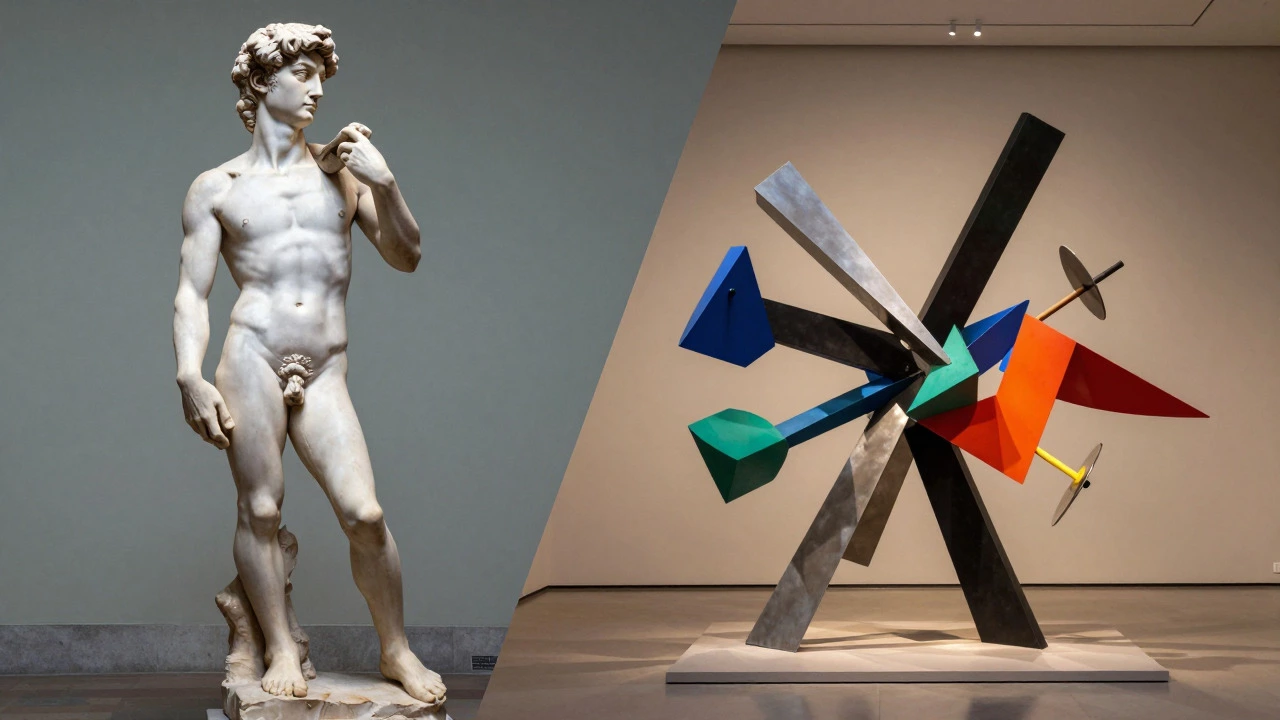
When people think of sculpture, they usually imagine classical statues-think of Michelangelo’s David or the Venus de Milo. These works follow strict rules of proportion, realism, and balance. They were often created for religious, political, or commemorative purposes.
Modern sculpture broke those rules. In the 20th century, artists began asking: “Why must sculpture look like a person?” This shift led to abstract forms, kinetic sculptures that move, and installations that transform entire rooms. For example, Alexander Calder’s mobiles introduced movement as a core element of sculpture, challenging the idea that art must be static.
| Aspect | Traditional Sculpture | Modern/Contemporary Sculpture |
|---|---|---|
| Focus | Realism, human form, symmetry | Abstraction, concept, experimentation |
| Materials | Marble, bronze, wood | Plastic, found objects, steel, light |
| Purpose | Commemoration, religion, decoration | Critique, expression, interaction |
| Viewer Role | Passive observer | Active participant (often) |
Common Materials and Their Characteristics
The choice of material defines much of a sculpture’s character. Each medium has unique properties that influence technique and final appearance.
- Marble: Durable and smooth, ideal for detailed carving. Used extensively in Ancient Greece and Renaissance Italy. Requires skillful chiseling and polishing.
- Bronze: Created through lost-wax casting. Allows for complex shapes and thin details. Highly durable for outdoor use.
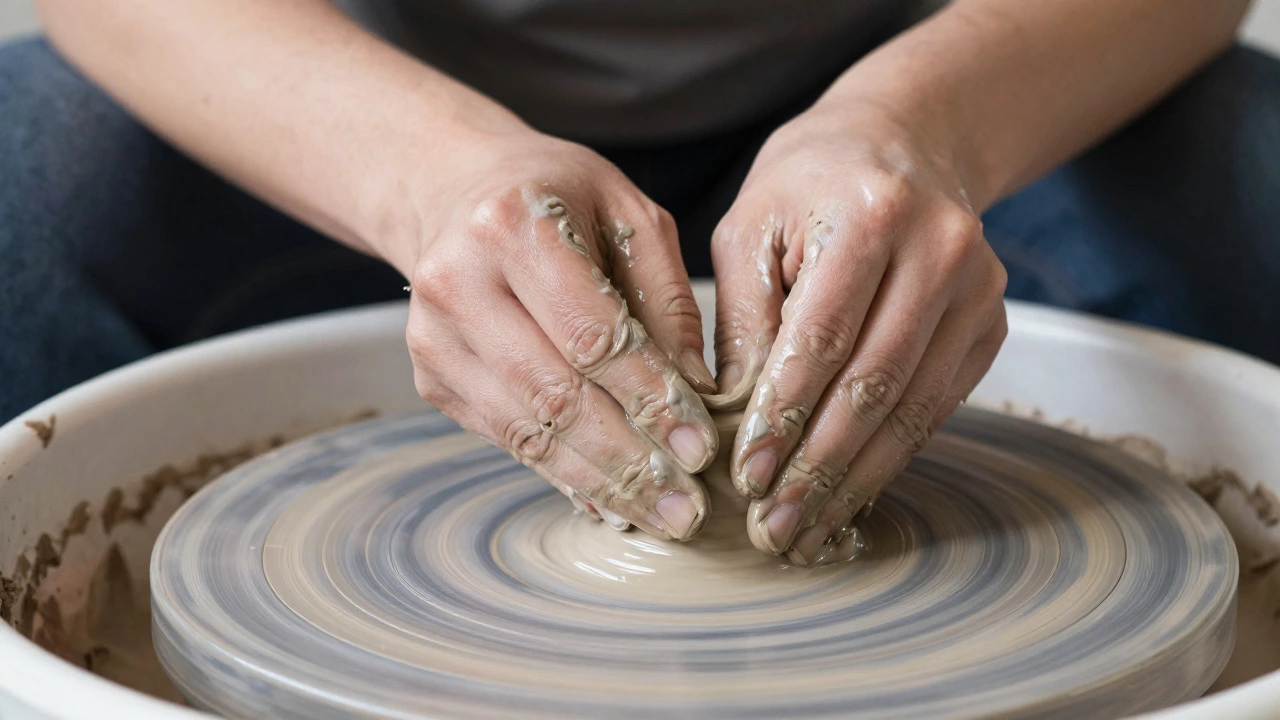
- Clay: Malleable and forgiving. Often used for preliminary models before casting in other materials. Can be fired to become ceramic.
- Wood: Warm and organic. Carving follows the grain, which adds natural texture. Common in African and Asian traditions.
- Steel/Iron: Strong and industrial. Used in large-scale public art. Welding and cutting are primary techniques.
Contemporary artists also use unconventional materials like glass, ice, fabric, or even food. These choices often carry symbolic meaning-for instance, using fragile materials to comment on impermanence.
Key Techniques in Sculpture Creation
Creating a sculpture involves several distinct methods, each requiring specific tools and skills.
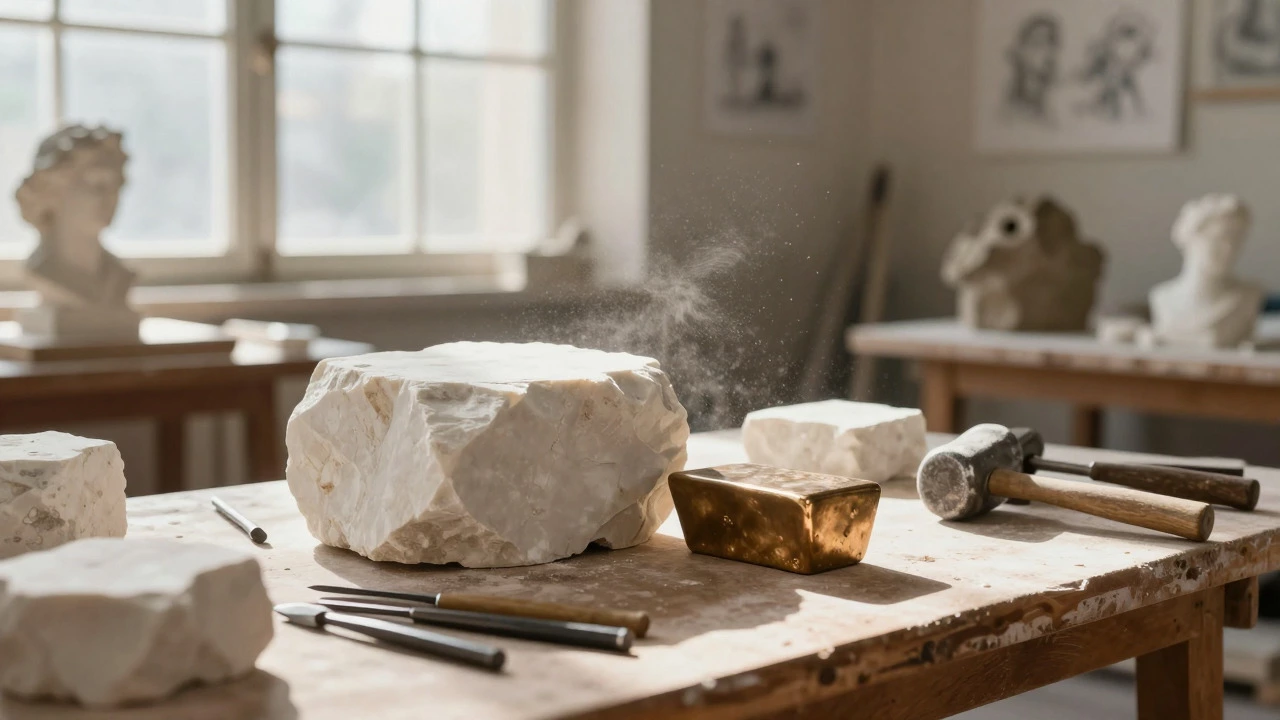
- Carving: Cutting away material from a solid block. Artists use chisels, gouges, and mallets. Mistakes are hard to fix, so planning is crucial.
- Modeling: Building up soft materials like clay or wax. More flexible than carving, allowing for easy changes during creation.
- Casting: Pouring liquid material (like molten bronze) into a mold. Enables reproduction of identical forms. The lost-wax method is the most famous historical technique.
- Assembling: Joining separate parts together. Includes welding, bolting, or gluing. Popular in modern assemblage art.
- Kinetic Design: Incorporating moving parts powered by wind, water, or motors. Requires engineering knowledge alongside artistic vision.
Many artists combine multiple techniques. For example, a sculptor might model a figure in clay, then cast it in bronze using the lost-wax process.
Famous Sculptors and Their Impact
Throughout history, certain sculptors have shaped how we understand the art form.
Michelangelo Buonarroti revolutionized Renaissance sculpture with his emphasis on anatomical accuracy and emotional intensity. His David remains a benchmark for technical mastery.
In the 20th century, Auguste Rodin moved away from perfect finish toward expressive texture. His The Thinker captures inner turmoil through muscular tension rather than polished surfaces.
Later, Louise Nevelson transformed discarded wood scraps into monumental wall sculptures, proving that everyday objects could hold profound artistic power. Her work influenced generations of assemblage artists.
Today, living sculptors like Anish Kapoor continue to push boundaries with reflective surfaces and vast scales that challenge perception.
Where to Experience Sculpture Today
You don’t need to travel to Italy or Greece to see great sculpture. Many cities feature public installations accessible to everyone. Vancouver, for example, hosts numerous outdoor sculptures along seawalls and in parks, blending art with urban life.
Museums remain essential spaces for viewing historical works. Institutions like the Metropolitan Museum of Art in New York or the Louvre in Paris house extensive collections spanning millennia. Online resources now allow virtual tours, making sculpture more accessible than ever.
If you’re interested in creating your own sculpture, start small. Try modeling with polymer clay or carving soap blocks. Local community centers often offer introductory classes that teach basic techniques safely and affordably.
Is sculpture considered fine art?
Yes, sculpture is widely recognized as a major branch of fine art, alongside painting, drawing, and printmaking. It has been valued since antiquity for its ability to convey beauty, narrative, and conceptual depth through three-dimensional form.
What is the difference between sculpture and installation art?
Sculpture typically refers to standalone three-dimensional objects, while installation art transforms an entire space or environment. Installations often involve multiple elements, including sound, light, or interactive components, and are usually site-specific.
Can anyone learn to make sculpture?
Absolutely. While professional sculptors spend years mastering techniques, beginners can start with simple materials like clay or foam. Practice, observation, and patience are more important than innate talent.
Why do some sculptures look unfinished?
An unfinished appearance can be intentional. Artists like Rodin left rough textures to emphasize energy and emotion. In contemporary art, incompleteness may symbolize process, change, or open-ended interpretation.
How is digital technology changing sculpture?
Digital tools like 3D printing, CNC milling, and virtual reality enable artists to create complex forms previously impossible by hand. They also allow for rapid prototyping and global collaboration, expanding the possibilities of sculptural practice.