Sculptural Form & Material Analyzer
Select the primary medium for your sculpture.
Adjust the size relative to the human viewer.
How much 'void' interacts with the mass?
Visual Weight
Heavy and imposing.
Emotional Tone
Balanced and neutral.
Perceived Permanence
Eternal and monumental.
Ask a sculptor what matters most, and you’ll likely get ten different answers. Some will point to the chisel marks on a marble bust. Others will talk about how a steel armature holds up a cloud of wire. But if you strip away the tools and the techniques, one element remains the non-negotiable core: form. Yet calling it just "shape" misses half the story. In sculpture, form isn’t just what’s there; it’s defined by what’s not.
Unlike painting, where you work within a fixed rectangle, sculpture exists in three dimensions. This means every choice you make creates a relationship between the object and the air around it. The most important thing in sculpture isn't a single ingredient like clay or bronze. It is the dynamic tension between mass and void, texture and surface, and the physical reality of the material versus the illusion it creates.
The Core: Form and Negative Space
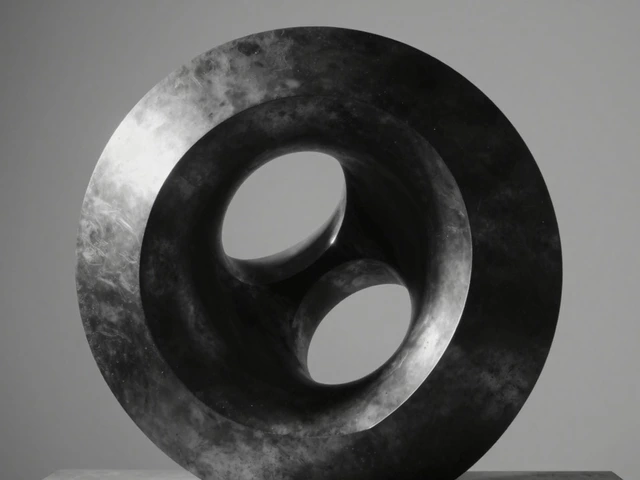
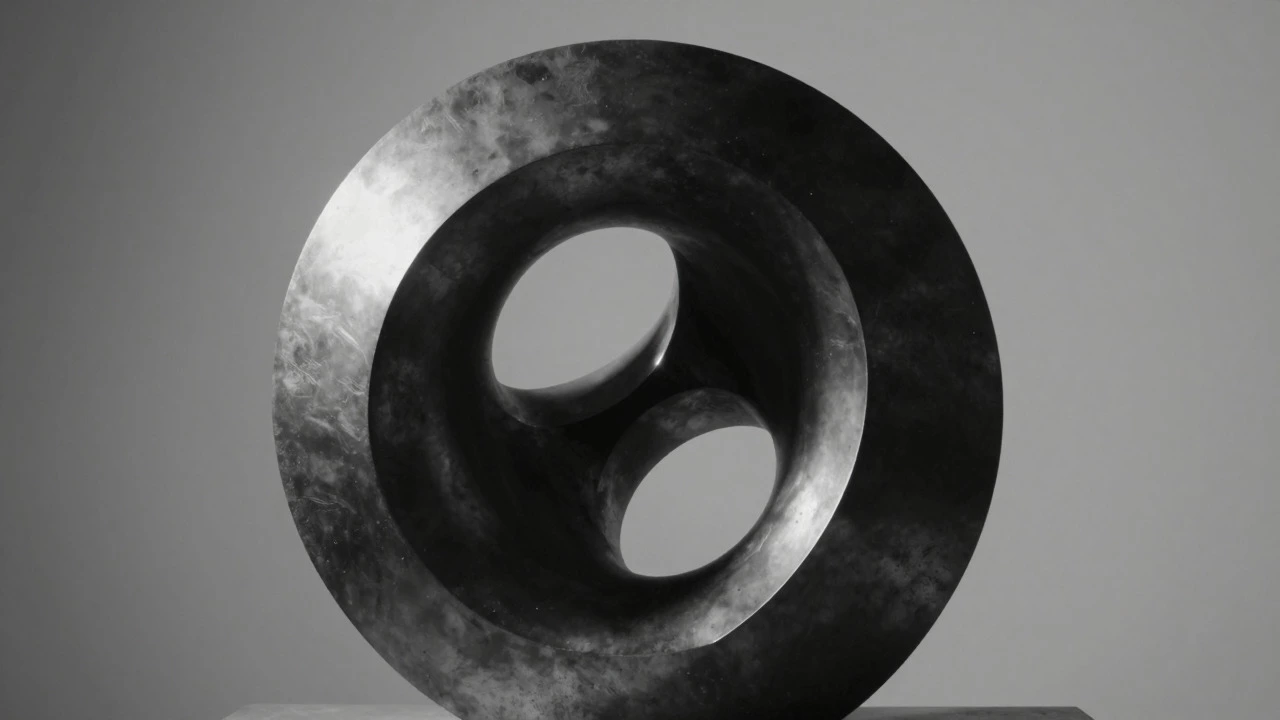
When we talk about form in sculpture, we are talking about volume. But volume doesn't exist in a vacuum. To understand why form is the central pillar of the discipline, you have to look at negative space. Negative space is the empty area surrounding and between the parts of your subject. In a two-dimensional drawing, it's just background. In sculpture, it is an active participant.
Consider a simple spiral staircase. The stairs themselves are positive space. The gaps between the steps, where light passes through, are negative space. If those gaps were filled in, you’d have a solid block of concrete. You wouldn’t recognize it as a staircase anymore. The meaning of the object relies entirely on the emptiness cutting through the mass.
- Positive Space: The physical matter of the sculpture (stone, metal, wood).
- Negative Space: The air or environment that interacts with the matter.
- Interaction: How light hits the positive space and casts shadows into the negative space.
This interaction is what gives sculpture its depth. A flat relief might have form, but a fully realized three-dimensional piece requires the viewer to move around it. As you walk past a statue, the negative spaces change shape. They open up, close down, and reveal new angles. This temporal aspect-how the form changes over time as you move-is unique to sculptural art.
Materiality: The Truth of the Object
If form is the skeleton, material is the skin. In sculpture, the choice of material is never arbitrary. It dictates the scale, the durability, and the emotional weight of the piece. This concept is known as materiality.
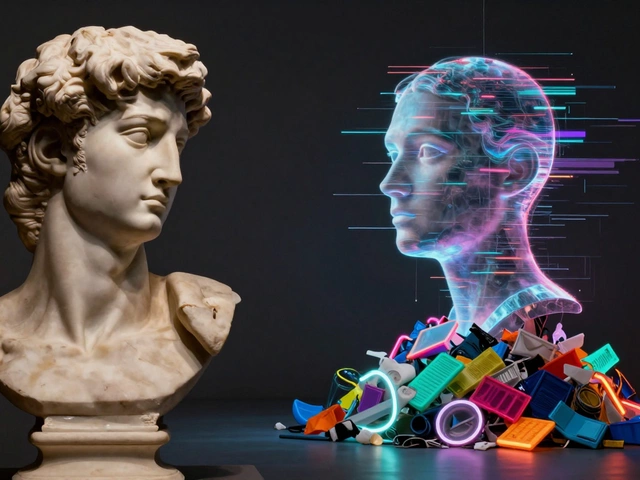
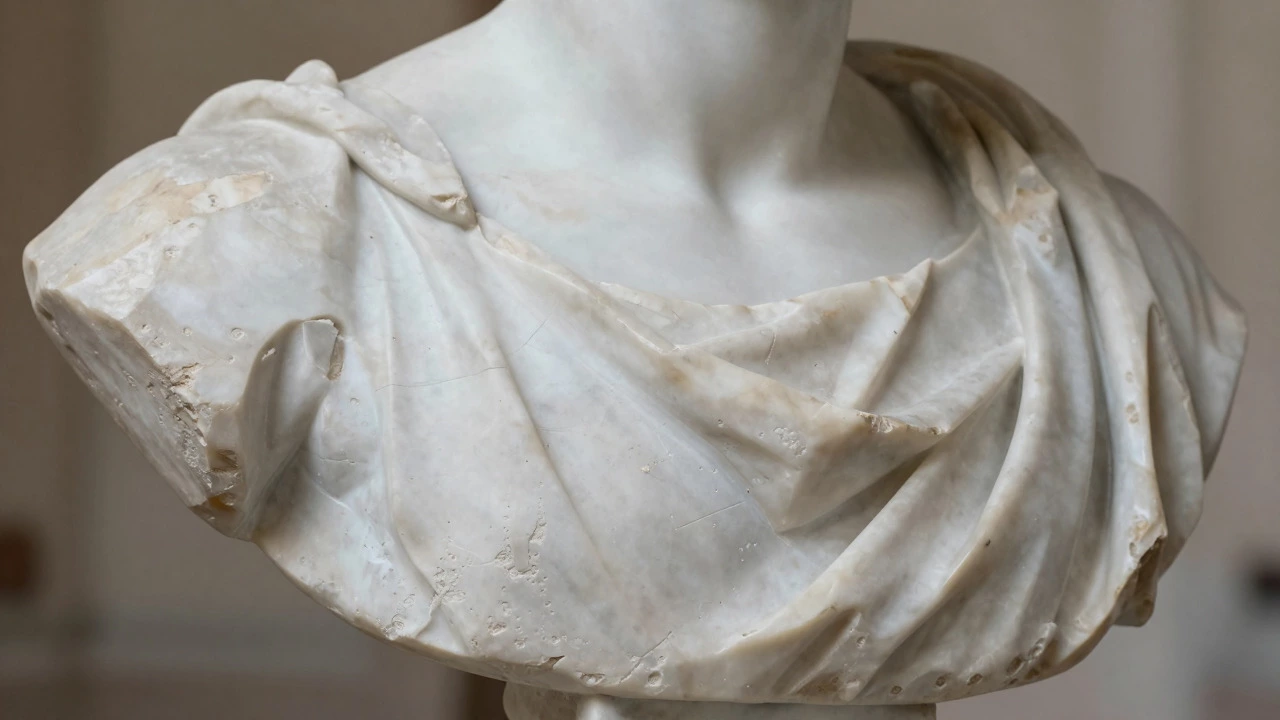
Take marble, for example. It is cool, heavy, and opaque. When Michelangelo carved his Davide, he didn't just carve a man; he carved the stone itself. The smoothness of the skin contrasts with the rougher, unfinished sections of the drapery, suggesting that the figure was emerging from the rock. The material tells the story. If you made that same David out of wax, it would feel fragile and temporary. The marble makes it feel eternal.
Conversely, modern sculptors often use industrial materials. Steel, glass, and plastic carry their own cultural baggage. A sculpture made of twisted car doors speaks to consumerism and accident. One made of recycled plastic bottles speaks to environmental waste. The material carries a narrative weight that pure geometry cannot achieve alone.
| Material | Primary Attribute | Visual Effect | Common Use Case |
|---|---|---|---|
| Marble | Hard, Opaque | Classical, Permanent, Smooth | Figurative statues, Monuments |
| Bronze | Malleable, Durable | Warm tones, Patina, Strong lines | Public monuments, Detailed figures |
| Steel | Rigid, Industrial | Sharp, Modern, Reflective or Rusty | Abstract forms, Large-scale installations |
| Clay | Soft, Organic | Tactile, Imperfect, Warm | Maquettes, Hand-built forms, Ceramics |
Understanding materiality helps you evaluate a piece beyond its shape. Ask yourself: Does this material support the idea? A delicate, floating paper sculpture feels wrong if it’s meant to represent industrial strength. The mismatch breaks the immersion. When the material aligns with the intent, the sculpture feels inevitable.
Scale and Proportion
Once you have your form and your material, you have to decide how big it should be. Scale is the relationship between the size of the sculpture and the human body or the surrounding environment. This is where many beginners stumble. They create a perfect miniature, but when they try to scale it up, it looks clumsy. Or they make something huge, but it feels oppressive rather than majestic.
Proportion refers to the ratios within the sculpture itself. Is the head too large for the body? Are the legs too short? These internal ratios determine whether the figure feels natural or stylized. But external scale determines how the viewer relates to the work.
- Lifesize: Intended to mirror human dimensions. Creates intimacy and identification.
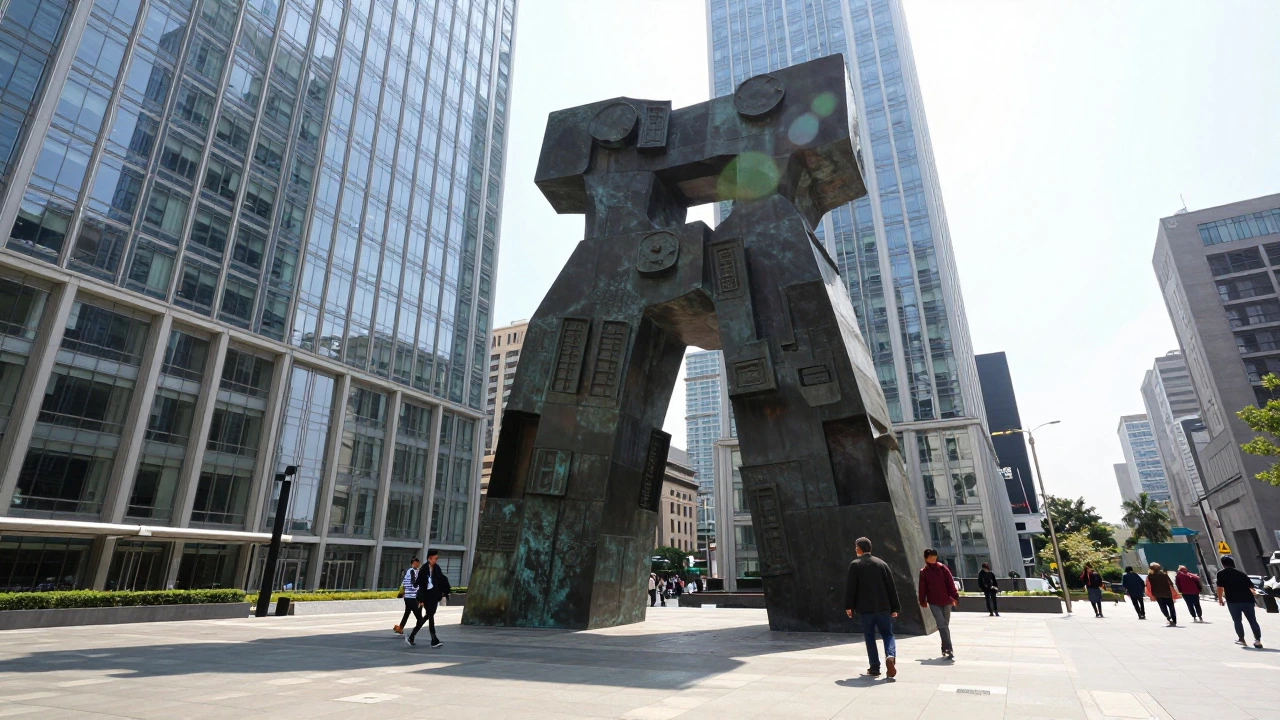
- Oversized: Larger than life. Implies power, divinity, or monumentality.
- Miniature: Smaller than life. Invites inspection, fragility, or playfulness.
A lifesize sculpture invites you to stand next to it. You can touch it (if allowed) and compare your height to its. An oversized sculpture forces you to look up. It dominates the space. This psychological impact is a tool. Artists use scale to manipulate emotion without changing the actual design of the form.
Texture and Surface Treatment
Even if two sculptures have the exact same silhouette, they can feel completely different based on their surface. Texture is the visual and tactile quality of the surface. In sculpture, texture serves two purposes: it adds visual interest and it enhances the play of light.
Smooth surfaces reflect light uniformly. They look sleek and modern. Rough surfaces scatter light. They look organic and raw. A sculptor might sand one side of a stone block perfectly smooth while leaving the other side covered in chisel marks. This contrast draws the eye. It creates a rhythm across the surface.
Surface treatment also affects perception of distance. Rough textures tend to appear closer because they catch more detail. Smooth textures can recede. By varying the texture, a sculptor can create depth even in a relatively flat relief. This is a technique used heavily in architectural ornamentation, where deep carving is expensive, so artists rely on subtle surface variations to create the illusion of depth.
Artistic Intent and Context
Form, space, material, scale, and texture are technical elements. But what ties them together is intent. Why did the artist choose this specific arrangement? What are they trying to say? Without intent, a sculpture is just a shaped object. With intent, it becomes a statement.
Context plays a huge role here. A sculpture placed in a quiet garden has a different function than one placed in a busy city square. The context dictates how much attention the piece needs to grab. A complex, detailed statue works well in a museum gallery where people stop to look. A simple, bold abstract form works better in a public plaza where people are walking past quickly.
Intent also guides the viewer’s interpretation. If the artist wants to evoke sadness, they might use drooping forms, cool colors (if painted), and soft materials. If they want to evoke energy, they might use sharp angles, bright finishes, and rigid metals. The technical choices are all in service of the message.
Frequently Asked Questions
Is negative space really part of the sculpture?
Yes. In three-dimensional art, negative space is considered an active element. It defines the boundaries of the positive form. Without the empty space around and between the parts, the shape would lose its definition and readability. Light and shadow interact with this space to create the final visual effect.
What is the difference between form and shape?
Shape is two-dimensional (height and width), like a circle drawn on paper. Form is three-dimensional (height, width, and depth). In sculpture, form implies volume and mass. You can rotate a form and see different sides; you cannot rotate a shape without it flipping or disappearing.
Why does material matter more in sculpture than in painting?
In painting, the canvas is usually neutral and uniform. The paint covers the surface completely. In sculpture, the material is the medium itself. Its weight, color, texture, and durability are visible and integral to the piece. You cannot hide the fact that a statue is made of stone; the stone is the subject's skin.
How does scale affect the viewer's emotion?
Scale manipulates perspective. Oversized sculptures can feel intimidating or divine, forcing the viewer to look up. Lifesize sculptures create a sense of equality and intimacy. Miniatures invite curiosity and careful inspection. The size relative to the human body triggers specific psychological responses tied to our understanding of power and vulnerability.
Can abstract sculpture have clear intent?
Yes. Abstract sculpture may not depict recognizable objects, but it still communicates ideas through form, balance, and tension. A twisting steel rod might convey chaos or movement. A balanced stone stack might convey stability or peace. The intent is conveyed through the relationships between the elements rather than literal representation.