Portrait Commission Cost & Timeline Estimator
Estimated Price Range
Why this price?
It is easy to assume that the camera killed the painter. After all, why spend weeks and thousands of dollars on an artist to capture your face when you can snap a photo instantly for free? Yet, walk through any major art gallery or browse high-end social media feeds in 2026, and you will see something surprising: portrait painters are not just alive; they are thriving in ways their predecessors never imagined.
The question "Do portrait painters still exist?" usually comes from a place of genuine curiosity about whether this ancient craft has vanished into obscurity. The short answer is yes. But the longer answer reveals a fascinating shift in how we value human connection, legacy, and visual identity in a digital-first world.
The Shift From Utility to Legacy
To understand why portrait painters still exist, we have to look at what they actually do today. In the 19th century, a portrait was often a necessity. It was the only record of a person’s existence for future generations. Today, utility is dead. We have terabytes of photos. So, why commission a painting?
The modern portrait painter operates in the realm of legacy and emotional resonance. A photograph captures a moment; a painting interprets a soul. When you hire a contemporary artist, you are not buying documentation. You are buying a curated version of reality. Artists like Kehinde Wiley, known for reimagining classical European portraiture with contemporary Black subjects or Amy Sillman, who blends abstract expressionism with figurative elements, show that portraiture is now about narrative, not just likeness.
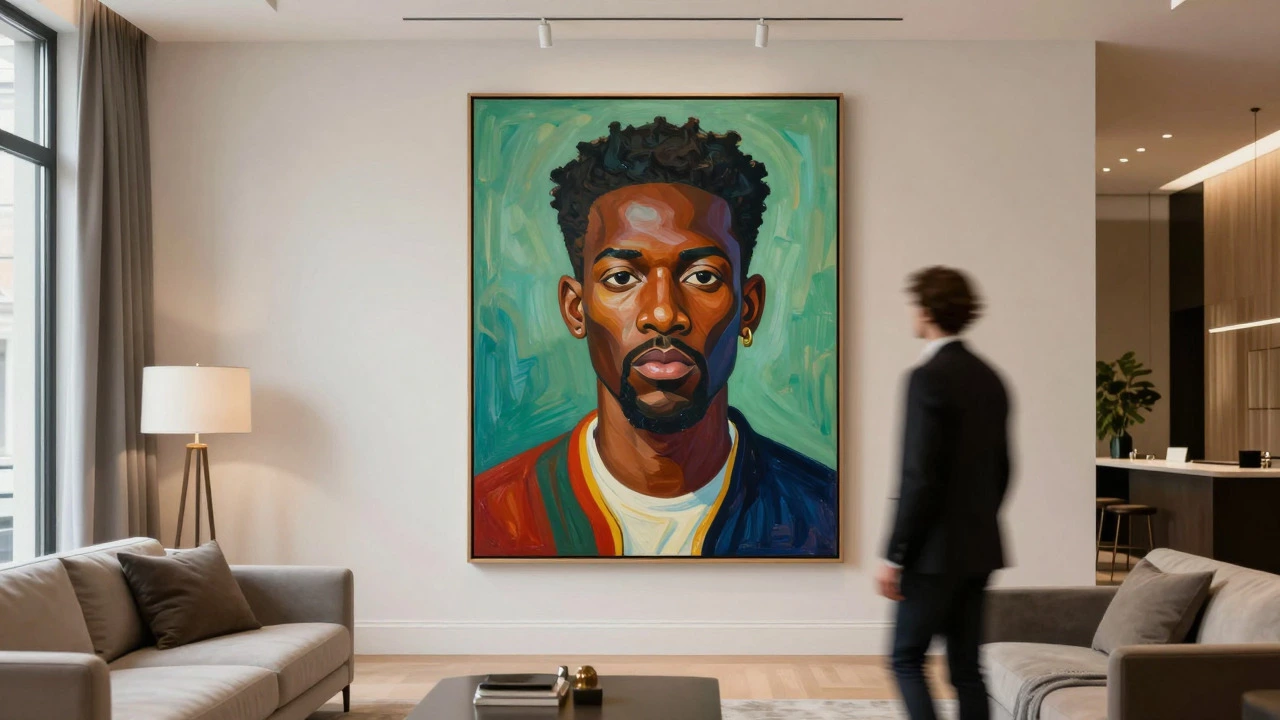
For private clients, this means a painted portrait carries weight. It hangs in living rooms, corporate lobbies, and family halls as a statement of values. It suggests that someone was important enough to warrant the slow, deliberate hand of an artist. This psychological value keeps the demand steady among high-net-worth individuals, families preserving heritage, and businesses wanting to humanize their brand.
Where to Find Living Portrait Painters
If you want to find a portrait painter today, you won’t look in the yellow pages. The ecosystem has moved entirely online and into niche communities. Here is where the work is happening:
- Social Media Platforms: Instagram and TikTok are the primary portfolios for working artists. Hashtags like #PortraitPainting and #OilPortrait connect creators directly with clients. An artist in Vancouver might find a client in Tokyo because their process video went viral.
- Commission Marketplaces: Websites like Etsy, Society6, and specialized platforms like Fine Art America allow artists to list services. While these often feature lower-priced works, they provide a steady stream of commissions for hobbyists and semi-professionals.
- Galleries and Auctions: High-end portrait painters sell through traditional galleries. Names like John Singer Sargent dominate auction records, but living artists also command significant prices here. This tier is less about "getting a picture of yourself" and more about acquiring art by a master figure painter.
- Art Schools and Workshops: Institutions like the Royal Academy of Arts in London or the Art Students League in New York continue to train students in figurative techniques. These graduates enter the market with rigorous training in anatomy, light, and color theory.
The barrier to entry has lowered, but the barrier to success remains high. Standing out requires not just technical skill, but a distinct voice. A generic likeness sells poorly; a stylized interpretation sells well.
The Rise of Neo-Realism and Hyper-Realism
One of the most visible trends keeping portrait painters relevant is the resurgence of hyper-realism. Artists like Chuck Close (late) and current practitioners like Richard Prince or Lorna Simpson push the boundaries of what paint can achieve.
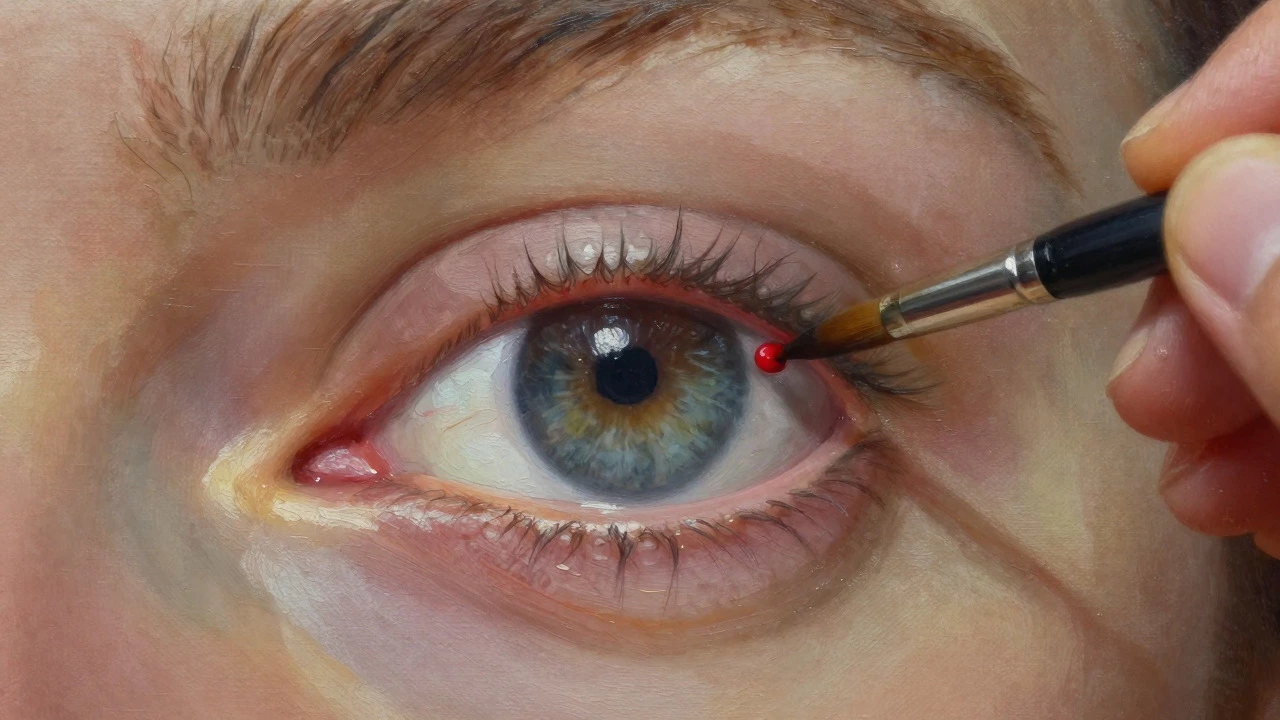
Hyper-realistic portraits challenge the viewer. They force us to question our perception. Is it a photo? No, it’s oil on canvas. This intellectual engagement adds value. Collectors love the tension between the medium and the message. For the average person, seeing a painting that looks exactly like a photograph but costs ten times as much creates a sense of awe that supports the artist’s livelihood.
This style requires immense patience. A single eye might take days to perfect. The time investment alone justifies the price tag for many buyers. It transforms the portrait from a commodity into a luxury good.
How Technology Changed the Game
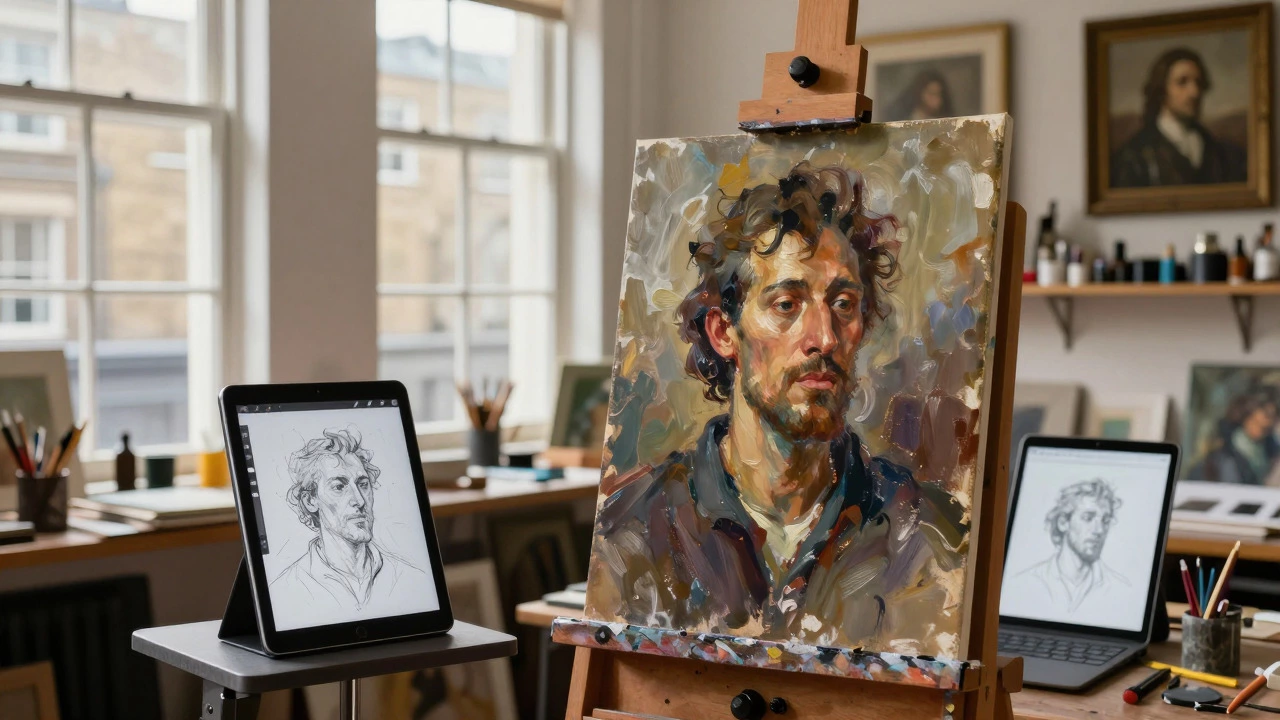
Digital tools have not replaced portrait painters; they have armed them. Most contemporary artists use a hybrid workflow. They might start with a digital sketch using Procreate on an iPad or Adobe Photoshop to get the composition right. Then, they transfer that image to canvas using projection or grid methods before applying physical paint.
This efficiency allows artists to produce more work without sacrificing quality. It also lowers the risk for clients. You can approve the digital draft before the expensive oils go down. This transparency builds trust and reduces disputes over likeness accuracy.
Furthermore, AI image generators like Midjourney or DALL-E have created a new category: "AI-assisted portraiture." Some artists use AI to generate base images, which they then paint over or refine. Purists argue this dilutes the craft, but pragmatists see it as another tool in the box. The key is disclosure. Ethical artists tell clients if AI was involved in the process.
| Type | Average Cost (USD) | Turnaround Time | Best For |
|---|---|---|---|
| Acrylic Sketch | $150 - $400 | 1-2 weeks | Pet owners, casual gifts |
| Traditional Oil Portrait | $800 - $3,000+ | 1-3 months | Family legacies, formal events |
| Hyper-Realistic Detail | $2,000 - $10,000+ | 3-6 months | Collectors, corporate headquarters |
| Digital Illustration | $100 - $500 | 3-7 days | Social media avatars, quick decor |
Who Buys Portraits Today?
The clientele for portrait painters has diversified. It is no longer just kings and aristocrats. Here are the main groups driving demand in 2026:
- Families Preserving History: Grandparents commissioning paintings of grandchildren, or couples creating wedding portraits that feel timeless rather than photographic.
- Corporate Leaders: CEOs and founders ordering executive portraits for office walls. These need to convey authority, approachability, and brand alignment. A stiff photo feels cold; a warm painting feels inviting.
- Mourning Families: Memorial portraits remain a sensitive but steady market. People want to honor loved ones with something tangible and enduring, distinct from the fleeting nature of digital files.
- Self-Promoters: Musicians, authors, and influencers commission stylized portraits for album covers, book jackets, or personal branding. Think of Beyoncé’s *Renaissance* era imagery-it blends photography, painting, and digital art seamlessly.
Each group has different needs. A grieving family wants accuracy and tenderness. A tech CEO wants innovation and energy. Understanding these nuances is what separates a successful portrait painter from a struggling one.
Challenges Facing Modern Portrait Painters
Despite the demand, the life of a portrait painter is not easy. Several challenges persist:
Price Sensitivity: Many people undervalue artistic labor. They compare a $1,000 oil portrait to a $0 smartphone photo. Educating clients on the hours spent mixing colors, studying anatomy, and refining details is part of the job.
Likeness Disputes: Getting a face "right" is subjective. One person thinks the nose is too big; another thinks it’s perfect. Successful painters manage expectations early, using reference photos and iterative feedback loops.
Competition from Digital Art: Digital illustrators can produce polished results faster and cheaper. Traditional painters must emphasize the texture, depth, and permanence of physical media to justify their premium pricing.
How to Commission a Portrait in 2026
If you are considering hiring a portrait painter, here is a practical guide to ensure a smooth experience:
- Define Your Goal: Are you looking for realism, impressionism, or caricature? Know what style resonates with you before reaching out.
- Check Portfolios: Look for consistency. Does the artist handle skin tones well? Do their eyes look alive? Avoid artists whose work looks flat or muddy.
- Ask About Process: How many sittings are required? Will they work from photos or live models? What materials do they use? Archival quality matters if you want the piece to last decades.
- Discuss Pricing Upfront: Get a written agreement detailing the cost, payment schedule, and revision policy. Never pay 100% upfront. A common structure is 50% deposit, 50% upon completion.
- Provide Good References: If working from photos, give the artist high-resolution, well-lit images. Multiple angles help. Poor lighting leads to poor paintings, regardless of talent.
The Future of the Craft
Will portrait painters disappear? Unlikely. As long as humans crave connection and meaning, there will be a market for handmade representations of ourselves. Technology may change the tools, but it cannot replicate the intentionality behind a brushstroke.
In fact, the scarcity of attention in our digital age makes physical art more valuable. A painting demands presence. It asks you to stop scrolling and look. That act of looking is rare, precious, and worth paying for.
So, do portrait painters still exist? Yes. And they are more essential than ever in reminding us that we are more than pixels on a screen.
How much does a custom oil portrait cost?
Prices vary widely based on size, detail, and artist reputation. A small acrylic portrait might cost $150-$400, while a large, detailed oil portrait by an established artist can range from $1,000 to $5,000 or more. Hyper-realistic pieces often exceed $10,000 due to the hundreds of hours involved.
Can I get a portrait painted from a photo?
Yes, most portrait painters work from photographs. However, providing multiple high-quality, well-lit photos helps the artist capture accurate features and expressions. Live sittings are preferred by some artists for capturing subtle nuances, but photos are standard for remote commissions.
How long does it take to paint a portrait?
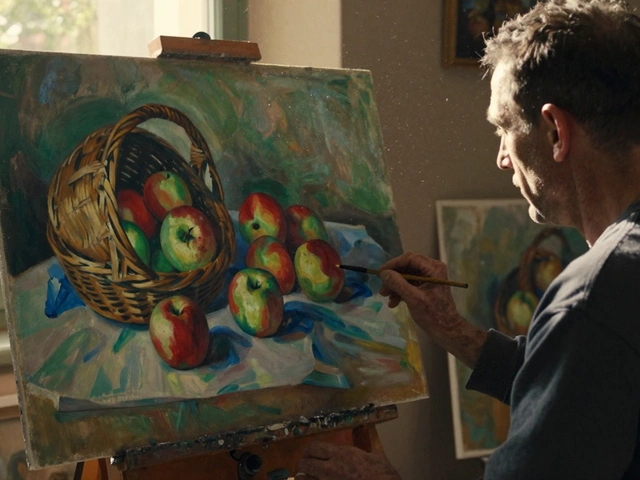
Timeline depends on the medium and complexity. Acrylics dry quickly, so a simple portrait might take 1-2 weeks. Oils require drying time between layers, so a traditional oil portrait often takes 1-3 months. Hyper-realistic works can take 3-6 months or longer.
Are portrait painters making money in 2026?
Successful portrait painters can earn a comfortable living, especially those who build strong online brands and specialize in niches like corporate executives or memorial art. However, income varies greatly. Many artists supplement their income with teaching, workshops, or selling prints.
What is the difference between a portrait painter and a digital illustrator?
A portrait painter uses physical media like oil, acrylic, or watercolor on canvas or paper, creating a unique, tactile object. A digital illustrator creates art on a computer or tablet, resulting in a file that can be printed infinitely. Paintings generally hold higher resale value and are seen as more exclusive.
Should I buy a portrait from an online marketplace or a gallery?
Online marketplaces like Etsy offer affordable options and direct access to emerging artists. Galleries provide vetted, high-end works with provenance and professional framing advice. Choose based on your budget and the intended purpose of the artwork.