Portrait Essence Analyzer
Does an image without a visible face still count as a portrait? Use this analyzer to evaluate your subject based on key artistic elements discussed in the article.
Analysis Complete
Strengths Detected:
Areas for Improvement:
Artist's Insight:
Walk into any gallery and look at the portrait is a representation of a person that focuses on capturing their personality, status, or identity rather than just their physical appearance. You will likely see eyes staring back at you. For centuries, we have been conditioned to believe that a portrait must be a head-and-shoulders shot, a close-up of a face. But what happens when the face is turned away? What if the subject is hidden behind a mask, or represented only by their shadow, their clothes, or even their absence?
The short answer is no. A portrait does not have to be a face. In fact, some of the most powerful portraits in history barely show the subject’s features at all. This shift in perspective changes how we look at art, photography, and even our own identities. It moves the focus from "what do they look like?" to "who are they?"
Redefining the Purpose of a Portrait
To understand why a face isn't mandatory, we first need to strip away the modern obsession with facial recognition. Historically, the word "portrait" comes from the French peintre, meaning "to paint," but its roots go deeper into the idea of portraying character. In the 15th and 16th centuries, a portrait was less about a photographic likeness and more about social standing. It was a declaration of wealth, power, and lineage.
When you look at a formal oil painting from the Renaissance, the artist wasn't trying to capture every pore. They were capturing the essence of the person's role in society. The heavy velvet robe, the specific jewelry, the background architecture-these elements told you who the person was. If the face was slightly idealized or generic, it didn't matter. The identity was clear through context.
This historical context proves that the core job of a portrait is communication, not documentation. If you can communicate the subject's identity without showing their nose or mouth, you have still created a valid portrait. The face is just one tool in the toolbox, not the entire toolbox.
The Power of Absence: Backs, Shadows, and Silhouettes
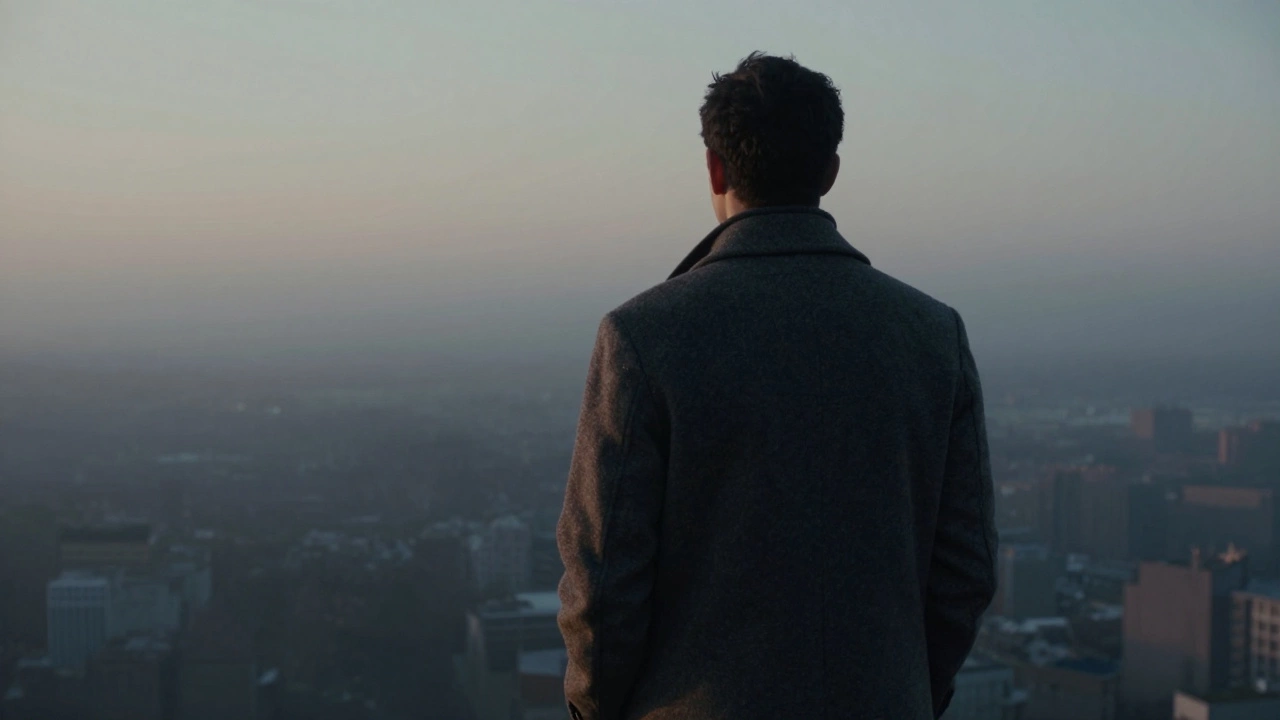
One of the most striking ways artists break the "face rule" is by turning the subject away. When a figure faces away from the viewer, it creates an immediate sense of mystery. We are forced to project our own interpretations onto them. Are they looking at something beautiful? Are they hiding? Are they lonely?
Consider the works of Edward Hopper. While he is known for scenes of urban isolation, his figures often have their backs turned or are obscured by blinds. These are portraits of mood. The lack of a visible face forces the viewer to engage with the environment and the body language instead. The slouch of shoulders or the tilt of a head tells a story that a smiling face might hide.
Silhouettes offer another powerful example. A black cutout against a white background removes all detail except for the outline. Yet, if you see the silhouette of a pregnant woman, a soldier holding a rifle, or an elderly person leaning on a cane, you instantly recognize the narrative. The shape carries the weight of the identity. In this case, the absence of facial features amplifies the universal nature of the human experience being portrayed.
Clothing and Objects as Identity Markers
We often say that clothes make the man, but in art, clothes *are* the man. Fashion is a primary way humans signal their tribe, profession, and values. A portrait that focuses entirely on attire can be just as revealing as a close-up of eyes.
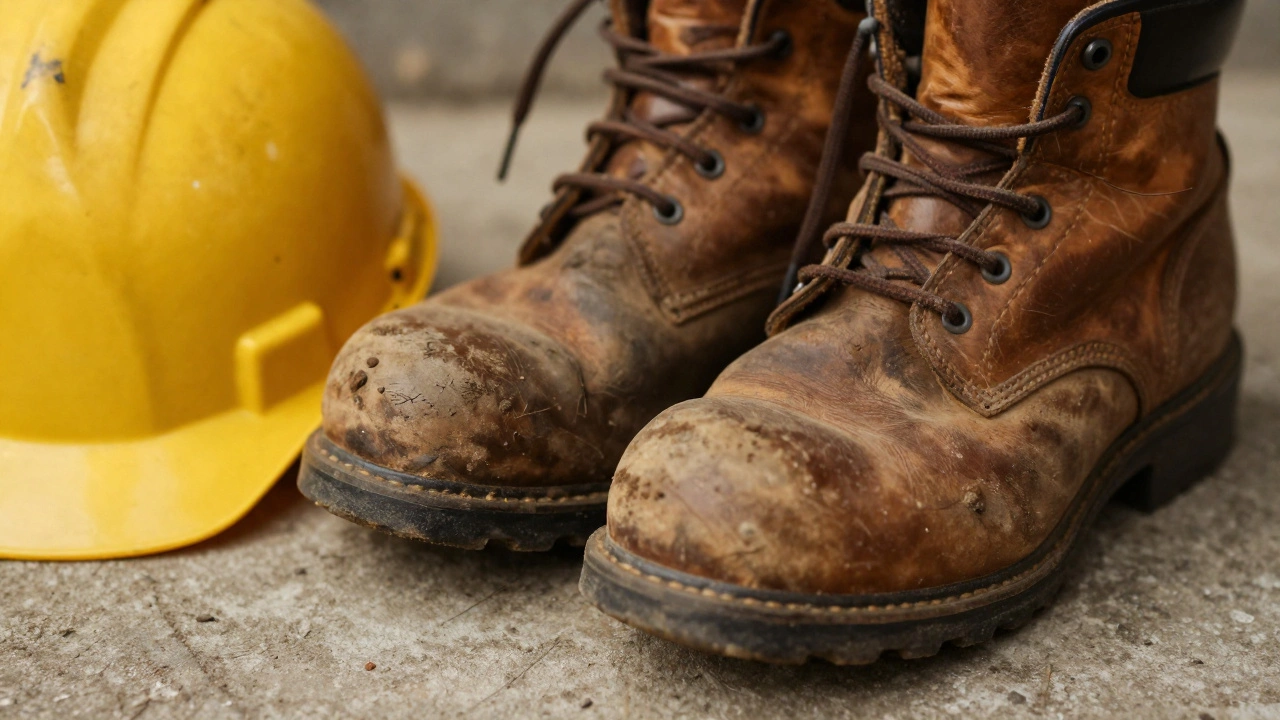
Think about a photograph of a pair of worn-out work boots next to a hard hat. There is no face, but the portrait of a construction worker is undeniable. The scuffs on the leather, the mud on the treads, and the faded logo tell a story of labor, endurance, and time. This is a portrait of a life lived.
In contemporary art, this concept is pushed further. Artists might create portraits using only the objects a person owns. A pile of books, a collection of vintage cameras, or a messy desk can serve as a psychological portrait. These items reveal interests, obsessions, and habits. By removing the face, the artist argues that our possessions and choices define us more than our genetic features do.
| Feature | Traditional Facial Portrait | Non-Facial Portrait |
|---|---|---|
| Primary Focus | Physical Likeness & Expression | Context, Mood & Identity |
| Viewer Engagement | Direct Eye Contact (Confrontational) | Imaginative Projection (Mysterious) |
| Key Elements | Eyes, Mouth, Nose, Skin Tone | Body Language, Clothing, Environment |
| Emotional Impact | Immediate Recognition | Curiosity & Interpretation |
| Best Used For | Identification & Intimacy | Narrative & Symbolism |
Body Language Speaks Louder Than Words
If you remove the face, the rest of the body has to do more work. This is where body language becomes the star of the show. Psychologists estimate that a significant portion of human communication is non-verbal. In art, this translates to posture, gesture, and tension.
A clenched fist, crossed arms, or a relaxed slump conveys emotion instantly. A portrait of a dancer captured mid-leap doesn't need a face to show joy, freedom, or effort. The arch of the back and the extension of the limbs tell the whole story. Similarly, a photograph of two people holding hands tightly can portray love, fear, or desperation without showing a single eye.
This approach is particularly effective in street photography. Photographers often crop out faces to protect anonymity while still telling a human story. The focus shifts to the interaction between bodies and space. It makes the viewer feel like a bystander observing a private moment, which can be more intimate than a posed studio shot.
Contemporary Art and the Digital Age
In today's world, where selfies dominate social media, the idea of a faceless portrait feels rebellious. Contemporary artists are using this trend to comment on privacy, surveillance, and digital identity. When your face is everywhere online, hiding it becomes a statement.
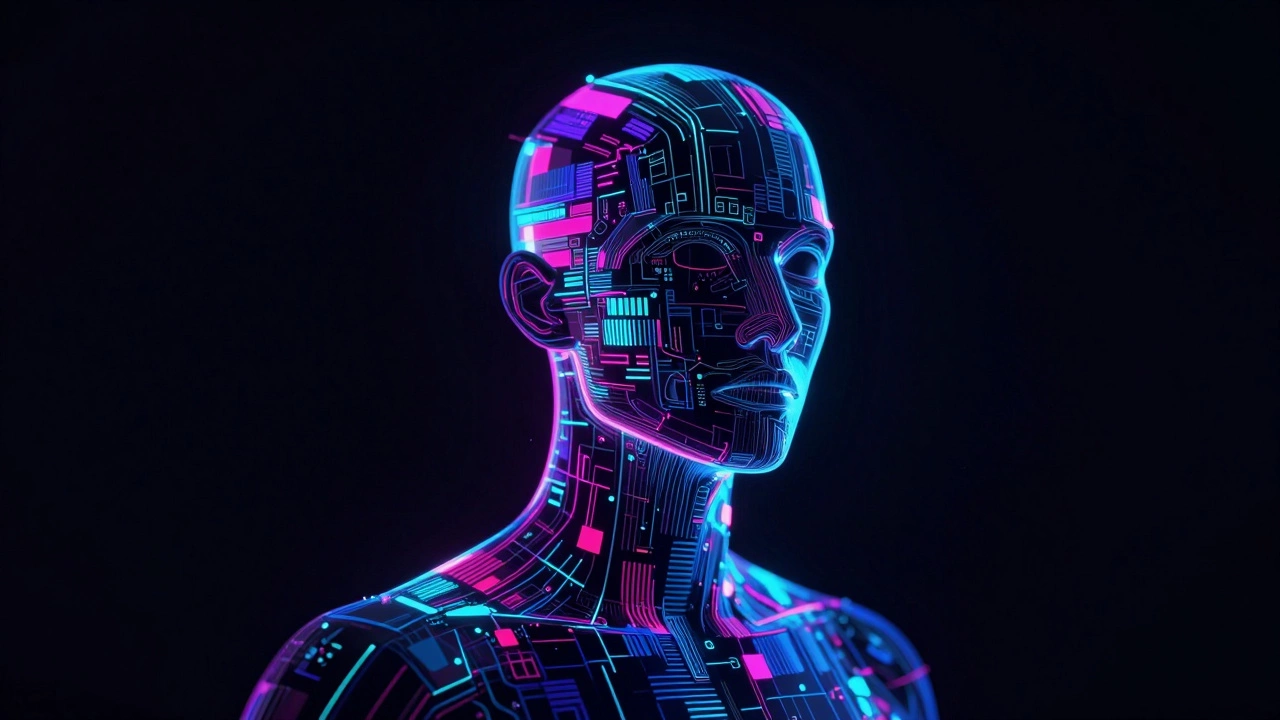
Digital artists often use avatars or abstract shapes to represent themselves. A pixelated figure or a geometric construct can serve as a modern portrait. It reflects how we interact in virtual spaces-where identity is constructed through usernames, profiles, and curated content rather than biological features.
Moreover, the rise of AI-generated art has challenged the very notion of a "real" face. Artists are creating portraits that blend human features with machine code or natural elements. These hybrid images question what it means to be human. Is a portrait of a robot wearing a human suit a portrait? If the robot expresses empathy, then yes. The subject matter expands beyond biology into consciousness and behavior.
How to Create a Portrait Without a Face
If you want to try creating a faceless portrait, here are some practical steps to guide you:
- Choose a Strong Narrative: Decide what aspect of the person you want to highlight. Is it their profession? Their sorrow? Their strength? Let this theme drive your composition.
- Focus on Hands: Hands are expressive. Show them working, holding, reaching, or resting. They reveal age, occupation, and emotion.
- Use Lighting Dramatically: Shadows can hide a face while highlighting other parts of the body. Use backlighting to create silhouettes or side lighting to emphasize texture.
- Incorporate Contextual Clues: Include objects or settings that belong to the subject. A chef’s apron, a musician’s instrument, or a child’s toy can anchor the identity.
- Experiment with Angles: Shoot from above, below, or from behind. Unusual angles force the viewer to look closer and engage with the form rather than the features.
Why This Matters for Viewers and Creators
Understanding that a portrait doesn't require a face frees both the artist and the viewer. For creators, it opens up new creative possibilities. You don't need a model to sit still for hours; you can capture moments in motion, details in clutter, or shadows on a wall.
For viewers, it encourages deeper observation. Instead of scanning for familiar features, you start noticing textures, colors, and compositions. You learn to read the visual language of the human condition. It makes art more inclusive, allowing subjects who may not want to be identified-or cannot be-to still have their stories told.
Next time you see a painting or photo without a clear face, don't dismiss it as incomplete. Look closer. Ask yourself what the artist is trying to say through the absence. You might find that the silence speaks louder than any smile ever could.
Can a landscape be considered a portrait?
Yes, in a metaphorical sense. Many artists refer to landscapes as portraits of a place. Just as a facial portrait captures a person's character, a landscape portrait captures the spirit, history, and mood of a location. This concept is common in Romanticism, where nature was seen as having a soul.
What is the difference between a portrait and a figure drawing?
A figure drawing focuses on the anatomy, pose, and form of the human body, often for study purposes. A portrait, even without a face, aims to convey the identity, personality, or emotional state of a specific individual or type of person. Intent is the key differentiator.
Are there famous examples of faceless portraits?
Yes. Examples include Edvard Munch's "The Scream," where the face is distorted into a scream, focusing on anxiety rather than likeness. Also, many works by Cindy Sherman use masks or costumes to obscure identity, commenting on gender roles. In photography, Daido Moriyama often uses blurred, high-contrast images that obscure facial details to capture the mood of urban life.
How does blurring affect a portrait?
Blurring can create a sense of movement, memory, or dreaminess. It removes specific details, forcing the viewer to rely on color, shape, and composition. It can also evoke emotions like confusion, nostalgia, or intimacy, making the portrait more subjective and open to interpretation.
Is a selfie always a portrait?
Not necessarily. A selfie is a self-taken photograph. It becomes a portrait when it intentionally conveys something about the subject's identity, mood, or status. A casual snapshot of food held in front of a face might be a selfie, but it lacks the depth and intentionality of a true portrait unless it comments on consumption, vanity, or lifestyle.