Portrait Canvas Dimension Advisor
Bust Portrait
Classic studio portraits. Balanced and respectful.
You stare at a blank canvas. It’s either too tall, making your subject look like they’re floating in space, or too wide, leaving awkward empty gaps beside their shoulders. You’ve got the pose right, the lighting is perfect, but something feels off. The problem isn’t your brushwork-it’s the shape of the surface you’re working on.
There is no single "magic number" for portrait painting dimensions. But there are rules of thumb that professional artists use to make sure the viewer’s eye lands exactly where it should. Whether you are painting a head-and-shoulders bust or a full-body figure, getting the length and width right changes the entire emotional impact of the piece.
| Format Type | Typical Aspect Ratio | Best For | Emotional Effect |
|---|---|---|---|
| Headshot | 1:1 (Square) or 4:5 | ID photos, intense focus on expression | Intimate, direct, confrontational |
| Bust Portrait | 2:3 (Vertical) | Classic studio portraits, LinkedIn-style | Balanced, traditional, respectful |
| Half-Length | 3:4 or 4:5 | Showcasing clothing, posture, hands | Narrative, contextual, relaxed |
| Full-Length | 9:16 or 1:2 (Tall Vertical) | Fashion, historical figures, full body language | Grand, imposing, elegant |
| Landscape | 16:9 or 3:2 | Group portraits, environmental context | Open, social, setting-focused |
The Myth of One Size Fits All
Think about the last time you saw a bad portrait. Was the subject cut off at the nose? Did their feet dangle into nowhere? That’s usually a framing error, not a skill issue. When you choose a canvas size, you are making a promise to the viewer about what matters most. If you pick a square format for a person wearing a long, flowing gown, you chop off the story. If you pick a wide landscape format for a solitary thinker, you isolate them unnecessarily.
In Vancouver, I’ve seen countless students struggle with this. They buy a standard 16x20 inch canvas because it’s cheap and common, then try to squeeze a full-body figure onto it. The result is cramped. A full-body figure needs vertical breathing room. A face needs horizontal balance. Your medium-oil, acrylic, watercolor-doesn’t change these geometric truths, but it does affect how much detail you can pack into a small space.
Breaking Down the Standard Formats
Let’s look at the specific lengths and widths that actually work. These aren’t arbitrary; they align with human vision and traditional art history standards.
The Square (1:1): Intimacy and Focus
A square canvas forces the artist to center the subject completely. There is no left or right bias. This is ideal for headshots where the eyes are the primary focal point. Think of the old Polaroid aesthetic or modern Instagram profile pictures. In oil painting, a 12x12 inch square is a great study size. It limits your scope, which can be liberating if you suffer from paralysis by analysis. You can’t hide behind background details. Every stroke counts.
The Vertical Rectangle (2:3 and 3:4): The Classic Choice
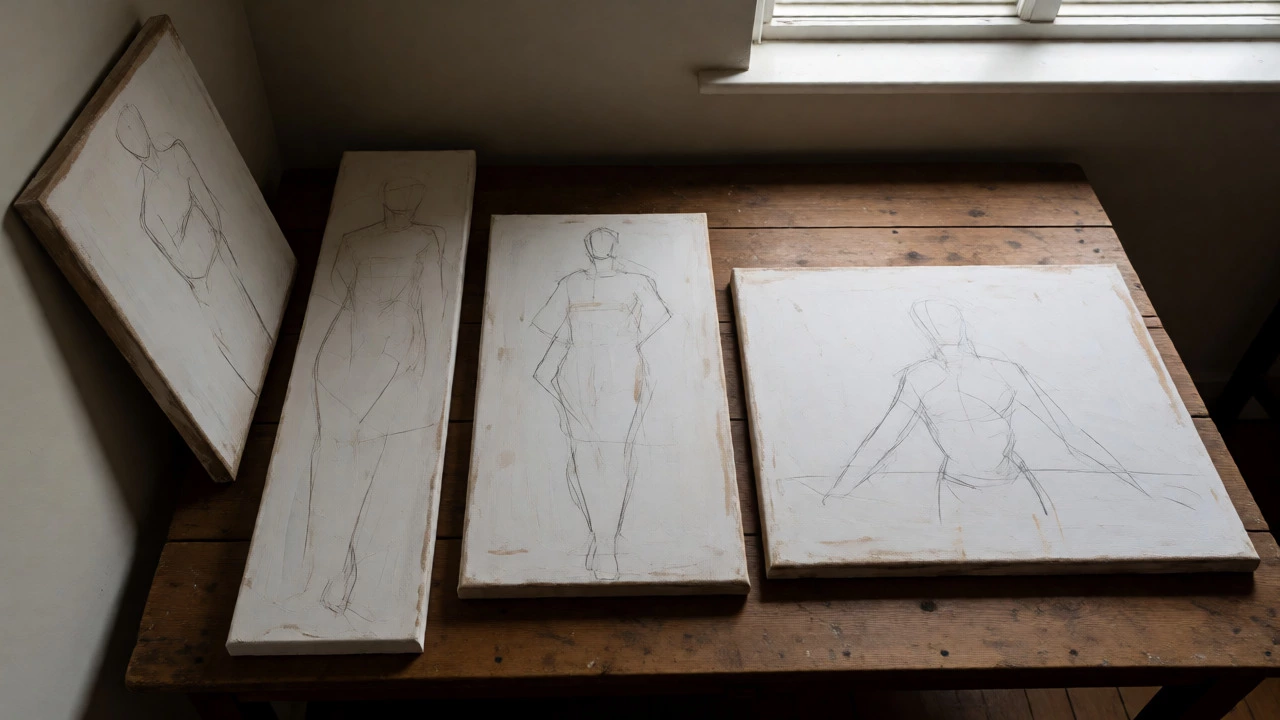
This is the bread and butter of portrait painting. Why? Because humans are taller than we are wide. A 2:3 ratio (like an 8x12 or 16x24 inch canvas) mimics the natural field of view when looking at a standing person. It allows for headroom above the hair and shoulder room below the chin without feeling stretched. Most classical portraits you see in museums follow this vertical dominance. It feels stable. It feels correct.
If you are painting a bust (head and shoulders), a 4:5 ratio is often tighter and more intimate. It crops closer to the face, reducing the amount of "dead space" around the ears. This is why passport photos and driver’s licenses use similar proportions-they need maximum facial recognition data in minimum space.
The Tall Vertical (9:16): Drama and Height
Want to make someone look powerful? Go tall. A 9:16 ratio (like 12x21 inches) exaggerates height. This was popular in fashion illustration and high-society portraiture in the 19th century. It elongates the neck and torso. Be careful, though. If your subject has a short stature or is seated, a very tall canvas can make them look lost in the frame. Use this when you want to emphasize elegance, grace, or authority.
The Landscape (3:2 and 16:9): Context and Groups
Who says portraits have to be vertical? Horizontal formats are underrated. A 3:2 landscape (like 12x18 inches) works beautifully for two people sitting side-by-side. It also gives you room to include a hint of the environment-a window, a chair, a table. This shifts the painting from "who is this?" to "where are they?" Environmental portraits rely on this extra width to tell a fuller story.
How to Choose Based on Your Subject
Don’t start with the canvas. Start with the person. Ask yourself three questions before you prime your panel:
- What is the crop? Are we seeing just the face, down to the chest, or all the way to the knees? Each step down requires more vertical space.
- Is the subject alone or with others? Two heads need more horizontal width. Three heads might require a square or even a slight landscape orientation to avoid crowding.
- What is the mood? Tight crops feel urgent and personal. Loose crops feel calm and observational.
For example, if you are painting a child playing with a dog, a square or landscape format captures the interaction better than a narrow vertical strip. If you are painting a CEO for their office wall, a classic 2:3 vertical bust conveys professionalism and stability.
Practical Tips for Canvas Selection
Once you know the shape, pick the physical size. Here is a cheat sheet for beginners and intermediates:
- Study Size (8x10 or 9x12 inches): Great for practicing skin tones and light. Low cost, fast drying time for oils/acrylics. Don’t worry about fine details here; focus on shapes.
- Standard Wall Piece (16x20 or 18x24 inches): The sweet spot for home display. Large enough to see brushstrokes, small enough to fit in most living rooms. A 16x20 vertical is the most versatile size for a single adult portrait.
- Statement Piece (24x36 or larger): Demands attention. Requires a solid armature and strong composition. Only go big if you have the experience to manage large-scale value structures. Mistakes are harder to fix on a huge canvas.
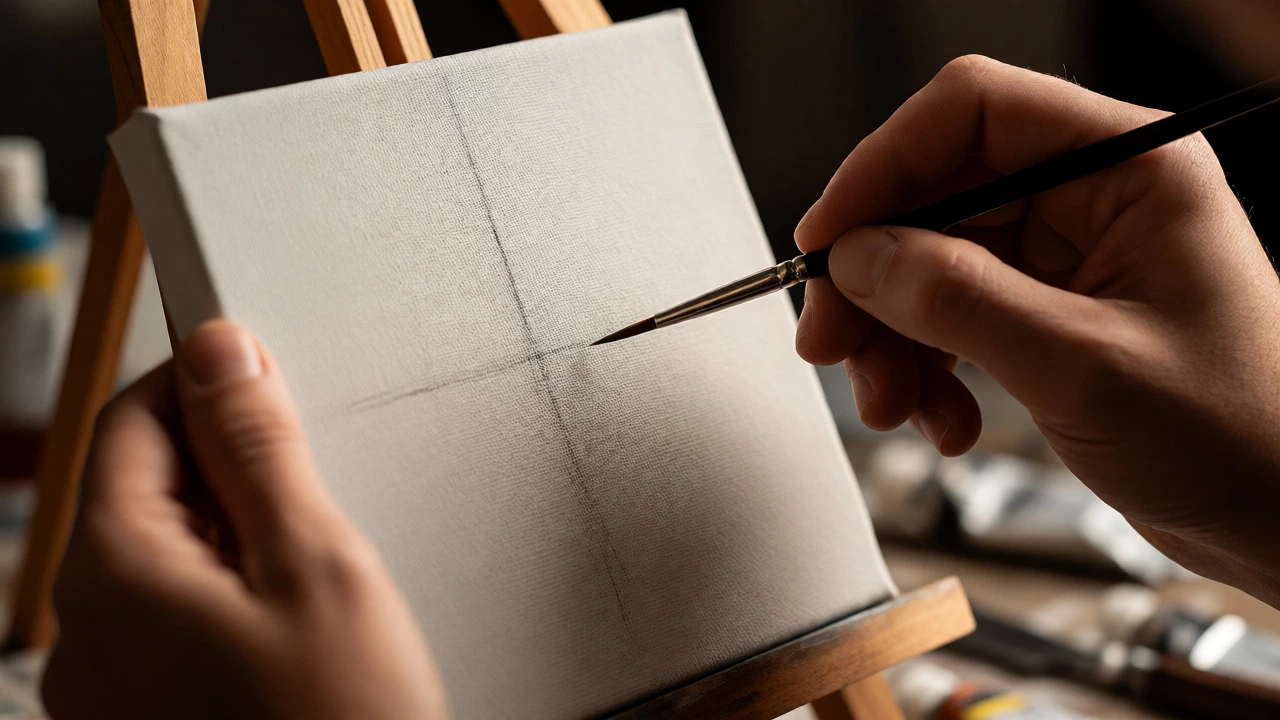
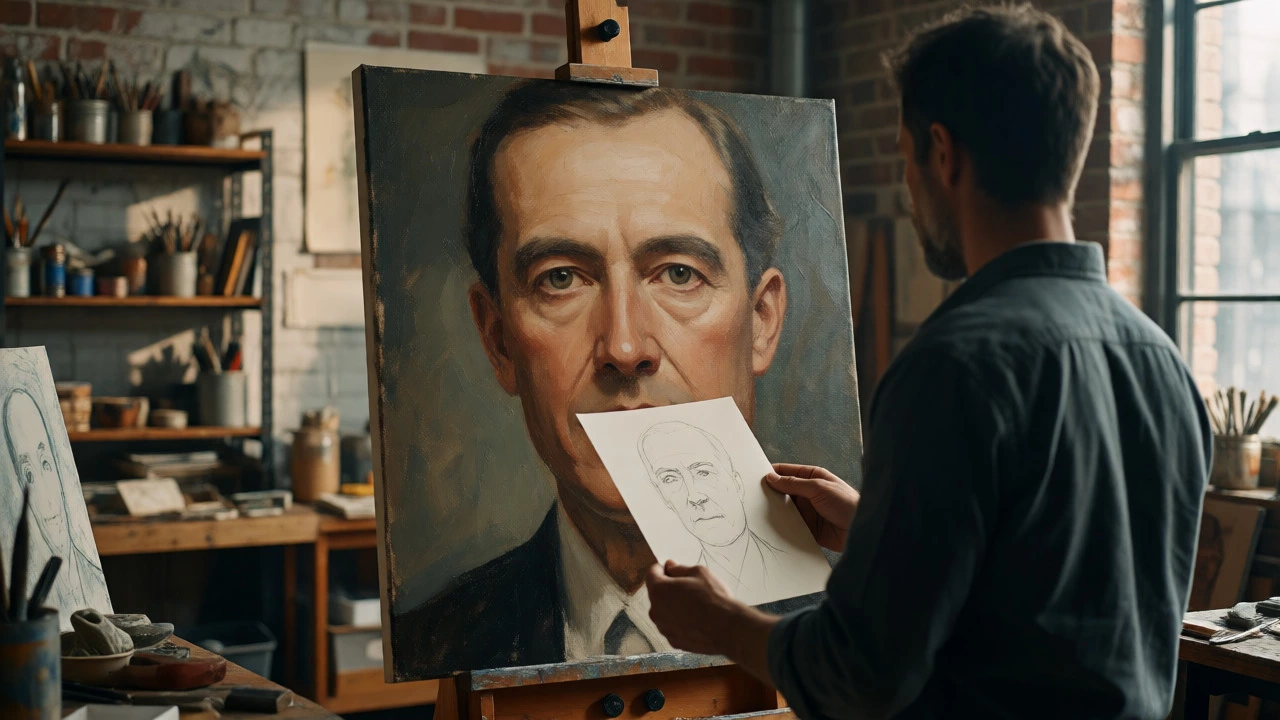
Pro tip: If you are unsure, do a thumbnail sketch first. Draw a tiny rectangle on paper. Sketch the basic shapes of the head and shoulders. Does it feel cramped? Widen it. Does it feel empty? Crop it. Do this five times before touching paint. It saves hours of frustration later.
Common Pitfalls to Avoid
One major mistake is ignoring the "eye line." In a vertical portrait, place the eyes roughly one-third down from the top edge. Not in the exact center. Centering the eyes makes the portrait look static, like a mugshot. Moving them up slightly creates a sense of presence. Moving them down creates a sense of vulnerability or introspection.
Another trap is cutting off limbs arbitrarily. If you are doing a half-length portrait, don’t cut the arms mid-bicep. Cut below the elbow or at the wrist. Arbitrary cuts create visual tension that distracts from the face. Same rule applies to legs in full-length pieces. Avoid slicing through joints.
What is the most common size for a portrait painting?
The most common standard size for a finished portrait is 16x20 inches (vertical). It is widely available, affordable to frame, and fits well in most residential spaces. For studies, 9x12 inches is very popular.
Should portraits always be vertical?
No. While vertical orientations suit single subjects due to human anatomy, horizontal (landscape) formats are excellent for groups, couples, or environmental portraits where context matters. Square formats are also effective for tight headshots.
Does the medium affect the best length for portraits?
Indirectly, yes. Watercolors often benefit from smaller sizes to maintain detail and prevent warping. Oils can handle larger scales because they allow for reworking and blending over time. However, the compositional ratios remain largely the same regardless of medium.
How do I decide between a bust and a full-length portrait?
Choose a bust if the emotion and personality are conveyed through the face and eyes. Choose a full-length if posture, clothing, or surroundings are essential to the narrative. Busts are more intimate; full-lengths are more descriptive.
What aspect ratio is best for digital portraits?
For social media compatibility, 4:5 (Instagram feed) or 9:16 (Stories/Reels) are optimal. For print sales, sticking to standard art ratios like 2:3 or 3:4 ensures easier framing and wider market appeal.