Portrait Format Selector
Select your primary goal below to discover which of the three classic portrait types best fits your project.
You walk into a gallery or scroll through an artist's portfolio and see faces staring back at you. Some show just the eyes and nose, others capture the entire body standing tall, and some focus on the shoulders and chest. It feels like there are endless ways to paint a person, but historically and technically, portrait painting is categorized into three distinct types based on how much of the subject is shown: the head, the bust, and the full length. Knowing these categories isn't just academic trivia; it helps you choose the right approach for your own art, understand what you're looking at in museums, or commission a piece that actually fits your space.
Why does this distinction matter? Because each type tells a different story. A close-up creates intimacy and intensity. A mid-range shot adds context about status or personality. A full-body view reveals environment and posture. If you try to force a complex narrative into a tight headshot, you'll lose detail. If you put a simple emotional moment in a sprawling full-length canvas, it might feel empty. Let's break down exactly what these three types are, when to use them, and the technical challenges each one presents.
The Head Portrait: Capturing Essence
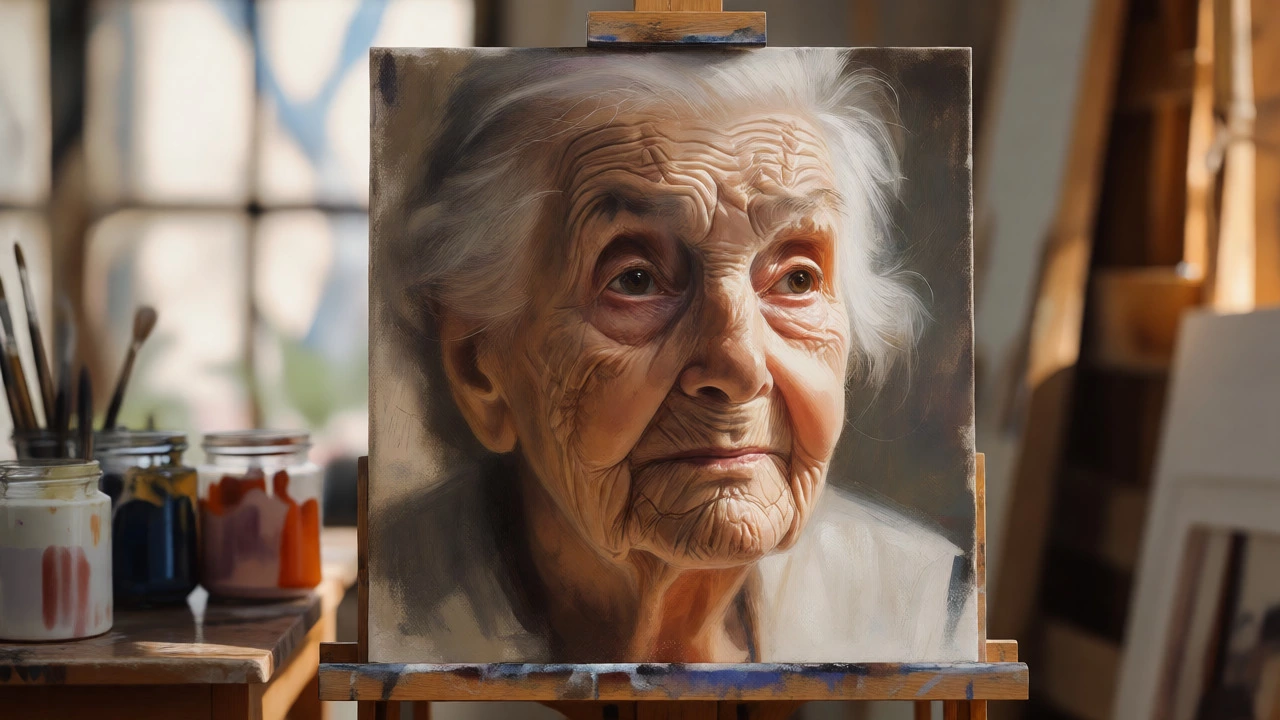
The head portrait is a depiction of the human face, typically from the neck up. This is the most common form of portraiture because it focuses entirely on identity and emotion. When you look at a famous painting like Rembrandt's self-portraits or da Vinci's Mona Lisa, you are seeing variations of the head portrait (though the Mona Lisa includes hands, making it a hybrid). The primary goal here is to capture the "likeness"-the specific features that make a person recognizable-and their current emotional state.
Technically, this format demands high precision. There is nowhere to hide. Every wrinkle, shadow under the eye, and catchlight in the iris contributes to the realism or stylization. Artists often use a shallow depth of field concept, even in oil painting, by blurring the background to keep the viewer's eye locked on the face. Lighting becomes critical here; a single shift in light source can change a face from cheerful to menacing.
- Best for: Personal branding, capturing strong emotions, intimate family heirlooms.
- Common Mediums: Oil, charcoal, graphite, digital illustration.
- Challenge: Avoiding the "thousand-yard stare." Keeping the eyes alive requires careful attention to reflection and moisture highlights.
The Bust Portrait: Adding Character
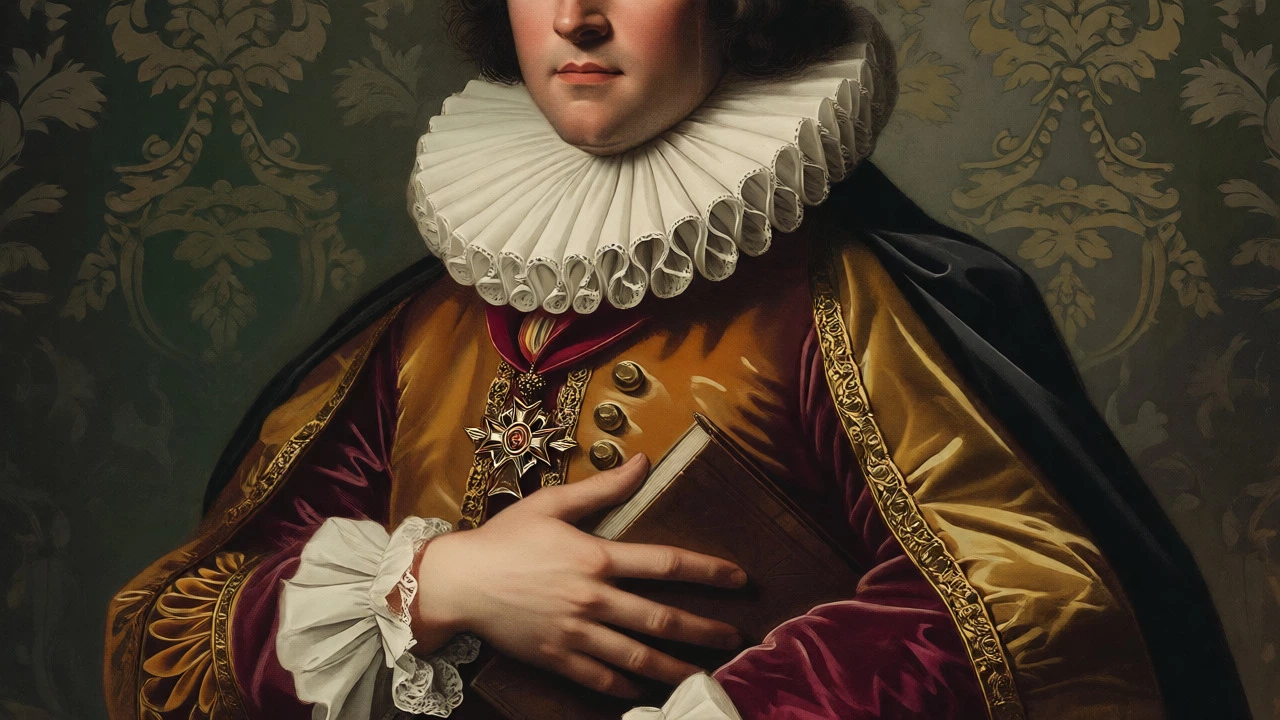
Move down from the neck, and you enter the realm of the bust portrait. Bust portraits include the head, shoulders, and upper chest, cutting off roughly at the armpit or waistline depending on the composition. This format was hugely popular in the 18th and 19th centuries for depicting nobility and professionals. Why? Because clothing and accessories started appearing. You could show a ruffled collar, a military medal, or a soft scarf, which added layers of information about the subject's social status, profession, or personality without requiring a full scene.
This type strikes a balance between intimacy and context. It allows the artist to depict hand gestures if they are raised near the chest, adding dynamic energy to the pose. For example, a painter might include a book held against the chest to suggest intellect, or a flower to suggest delicacy. The composition is tighter than a full-length piece but looser than a headshot, allowing for more creative freedom with backgrounds and props.
| Portrait Type | Framing Focus | Primary Message | Typical Use Case |
|---|---|---|---|
| Head | Neck up | Identity & Emotion | Profile pictures, intimate studies |
| Bust | Waist up | Status & Personality | Professional profiles, historical records |
| Full-Length | Toes to head | Context & Posture | Grand estates, formal ceremonies |
The Full-Length Portrait: Telling a Story
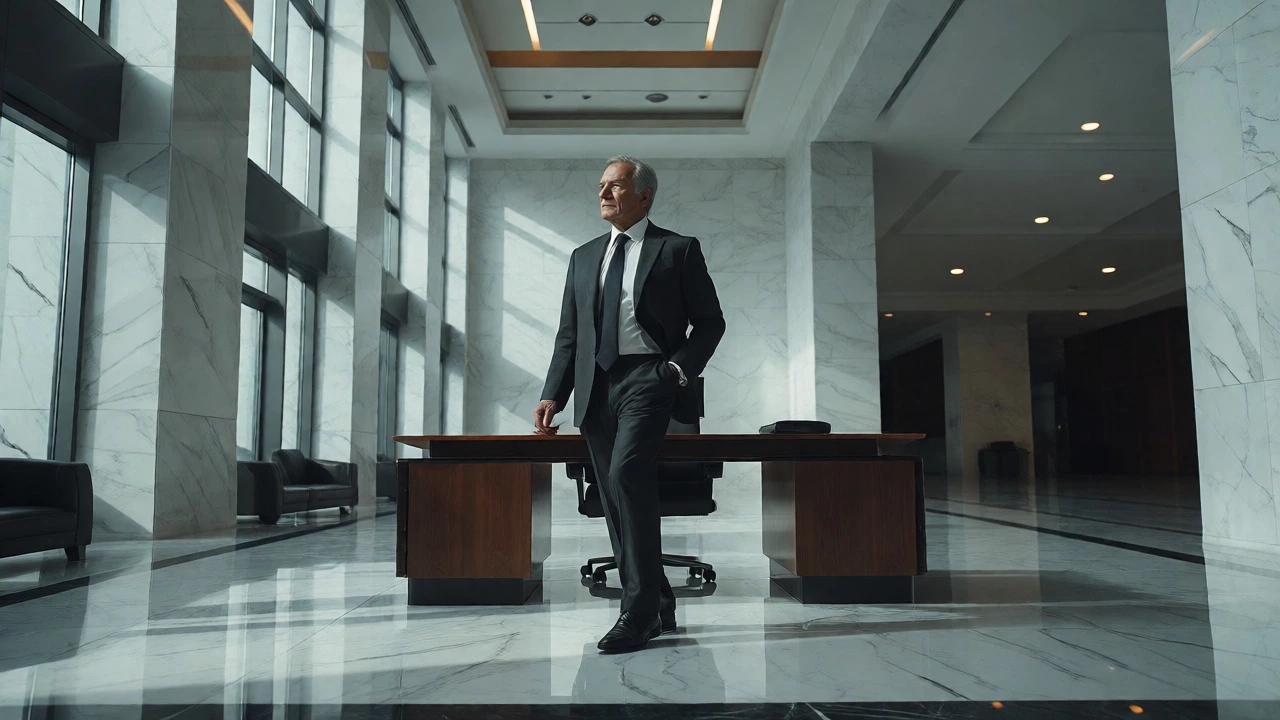
The third major category is the full-length portrait, sometimes called a whole-figure portrait. As the name suggests, this shows the subject from head to toe. This format was traditionally reserved for royalty, generals, and wealthy landowners who wanted to display not just their face, but their power, their clothes, and their environment. Think of Velázquez's Las Meninas or any classic royal portrait where the figure stands next to a throne or in a garden.
Creating a successful full-length portrait is harder than it looks. Proportions must be accurate across a larger surface area. If the legs are too short or the torso too long, the error is glaring. Furthermore, the artist must compose the entire image. Where do the feet go? Is the subject leaning against something? What is happening in the background? This type of portrait often functions as a narrative scene rather than just a study of a face. It answers questions about lifestyle: Are they hunting? Are they holding a child? Are they standing in a library?
Modern photographers and painters still use this format for wedding portraits, fashion editorials, and artistic statements where body language is key. A slumped shoulder in a headshot might be missed, but in a full-length view, it screams exhaustion or defeat.
Choosing the Right Format for Your Needs
So, which one should you pick? It depends entirely on your job-to-be-done. Are you trying to sell a product using a model's smile? Go with a head or tight bust. Do you need to show off a new suit design? A full-length shot is mandatory. Are you painting a grandparent and want to capture their gentle nature? A head portrait focusing on their eyes will hit harder than showing their shoes.
Consider the space where the art will live. A small apartment wall might get overwhelmed by a massive full-length canvas, whereas a large lobby needs the presence of a full-figure work. Also, think about the cost and time. Full-length portraits require significantly more hours to render details like fabric folds and perspective correctly. Head portraits are quicker but demand intense skill in facial anatomy.
Hybrid Variations and Modern Twists
While these three are the standard classifications, artists rarely stick to rigid rules. You'll see "three-quarter" views that sit between bust and full-length. You'll see abstract portraits that deconstruct the face. In digital art, we often see cropped compositions that mimic photography lenses. However, understanding the core three gives you the foundation to break them effectively. If you know why a full-length portrait works for a king, you can decide whether to subvert that expectation by painting a CEO in a tiny headshot to emphasize their humanity over their power.
Another modern trend is the environmental portrait, which leans toward full-length but integrates the setting heavily. Here, the person is part of the landscape. This blurs the line between portrait and landscape painting, but the intent remains focused on the individual. Recognizing these nuances helps you appreciate the intent behind the brushstrokes or pixels.
Is a selfie considered a head portrait?
Yes, functionally, a standard selfie is a head portrait. It frames the face and usually the neck, focusing on facial expression and identity. However, many selfies inadvertently become bust portraits if the camera angle includes shoulders and chest, which is common due to the wide-angle lens on smartphone cameras.
Which portrait type is hardest to paint?
This is subjective, but many artists find the full-length portrait the most technically challenging due to the need for accurate anatomical proportions over a large scale and complex composition management. Conversely, the head portrait is often considered the most psychologically difficult because any flaw in likeness is immediately obvious to the viewer.
Can a portrait include other people?
Absolutely. These are called group portraits or double portraits. They can follow the same framing rules: a group head portrait (like a family photo cropping out bodies) or a full-length group portrait (like a wedding party). The classification refers to the amount of body shown per individual, not the number of subjects.
Do I need to show hands in a bust portrait?
No, you don't have to. Many classical bust portraits cut off before the hands appear. However, including hands can add significant character. Hands are expressive; they can hold objects, gesture, or reveal tension. If you include them, ensure they are rendered with care, as poorly drawn hands can distract from the face.
How does lighting differ for each type?
Lighting strategies vary. Head portraits often use dramatic, focused lighting (chiaroscuro) to sculpt the face. Bust portraits may use softer, broader light to illuminate clothing textures. Full-length portraits require consistent lighting across the entire figure to avoid disjointed shadows, often mimicking natural daylight or a unified studio setup.