Portrait Composition & Lighting Simulator
Adjust Elements
Have you ever looked at a painting and felt like you were standing right next to the person in it? Maybe their eyes seemed to follow you across the room, or their smile made you feel warm inside. That’s not magic-it’s the result of three specific elements working together. Whether you are picking up a brush for the first time or have been painting for decades, understanding these core components changes everything.
Many artists get stuck on technical perfection. They worry about whether the nose is exactly the right size or if the skin tone matches perfectly. But technique alone doesn’t create a connection. A technically perfect face can still look dead on canvas. The difference between a snapshot and a soulful portrait that captures the essence and personality of a subject through visual art comes down to how you handle light, expression, and composition.
1. Lighting: Sculpting Form and Mood
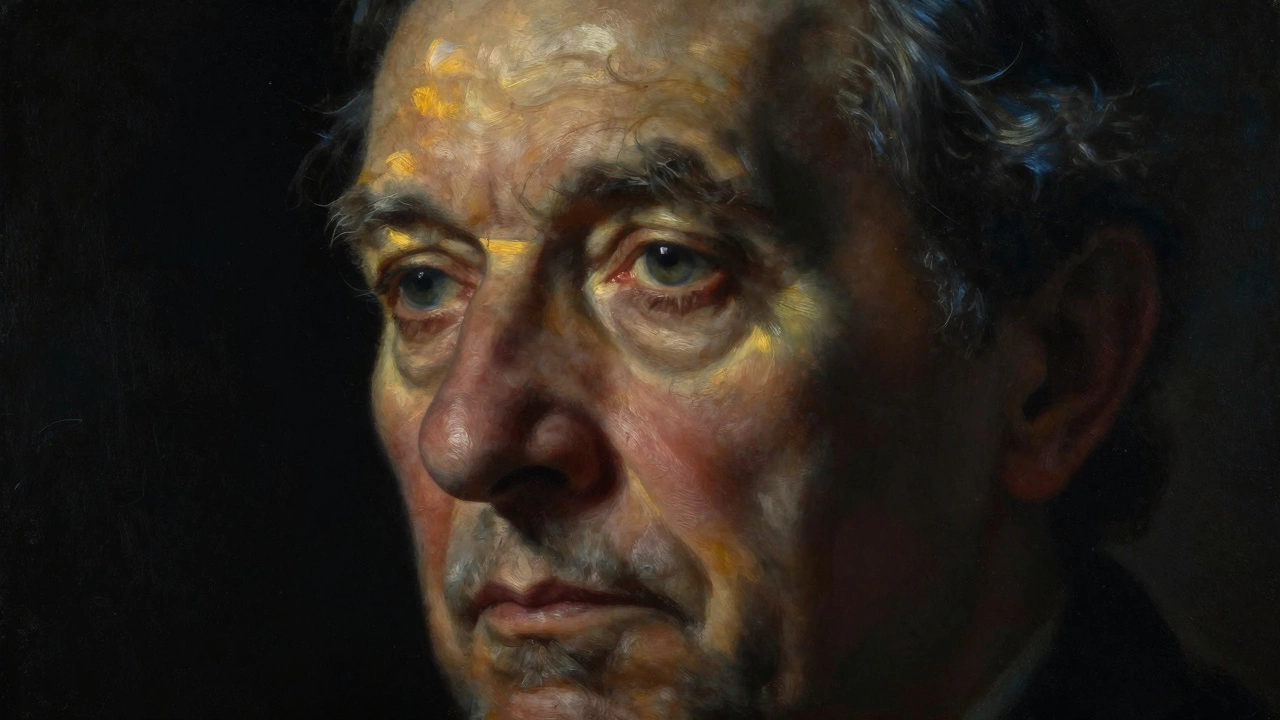
Light is the most powerful tool in your kit. It isn’t just there to make things visible; it shapes reality. In portrait painting, light defines volume. Without proper shading, a face looks flat, like a paper cutout. You need to understand where the light hits and where the shadows fall to create depth.
Think about Rembrandt. His name is even attached to a specific style of lighting-Rembrandt lighting that uses a small triangle of light under the eye to create dramatic contrast. This technique does more than show shape; it creates mystery. When you paint, ask yourself: What story does this light tell? Is it harsh midday sun that reveals every flaw? Or is it soft window light that wraps around the cheeks?
- Direction: Side lighting emphasizes texture and age. Front lighting flattens features but highlights color.
- Quality: Hard light creates sharp edges and high drama. Soft light feels gentle and intimate.
- Color Temperature: Warm light (golden hour) feels nostalgic. Cool light (overcast sky) feels detached or melancholic.
If you ignore the source of your light, your portrait will look inconsistent. Shadows must align with the light source. If the sun is coming from the left, the shadow under the chin must go to the right. Getting this wrong breaks the illusion of reality instantly.
2. Expression: Capturing the Inner Life
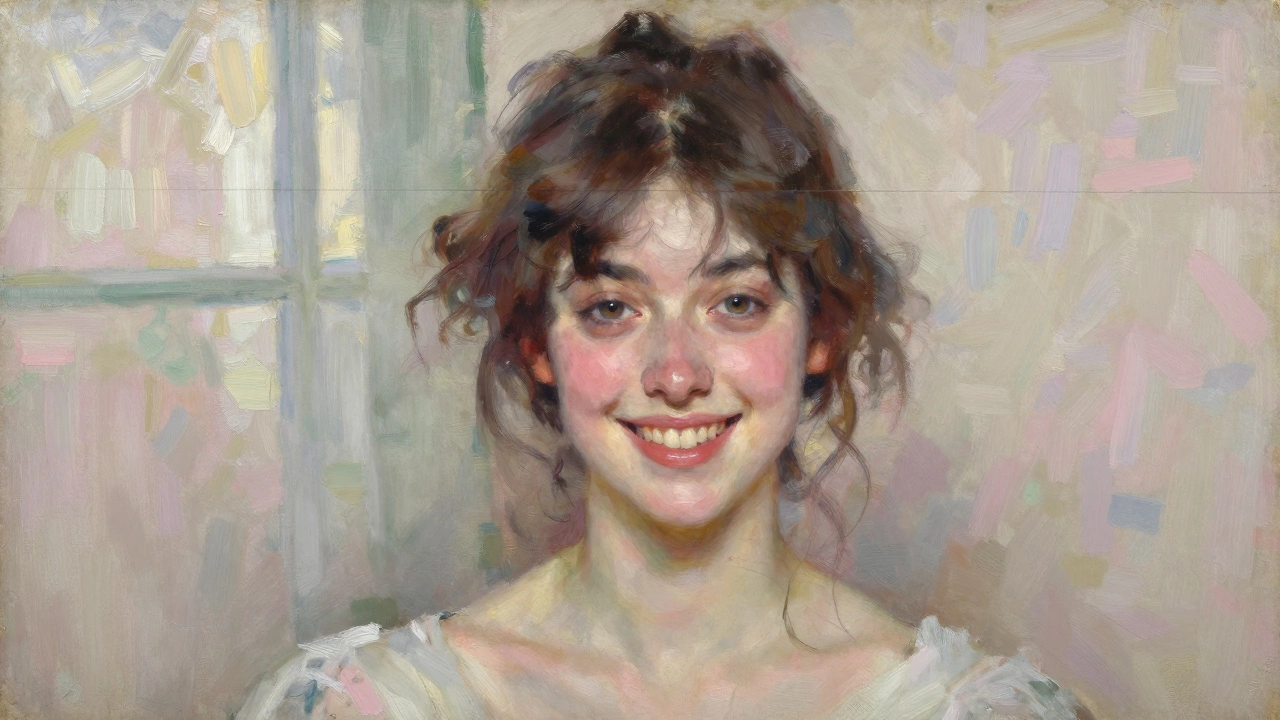
A beautiful face with a blank stare is forgettable. Expression is what gives a portrait its heartbeat. It’s not just about smiling or frowning. It’s about the micro-movements-the slight squint in the eyes, the tension in the jaw, the relaxed curve of the lips. These tiny details reveal character.
The eyes are often called the windows to the soul, and for good reason. Viewers naturally gravitate toward them first. To capture true expression, you need to observe beyond the surface. Look at how the eyebrows sit relative to the eyes. Are they raised in surprise? Furrowed in thought? The space between the eyebrows tells a lot about the subject’s emotional state.
Consider the work of Francis Bacon, who used distorted expressions to convey raw psychological intensity. His subjects aren’t pretty, but they are undeniably alive with emotion. On the other hand, look at John Singer Sargent, whose portraits captured fleeting moments of elegance and confidence. Both artists mastered expression, but in vastly different ways.
To nail expression, try these steps:
- Observe asymmetry: Faces are rarely symmetrical. One side might be more animated than the other.
- Capture movement: Don’t freeze the face. Show the muscle tension beneath the skin.
- Connect the eyes: Ensure the gaze has a destination. Where is the subject looking? At the viewer? Into the distance?
Without genuine expression, your portrait is just a map of facial features. With it, it becomes a conversation.
3. Composition: Guiding the Viewer’s Eye
You can have perfect light and a stunning expression, but if the composition is weak, the portrait falls apart. Composition is the arrangement of elements within the frame. It dictates how the viewer moves through the image and what they notice first.
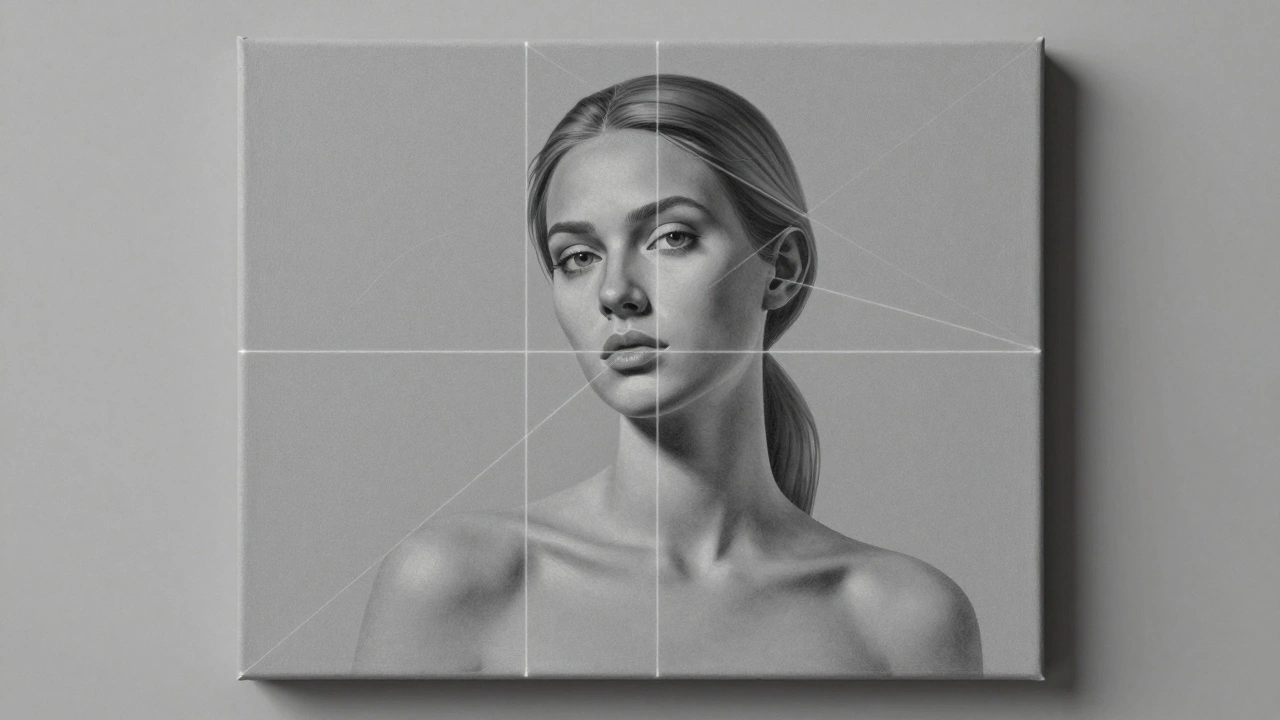
One common mistake beginners make is placing the subject dead center without any intention. While centered compositions can work, they often feel static. Instead, think about using the Rule of Thirds that divides the canvas into a grid to place key elements off-center for dynamic balance. Placing the eyes along the top horizontal line creates immediate engagement.
Background matters too. It shouldn’t compete with the subject. If the background is busy, simplify it. Use negative space to give the subject room to breathe. Sometimes, cropping tightly creates intimacy. Other times, showing the shoulders and environment provides context.
| Style | Effect | Best For |
|---|---|---|
| Centered | Formal, stable, direct | Official portraits, symmetry-focused subjects |
| Off-Center (Rule of Thirds) | Dynamic, engaging, natural | Casual portraits, storytelling images |
| Tight Crop | Intimate, intense, focused | Emotional close-ups, detail studies |
| Wide Angle | Contextual, environmental, narrative | Showing relationship to space or objects |
Pay attention to lines. The tilt of the head, the angle of the shoulders-these create implied lines that lead the eye. Diagonal lines add energy. Horizontal lines suggest calm. Vertical lines imply strength. Use these intentionally to reinforce the mood you’re trying to create.
Bringing It All Together
These three elements don’t work in isolation. They interact constantly. Strong lighting enhances expression by highlighting the contours of the face. Good composition frames the expression so it lands with impact. When one element is weak, it drags down the others.
For example, imagine a portrait with brilliant lighting but poor composition. The viewer’s eye wanders off the face because the framing is awkward. Now imagine great composition and lighting, but a lifeless expression. The portrait feels like a mannequin. You need all three to succeed.
Practice by focusing on one element at a time. Spend a session studying only light sources. Another day, sketch quick gestures to capture expression. Then, experiment with cropping and angles. Over time, you’ll start seeing how they blend seamlessly.
Great portraiture isn’t about copying reality. It’s about interpreting it. It’s about making the viewer feel something. Whether you’re painting in oil, acrylic, watercolor, or digitally, these principles remain the same. Master them, and your portraits will stop being mere images and start becoming experiences.
What is the most important element in a portrait?
While all three elements are crucial, many artists argue that expression is the most vital. A portrait can survive imperfect lighting or unconventional composition if the expression resonates emotionally. However, without adequate lighting to define form, even a strong expression may be lost in ambiguity.
How do I improve my use of light in portrait painting?
Start by observing real-life lighting conditions. Take photos of faces in different lights-morning, noon, evening-and analyze how shadows shift. Practice painting simple forms like spheres under various light directions before applying those lessons to complex facial structures.
Can digital tools help me master these elements?
Absolutely. Digital software allows you to experiment with lighting layers, adjust compositions non-destructively, and study reference images closely. Tools like Photoshop or Procreate offer brushes and filters that mimic traditional media while providing flexibility to refine each element independently.
Why does my portrait look stiff or unnatural?
Stiffness usually stems from overworking details or ignoring asymmetry. Real faces are imperfect. Try loosening your brushwork, embracing subtle irregularities, and focusing on capturing the overall gesture rather than individual pores or hairs.
Is it better to paint from life or from photographs?
Painting from life offers richer information about color, light, and subtle movements. Photographs can flatten depth and distort proportions due to lens effects. Ideally, combine both: use references for accuracy but rely on live observation for vitality and nuance.