Photography Style Finder: Fine Art vs. Conceptual
Answer these 5 questions about your creative process to discover which photographic style resonates most with your vision.
Loading question...
Your Creative Profile: ...
Based on your answers, your approach leans towards this discipline.
Style Characteristics
Description will appear here.
Next Step Challenge
Challenge description here.
Key Takeaways
- Fine art photography focuses on the artist's vision and aesthetic expression.
- Conceptual photography prioritizes the idea or message over the visual beauty.
- Fine art can be abstract or representational; conceptual art must communicate a specific concept.
- The main difference lies in the starting point: fine art starts with a feeling or vision; conceptual starts with a thesis.
The Soul of Fine Art Photography
When we talk about fine art photography is a discipline where the photographer uses the camera as a medium to create an image that reflects their own artistic vision. Unlike commercial photography, where the goal is to sell a product, or photojournalism, where the goal is to report a fact, fine art is about the creator's internal world. It's less about "what is this?" and more about "how does this make me feel?"
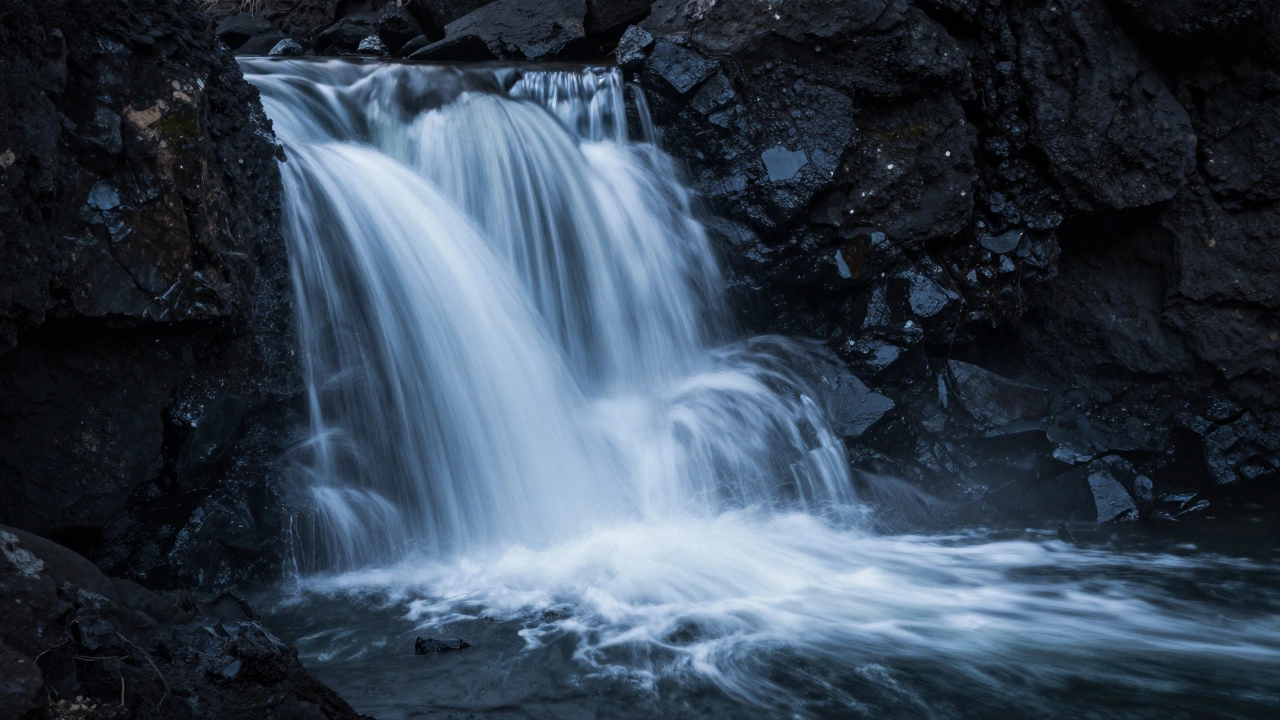
In fine art, the photographer has total control. They might spend hours manipulating light, using long exposures to turn a waterfall into a silk ribbon, or choosing a specific monochromatic palette to evoke loneliness. The value of the work isn't tied to how "accurate" the photo is to real life, but to how effectively it communicates an emotion. For example, a fine art photographer might take a portrait of a person, but through heavy grain and deep shadows, they aren't documenting a human face-they're documenting the feeling of grief or mystery.
One of the hallmarks of this style is its relationship with Aesthetics. While a fine art piece doesn't have to be "pretty" in the traditional sense, it is always intentional. Every choice, from the aperture setting to the paper type used for the final print, serves the artist's personal expression. If you're looking at a photo and your first instinct is to admire the composition, the mood, or the technique, you're likely looking at fine art.
The Brain of Conceptual Photography
Now, let's shift gears. Conceptual photography is a genre where the image is the physical manifestation of a specific idea or concept. In this world, the photo is essentially a vehicle for a message. If fine art photography is a poem, conceptual photography is a philosophical argument. The image exists to tell the viewer something specific, often using symbols, metaphors, and staged scenarios.
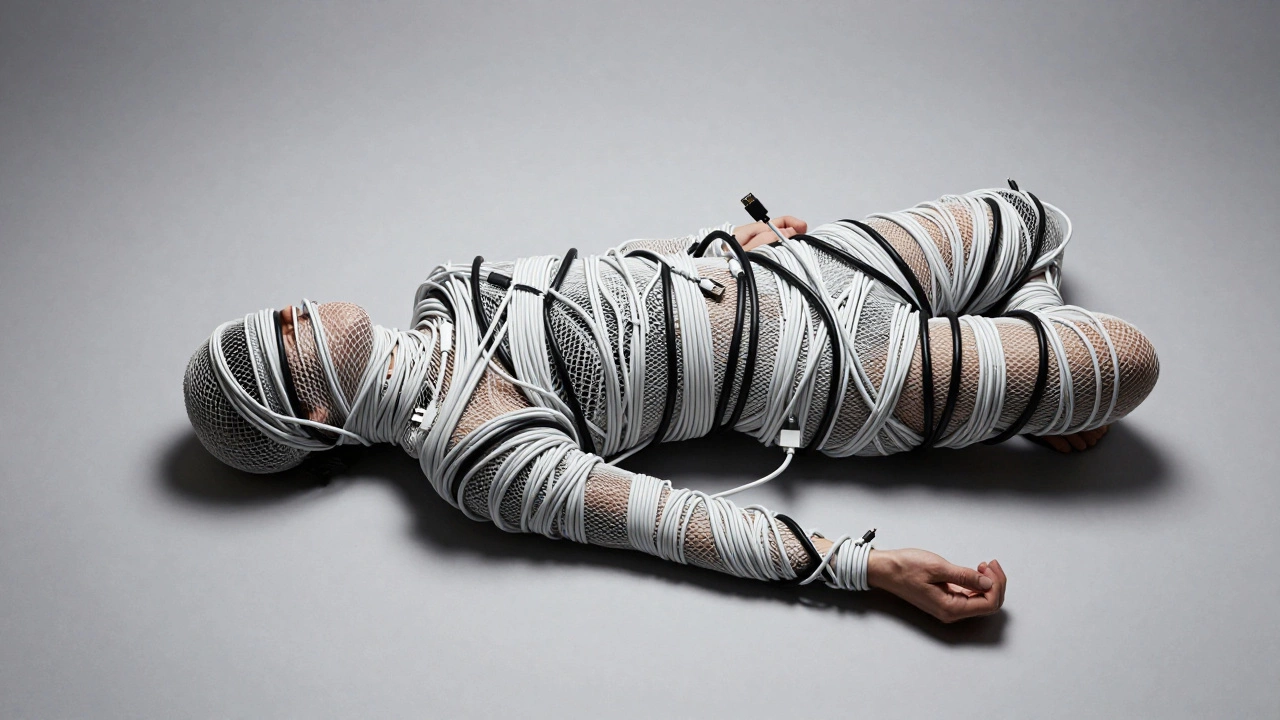
In a conceptual piece, the "idea" is the most important part. In fact, the actual photograph is often secondary to the concept. If a photographer wants to illustrate the feeling of "suffocation by social media," they might not just take a photo of someone looking sad at a phone. They might stage a photo of a person literally wrapped in charging cables like a cocoon. The cables are a symbol-a visual metaphor for the digital tethers that bind us. The viewer is expected to decode these symbols to understand the meaning.
Conceptual work often requires a high level of planning. While a fine art photographer might wander through a forest and wait for the perfect light to strike a tree, a conceptual photographer usually arrives with a storyboard. They know exactly what props they need, how the subject should be posed, and what the intended take-away is for the audience. If you look at a photo and find yourself asking, "What is the artist trying to say here?" you're engaging with conceptual photography.
Where the Two Worlds Collide
It's easy to put these in separate boxes, but in the real world, they overlap constantly. Many photographers use a conceptual approach to create fine art. They might start with a big idea (conceptual) but execute it with such a focus on beauty and emotion that it becomes a piece of fine art. The distinction usually comes down to the priority of the project. Is the image the destination, or is it the bridge to an idea?
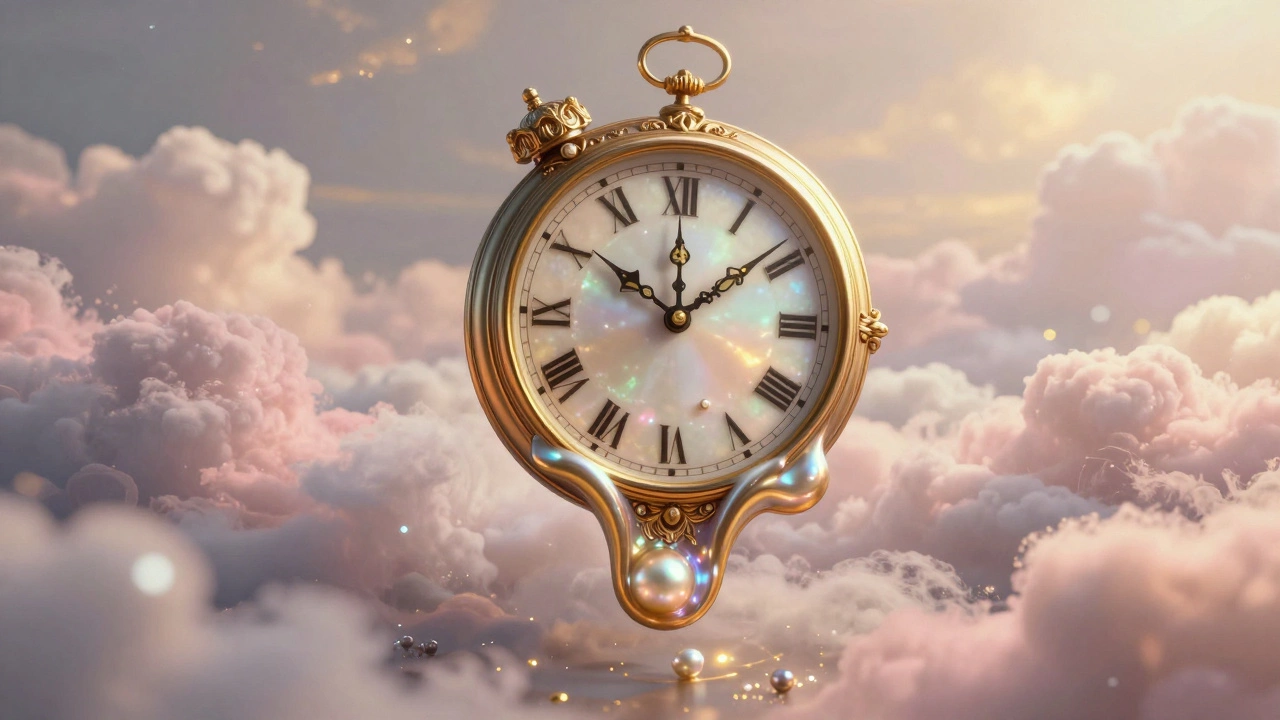
Consider the use of Surrealism. A surrealist photo of a floating clock could be fine art if the photographer is simply exploring the dreamlike quality of time and the beauty of the void. However, it becomes conceptual if the clock is placed there specifically to critique the capitalist obsession with productivity. The visual is identical; the intent is different.
To help clarify, let's look at how these two approaches differ across key execution points:
| Feature | Fine Art Photography | Conceptual Photography |
|---|---|---|
| Starting Point | Emotion, Vision, or Aesthetic | A Concept, Thesis, or Message |
| Primary Goal | Evoke a feeling or expression | Communicate a specific idea |
| Role of the Image | The image is the final artwork | The image is a tool for the concept |
| Viewer's Role | Emotional response / Interpretation | Decoding symbols / Intellectual analysis |
| Process | Often intuitive or observational | Highly planned and staged |
The Tools of the Trade: Beyond the Lens
Both styles often rely on Post-Processing, but they use it differently. A fine art photographer might use Adobe Lightroom to push the colors into an ethereal, otherworldly space to enhance the mood. They are sculpting the image to fit a vision. A conceptual photographer, on the other hand, might use Digital Compositing in Photoshop to merge two unrelated images-like a human head replaced by a lightbulb-to create a visual pun or a metaphor.
The choice of gear also varies. Fine art photographers often love the tactile nature of Analog Photography. The organic grain of 35mm film or the rich tones of a large-format camera add a layer of authenticity and mood that fits the "artistic" vibe. Conceptual photographers are more likely to lean on high-resolution digital sensors and studio lighting (like softboxes and strobes) because they need total precision to make their staged symbols look believable.
How to Find Your Own Direction
If you're a photographer trying to decide which path to take, ask yourself what happens first in your head. Do you see a beautiful shadow on a wall and feel an immediate urge to capture it? Or do you find yourself thinking about a social issue-like urban isolation-and then wonder how you could represent that in a single frame?
If you're driven by the 'how' (technique, light, composition), you're leaning toward fine art. If you're driven by the 'why' (meaning, message, commentary), you're leaning toward conceptual. There is no wrong answer, and you don't have to pick just one. Some of the most powerful images in history are those that manage to be both intellectually stimulating and visually breathtaking.
A good exercise for anyone is to try a "Concept Challenge." Pick a word-something abstract like "Greed" or "Silence." Try to photograph it without using the word itself. If you find yourself focusing on the texture of the silence (the dust in a room, the empty chair), you're practicing fine art. If you start placing an empty plate and a single gold coin in a sterile environment to show the emptiness of wealth, you're moving into conceptual territory.
Common Pitfalls to Avoid
One of the biggest mistakes in fine art photography is relying too heavily on "filters." There is a big difference between an artistic vision and simply applying a preset that makes a photo look "vintage." True fine art comes from an intentional choice of how to represent the world, not from a software shortcut. If the edit doesn't support the emotion, it's just noise.
In conceptual photography, the biggest trap is being too literal. If your concept is "Loneliness" and you just take a photo of a person sitting alone on a bench, you haven't created a concept; you've created a cliché. Conceptual art requires a leap of imagination. The goal is to create a visual metaphor that makes the viewer think. If the message is too obvious, there's no intellectual reward for the viewer, and the image loses its power.
Can a photograph be both fine art and conceptual?
Absolutely. In fact, much of the best contemporary art does exactly this. An image can be conceptually driven (starting with a strong idea) but executed with the aesthetic mastery and emotional depth of fine art. The two are not mutually exclusive; they are simply different ways of approaching the creative process.
Do I need a degree in art to do conceptual photography?
Not at all. While studying art history helps you understand symbols and metaphors, conceptual photography is about your unique perspective on the world. The most important tools are your curiosity and your ability to think metaphorically. Experimenting with staging and storytelling is the best way to learn.
Is conceptual photography always staged?
Most of the time, yes, because the photographer is trying to realize a specific idea. However, it is possible to find "found concepts" in the real world-where a random alignment of objects creates a powerful metaphor. Even then, the photographer's *intent* to frame it as a concept is what makes it conceptual photography.
Where can I display fine art photography?
Fine art photography is typically showcased in art galleries, museums, or specialized art books. Because the focus is on the aesthetic and the vision, high-quality physical prints (using archival papers) are usually preferred over digital screens to emphasize the tactile, artistic nature of the work.
What is the easiest way to start with conceptual art?
Start with "visual puns." Take two unrelated objects that share a similar shape or a contrasting meaning and put them together. For example, replacing a lightbulb with a piece of fruit. This helps you practice the habit of thinking in metaphors before moving on to more complex social or emotional themes.