Gallery Type Identifier
Determine which type of art gallery you're encountering based on its characteristics
How to Identify a Gallery Type
Answer these key questions to determine the gallery type:
When you walk into a space filled with paintings, sculptures, or installations, you’re likely in a gallery. But not all galleries are the same. The kind of gallery you’re in shapes what you see, how it’s displayed, and even why it exists. There are three main types of galleries you’ll encounter in the art world: commercial galleries, non-profit galleries, and artist-run galleries. Each one operates under different goals, funding models, and relationships with artists. Knowing the difference helps you understand not just the art on the wall-but the system behind it.
Commercial Galleries
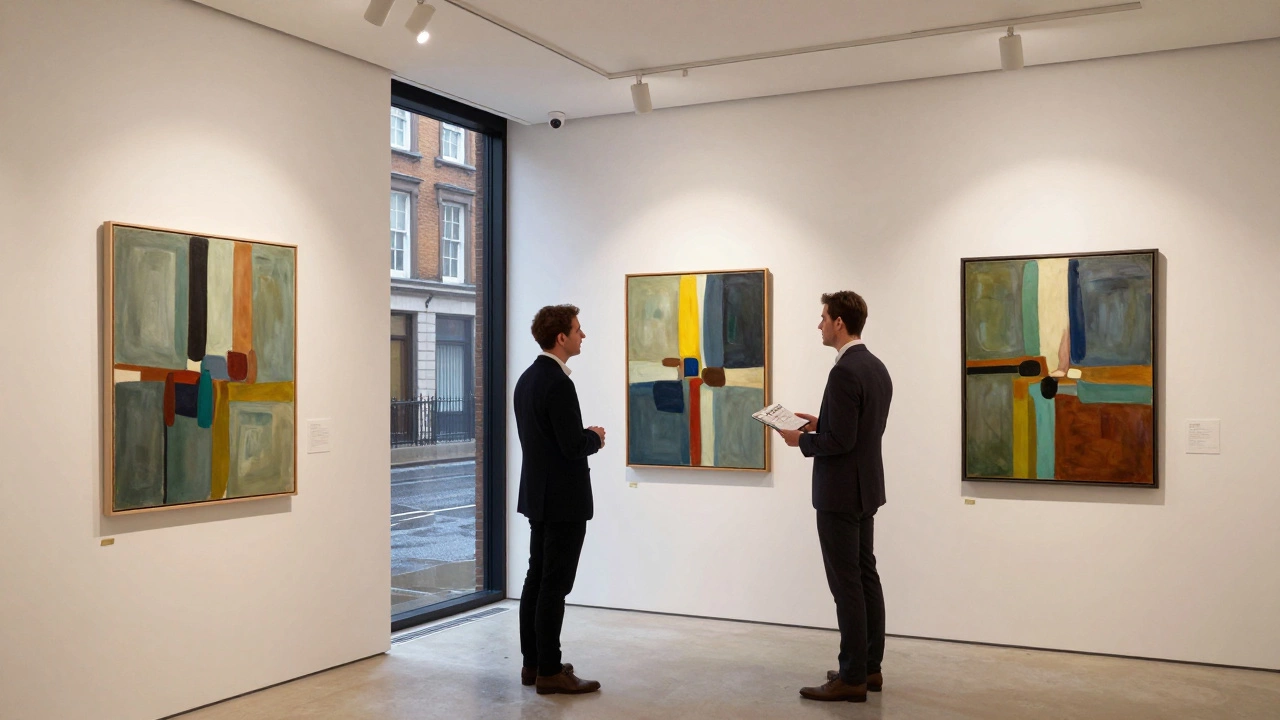
Commercial galleries are the most visible type. You’ll find them in major art districts like Chelsea in New York, Mayfair in London, or the Marais in Paris. These spaces exist to sell art. Their bottom line is profit. They take a cut-usually between 40% and 60%-when an artwork sells. In return, they handle marketing, PR, client relations, framing, shipping, and sometimes even studio visits with collectors.
These galleries often represent a small roster of artists they believe have market potential. They don’t just display work; they build careers. A commercial gallery might stage a solo show for an emerging artist, then pitch the pieces to museums, private collectors, or corporate buyers. If the artist sells well, the gallery may offer a contract and help them transition from part-time creator to full-time professional.
But there’s a trade-off. Commercial galleries are selective. They won’t show work that doesn’t fit current trends or appeal to buyers. If your art is too experimental, too political, or too unconventional, you might not get a slot. That’s why many artists use commercial galleries as one part of their strategy-not the only path.
Non-Profit Galleries
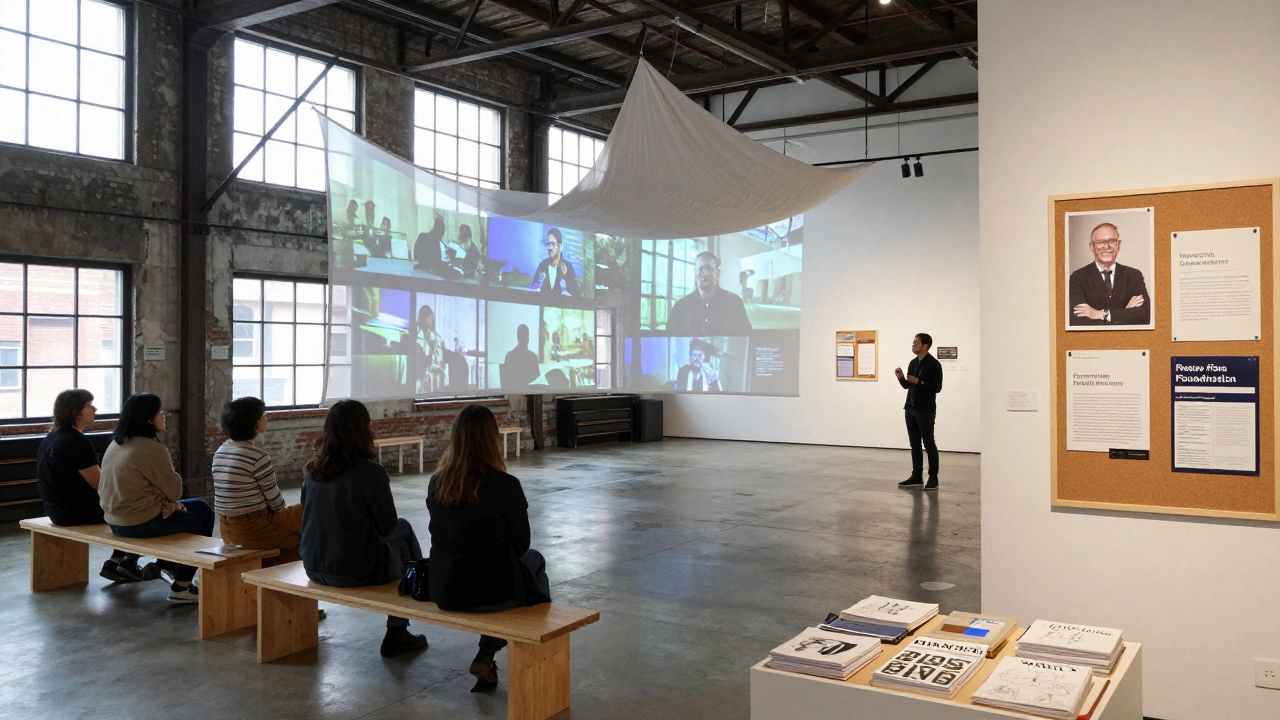
Non-profit galleries, also called alternative spaces or artist-centered institutions, exist to support art-not sales. They’re funded by grants, donations, public arts councils, or endowments. Their mission is to experiment, educate, and give space to work that commercial galleries won’t touch. Think of them as incubators for radical ideas, underrepresented voices, or complex installations that need time and context to be understood.
These galleries rarely sell art. When they do, proceeds usually go back to the artist or fund future exhibitions. They often host artist talks, workshops, panel discussions, and community events. You might find a non-profit gallery in a repurposed warehouse, a library basement, or even a storefront in a neighborhood with little foot traffic. Their success isn’t measured by revenue but by impact: Did the exhibition spark conversation? Did it challenge norms? Did it give a platform to someone who wouldn’t otherwise be seen?
Many major museums started as non-profits. The Whitney Museum began as a small space for American artists rejected by the Metropolitan. Today, non-profits like the Kitchen in New York or the Serpentine Galleries in London still push boundaries, often collaborating with artists on long-term projects that last months or even years.
Artist-Run Galleries
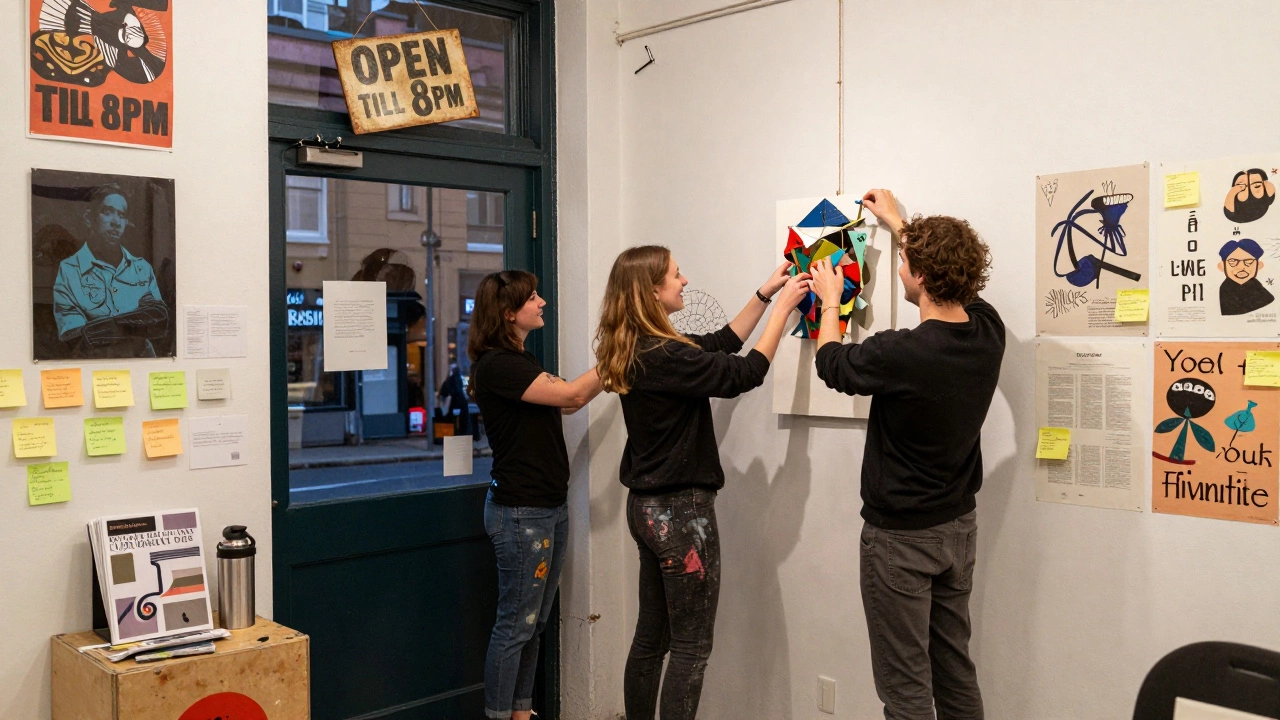
Artist-run galleries are the most grassroots. They’re started by artists, for artists. These spaces are often temporary, DIY, and fiercely independent. You might find one in a rented apartment, a garage, a pop-up shop, or even a shared studio. The artists who run them handle everything: hanging the show, writing the press release, managing the opening, cleaning up after.
There’s no middleman. No gallery owner taking a cut. No corporate sponsor dictating what’s ‘marketable.’ Artists curate each other’s work, often swapping roles-this month you show, next month you help hang someone else’s show. These galleries thrive on trust, shared values, and mutual support. They’re common in cities with low-cost living, like Berlin, Mexico City, or Detroit, where rent is low and the art scene is tight-knit.
Many artist-run spaces are short-lived. Some last only a few months. Others evolve into non-profits or commercial galleries. But their impact is real. They’ve launched careers, created networks, and kept experimental art alive when mainstream institutions ignored it. In 2023, a group of recent graduates in Glasgow opened a gallery in a vacant bookstore. Within a year, three of the artists were invited to participate in the Venice Biennale.
How to Tell Them Apart
Here’s a quick way to tell which type of gallery you’re in:
- Commercial: Look for price tags. If you see them, it’s likely a commercial space. Check the website-do they list artists under "Represented Artists"? Do they mention collectors or auctions? That’s a sign.
- Non-Profit: Look for funding logos: "Supported by the National Endowment for the Arts," "Funded by the Ford Foundation." Do they offer free admission? Do they host lectures or educational programs? That’s a non-profit.
- Artist-Run: Look for handwritten signs, Instagram posts from the artists, or a lack of formal branding. Do the staff look like they just finished painting? Do they hand you a zine instead of a brochure? You’re probably in an artist-run space.
Some spaces blur the lines. A commercial gallery might host a non-profit exhibition as a special project. An artist-run space might sell a piece to fund the next show. But the core mission stays clear: one is for profit, one is for public good, and one is for peer support.
Why It Matters
Understanding these types isn’t just for art students or curators. It’s for anyone who cares about what art does in society. If you’re buying art, knowing the difference helps you decide what you’re supporting. Are you funding a career? A movement? A community? If you’re an artist, it helps you choose where to show your work. Do you need sales? Exposure? Creative freedom? Each gallery type answers those questions differently.
Art doesn’t exist in a vacuum. It moves through systems. And those systems are shaped by who runs them, who pays for them, and what they’re trying to achieve. The three types of galleries-commercial, non-profit, and artist-run-represent three different ways the art world keeps itself alive. One sells. One serves. One builds.
Can an artist exhibit in more than one type of gallery?
Yes, many artists show in multiple types of galleries at the same time. A painter might have a solo show at a commercial gallery, contribute to a group exhibition at a non-profit space, and co-curate a pop-up show with fellow artists in a warehouse. Each space serves a different purpose: sales, visibility, or experimentation. Having a mix of exhibitions helps artists build both income and credibility.
Do non-profit galleries ever sell art?
It’s rare, but sometimes they do. If a piece sells, the money usually goes directly to the artist, not the gallery. The gallery might use the funds to cover exhibition costs or fund future projects. Most non-profits avoid putting price tags on work to keep the focus on the art, not commerce. But if a collector asks, they’ll often provide a price list privately.
Are artist-run galleries professional?
Professionalism isn’t about fancy brochures or polished websites. It’s about consistency, respect, and integrity. Many artist-run galleries operate with the same rigor as major institutions-they just do it with limited resources. They write press releases, host opening receptions, document shows with photos, and submit applications for grants. Some even get reviewed in major art magazines. Their professionalism comes from dedication, not funding.
How do I find artist-run galleries in my city?
Start with local art schools, university bulletin boards, or artist collectives on Instagram. Check out neighborhood Facebook groups or local zine fairs. Many artist-run spaces don’t have websites-they rely on word of mouth. Attend openings, talk to the artists, and ask where else they show. Often, they’ll point you to other underground spaces. The best ones are hidden by design.
Which type of gallery is best for emerging artists?
For emerging artists, non-profit and artist-run galleries are often the best starting points. They’re more open to experimentation and don’t require a sales track record. A strong show in a respected non-profit space can lead to press, connections, and eventually interest from commercial galleries. Trying to land a commercial gallery too early can lead to rejection or pressure to change your work. Build your reputation first.
What Comes Next?
If you’re curious about where to see these galleries in person, start with your local art school or public library-they often have lists of local spaces. Visit a few. Talk to the people working there. Ask questions. The more you see, the more you’ll notice how each space shapes the art it holds. The right gallery doesn’t just display art-it gives it context, meaning, and a voice.