Portrait Description Generator
Visual Preview
Lighting & Shadow
Color Palette
Expression & Gaze
Generated Analysis
Adjust the settings above and click "Generate Portrait Description" to create a detailed analysis of your imagined portrait.
Key Descriptive Terms:
Staring at a portrait can feel like standing in front of a mirror that doesn't quite reflect your own face. You see the eyes, the nose, the mouth, but something deeper is happening there-a conversation between the artist’s hand and the viewer’s mind. Describing a portrait isn’t just about listing features; it’s about decoding the emotional and technical language the painter used to capture a human presence on canvas.
Whether you are an art student writing a critique, a curator cataloging a collection, or simply someone trying to articulate why a specific image moved you, knowing how to describe a portrait painting is a genre of art that focuses on depicting a person, capturing their appearance, personality, and mood through visual means requires more than basic vocabulary. It demands an understanding of light, composition, texture, and psychological depth. This guide breaks down the process into manageable layers, helping you move from simple observation to rich, evocative description.
The Foundation: Subject and Context
Before diving into brushstrokes or color theory, you must establish who is in the painting and why they matter. The subject is the anchor of any portrait. Is it a self-portrait, where the artist turns the gaze inward? Or is it a commissioned work meant to convey status, power, or beauty? Understanding the context changes everything. A portrait of a king in the 17th century serves a different purpose than a candid street portrait from the 20th century.
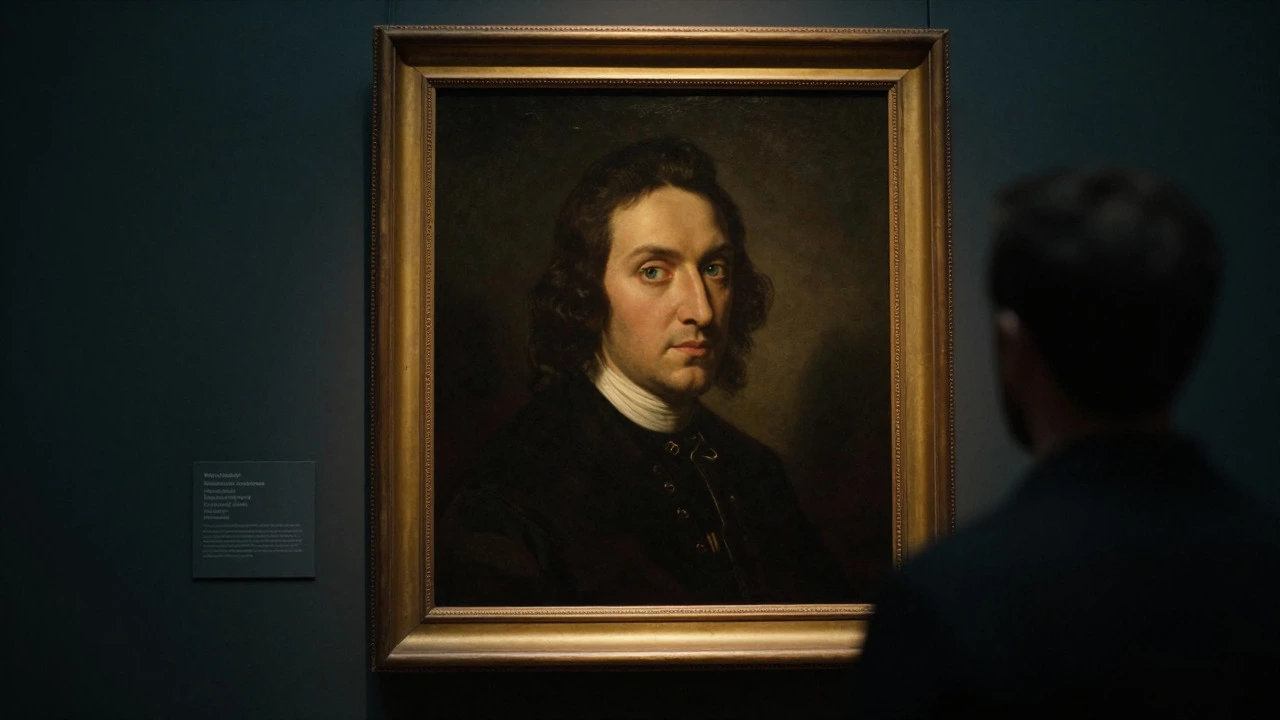
When describing the subject, focus on their pose and expression. Are they looking directly at the viewer, creating an immediate connection? Or is their gaze averted, suggesting introspection or secrecy? Consider the body language. Crossed arms might indicate defensiveness, while an open posture suggests vulnerability or confidence. These non-verbal cues are the first layer of storytelling in any portrait.
- Identity: Who is depicted? (e.g., a monarch, a child, an unknown individual)
- Pose: How is the body positioned? (e.g., seated, standing, reclining)
- Gaze: Where are the eyes directed? (e.g., direct eye contact, looking away)
- Expression: What emotion is conveyed? (e.g., joy, melancholy, neutrality)
Lighting and Shadow: The Mood Maker
Light is not just illumination; it is the sculptor of form and the director of mood. In portrait painting, lighting choices define the atmosphere. If the light source is coming from one side, casting half the face in darkness, this technique-known as chiaroscuro-creates drama and intensity. Think of Rembrandt’s portraits, where deep shadows hide details and force the viewer to focus on the illuminated eyes and forehead.
Conversely, soft, diffused light often creates a gentle, romantic, or idealized effect. This was common in Renaissance portraiture, where artists sought to flatter their subjects by smoothing out imperfections. When describing light, ask yourself: Is it harsh and directional, or soft and ambient? Does it highlight textures like wrinkles and skin pores, or does it smooth them over? The quality of light tells you how the artist wants you to feel about the subject.
Color Palette and Emotional Tone
Colors evoke emotions before we even process the image logically. A warm palette dominated by reds, oranges, and yellows can suggest passion, energy, or warmth. Cool tones like blues, greens, and purples often convey calmness, sadness, or detachment. But it’s not just about hue; it’s about saturation and value. Muted, desaturated colors can create a sense of nostalgia or decay, while vibrant, high-saturation hues demand attention and feel modern or urgent.
Pay attention to the background color as well. A neutral gray background keeps the focus entirely on the face, while a busy, colorful background might provide context about the subject’s environment or social status. For example, a portrait set against a backdrop of books and maps immediately signals intellect and exploration. The interplay between the skin tones and the surrounding colors also matters. Complementary colors can make the face pop, while analogous colors create harmony and subtlety.
Composition and Framing
How the subject is placed within the frame dictates how your eye moves across the canvas. A head-and-shoulders portrait feels intimate and personal, forcing you to confront the subject’s expression. A full-length portrait includes body language and clothing, offering more narrative context. Then there is the cropping. Is the head cut off at the top? This can create a sense of immediacy or tension, as if the moment is unfolding right now.
Consider the use of space. Negative space-the empty area around the subject-can emphasize isolation or freedom. If the subject is cramped in the corner, it might suggest confinement or anxiety. Symmetry often conveys stability and formality, while asymmetry introduces dynamism and interest. The rule of thirds is a common compositional tool where key elements (like the eyes) are placed along imaginary lines that divide the canvas into nine equal parts, creating a more engaging balance than centering everything perfectly.
Brushwork and Texture
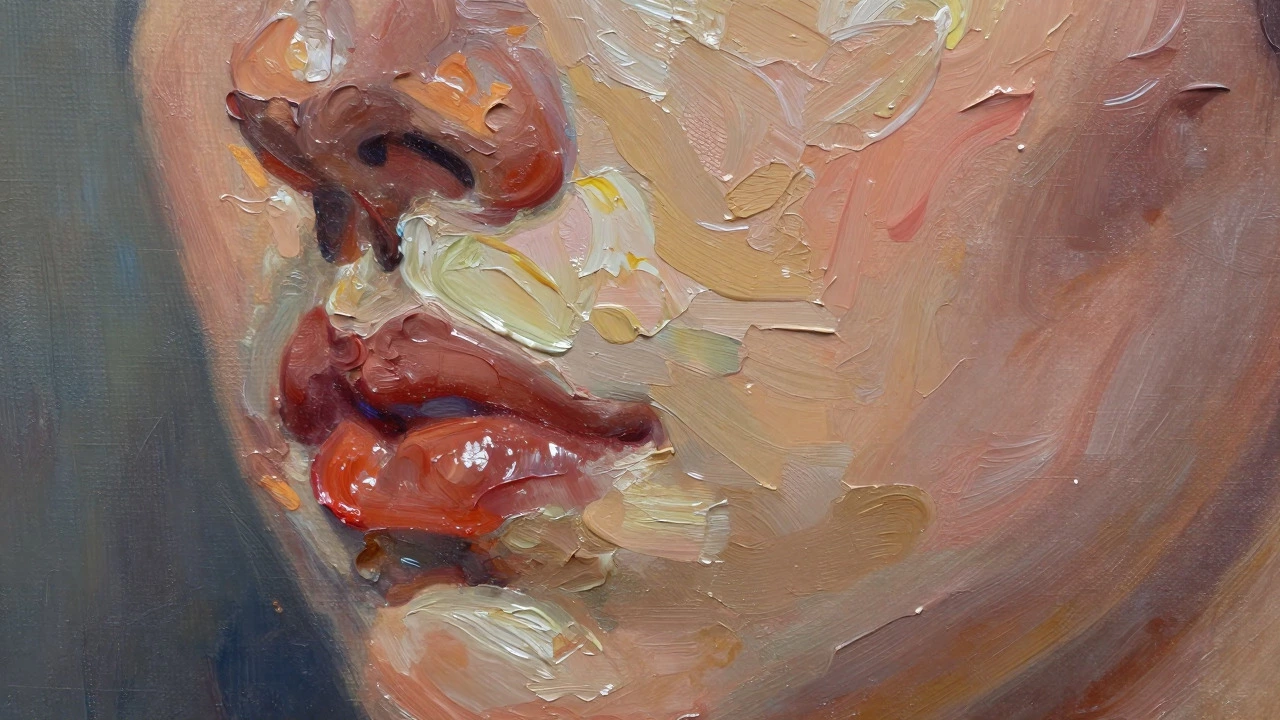
The physical application of paint reveals the artist’s hand and intent. Thick, visible brushstrokes (impasto) add texture and energy, making the surface of the painting feel alive and tactile. This style is often associated with Expressionism, where the emotion of the act of painting is as important as the likeness. On the other end of the spectrum, smooth, blended brushwork (glazing) creates a polished, realistic finish, hiding the mechanics of the paint to present an idealized illusion.
Look closely at the edges. Are they sharp and defined, giving a crisp, photographic quality? Or are they soft and blurred, allowing forms to merge into one another? Soft edges can create a dreamlike or hazy atmosphere, while hard edges assert clarity and precision. The texture of the skin, hair, and clothing should be described in terms of how the paint behaves-is it rough and gritty, or silky and smooth?
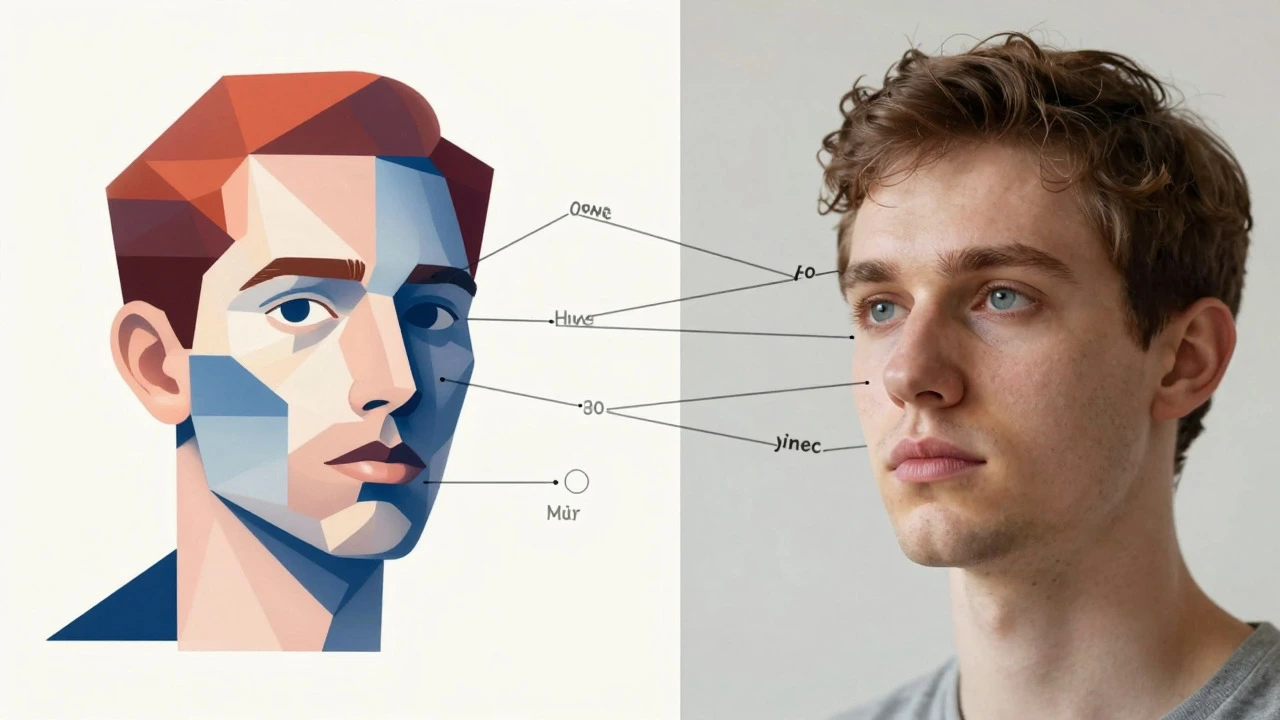
Psychological Depth and Narrative
Beyond the technical aspects, a great portrait offers a window into the soul. What story is the subject telling? Are they hiding something behind a smile? Do their eyes show weariness despite their youthful appearance? Describing the psychological depth involves interpreting the subtle cues that go beyond mere representation. It’s about sensing the tension between what is shown and what is implied.
Consider the relationship between the subject and the viewer. Does the portrait invite you in, or does it keep you at arm’s length? Some portraits feel like confessions, others like declarations of power. By analyzing these elements, you move from describing what you see to explaining what you feel, which is the ultimate goal of art criticism.
| Element | What to Look For | Descriptive Keywords |
|---|---|---|
| Lighting | Source direction, contrast level | Chiaroscuro, diffused, dramatic, soft, harsh |
| Color | Hue, saturation, temperature | Vibrant, muted, warm, cool, complementary |
| Composition | Framing, placement, negative space | Intimate, balanced, asymmetrical, cropped |
| Texture | Brushstroke visibility, surface quality | Impasto, smooth, blended, gritty, glossy |
| Expression | Eyes, mouth, posture | Melancholic, confident, introspective, defiant |
Putting It All Together: A Step-by-Step Approach
To write a compelling description, follow this structured approach. Start with the big picture, then zoom in on the details, and finally, interpret the meaning. This ensures your description is both comprehensive and insightful.
- Identify the basics: State who is in the portrait and the general setting.
- Analyze the lighting: Describe how light shapes the face and sets the mood.
- Discuss color: Explain the palette and its emotional impact.
- Examine composition: Note how the subject is framed and positioned.
- Describe texture: Comment on the brushwork and surface quality.
- Interpret the psychology: Share your reading of the subject’s inner state.
By following these steps, you transform a simple observation into a rich, layered analysis that captures the essence of the artwork. Remember, there is no single "correct" way to describe a portrait. Your unique perspective and sensitivity to detail will make your description authentic and valuable.
What is the most important element in a portrait painting?
While all elements are interconnected, the eyes are often considered the most critical part of a portrait. They convey emotion, intention, and connection. However, lighting plays an equally vital role in shaping how those eyes-and the rest of the face-are perceived.
How do I describe the mood of a portrait?
Focus on the combination of lighting, color, and expression. Use adjectives that reflect the emotional tone, such as "somber," "joyful," "tense," or "serene." Explain how specific artistic choices, like dark shadows or bright colors, contribute to this feeling.
What is the difference between a realistic and an expressive portrait?
A realistic portrait aims for accurate likeness and detailed representation, often using smooth blending and precise anatomy. An expressive portrait prioritizes emotion and artistic interpretation, potentially distorting features or using bold, non-naturalistic colors to convey inner feelings.
Why is composition important in portraiture?
Composition guides the viewer's eye and establishes the relationship between the subject and the space. Good composition ensures balance, highlights key features like the eyes, and reinforces the narrative or emotional intent of the painting.
Can I describe a portrait without knowing art history?
Absolutely. While art history provides context, personal observation is powerful. Focus on what you see and feel. Describe the colors, the light, and the expressions honestly. Your subjective experience is valid and adds richness to the description.