Contemporary Art Form Finder
Which artistic approach describes your idea or the experience you're having?
Click on the description that best fits to discover the art form.
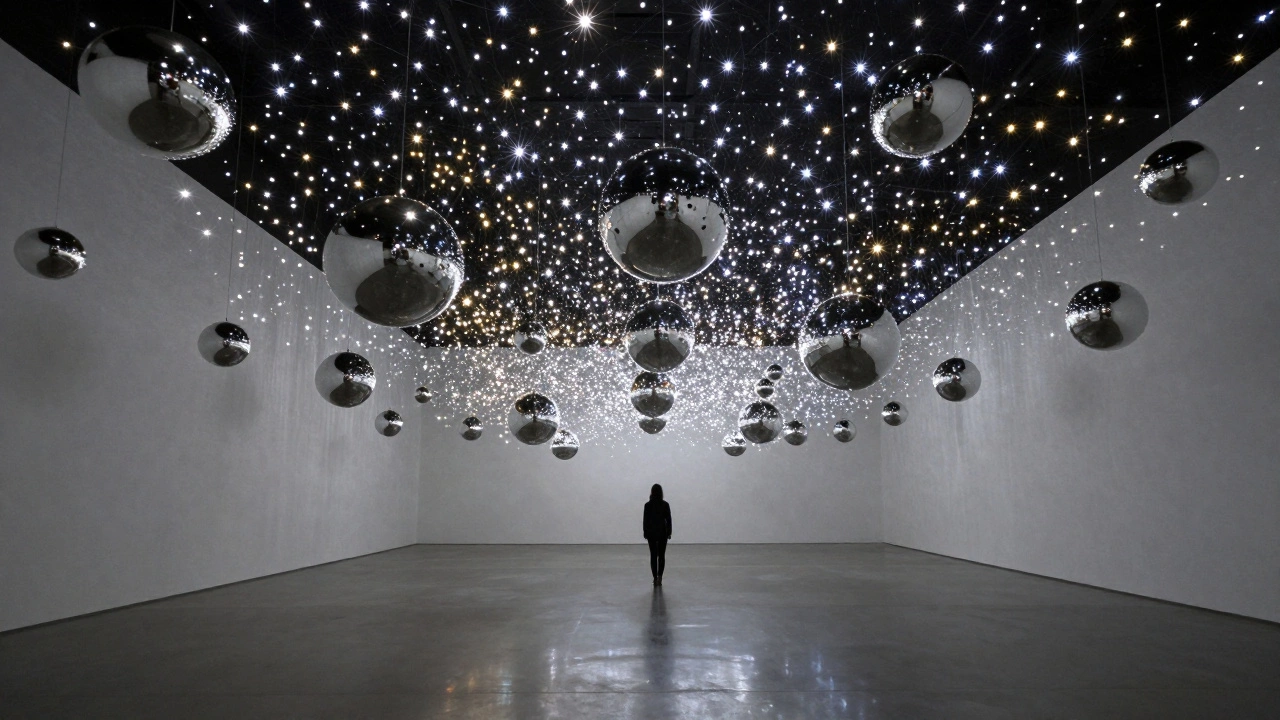
I want to change the entire room and make the viewer walk through the art.
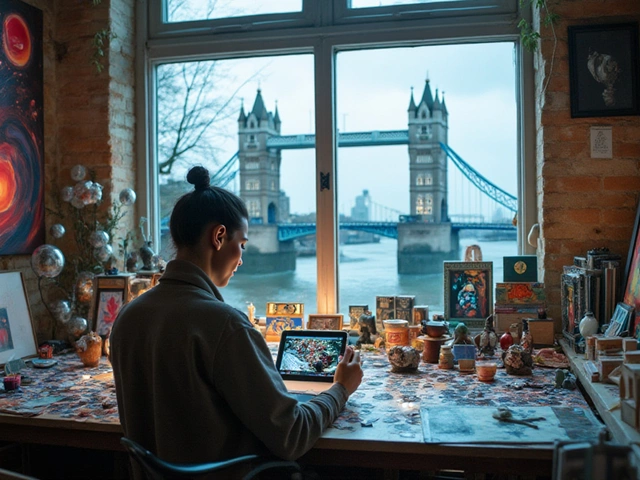
I'm using code, screens, or virtual reality to explore new frontiers.
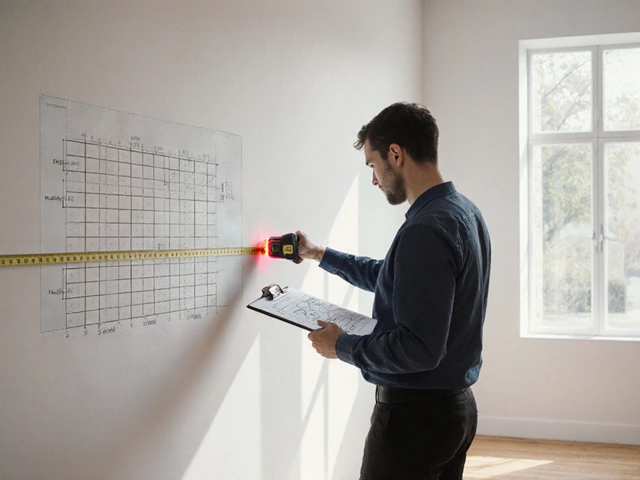
The final object doesn't matter; the intellectual idea is the real art.
I am using my own body and time to create a live, ephemeral experience.
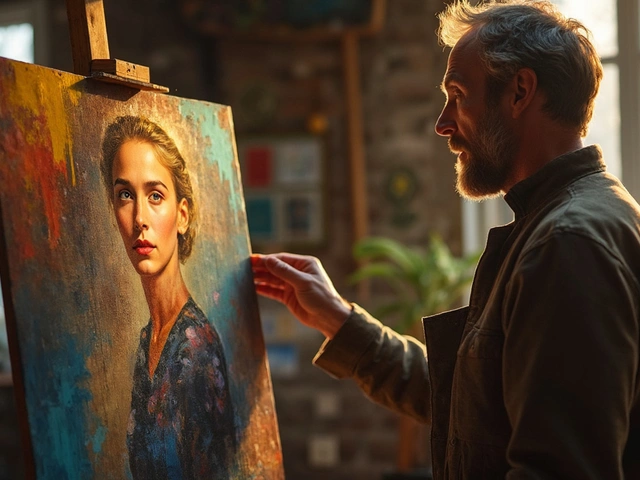
I'm layering different materials, like paint with fabric and digital prints.
Key Takeaways
- Contemporary art prioritizes the concept or the experience over traditional technical skill.
- The five primary forms include Installation, Digital, Conceptual, Performance, and Mixed Media art.
- These forms often overlap, blending physical objects with virtual environments.
- The meaning is often a collaboration between the artist's intent and the viewer's perspective.
To understand where we are, we first need to define the beast. Contemporary Art is the art produced in the second half of the 20th century and the 21st century, reflecting the complexities of modern global society. Unlike traditional art, it doesn't stick to one medium. It uses everything from cardboard to code to challenge how we see the world.
Installation Art: Changing the Space
If a painting is a window you look through, installation art is a room you walk into. It's designed to transform a specific space, often using a mix of materials to create an immersive environment. The goal isn't just for you to look at an object, but to feel the scale and atmosphere of the work. For example, think of Yayoi Kusama's "Infinity Mirror Rooms," where mirrors and LED lights create a sense of endless space that makes the viewer feel like they're floating in a galaxy.
The magic of installation art lies in its site-specificity. This means the work is often created for one exact spot, and moving it changes the meaning. Many artists use
found objects is
everyday items repurposed as art to bridge the gap between reality and imagination
to make the experience feel more grounded or unsettling. When you stand inside a massive installation, you stop being a passive observer and become part of the piece itself.
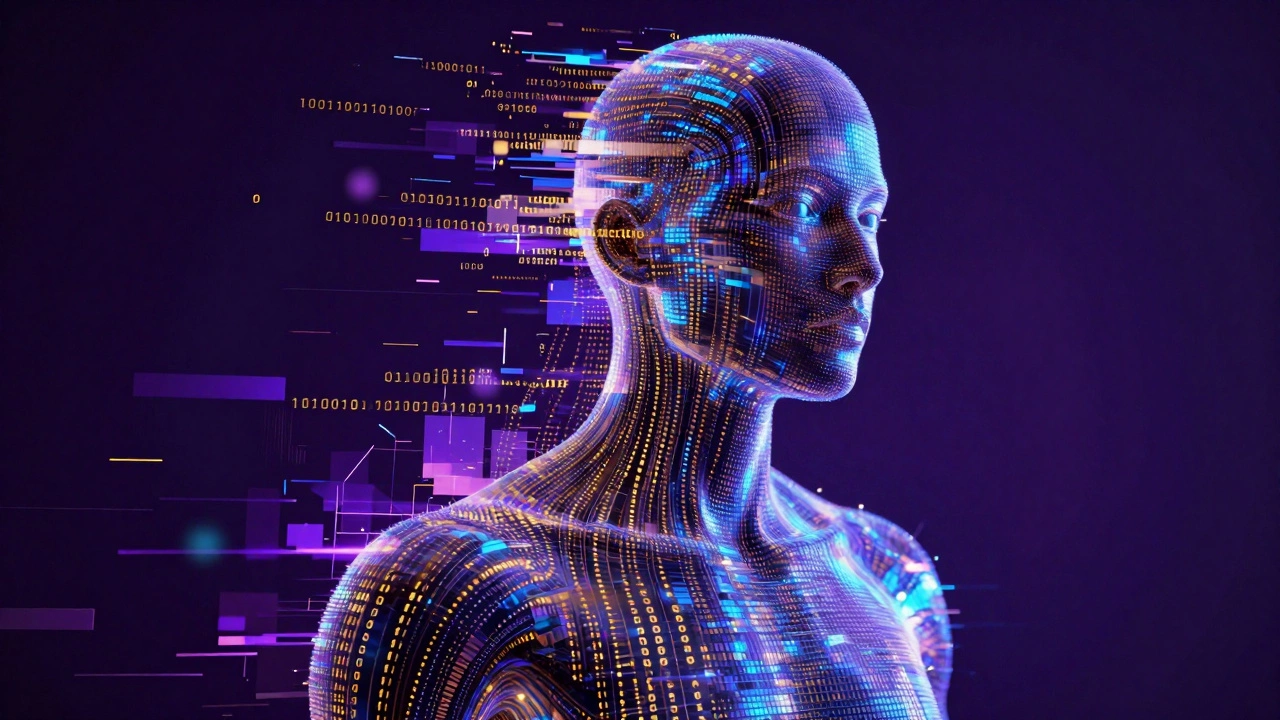
Digital Art: The New Frontier
We can't talk about art today without talking about the screen.
Digital Art is
an artistic practice that uses digital technology as an essential part of the creative or presentation process. This is a massive umbrella that covers everything from a simple drawing on an iPad to complex algorithms that create art on their own.
In recent years, we've seen the rise of Generative Art, where the artist writes a set of rules (code), and the computer produces the final image. This shifts the artist's role from a painter to a curator of possibilities. We also see a huge surge in VR (Virtual Reality) and AR (Augmented Reality), where the artwork exists only when you put on a headset or hold up a phone. It turns the physical gallery into a playground of pixels. While some argue that digital art lacks the "soul" of a brushstroke, the ability to iterate and experiment at light speed has opened doors that traditional media simply couldn't.
Conceptual Art: Ideas Over Aesthetics
This is where people often get confused.
Conceptual Art is
a movement where the idea or concept behind the work is more important than the finished art object. In this world, the "art" isn't necessarily the thing you see with your eyes; it's the thought process that led to it.
Imagine a gallery with a single chair and a photograph of that chair, accompanied by a dictionary definition of the word "chair." That's a classic example of conceptualism. It asks you: which one is the "real" chair? The physical object, the image, or the idea? This form of art strips away the need for beauty or craftsmanship and replaces it with a puzzle. It forces the viewer to think critically rather than just admire a technique. It's a mental exercise masquerading as an exhibition.
Performance Art: The Body as a Canvas
In performance art, the medium isn't paint or clay-it's the human body and time.
Performance Art is
a live artistic expression where the artist's actions constitute the work, often involving a relationship between the performer and the audience. Unlike theater, there is usually no script or "character." The artist is presenting a real experience in real-time.
Think of Marina Abramović, who spent hundreds of hours sitting silently in a chair at the MoMA while strangers sat across from her. The "art" was the tension, the eye contact, and the emotional reaction of the people involved. Performance art is often ephemeral, meaning it disappears once the act is over, leaving only photographs, videos, or memories. This creates a sense of urgency; if you weren't there, you missed it. It challenges the idea of art as a commodity that can be bought and sold in a frame.
Mixed Media: Breaking the Rules
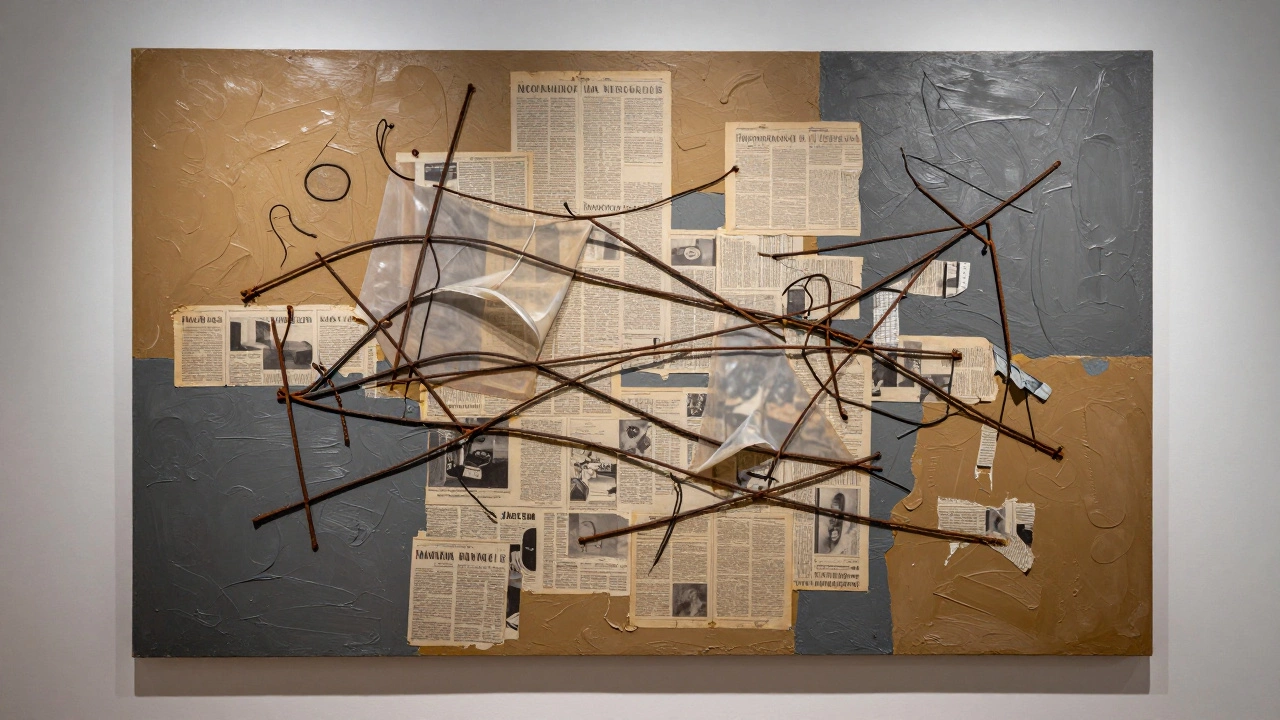
Finally, we have the shapeshifter: Mixed Media. This is the practice of combining different materials in one work-like mixing acrylic paint with sand, fabric, and digital prints. It's the ultimate "why choose?" approach to creativity.
Mixed media allows artists to add texture and layers that a single medium can't provide. An artist might start with a traditional canvas but then glue on newspaper clippings and use a projector to cast moving images over the top. This layering often mirrors the chaos of modern life, where we are bombarded by physical and digital information simultaneously. It's a way of building a richer, more tactile narrative that engages multiple senses at once.
| Form | Primary Medium | Viewer's Role | Core Goal |
|---|---|---|---|
| Installation | Physical Space/Objects | Immersive Participant | Atmospheric Experience |
| Digital | Software/Pixels/Code | Observer/User | Innovation & Exploration |
| Conceptual | Ideas/Text/Symbols | Critical Thinker | Intellectual Challenge |
| Performance | Human Body/Time | Witness/Co-creator | Emotional Connection |
| Mixed Media | Hybrid Materials | Visual Explorer | Textural Depth |
How to Navigate a Contemporary Gallery
If you're feeling lost the next time you hit a gallery, stop trying to "solve" the art. You don't need a degree in art history to appreciate a piece. Instead, ask yourself a few simple questions:
- How does this make me feel? (Uncomfortable? Curious? Calm?)
- Why did the artist choose this specific material? (Why use rust instead of gold?)
- What happens if I look at this from a different angle or distance?
- Is the meaning in the object itself, or in the reaction it creates in me?
The beauty of the current era is that there are no wrong answers. Whether it's a glitchy screen or a pile of salt on the floor, the work is successful if it makes you stop, think, and question your surroundings. The boundary between the artist and the audience has thinned, making the experience a two-way street.
Is conceptual art actually considered "real" art?
Yes. While it doesn't rely on traditional skills like painting or sculpting, it is valued for its intellectual contribution. In the art world, the "value" shifted from the physical object to the idea during the mid-20th century, making the concept the primary work of art.
What is the difference between modern art and contemporary art?
Modern art generally refers to the period from the 1860s to the 1970s (think Picasso or Dalí). Contemporary art is what is happening right now, from the late 20th century to today. Modern art was about breaking tradition; contemporary art is about questioning the nature of art itself.
Can digital art be a physical installation?
Absolutely. This is often called "New Media Art." It happens when digital elements-like projection mapping or interactive screens-are integrated into a physical room, creating a hybrid experience that is both digital and an installation.
Why is performance art so controversial?
Because it often pushes physical and social boundaries. Since it uses the human body, it can deal with pain, nudity, or extreme endurance, which can be shocking. Additionally, because it can't be "owned" like a painting, it challenges the commercial art market.
What materials are common in mixed media art?
Almost anything. Common pairings include oil paint with charcoal, collage elements like newspaper or fabric, and industrial materials like wire, plastic, or metal. The key is the intentional layering of contrasting textures.