
What Makes a Great Portrait Painting? 7 Elements That Create Impact
Discover the 7 key elements that make a portrait painting truly great, from captivating eyes and dramatic lighting to honest character depiction and effective composition.
Discover the 7 key elements that make a portrait painting truly great, from captivating eyes and dramatic lighting to honest character depiction and effective composition.

Learn whether to paint the background first in oil painting. Explore traditional layering, wet-on-wet techniques, and pro tips for depth and realism.

Can you make a living painting portraits? Yes, but it requires strategy. Learn pricing, niches, and client management to build a sustainable art career in 2026.

Learn how to start making abstract art with this beginner-friendly guide. Discover essential supplies, mindset shifts, and step-by-step techniques to unlock your creative expression.

Discover why yellow and blue were Vincent Van Gogh's favorite colors and how to translate his bold oil techniques into vibrant watercolor paintings using optical mixing and contrast.
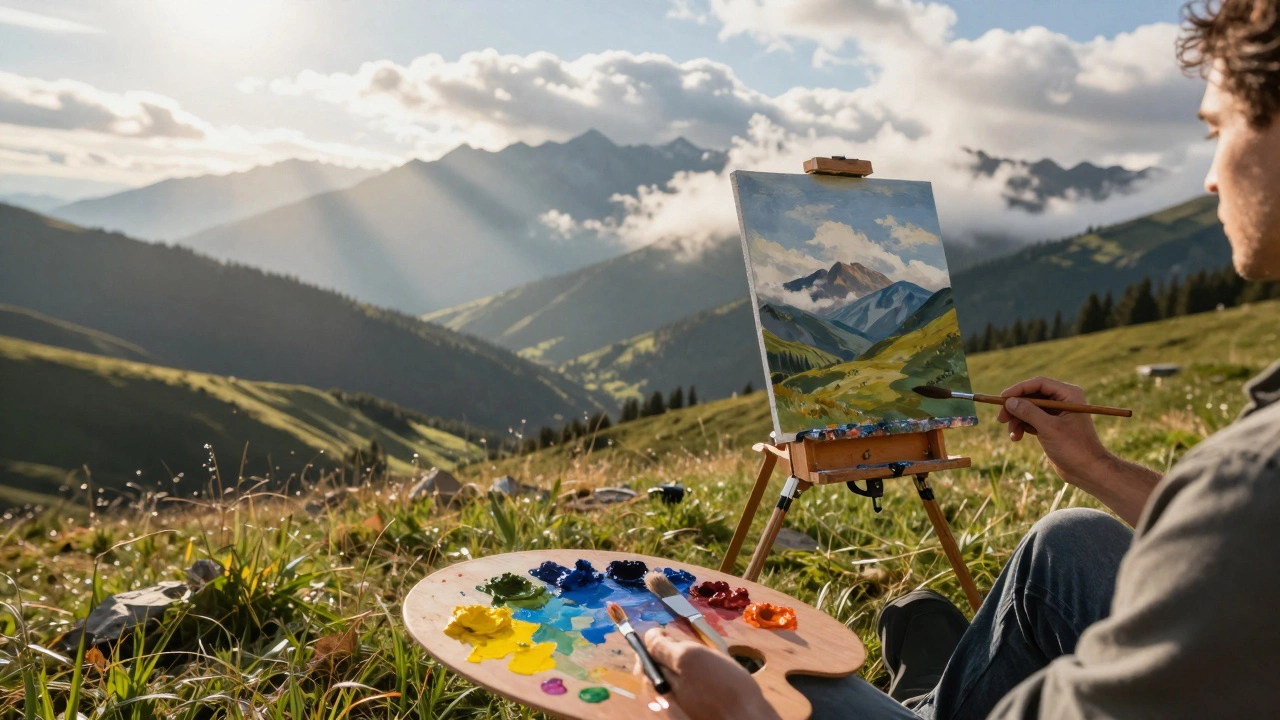
Discover why landscape painting feels challenging and how to overcome common hurdles. Learn practical tips on perspective, color mixing, and outdoor techniques to boost your confidence.

Struggling with buckling watercolor paper? Discover effective alternatives to traditional stretching, including masking tape methods, painting on gessoed boards, and using heavyweight paper. Learn how to keep your surfaces flat without the mess.
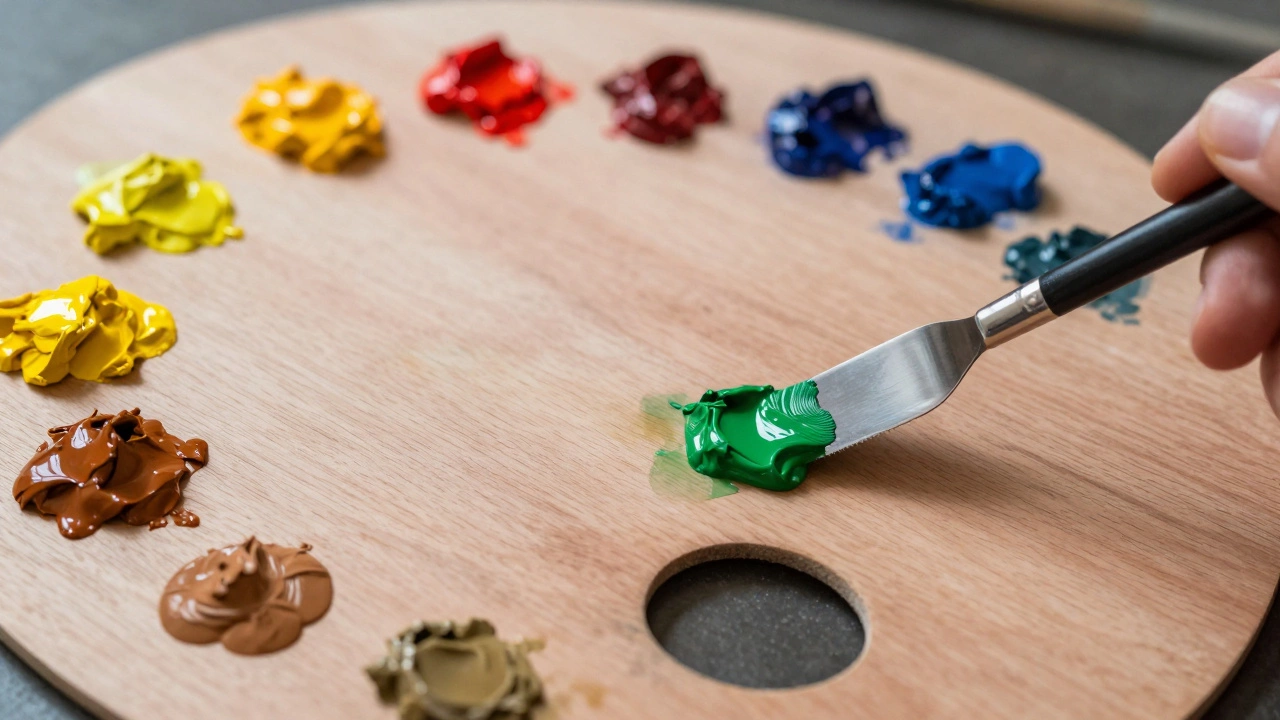
Learn how to choose and mix the perfect colors for your landscape paintings. Discover the secrets of realistic greens, atmospheric perspective, and natural shadows.

Painting a canvas white before oil painting isn't about brightness - it's about control. Learn why this simple step prevents muddy colors, uneven drying, and wasted paint, and how to do it right for lasting results.
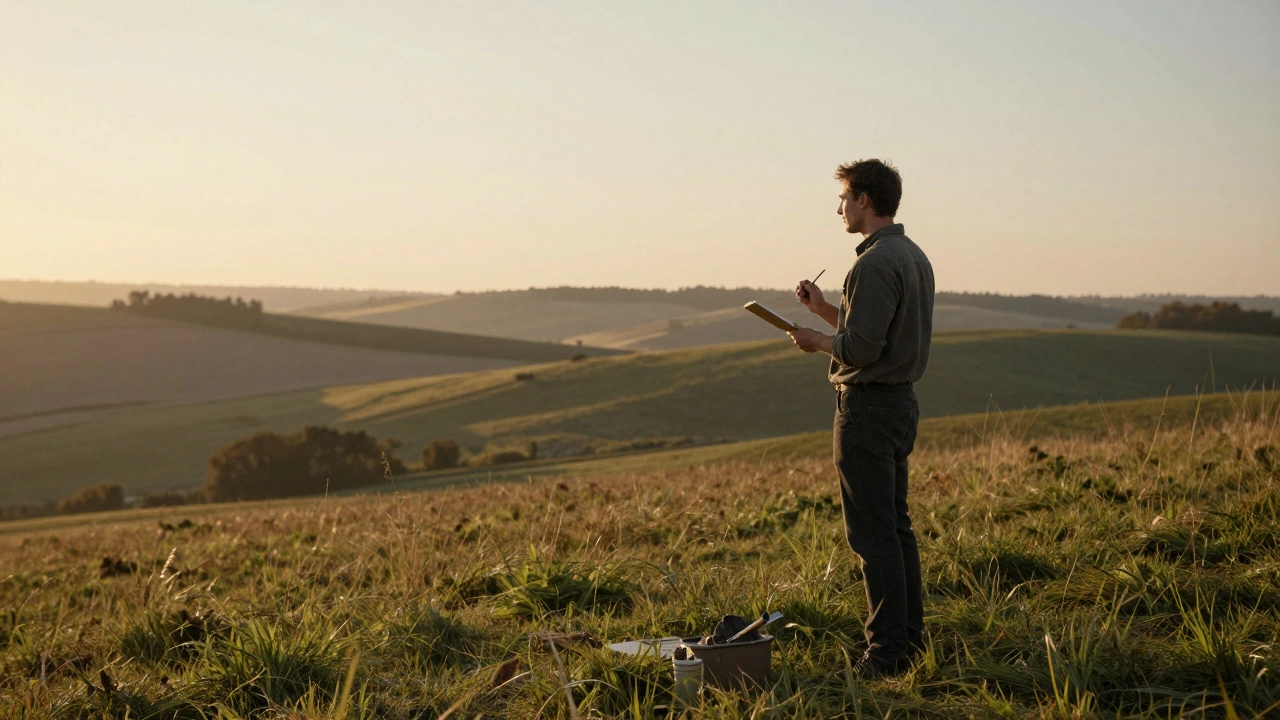
The first rule of landscaping in painting is the horizon line-it controls depth, scale, and mood. Get it right, and your landscape comes alive. Get it wrong, and nothing else matters.
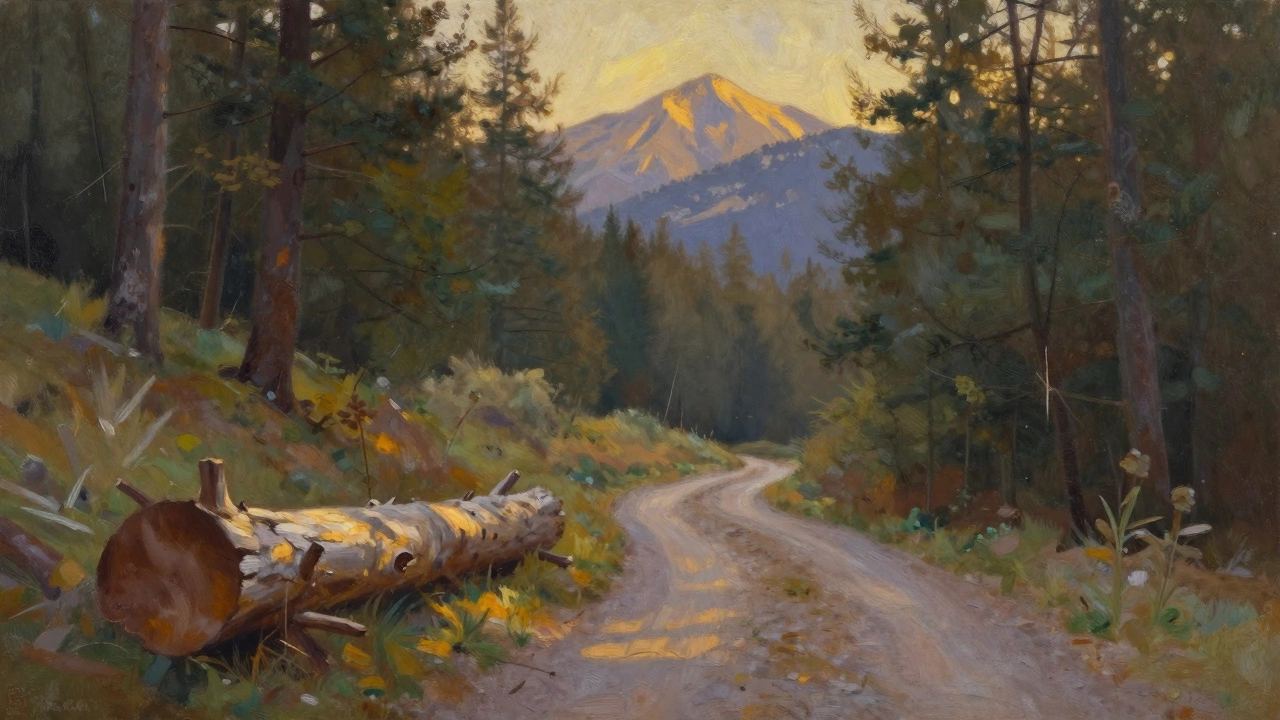
The first rule of landscaping in painting is to create a clear visual path that guides the viewer’s eye through the scene. Learn how composition, light, and focus turn a simple landscape into a compelling story.
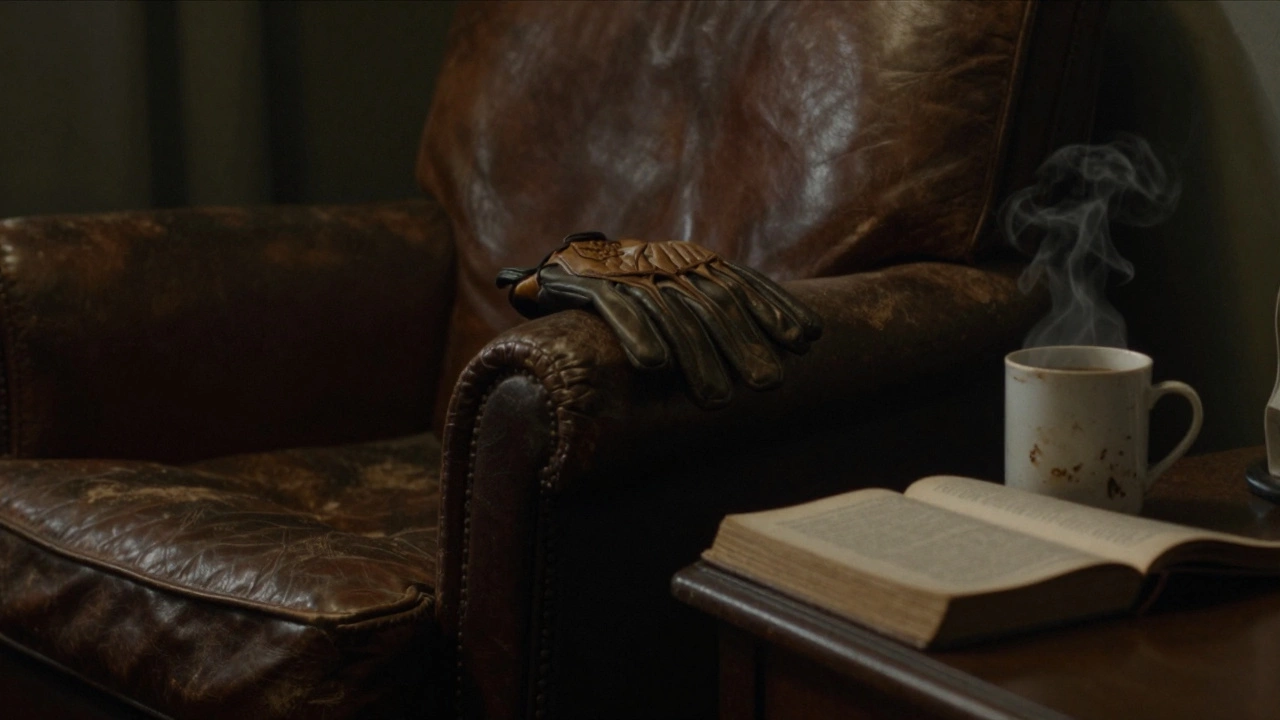
Portraits don't need to show a face to capture a person's identity. From historical paintings to modern art, artists use gesture, objects, and environment to reveal who someone is-without ever showing their face.