White Ground Calculator
Create the Perfect Base Layer
Optimize your oil painting preparation with this calculator based on the article's professional techniques
Recommended Mixture
For a smooth, non-absorbent surface that prevents sinking in
Pro Tips
- Use titanium white pigment mixed with linseed oil
- Apply in two directions (horizontal then vertical)
- Allow 24-48 hours drying time
Drying Time Recommendation
Ever watched an artist start a painting by covering the whole canvas in white? It seems backwards. You’re about to lay down rich blues, deep reds, and dark shadows - so why waste time and paint covering everything in a color you’ll mostly cover up? The answer isn’t about brightness. It’s about control.
It’s Not About Making Things Brighter
A lot of beginners think painting a canvas white first makes the final colors pop. That’s a myth. White paint under oil isn’t meant to lighten your palette - it’s meant to give you a stable, neutral base to build on. Oil paint is slow-drying, thick, and prone to sinking into the weave of the canvas. Without a barrier, your first layer of cadmium red or ultramarine blue will soak in unevenly. One area looks saturated; another looks dull. That’s not a mood. That’s a mess.What Actually Happens Without a White Ground
Try this: stretch a raw canvas, skip the white, and paint a simple sky with titanium white and a touch of cobalt blue. Watch what happens. The paint doesn’t sit on top - it gets pulled into the fibers. The blue sinks and turns muddy. The white turns grayish. You end up with a patchy, lifeless sky that looks like it was painted on wet paper. This isn’t just bad technique - it’s physics. Raw canvas absorbs oil like a sponge. The pigment loses its strength. The binder dries too fast in some spots, too slow in others. Colors become unpredictable.The White Ground Is a Barrier, Not a Background
The white layer you put down isn’t meant to be seen. It’s a seal. Think of it like undercoating a car before the final paint job. You’re not making the car look white - you’re making sure the topcoat sticks evenly, doesn’t peel, and doesn’t react with rust underneath. In painting, that rust is the raw linen. The white ground - usually titanium white mixed with a little linseed oil - creates a smooth, non-absorbent surface. Now when you lay down your alizarin crimson or sap green, the paint sits on top. It stays vibrant. It blends predictably. You can scrape it back, glaze over it, or build layers without worrying that the canvas is eating your color.It’s Not Just White - It’s a Specific White
Not all whites are the same. Some artists use lead white. Others use zinc white. Most modern painters use titanium white. Why? Titanium white is opaque, fast-drying, and doesn’t yellow over time like lead or even some linseed-oil-based whites. It’s stable. It’s strong. It’s the right tool for the job. You don’t just slap on any white - you mix it with just enough linseed oil to make it flow, not run. Too much oil and it takes forever to dry. Too little and it cracks. The ideal mix? One part oil to two parts pigment. That’s the sweet spot for a ground that seals but doesn’t crack.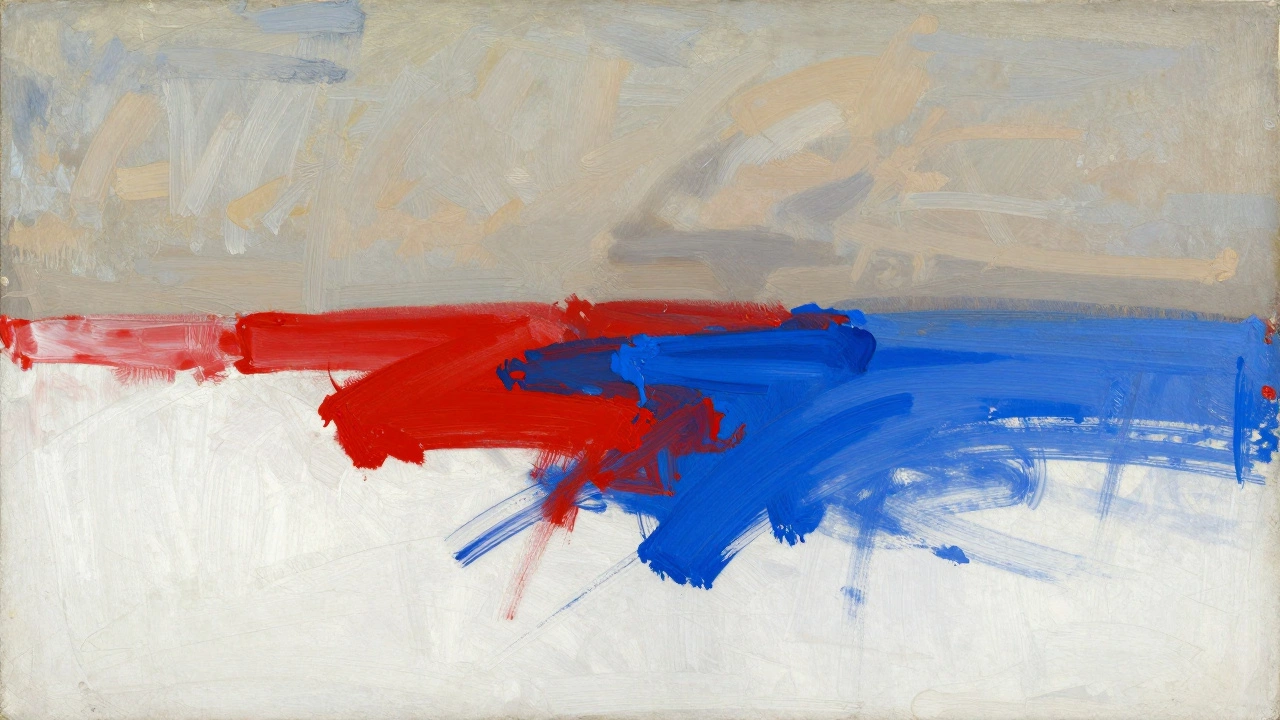
How Thick Should the White Layer Be?
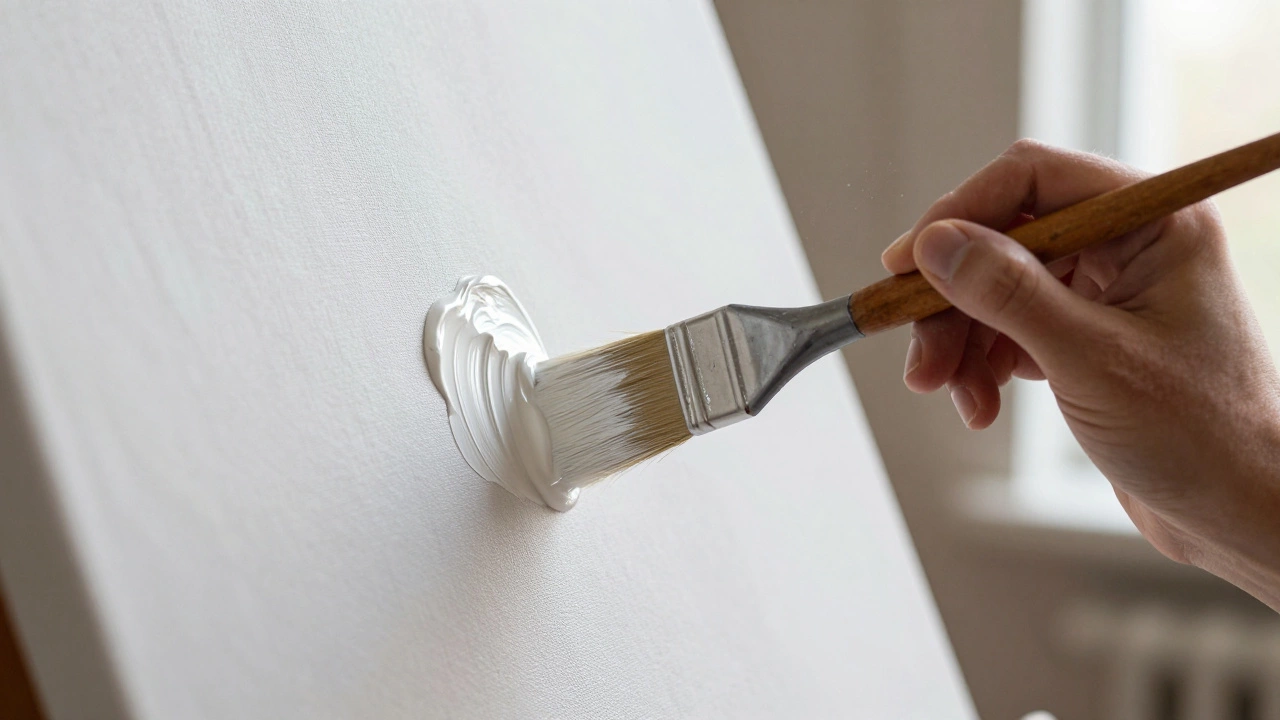
Thin. Not a thick blob. Not a paste. A smooth, even wash. Use a wide, flat brush - a 2-inch sable or synthetic flat works best. Load it lightly. Drag it across the canvas in one direction, then go perpendicular. Two passes. That’s it. You want to fill the weave, not pile paint on top. If you can still see the texture of the canvas peeking through slightly, you did it right. If it looks like a solid wall of white, you went too heavy. Too thick and it takes days to dry. You’ll end up smudging it with your next brushstroke. And if you’re painting in humid Vancouver weather like I am? That’s a recipe for mildew under the paint.What About Other Colors? Can You Use Gray or Tan?
Yes - and many pros do. A middle-value gray ground (like a 50% value) is popular among realists because it helps judge values better. A warm tan can give a glow to skin tones. But here’s the catch: those grounds still need to be sealed. You can’t just paint over raw canvas with a gray wash and call it done. You still need a binder - usually a mixture of white pigment and oil - to prevent absorption. The color changes the mood. The sealing does the work. If you’re starting out, stick with white. It’s forgiving. It’s neutral. It lets you focus on learning how paint behaves.What About Acrylics? Do They Need This Too?
Acrylics dry fast and don’t sink the same way oil does. But even acrylic painters use gesso - which is basically a white, chalky primer. Why? Because it creates a consistent texture. It stops the paint from soaking in too fast. It gives you something to grip onto. Oil painters use white ground. Acrylic painters use gesso. Same goal: control. The difference is in the chemistry. Oil needs oil-based sealers. Acrylics need water-based ones. Don’t confuse them. Using gesso under oil paint? Bad idea. It can crack. Using white oil ground under acrylic? Overkill. But for oil? It’s non-negotiable.Real Artists, Real Results
Look at Rembrandt’s sketches. Even his underpaintings have a uniform light tone. Look at Sargent’s portraits - the flesh tones glow because the ground beneath lets the color reflect, not disappear. Contemporary painters like Andrew Wyeth used a white ground to create luminous skin and fabric. This isn’t some outdated rule - it’s a technique that works because it solves a real problem. If you’ve ever painted something that looked dull, flat, or uneven, the root cause is often a lack of proper ground. Not your brushwork. Not your palette. The canvas itself.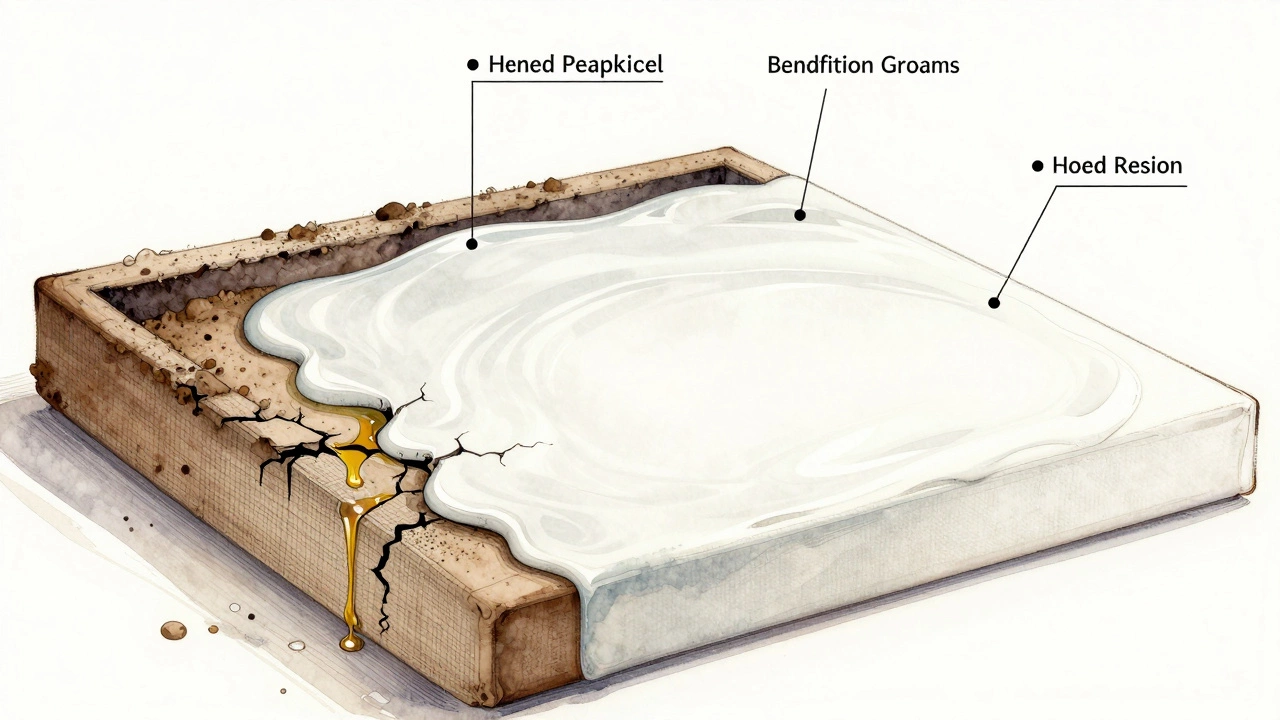
How to Do It Right - Step by Step
- Start with a properly stretched canvas. No sagging. No wrinkles.
- Use titanium white pigment. Not titanium dioxide in a tube - that’s paint. You want the pure pigment mixed with linseed oil.
- Mix 2 parts pigment to 1 part linseed oil. Stir until it’s like heavy cream.
- Use a wide flat brush. Load it lightly. Don’t dip - dab.
- Apply in two directions: horizontal, then vertical. One even coat.
- Let it dry for 24-48 hours in a dry, dust-free space. Vancouver humidity? Keep a fan running.
- Only then start your painting.
What Happens If You Skip This Step?
You’ll get inconsistent color. You’ll waste paint trying to fix patchy areas. You’ll get frustrated when your rich reds turn muddy. You’ll think you’re a bad painter - when really, you just didn’t prep right. I’ve seen students spend weeks on a painting, only to scrap it because the colors didn’t hold. They didn’t know the canvas was the problem. Once they tried the white ground? Their next painting looked like it was done by someone who’d been at it for ten years.It’s Not Magic. It’s Science.
Painting isn’t about talent. It’s about understanding materials. Oil paint reacts with surfaces. Canvas is porous. Pigments are fragile. The white ground isn’t about aesthetics - it’s about chemistry. It’s about giving your paint what it needs to do its job. You wouldn’t build a house on wet soil. Don’t build a painting on raw canvas.One Last Thing: Don’t Overthink It
You don’t need to buy special products. You don’t need to study for months. Just mix titanium white with a little linseed oil. Paint it on. Wait. Start. That’s it. The difference isn’t subtle. You’ll feel it the moment you lay down your first stroke. The brush glides. The color stays true. The surface feels alive. That’s the moment you stop guessing - and start painting.Do I have to use white? Can’t I just use gesso?
Gesso is fine for acrylics, but it’s not ideal for oil. Most gesso is water-based and contains chalk or calcium carbonate. When you put oil paint over it, the different drying rates can cause cracking over time. A white oil ground - made with titanium white and linseed oil - bonds better with oil paint and creates a more durable surface. Stick with oil-based ground for oil painting.
How long should I wait before painting over the white ground?
At least 24 hours, but 48 is safer - especially in humid climates. Oil dries from the top down. Even if it feels dry to the touch, it might still be soft underneath. If you start painting too soon, you’ll drag the ground around and ruin the seal. Patience here saves weeks of frustration later.
Can I use a pre-primed canvas from the store?
Yes - but check what kind of primer they used. Most store-bought canvases are gesso-primed, which works for casual painting. But if you’re serious about oil painting and want maximum control, color richness, and longevity, apply your own white oil ground over it. It adds a layer of consistency and depth that factory primers can’t match.
What if I want a dark background? Should I still use white?
Even for dark paintings, start with white. Then paint your dark tones over it. Why? Because you need the seal first. Once the ground is dry, you can glaze over it with burnt umber, payne’s gray, or even black. Starting with a dark ground makes it harder to build light areas later. White gives you flexibility. You can go dark or light - you’re not locked in from the start.
Is this only for oil painting? What about watercolor?
Watercolor is completely different. You work on paper, and the white of the paper is your light. You don’t paint a white ground - you preserve it. Oil painting is about building layers on a sealed surface. Watercolor is about leaving spaces untouched. The rules don’t cross over.