Plein Air Painting Conditions Checker
Enter your current local conditions to see if it's a good time to paint outside. This tool analyzes wind speed, humidity, temperature, and sunlight intensity based on best practices for oil, acrylic, and watercolor artists.
Ready to Check
Adjust the sliders above and click "Check Painting Viability" to see if you should set up your easel.
You’ve packed your easel, mixed your palette, and you’re ready to capture that stunning coastal view. But before you squeeze out a single tube of oil or acrylic, ask yourself: is this actually a good time to paint? Many artists ruin their canvases not by bad brushwork, but by ignoring the environment. Painting outside-known as plein air painting done outdoors in natural light rather than in a studio-is a battle against nature. If you pick the wrong hour or ignore the wind, you’ll spend more time scraping off dried paint than enjoying the process.
| Condition | The Problem | The Fix |
|---|---|---|
| High Wind (>20 mph) | Easel instability, debris on wet paint | Use heavy weights, lower easel angle |
| Direct Noon Sun | Harsh shadows, color distortion | Wait for Golden Hour or overcast days |
| Rain/Humidity >85% | Slow drying, mold risk, warped panels | Use fast-drying mediums, waterproof gear |
| Extreme Heat (>90°F) | Paint dries too fast, artist fatigue | Work in shade, use retarders |
The Trap of Direct Midday Sunlight
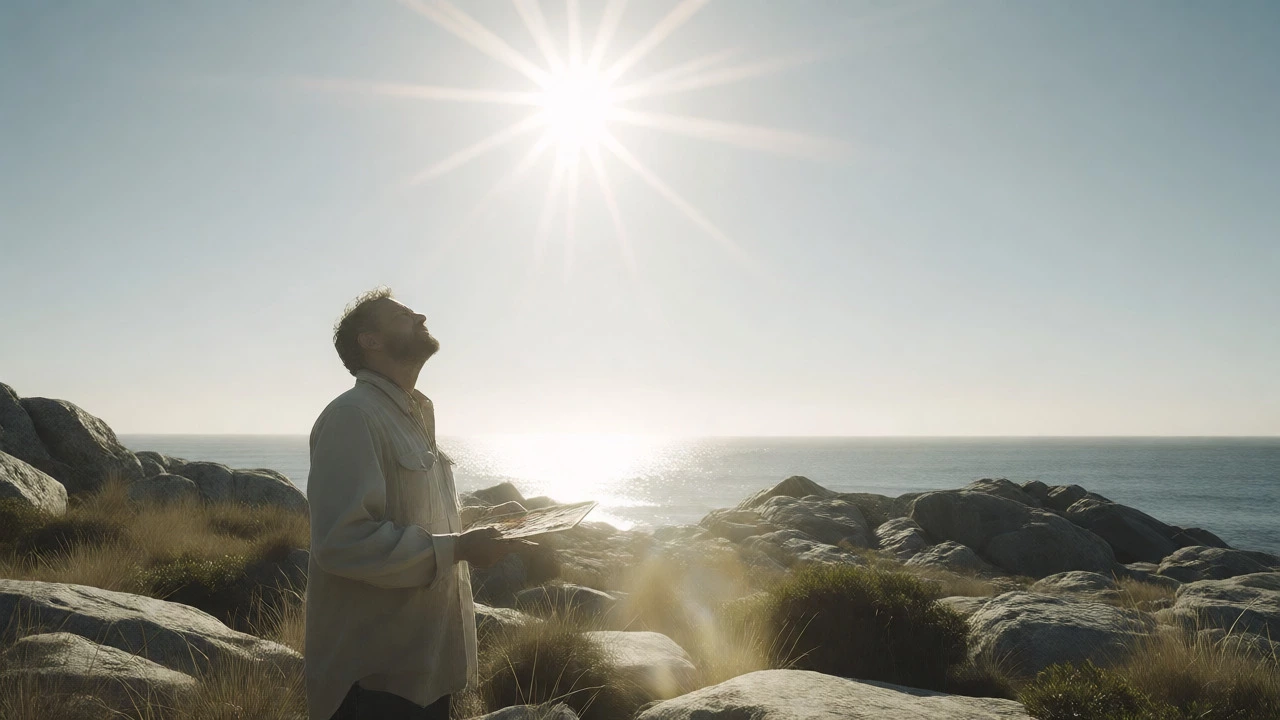
It’s tempting to think that bright sun equals clear visibility. It doesn’t. When the sun is directly overhead, usually between 11 AM and 3 PM, it flattens the scene. Shadows disappear under objects, making it impossible to define form. The colors wash out into a blinding white glare. You squint, your eyes adjust, and suddenly your darks look black and your lights look white. Everything else falls into a muddy middle ground.
This is why most experienced painters avoid the middle of the day. The light changes every few minutes, forcing you to chase values instead of capturing them. If you must paint at noon, find a shaded spot where the light is consistent. Or better yet, wait. The best light happens during the "Golden Hours"-shortly after sunrise and just before sunset. During these times, the sun is low, casting long, dramatic shadows and warming up the color palette. This isn’t just poetic; it’s optical physics. Lower angles reduce atmospheric scattering, giving you richer, more saturated hues.
Wind: The Silent Canvas Killer
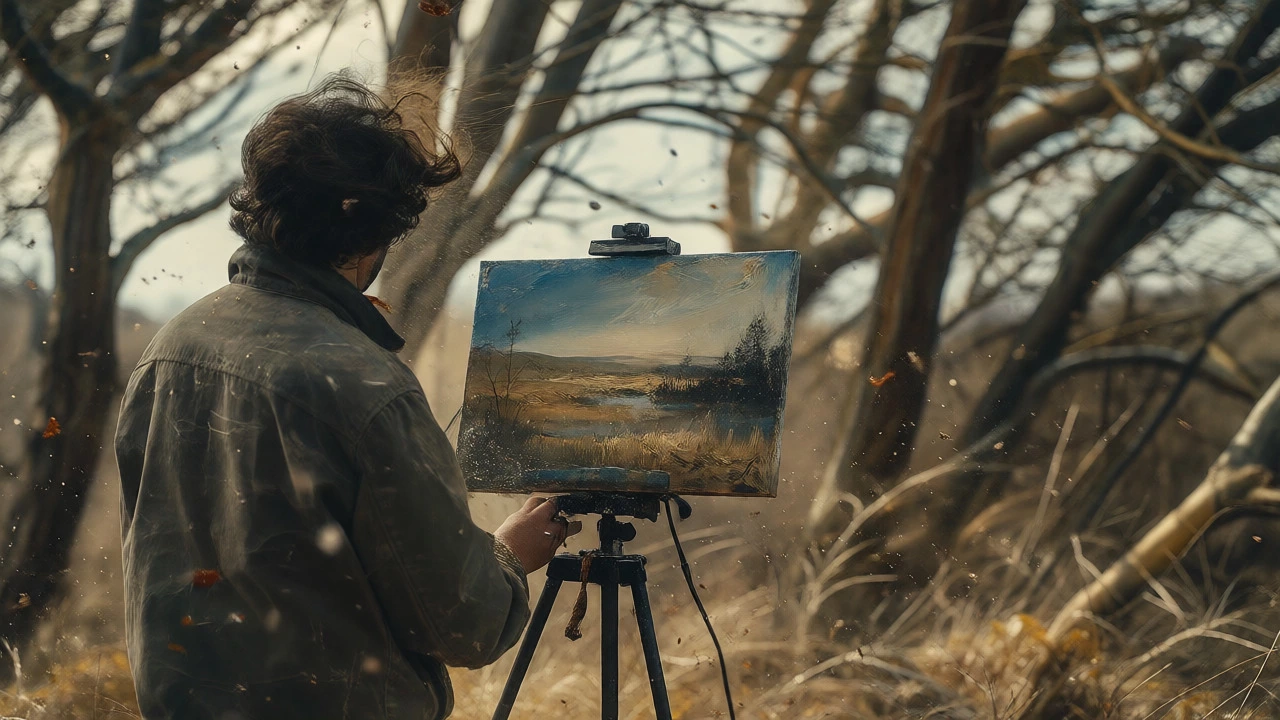
If you live in Vancouver like I do, you know wind is a constant companion. A gentle breeze is fine. But once the wind hits 20 miles per hour (about 32 km/h), things get dangerous for your artwork. First, there’s the physical danger. A strong gust can knock over a lightweight field easel, sending wet paint splattering onto your clothes, your car, or worse, your face.
Second, wind brings debris. Dust, pollen, sand, and dead leaves stick to wet oil or acrylic paint instantly. You might think you can brush them off later, but they become embedded in the surface. Once dry, they create texture bumps that ruin the smooth finish you worked so hard to achieve. If the forecast calls for high winds, consider painting indoors near a window with a similar view, or postpone until conditions calm down. If you absolutely must go, anchor your easel with heavy bags or sit on it. Use a windbreak screen if possible.
Rain and High Humidity Woes
Rain is obvious, but high humidity is the sneaky enemy. In coastal areas, fog and dampness are common even when it’s not raining. High humidity slows down the drying process of oils significantly. What should dry overnight might take three days. This leaves your canvas vulnerable to dust, bugs, and accidental smudges for much longer.
For watercolorists, rain is a disaster unless you want to control the chaos intentionally. Watercolors rely on water flow; adding uncontrolled rain dilutes pigments unpredictably. For oil painters, moisture in the air can cause "blanching," where a whitish haze appears on the surface of the paint due to trapped moisture. Acrylics fare slightly better but can still suffer from tackiness if the air is too moist. Check the relative humidity forecast. If it’s above 85%, expect delays and prepare extra varnish or fixative spray.
Temperature Extremes and Artist Comfort
We often forget that we are part of the equation. If you are shivering or sweating profusely, your focus drops. Extreme cold makes fingers stiff, ruining fine motor control needed for detailed work. Extreme heat causes paint to dry too quickly on the palette, making blending difficult. Oils become thick and sticky; acrylics turn rubbery.
In summer, temperatures above 90°F (32°C) make it hard to keep paints workable. You’ll spend more time re-wetting your palette than painting. In winter, below freezing, oils become viscous and hard to move. While some artists love the challenge of snow scenes, beginners often struggle with the technical limitations. Dress appropriately, but recognize when discomfort is hindering your progress. There’s no shame in packing up early because your hands are numb.
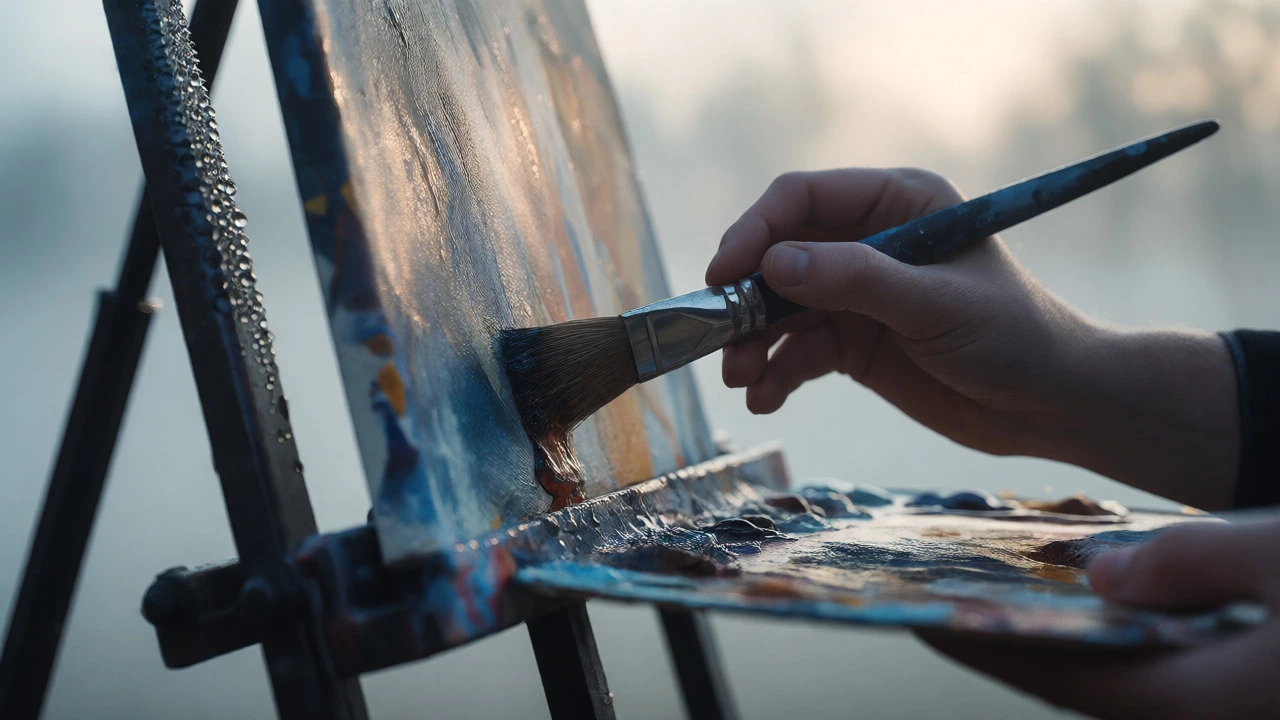
Light Changes Too Fast
Time is your biggest constraint outdoors. Unlike studio painting, where you can leave a piece for weeks, plein air requires speed. If the cloud cover shifts rapidly, the mood of the painting changes completely. One minute it’s moody and gray; the next, it’s bright and cheerful. Trying to paint through these transitions results in a confused image with inconsistent lighting logic.
Watch the sky before you start. If clouds are moving fast across the sun, you have about 15-20 minutes of stable light. Set a timer. If the light shifts, stop. Don’t try to force the painting to match the new light unless you’re willing to repaint large sections. Sometimes, the best decision is to abandon the session and come back tomorrow when the conditions repeat. Consistency matters more than completion.
Safety and Site Hazards
Beyond weather, consider the location itself. Are you painting near a busy road? Exhaust fumes can settle on wet paint, creating a film that affects adhesion. Is the terrain slippery? Wet grass or mud can cause you to slip, damaging your equipment. Wildlife is another factor. In rural areas, insects like mosquitoes and bees can be distracting or painful. Snakes or larger animals might pose safety risks depending on your region.
Also, check local regulations. Some parks prohibit easels on certain trails or require permits for commercial-style setups. Getting fined or asked to move mid-painting disrupts your flow. Always scout the location beforehand if possible. Look for flat ground, safe access, and minimal foot traffic. Your comfort and safety directly impact your creative output.
Can I paint in the rain?
Yes, but it depends on the medium. Oil paints repel water, so light rain won't ruin the painting immediately, though it may affect drying time. Watercolors will run and blur. Acrylics can tolerate light mist but not heavy rain. Always use an umbrella or canopy, and ensure your canvas is angled away from direct rainfall.
What is the best time of day for plein air painting?
The best times are early morning (sunrise to two hours after) and late afternoon (two hours before sunset). These periods offer soft, directional light with long shadows and rich colors. Midday sun creates harsh contrasts and flattened forms, which are difficult to render accurately without advanced techniques.
How does wind affect oil paint?
Wind accelerates evaporation, causing the top layer of oil paint to skin over while the bottom remains wet. This can lead to cracking later. Additionally, wind blows dust and debris onto the sticky surface. Strong winds also physically threaten the stability of your easel and canvas.
Should I avoid painting in winter?
Not necessarily, but it requires preparation. Cold temperatures thicken oil paints, making them harder to apply. Artists often use mediums like linseed oil or solvents to thin the paint. Wearing gloves with fingerless tips helps maintain dexterity. Ensure your canvas is sealed properly to prevent moisture damage from snow or ice.
Is high humidity bad for acrylic paintings?
High humidity slows the drying of acrylics, which rely on water evaporation. This extends the working time but increases the risk of dust settling on the wet surface. It can also cause the paint to remain tacky for longer, potentially leading to sticking if covered too soon.