
Art Exhibition Persona Finder
Define Your Art Habits
Enter your details to find out what art world insiders call you.
nPersona Title
Description goes here.
Behavioral Traits
You walk into a quiet room filled with light and silence. The air smells faintly of floor wax and old paper. Around you, people stand still, staring at canvases or sculptures. They nod slowly, whispering to companions or scribbling in small notebooks. You might wonder: what do you call these people? Are they just tourists? Critics? Or something else entirely?
The truth is, there isn’t one single word for everyone who visits an art exhibition. Depending on why they’re there, how often they go, and what role they play in the art world, different terms apply. Some are casual browsers; others are lifelong collectors. Understanding the difference helps you navigate galleries, museums, and cultural spaces with confidence.
Who Exactly Goes to Art Exhibitions?
Art exhibitions attract a wide range of people. From students sketching in corners to wealthy buyers inspecting brushwork up close, each visitor brings a unique purpose. Let’s break down the most common types of attendees and what we actually call them.
Art Enthusiasts are perhaps the largest group. These are individuals who love art but aren’t necessarily professionals. They visit exhibitions because they enjoy beauty, ideas, or emotional impact. An art enthusiast might follow Instagram accounts featuring local galleries, attend opening nights for fun, or buy prints to hang at home. They care about aesthetics and meaning-not resale value or academic theory.
Then there are Museum Visitors, which includes anyone stepping foot into a public institution like the Vancouver Art Gallery or the Museum of Modern Art in New York. This term is broad and neutral-it doesn’t imply expertise or frequency. A family visiting during school holidays counts as museum visitors, just as does a solo traveler checking off landmarks.
If someone attends regularly-say, once a month or more-they may be called Gallery Goers. This phrase carries a slightly insider tone. It suggests familiarity with the scene, knowledge of upcoming shows, and comfort walking through white-walled spaces without feeling out of place. In cities like London or Berlin, being a gallery goer can almost feel like a lifestyle choice.
Professional Roles in the Art World
Not all attendees are amateurs. Many people show up to exhibitions for work-related reasons. Here’s where titles get specific-and sometimes pretentious.
Art Critics write reviews for newspapers, magazines, or online platforms. Their job is to interpret artworks, judge quality, and shape public opinion. When you read an article titled “Why This Installation Fails,” it was likely written by an art critic. They don’t always attend every opening, but when they do, their presence matters. Galleries often invite them early to secure coverage before launch day.
Curators select and organize artworks for display. While curators usually plan exhibitions rather than simply attend them, they frequently visit other shows for research, inspiration, or networking. If you see someone taking detailed notes while standing near a label that says “On Loan from Private Collection,” chances are good they’re a curator scouting pieces for future projects.
Art Dealers represent artists and sell works to collectors. They attend openings to meet potential buyers, negotiate deals, and promote their roster. Unlike critics or curators, dealers focus heavily on market trends. Can this piece sell for $50,000 next year? Is the artist gaining traction internationally? Those questions drive their decisions.
Collectors purchase artwork for personal enjoyment, investment, or both. High-end collectors might own entire wings of major museums. Others collect limited-edition prints or support emerging talent locally. What unites them is ownership-they bring money into the ecosystem, making them powerful players despite rarely speaking publicly.
Casual vs. Committed Attendees
Frequency and intent define whether someone is a casual browser or a committed participant. Think of it like coffee shops: some people drop in occasionally for caffeine, while others treat the space as a second office.
- Casual Browser: Visits once or twice a year, often tied to travel plans or social invitations. May not know much about the featured artists but enjoys the atmosphere.
- Regular Attendee: Shows up monthly or quarterly. Keeps track of exhibition calendars. Might join mailing lists to get notified about new shows.
- Dedicated Participant: Attends weekly events, volunteers at venues, writes blogs, or even studies art history formally. Often engages deeply with themes and techniques.
Being labeled a “casual browser” isn’t bad-it just means your relationship with art is relaxed. But if you find yourself returning again and again, asking staff questions, or buying tickets ahead of time, you’ve probably crossed into regular territory.

How Institutions Classify Visitors
Museums and galleries track attendance data carefully. They use categories like “first-time visitor,” “repeat guest,” and “member” to tailor marketing efforts and improve experiences.
| Category | Definition | Typical Actions |
|---|---|---|
| First-Time Visitor | Has never entered the venue before | Takes guided tour, buys souvenir, leaves after one hour |
| Repeat Guest | Returns within six months | Explores multiple rooms, reads wall texts, asks docents questions |
| Member | Pays annual fee for perks | Attends exclusive previews, receives newsletters, participates in workshops |
| VIP Patron | Donates significantly or holds corporate sponsorship | Meets artists privately, influences programming, hosts dinners in gallery space |
These classifications help institutions allocate resources efficiently. For example, members receive priority seating at lectures, while VIP patrons gain access to behind-the-scenes storage areas. Knowing your category can unlock benefits you didn’t realize existed.
Social Media Influencers & Digital Audiences
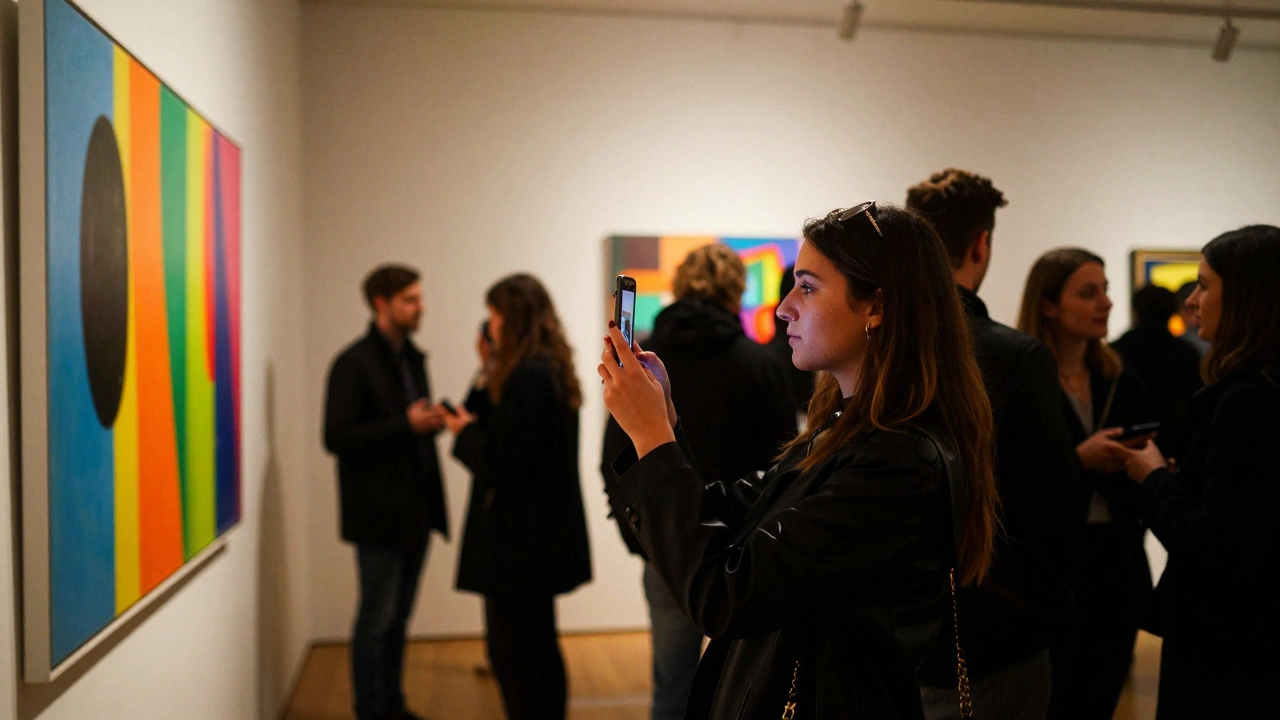
In recent years, a new type of attendee has emerged: the content creator. Photographers, videographers, and influencers flock to visually striking installations-not necessarily to analyze technique, but to capture shareable moments.
They’re often referred to as Visual Documentarians or informally as Instagrammers. While traditionalists sometimes criticize them for prioritizing likes over learning, many galleries now welcome them. Why? Because free promotion reaches thousands instantly. One viral post can double weekend foot traffic overnight.
Still, tensions exist. Some venues restrict flash photography or limit selfie sticks to protect fragile works. Others create designated photo zones so creators don’t block pathways. Balancing accessibility with preservation remains an ongoing challenge.
Why Does Naming Matter?
You might ask: why bother labeling people at all? Isn’t art supposed to be open to everyone?
Good question. Language shapes perception. Calling someone a “patron” instead of a “visitor” elevates their status. Referring to a crowd as “tourists” implies superficial engagement. Even subtle word choices affect how staff interact with guests, how programs are designed, and how funding requests are framed.
For instance, grant applications often emphasize “community outreach” over “elite appreciation.” So museums highlight school groups and first-generation attendees to justify public subsidies. Meanwhile, private fundraisers target “philanthropists” and “corporate sponsors” using formal language designed to trigger generosity.
Understanding these labels gives you power. Want better service? Mention you’re a member. Looking to network? Introduce yourself as a collector or dealer. Trying to learn more? Ask to speak with a curator or educator. Each identity opens doors differently.
Real-Life Examples: Who Shows Up Where?
Let’s look at three real scenarios to clarify how roles play out in practice.
Scenario 1: Sarah walks into a pop-up exhibit in downtown Toronto. She doesn’t know any of the artists. Her friend dragged her along. After twenty minutes, she buys a postcard and heads home. → Casual Browser
Scenario 2: Mark checks his phone calendar every Friday evening. He knows exactly which gallery hosts its monthly opening. He arrives early, chats with the artist, takes photos, and posts updates online. → Gallery Goer / Visual Documentarian
Scenario 3: Elena owns five pieces by contemporary Canadian painters. She invites friends to view her collection annually. Occasionally, she lends works to regional museums. → Collector / Patron
Notice how behavior defines identity more than title alone. You don’t need credentials to become a serious participant-you just need consistent action.
Becoming Part of the Scene
If you want to transition from occasional observer to active member of the art community, start small. Subscribe to newsletter alerts from nearby institutions. Follow curators and critics on Twitter or LinkedIn. Attend free admission days. Volunteer for docent training programs.
Over time, patterns emerge. You’ll recognize recurring faces. Staff will remember your name. Conversations shift from “What is this?” to “I noticed the texture changed between series…” That progression marks growth-from passive consumer to engaged contributor.
And yes, eventually, people will refer to you as a patron, a connoisseur, or simply “someone who gets it.” No badge required. Just presence, curiosity, and repetition.
Is there a formal term for regular art exhibition attendees?
There’s no universally accepted official term, but “gallery goer” or “art enthusiast” commonly describe frequent attendees. Institutions may classify them internally as repeat guests or members depending on loyalty level.
What’s the difference between an art critic and an art curator?
An art critic evaluates and publishes opinions about artworks, typically for media outlets. A curator selects, organizes, and presents artworks for exhibition, working directly with museums or galleries. Critics comment externally; curators build internally.
Can anyone become an art collector?
Yes. Collecting starts with purchasing artwork regardless of price. Emerging collectors often begin with affordable prints or student pieces. Over time, they develop taste, budget strategies, and relationships with dealers or artists.
Do museums really care about visitor types?
Absolutely. Museums segment audiences to personalize experiences, optimize staffing, and secure funding. First-timers get orientation materials; members enjoy discounts; donors receive VIP treatment. Data drives strategy.
Are social media influencers considered legitimate art attendees?
Increasingly yes. Though debated among purists, influencers generate visibility and revenue. Many galleries actively court them for promotional campaigns. Legitimacy depends less on motive and more on measurable impact.