Digital Art Skill Mastery Calculator
Your Digital Art Journey
Based on the article's research showing professional artists require 2,000-5,000 hours of practice, this calculator estimates your path to pro-level skill.
Everyone thinks of digital art as easy. You’ve got undo buttons, layers, infinite colors, and tools that do the heavy lifting. But if you’ve ever tried to make a digital painting that looks like it was done by hand-or animate a character that moves like a real person-you know the truth: digital art might be the hardest type of art to do well.
It’s Not About the Tools, It’s About the Control
People assume that because you can click a button and fill a shape with color, digital art is simple. But that’s like saying a professional chef has it easy because they have a food processor. The tools don’t make the art. The artist does.
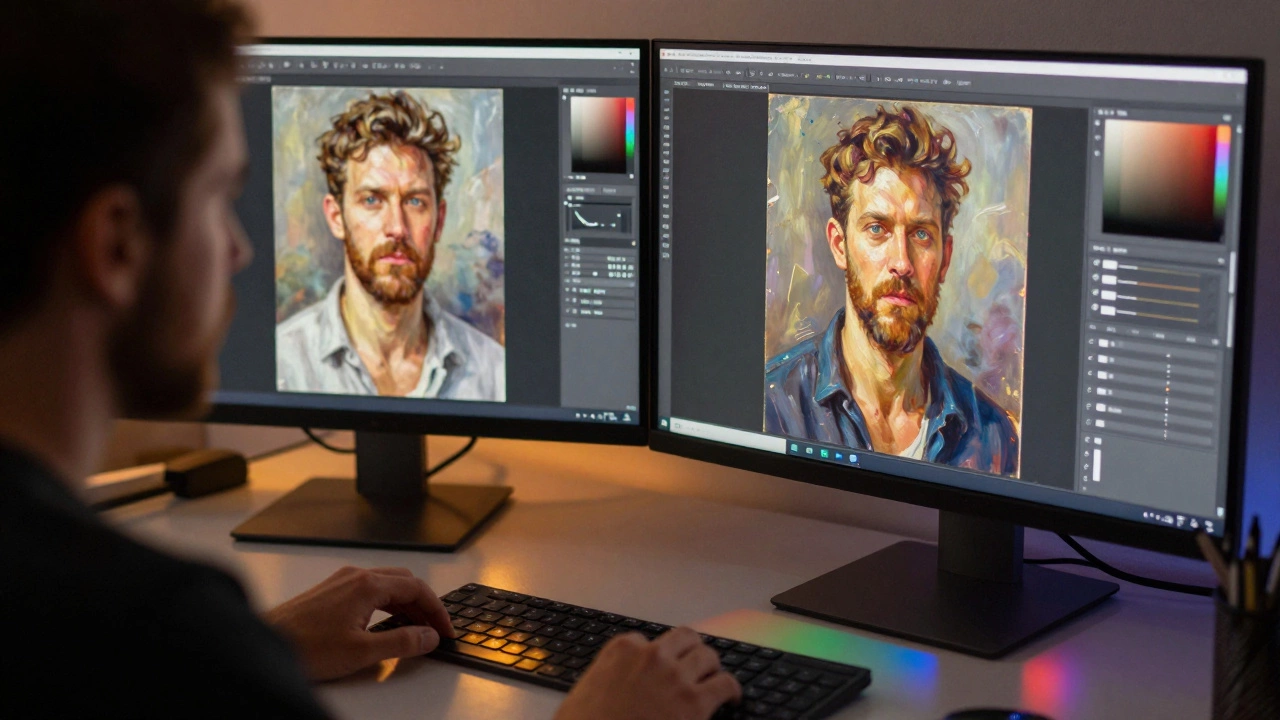
Take digital painting. You’re not just drawing on a screen. You’re trying to replicate the texture of oil paint, the grain of charcoal, the way light bounces off wet canvas-all without a physical brush. You need to understand brush dynamics, pressure sensitivity, layer blending, and how to simulate brushstroke behavior. A bad digital painter just smears color. A good one makes you feel the brush dragging across linen, the paint thickening in the crevices, the way a single stroke can carry emotion.
And it’s not just about mimicry. The best digital artists use the medium in ways physical art can’t. They build depth with hundreds of layers, manipulate lighting in real time, and composite elements from dozens of sources. That takes not just skill, but a deep understanding of how all these pieces interact. One wrong layer opacity? A mismatched shadow? It breaks the illusion.
Animation Is the Ultimate Test
If digital painting is hard, digital animation is brutal. Think about it: you’re not drawing one image. You’re drawing 24, 30, or even 60 images per second-and each one has to flow perfectly into the next.
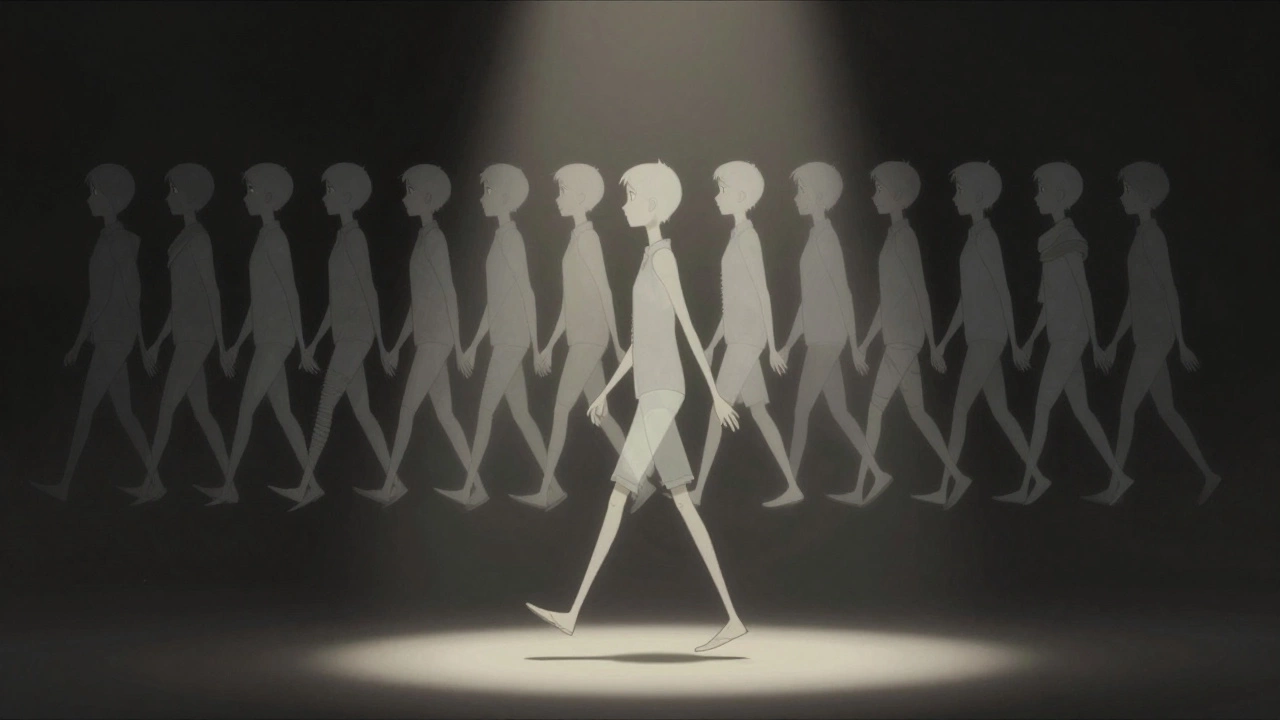
A single character walk cycle might require 12 to 24 frames. Each frame has to match the previous one in weight, timing, and anatomy. A hand that’s too high in frame 15? The whole motion feels off. A head that tilts too late? The emotion dies. You’re not just drawing. You’re acting, choreographing, and timing-all while keeping proportions, perspective, and physics consistent.
And that’s just the basics. Add facial animation, lip-syncing to dialogue, cloth simulation, or physics-based movement, and you’re dealing with months of work on a single 30-second scene. Many animators spend years just mastering the subtleties of eye blinks and shoulder shifts. It’s not talent. It’s torture.
3D Modeling: Sculpting in the Dark
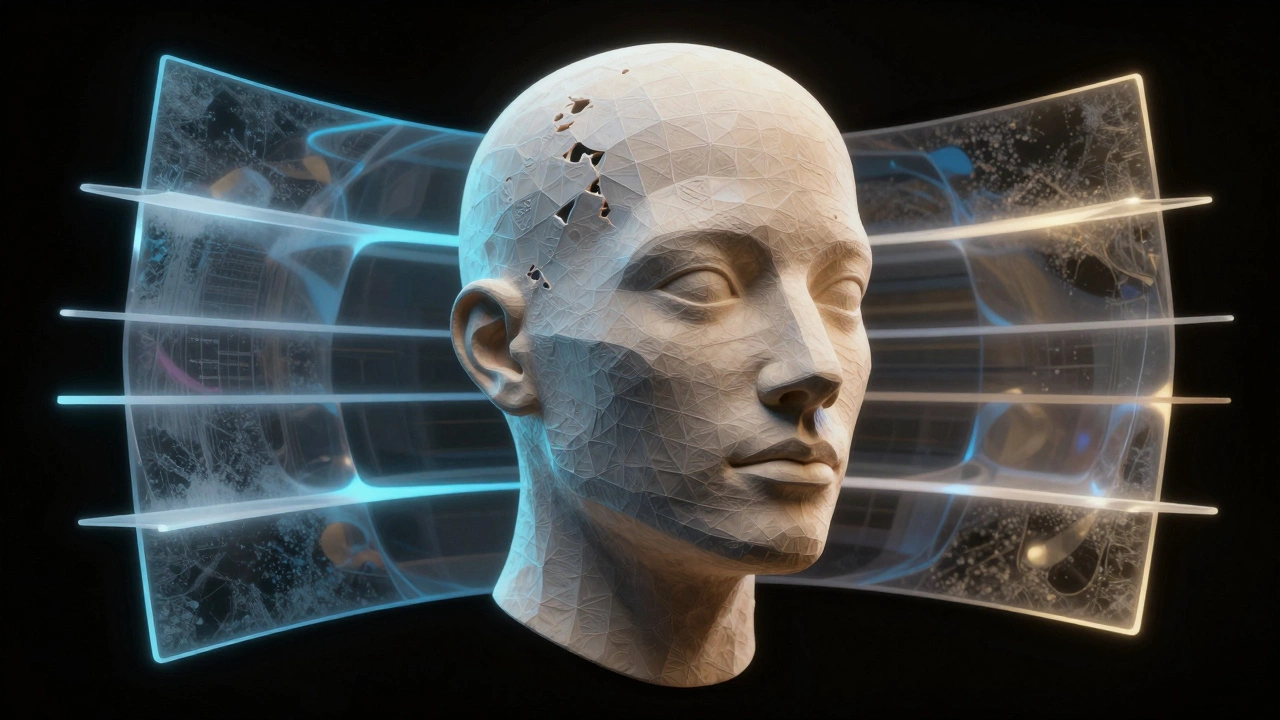
3D modeling is another beast. You’re not working on a flat surface. You’re building a full object in three dimensions, then texturing it, lighting it, and rigging it so it can move. One wrong vertex can collapse a whole arm. One poorly placed UV map can stretch a face like a funhouse mirror.
Imagine trying to sculpt a human face, but you can only see one angle at a time. You have to remember how the nose connects to the cheek, how the eye socket sits under the brow, how the jawline flows into the neck-all while working in a program that doesn’t give you tactile feedback. You can’t feel the clay. You can’t smell the paint. You’re building a real thing, but you’re doing it with a mouse and a keyboard.
And then comes texturing. You need to paint skin pores, fabric weave, metal scratches-all at a resolution high enough to hold up on a 4K screen. A single character model in a AAA game can have over 20 texture maps: diffuse, specular, normal, roughness, metallic, ambient occlusion, emissive. Each one has to be hand-painted or procedurally generated with precision. One mistake, and the whole thing looks plastic. Or worse, fake.
Why Physical Art Feels Easier (Even When It’s Not)
Traditional artists often say digital art is cheating. And maybe it is-but not in the way they think. It’s not cheating because you have undo. It’s cheating because you’re expected to master every medium at once.
A painter learns brushwork. A sculptor learns clay. A photographer learns light and exposure. A digital artist has to learn all of them-plus animation, 3D geometry, color theory, compositing, rendering, and software workflows. And you don’t get to specialize. Clients don’t care if you’re great at painting but terrible at modeling. If you’re doing digital art professionally, you need to be competent across the board.
Plus, there’s no physical artifact. You can’t hold a digital painting. You can’t smell the linseed oil. You can’t feel the grit of charcoal under your nails. That makes it harder to connect with the work. You’re not just creating art-you’re building a digital file that could vanish if your hard drive crashes. There’s no legacy in the same way. That adds pressure.
The Hidden Skills Nobody Talks About
Most people don’t realize how much problem-solving digital art requires. You’re not just being creative. You’re debugging.
Is your brush lagging? That’s a GPU issue. Is your texture blurry? That’s a resolution mismatch. Is your render taking eight hours? You need to optimize your mesh. Is your character’s hand clipping through their leg? That’s a rigging error. You’re part artist, part IT support, part engineer.
And software changes constantly. A tool that worked perfectly in 2023 might be deprecated in 2025. Plugins break. Updates corrupt files. You have to learn new programs every year-or risk falling behind. A traditional artist can use the same brushes for decades. A digital artist has to relearn their craft every few years.
Why It’s Worth It
None of this means digital art is impossible. It just means it’s demanding. The hardest thing about it isn’t the tools. It’s the expectation that you can do everything perfectly, all the time, without a single mistake.
But that’s also what makes it powerful. You can create something no physical medium can. A character that walks through a storm while glowing with neon light. A city that changes shape with the wind. A painting that shifts color as you move around it. Digital art doesn’t just replicate reality-it expands it.
So yes, it’s the hardest. But if you’re willing to put in the years, the frustration, the late nights, and the technical headaches-you’re not just making art. You’re building worlds.
Is digital art harder than traditional art?
It’s not that one is harder than the other-it’s different. Traditional art requires physical mastery: hand-eye coordination, material control, and patience with slow, irreversible processes. Digital art demands mental mastery: software fluency, technical troubleshooting, and the ability to juggle dozens of skills at once. Many artists say digital is harder because you’re expected to be a painter, animator, sculptor, and programmer all at once.
Why do people think digital art is easy?
People see the tools-undo buttons, layers, auto-fill-and assume the work is done for you. But those tools are like a Formula 1 car: they make speed possible, but they don’t drive themselves. A beginner might think they can make a masterpiece in an hour. A professional knows it takes years to control those tools well enough to hide the fact that they’re even there.
Can you make a living from digital art?
Yes-but not easily. The market is flooded with amateur work, so standing out requires exceptional skill, a strong personal style, and consistent output. Top digital artists work in gaming, film, advertising, and NFTs. Many spend 60-80 hours a week honing their craft. It’s not a side hustle. It’s a full-time, high-skill profession.
What software do professional digital artists use?
Most use a mix: Adobe Photoshop for painting and compositing, Clip Studio Paint for illustration and manga-style work, Blender for 3D modeling and animation, and Procreate for iPad-based illustration. Animation studios often use Adobe After Effects and Toon Boom Harmony. Each tool has a steep learning curve, and pros often specialize in two or three.
How long does it take to get good at digital art?
It takes at least 2,000 to 5,000 hours of focused practice to reach professional levels. That’s roughly two to five years of working 10-20 hours a week. Many artists report hitting a wall around year two-when they realize their technical skills haven’t caught up to their vision. That’s when most quit. The ones who push through become the ones who get hired.