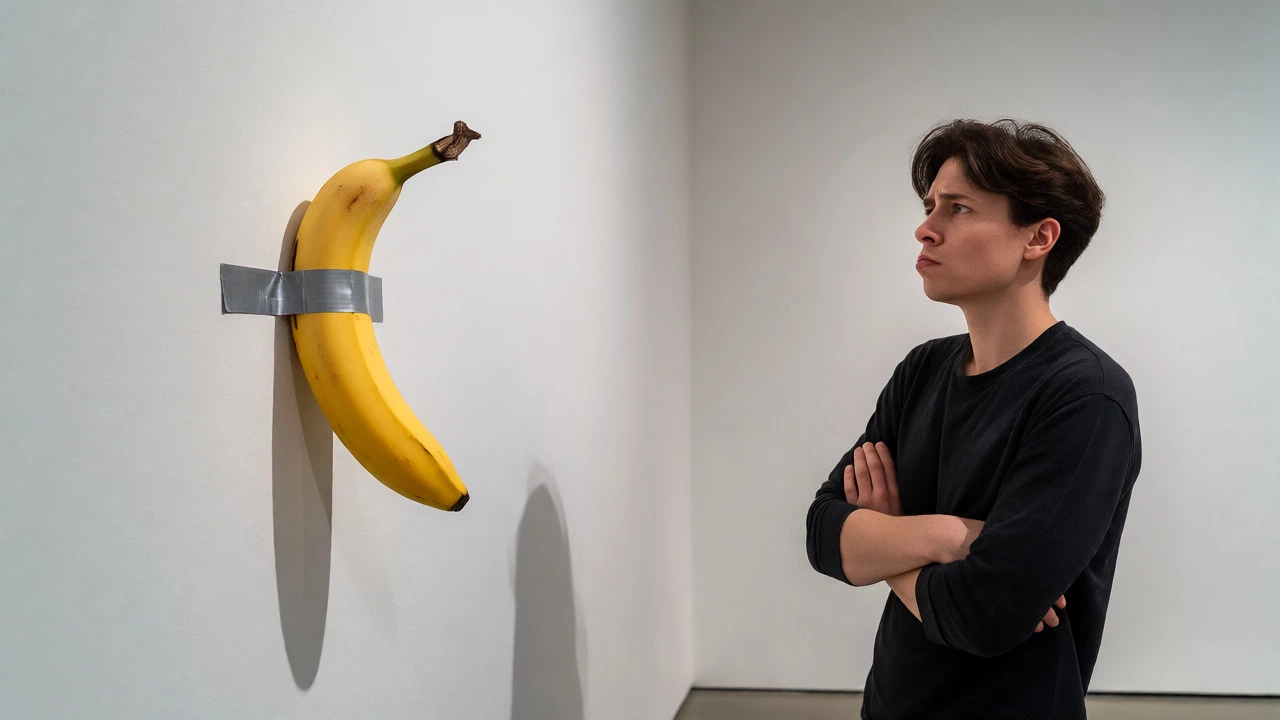
Does Modern Art Take Skill? Debunking the Myth
Explore whether modern art requires skill by examining technical mastery, conceptual depth, and material innovation. Discover why simplicity often hides complex artistic intent.
Modern art isn’t a locked‑up museum secret – it’s the artwork you see on city walls, Instagram feeds, and pop‑up shows. From bold abstracts to slick digital pieces, the scene keeps shifting, and you can join the conversation without a PhD.
At its core, modern art is about breaking old rules and trying new ideas. Artists ask “what if?” and use everything from paint to code to make us think. The result? Work that can be uncomfortable, funny, or downright beautiful, often all at once.
Abstract expressionism swaps realistic scenes for color, texture, and feeling. Think big splashes and furious brushwork that let viewers feel the emotion rather than read a story.
Minimalism strips art down to basic shapes and limited palettes. A single black line or a few geometric blocks can command attention because there’s nothing to hide behind.
Street and graffiti art brings the city into the gallery. Spray cans, stencils, and bold lettering turn sidewalks into open‑air exhibitions, often with a strong social message.
Digital and new media uses screens, VR, and algorithms. Artists can program interactive pieces that change when you move, making the viewer part of the artwork.
Local galleries still host weekend openings where you can meet creators and see fresh work up close. Keep an eye on community boards or social media for pop‑up events – they’re cheap, casual, and often showcase emerging talent.
Online platforms like Concept Showcase curate modern art articles, videos, and virtual tours. You can browse new exhibitions, read artist interviews, and even get tips on building your own collection without leaving home.
Don’t overlook alternative spaces: coffee shops, co‑working hubs, and even abandoned warehouses now double as exhibition spots. These places often feature daring pieces that wouldn’t fit a traditional museum.
If you’re curious to try making modern art yourself, start simple. Grab a canvas and acrylics for an abstract experiment, or download a free drawing app to test digital techniques. The goal isn’t perfection; it’s learning how the style works and finding what clicks for you.
Follow a few modern artists on social platforms. Pay attention to what they post – colors, composition, and the stories they share. Seeing the process demystifies the work and gives you ideas for your own projects.
Finally, keep a notebook handy at shows or online. Jot down the pieces that grab you, note the emotions they trigger, and think about why they work. Over time you’ll build a personal guide to modern art that feels less like a lecture and more like a personal adventure.
Modern art is always moving, and you don’t have to be an expert to enjoy it. Dive into local shows, scroll through curated feeds, and try a splash of creativity yourself. The more you engage, the clearer the big picture becomes – and the more fun the journey gets.
Explore whether modern art requires skill by examining technical mastery, conceptual depth, and material innovation. Discover why simplicity often hides complex artistic intent.
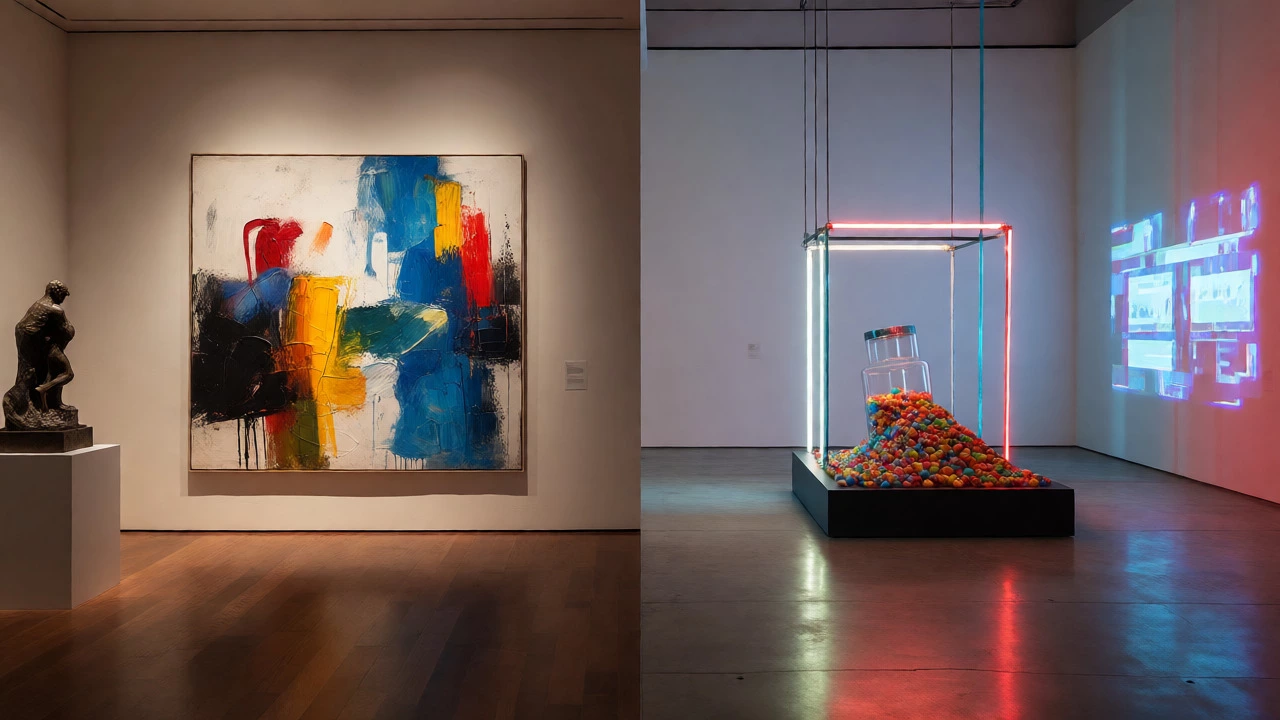
Discover the real difference between modern and contemporary art. Learn about timelines, philosophies, materials, and market trends to spot each style instantly.
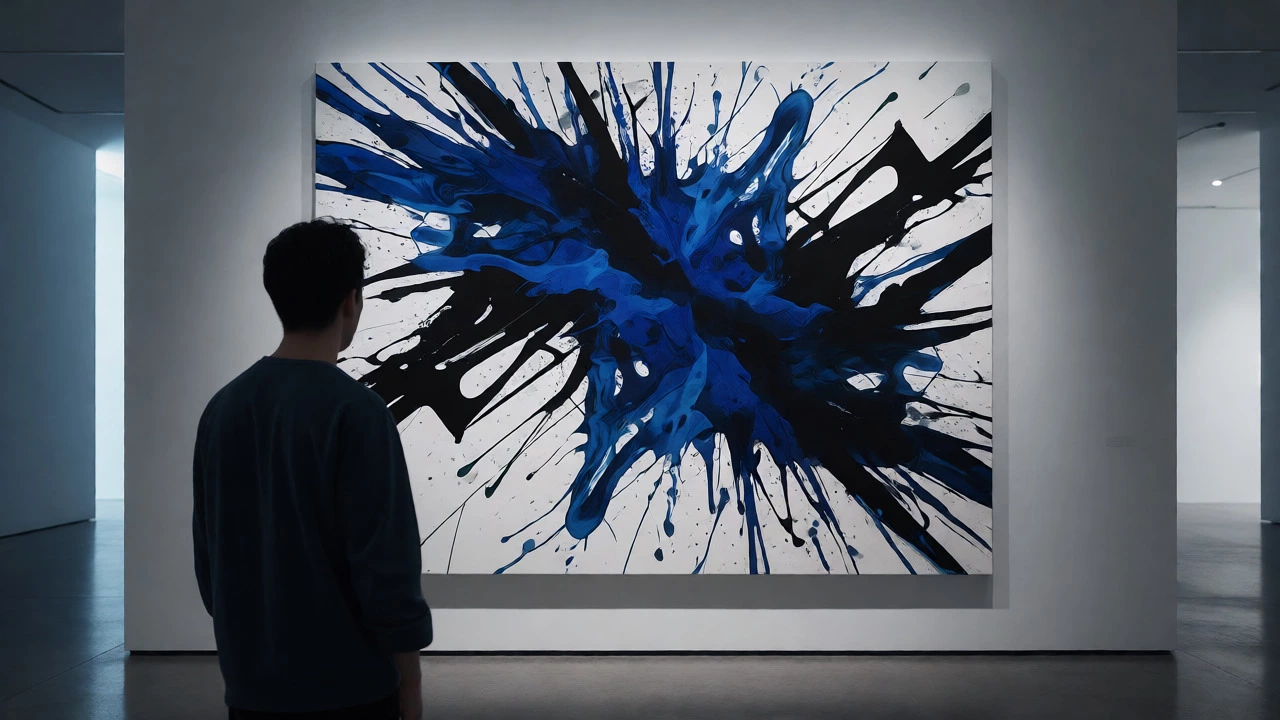
Discover why abstract art requires significant talent despite lacking realistic details. We explore the hidden skills in composition, color theory, and emotional expression that separate true art from random splashes.
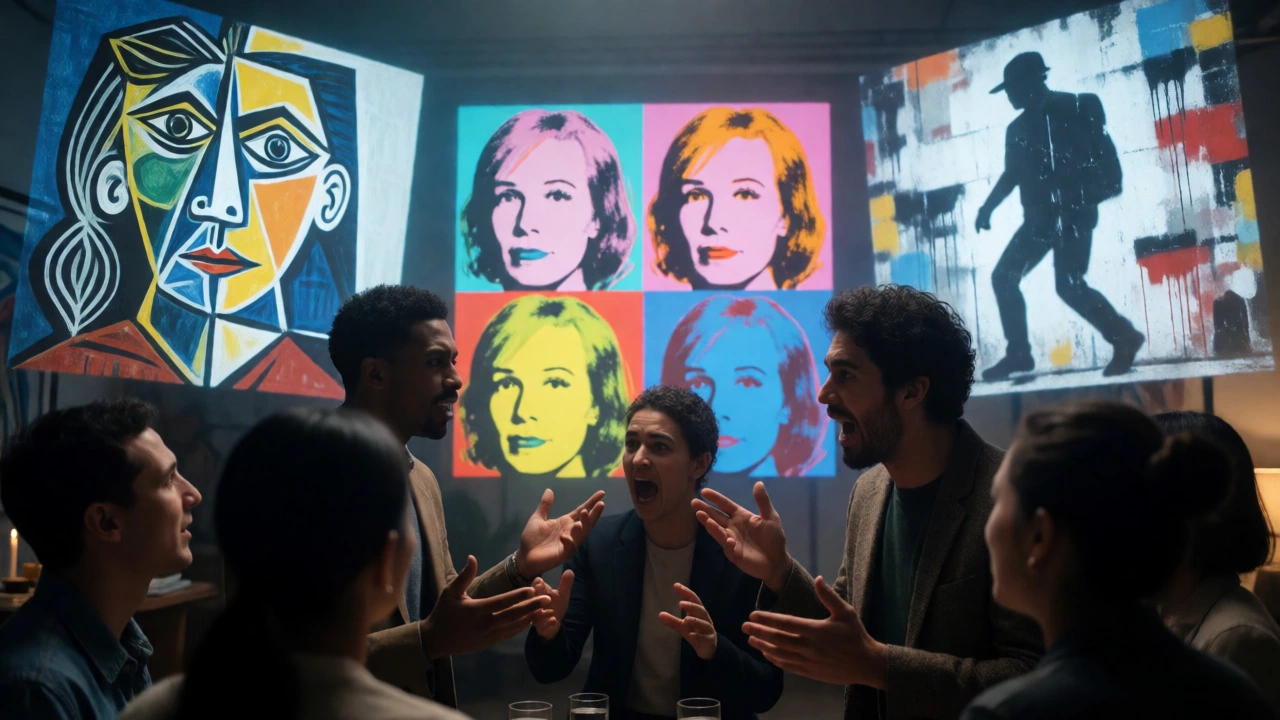
Discover who truly holds the title of the number 1 famous artist. We analyze fame through auction records, brand recognition, and viral impact to reveal the real winners.
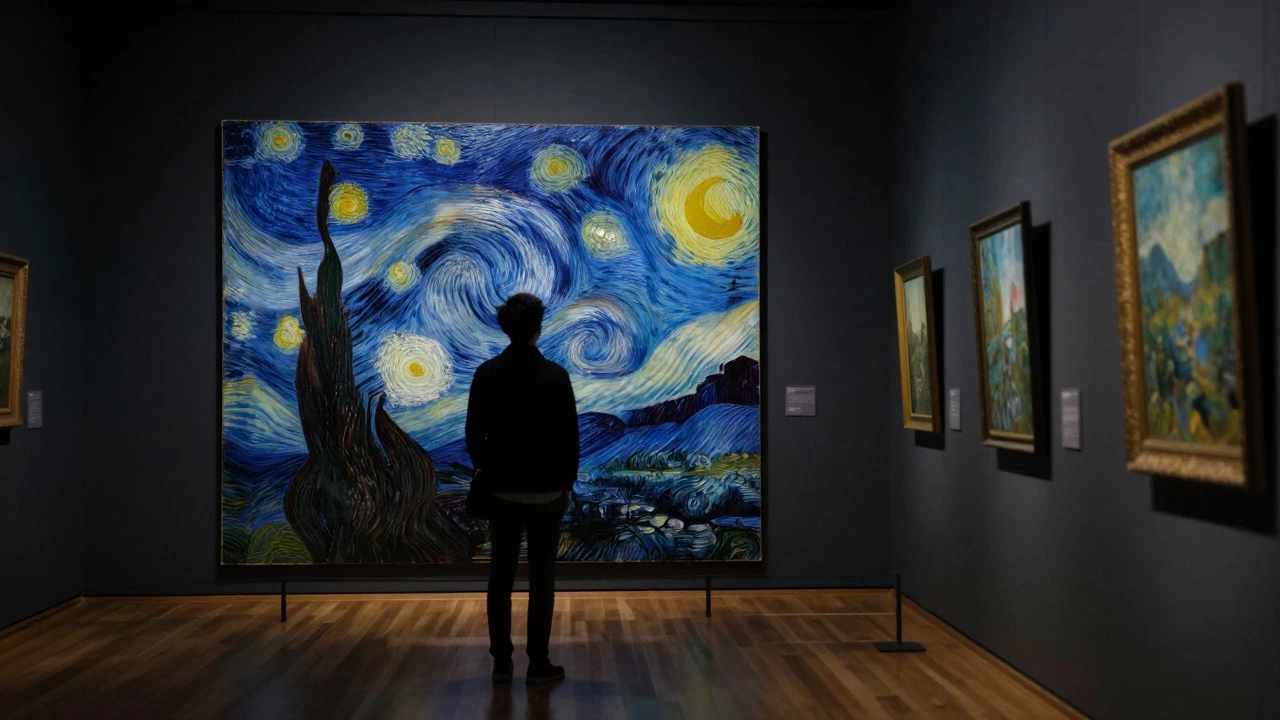
Discover whether Vincent van Gogh is classified as modern art. Learn the difference between modern and contemporary art, explore Post-Impressionism, and understand why his work bridges historical gaps.
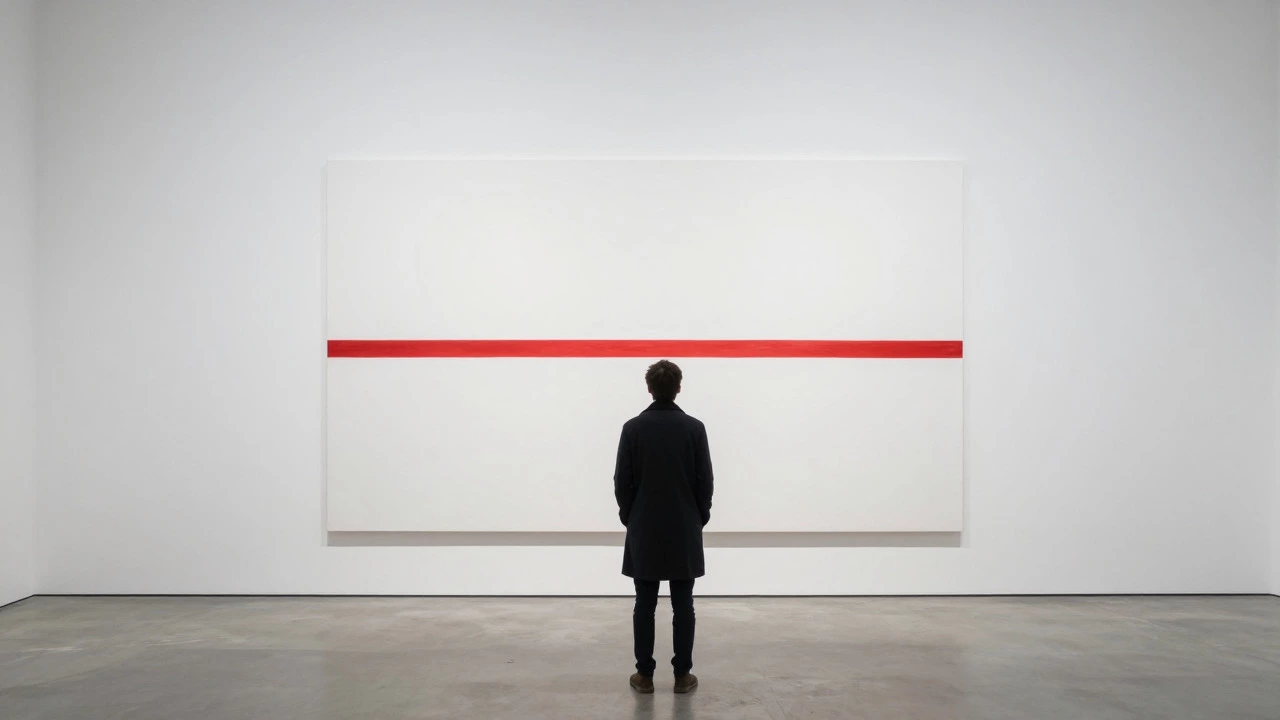
Discover the clear definition of modern art, its key characteristics, and major movements like Cubism and Surrealism. Learn how to distinguish it from contemporary art.
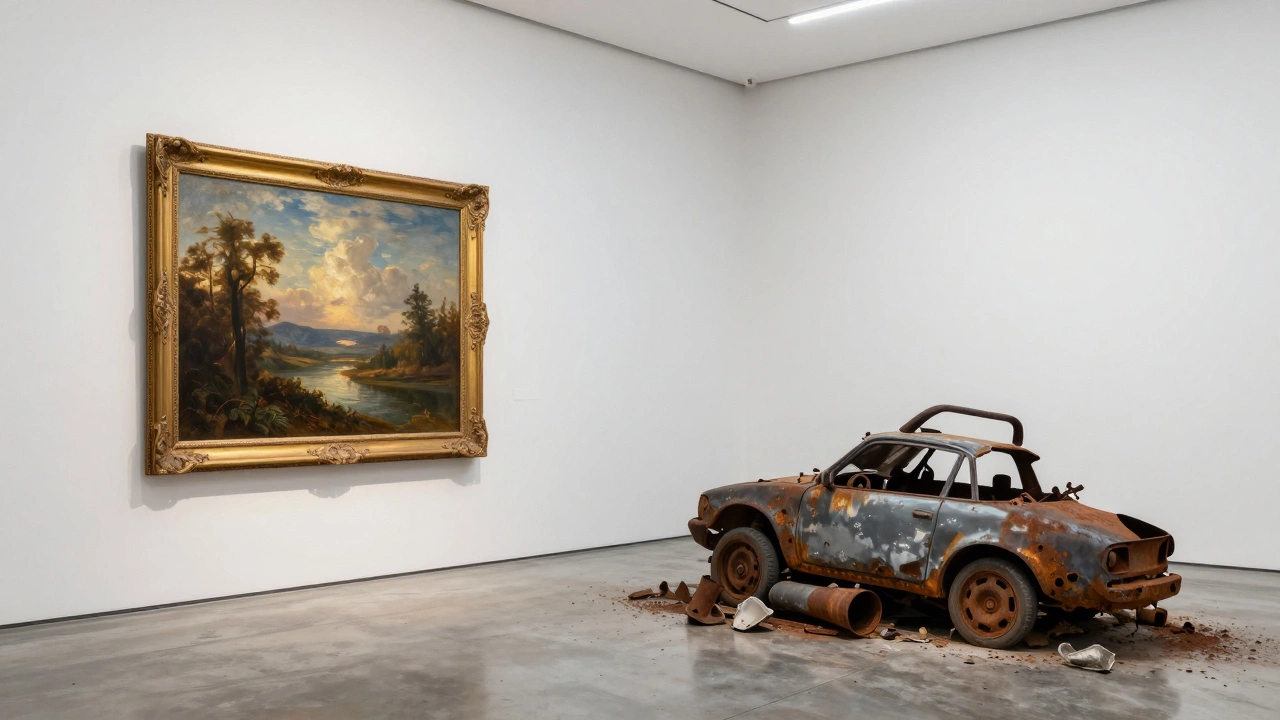
Discover the key differences between fine art and contemporary art. Learn how time, medium, and intent define these categories, and stop confusing modern art with current trends.
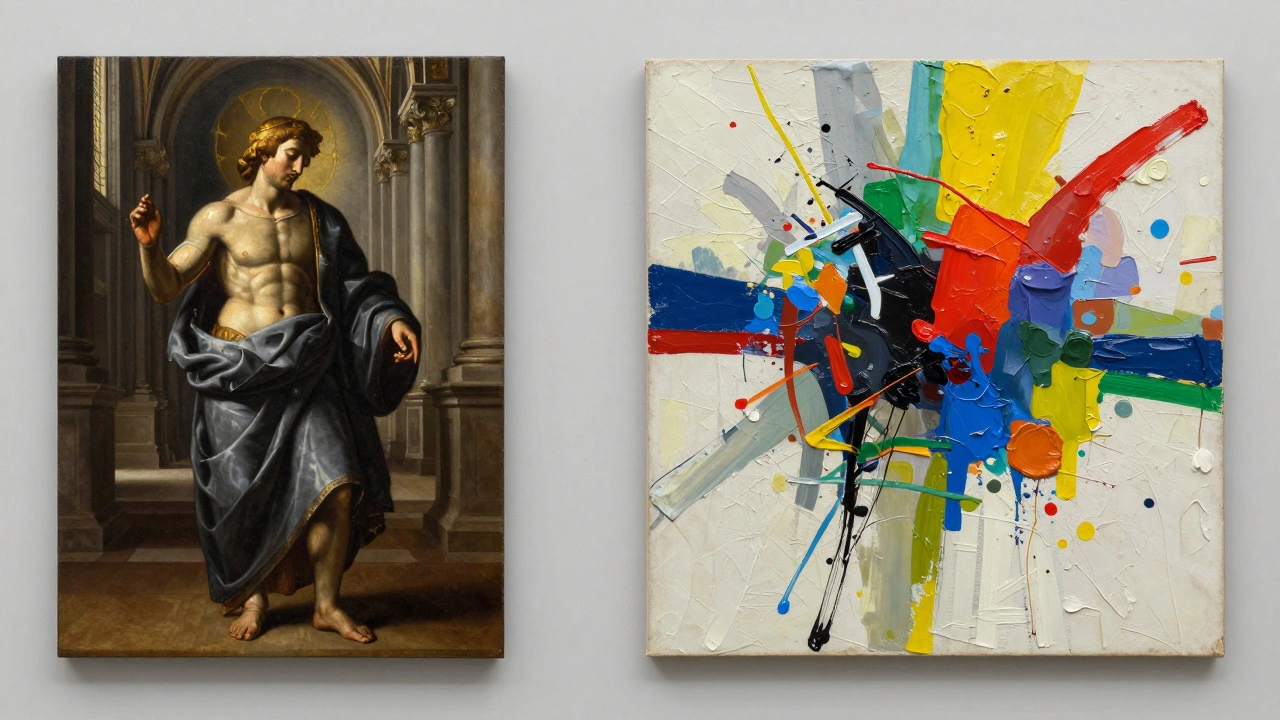
Explore the key differences between modern and old art. Learn how photography, philosophy, and new techniques shifted art from realistic representation to emotional expression.
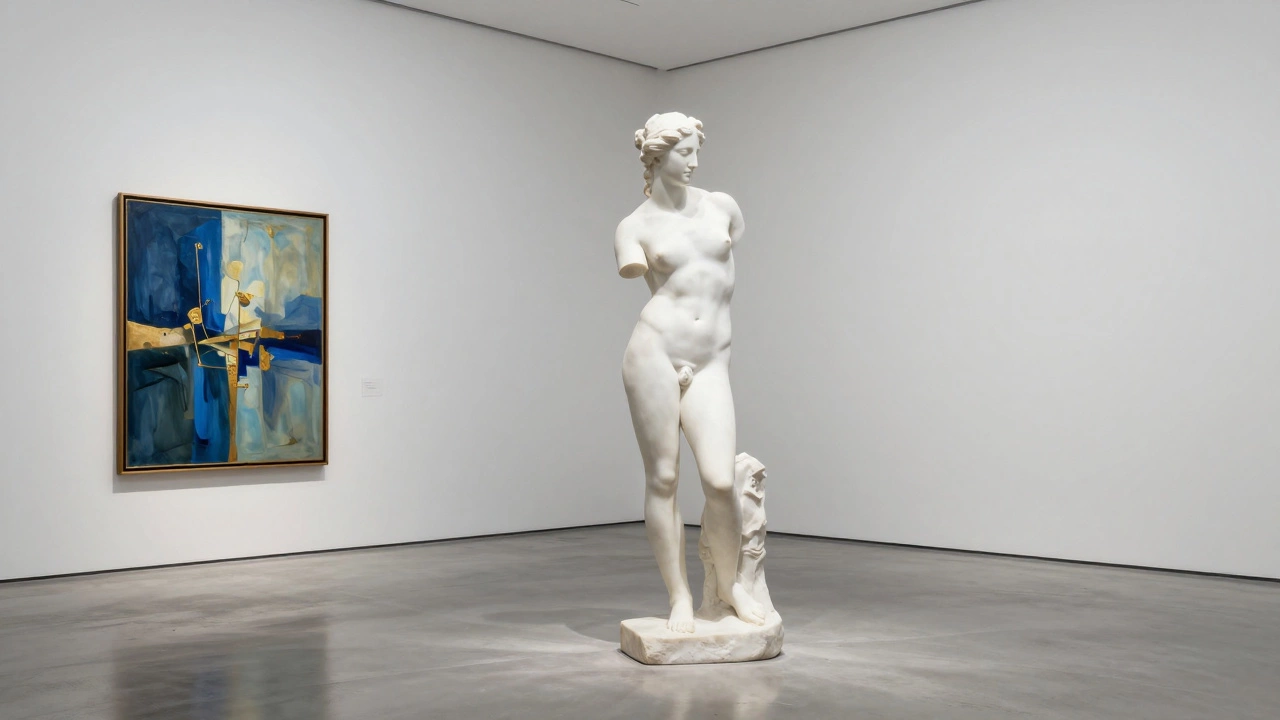
Discover the 3 main types of art: Fine, Applied, and Performing. Learn how they differ, why the lines are blurring in modern art, and how to appreciate each category.
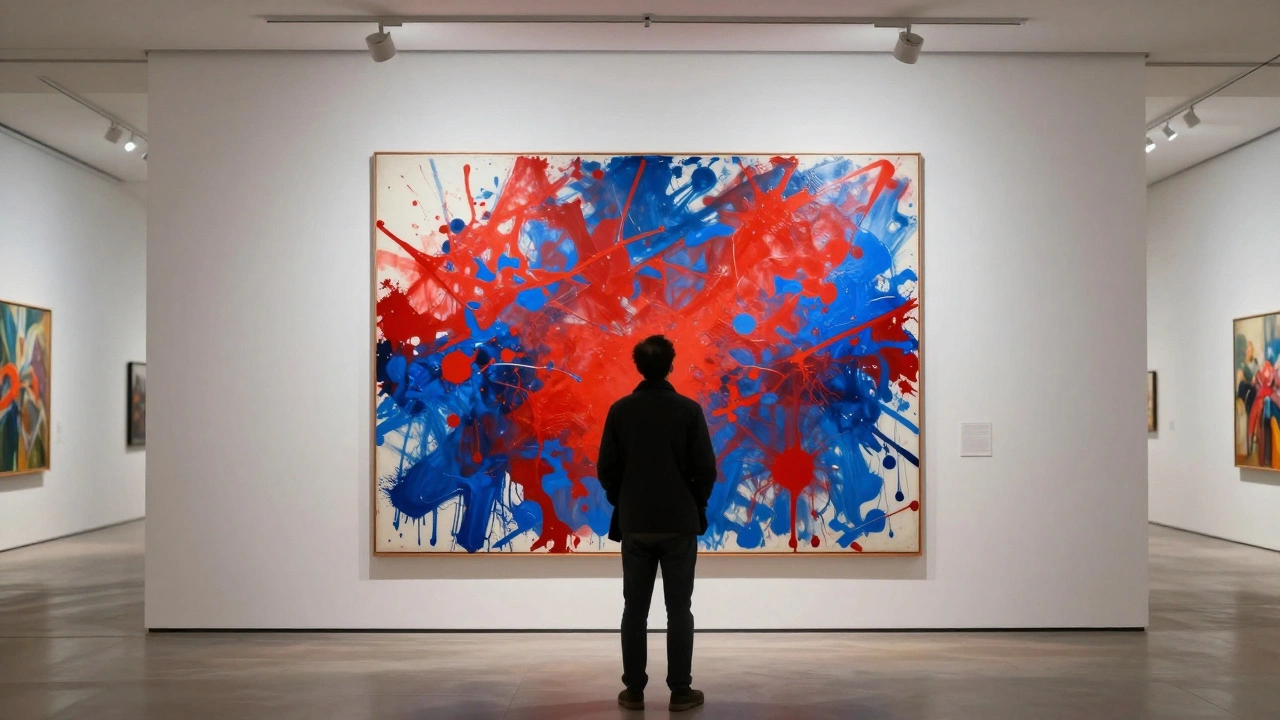
Discover why modern art captures hearts and minds. This guide explains the history, emotional impact, and visual innovations of the movement.
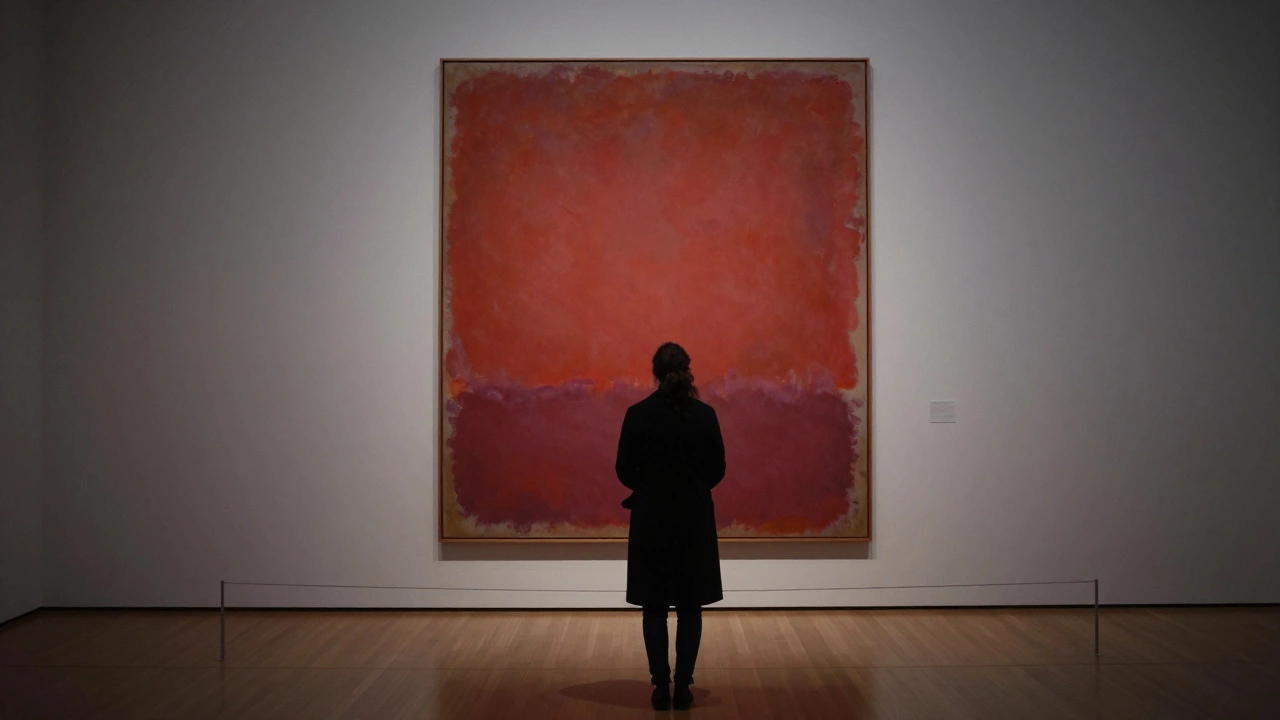
People love modern art not because it's beautiful in a traditional way, but because it speaks to raw emotion, personal truth, and the chaos of modern life. It doesn't explain-it invites you to feel.
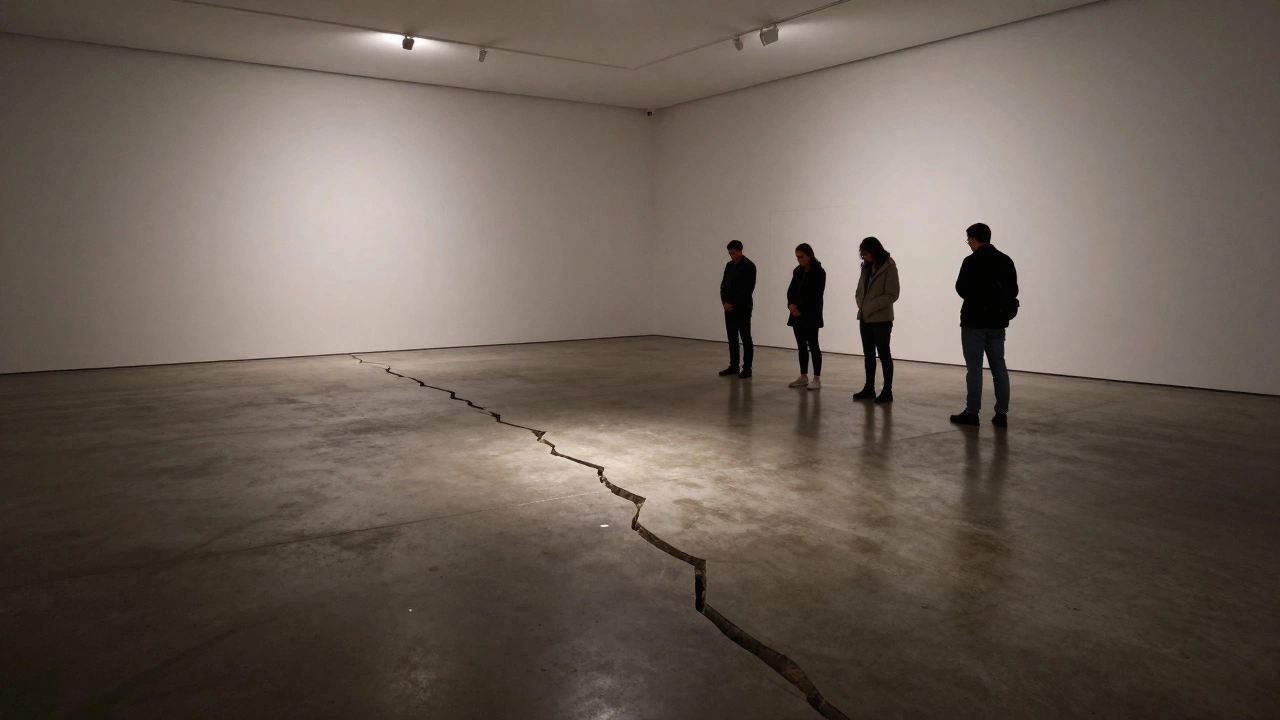
Learn how to identify contemporary art by looking at the date, materials, context, and intent-not just style. Contemporary art isn’t about beauty. It’s about asking questions. Here’s how to tell if a piece truly belongs to our time.