Art Exhibition Quiz
Test Your Knowledge
When you walk into a museum or gallery, you’re stepping into a carefully shaped experience. But not all art exhibitions are the same. In fact, nearly every display you’ll ever see falls into just two basic categories: permanent exhibitions and temporary exhibitions. Understanding the difference helps you see why some shows feel timeless while others feel urgent, rare, or even fleeting.
Permanent Exhibitions: The Backbone of Museums
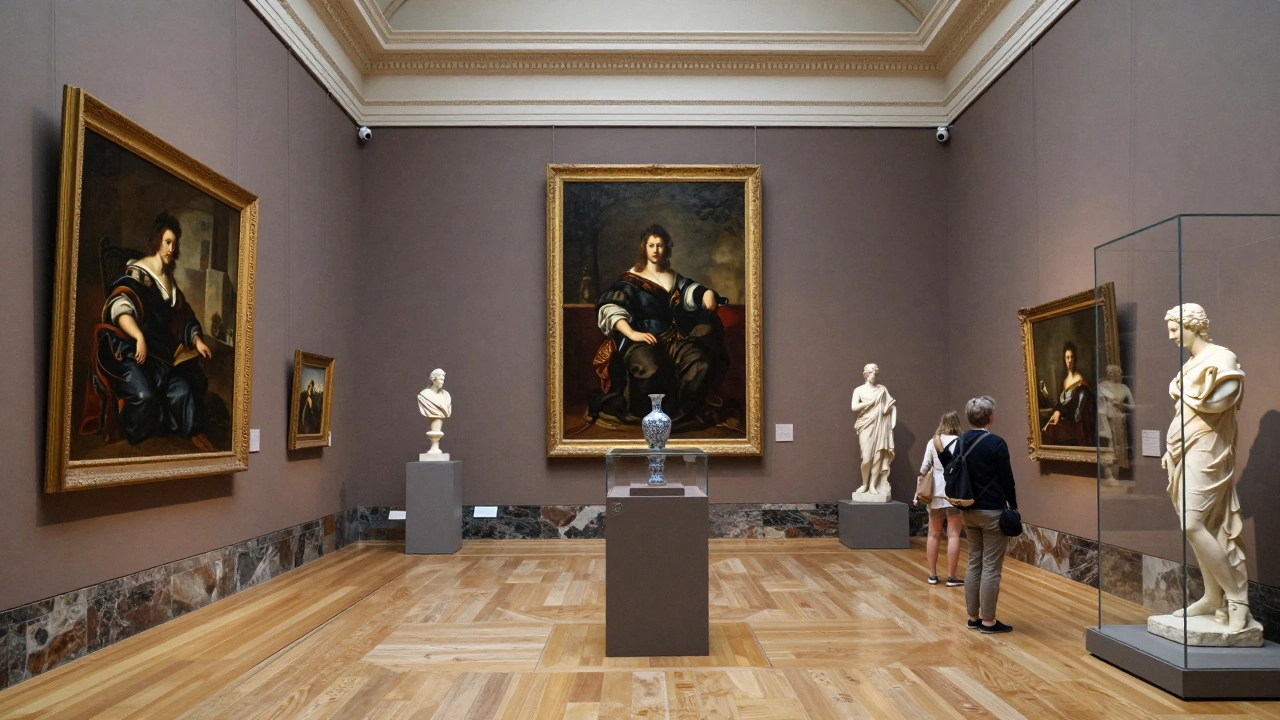
Permanent exhibitions are the collections that never leave. These are the heart of any major museum-like the Van Gogh paintings at the Van Gogh Museum in Amsterdam, or the Egyptian mummies at the British Museum. They’re built over decades, sometimes centuries, through acquisitions, donations, and careful curation. These displays aren’t meant to change. They’re meant to anchor your understanding of art history, culture, or technique.
Why do museums keep these shows up forever? Because they represent core identity. A museum’s permanent collection tells visitors who they are. The Metropolitan Museum of Art in New York doesn’t rotate its European armor gallery because it’s not about novelty-it’s about continuity. People return year after year to see the same Rembrandts, the same Chinese porcelain, the same African masks. These objects become part of the public memory.
Permanent exhibitions are also practical. They’re designed for durability: climate-controlled cases, UV-filtered lighting, reinforced flooring. They’re built to last. That’s why you’ll rarely see fragile textiles or early photographs in permanent displays-they degrade too quickly. Instead, you’ll find oil paintings, sculptures, and ceramics that can handle decades of exposure.
Temporary Exhibitions: The Pulse of the Art World
Temporary exhibitions are the opposite. They come and go. They’re timed. They’re curated around a theme, an artist’s anniversary, a social movement, or even a new discovery. Think of the 2024 show at the Tate Modern that brought together every surviving sketch from Frida Kahlo’s final years. Or the 2023 exhibition at the Art Institute of Chicago that paired 19th-century Japanese woodblock prints with modern street art.
These shows are often borrowed. A museum doesn’t own the pieces-it rents them from other institutions, private collectors, or estates. That’s why they’re short-lived: the loans have deadlines. The Van Gogh letters exhibit at the Getty in 2025? It ran for only 14 weeks because the original documents had to return to the Netherlands.
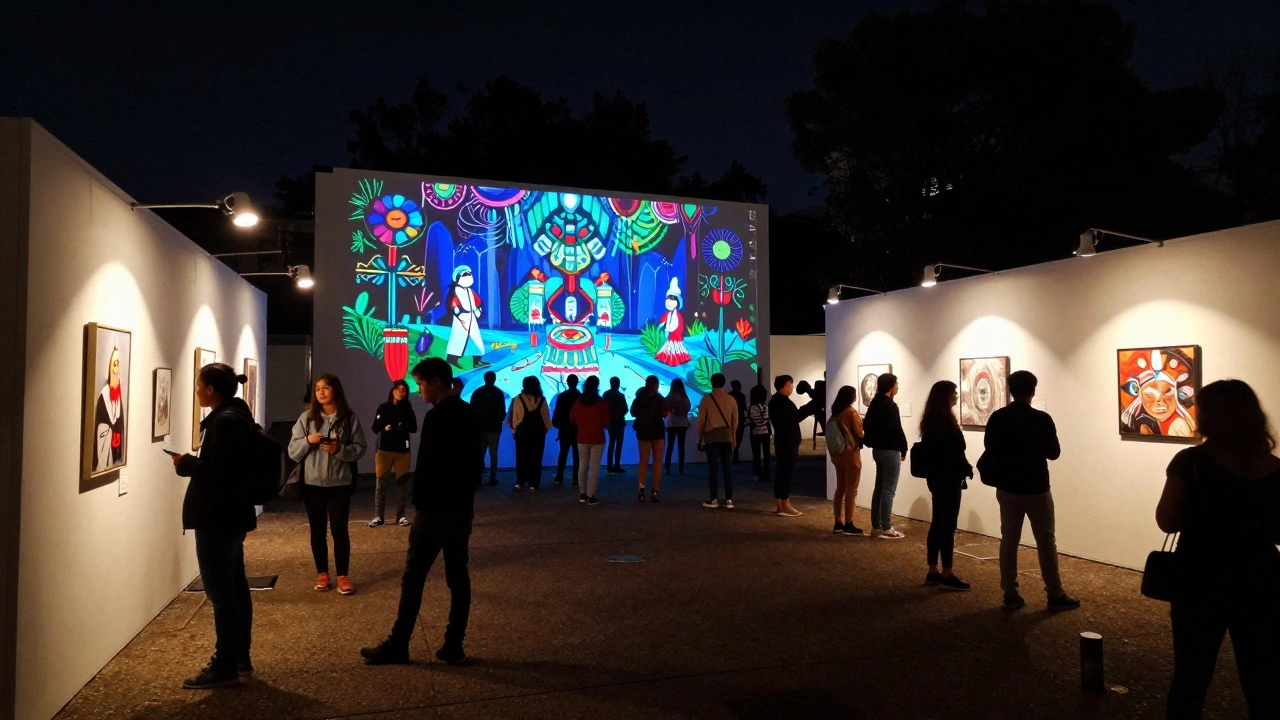
Temporary exhibitions create buzz. They draw crowds who wouldn’t normally visit a museum. They’re the reason people say, “I had to see it before it closed.” They’re also where museums take risks-showing controversial work, experimenting with immersive tech, or spotlighting underrepresented artists. In 2024, the Vancouver Art Gallery’s temporary show on Indigenous digital storytelling drew record attendance because it wasn’t just art-it was a living conversation.
How They Work Together
Permanent and temporary exhibitions aren’t rivals. They feed each other. A museum’s permanent collection gives context to its temporary shows. If you’ve spent time in the Renaissance wing, you’ll understand why a temporary exhibit on Baroque lighting feels revolutionary. And temporary shows bring new energy back to the permanent collection. After a blockbuster on street art, visitors start looking at the old murals in the permanent galleries with fresh eyes.
Some museums even design their permanent spaces to be flexible. The Museum of Contemporary Art in Los Angeles has walls that slide, floors that lift, and lighting that reprograms. It’s not a static archive-it’s a living stage. That way, even the permanent collection can evolve slightly without losing its core identity.
What You Should Look For
When you visit a museum, ask yourself: Is this something I’ll see again next year? If yes, it’s likely permanent. If it’s labeled with a start and end date, it’s temporary.
Temporary exhibitions often come with extra perks: artist talks, guided tours, workshops, or even augmented reality apps. These are clues you’re seeing something special-something that won’t be there tomorrow.
Permanent exhibitions, on the other hand, reward repeated visits. You’ll notice details you missed before. A brushstroke. A hidden signature. A shift in how the light hits the canvas at 3 p.m. These are the quiet gifts of time.
Why the Distinction Matters
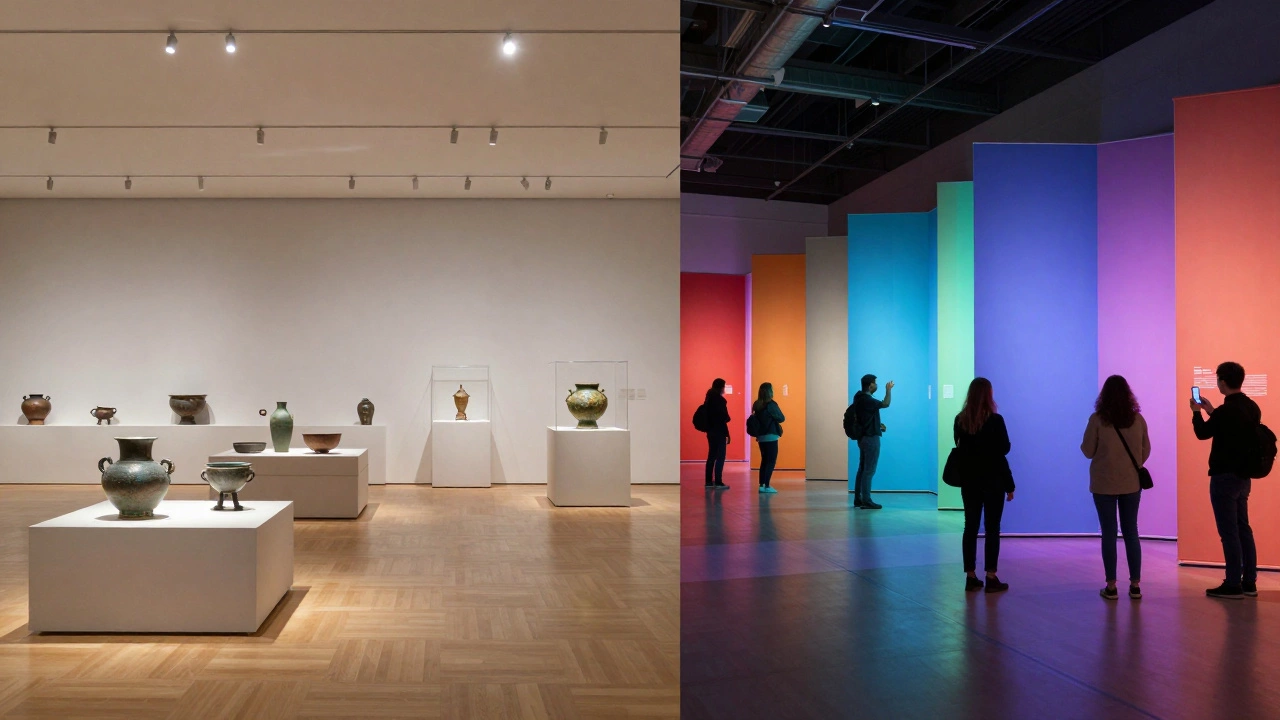
It’s easy to think all art shows are the same. But the difference between permanent and temporary exhibitions affects how art is valued, preserved, and experienced.
Permanent exhibitions treat art as heritage. They say: this matters enough to last. Temporary exhibitions treat art as conversation. They say: this matters right now.
One keeps the past alive. The other pushes the future forward. Together, they make museums more than storage rooms-they make them places where history and innovation meet.
Real-World Examples
- Permanent: The Mona Lisa at the Louvre-on view since 1797, seen by over 10 million people a year.
- Temporary: The 2025 “AI and the Artist” show at the San Francisco Museum of Modern Art-ran from January to April, featured 32 digital works, none owned by the museum.
- Permanent: The National Gallery of Canada’s Group of Seven collection-displayed since 1927, rarely moved.
- Temporary: The 2024 “Lost Canvases of the Harlem Renaissance” exhibit at the Smithsonian-brought together 47 previously unseen works from private collections.
These aren’t random examples. They’re proof that the two types serve different roles-and both are essential.