Interactive Art Type Identifier
Discover which category of art your creative idea or object belongs to based on its primary characteristics.
Walk into any major museum, and you’ll see oil paintings, marble statues, and intricate tapestries. Scroll through social media, and you’ll find digital illustrations, video installations, and performance clips. It’s easy to feel overwhelmed by the sheer volume of creative expression out there. But if you step back and look at the big picture, almost everything falls into three distinct buckets. Understanding these categories doesn’t just help you talk smarter at gallery openings; it changes how you value the objects and experiences around you.
The traditional academic division splits the world of creativity into Fine Art, works created primarily for aesthetic and intellectual purposes rather than utility, Applied Art (or decorative art), which blends beauty with function, and Performing Arts, which are ephemeral expressions enacted by people in real-time. While modern movements often blur these lines, knowing the core differences gives you a framework to appreciate why a chair can be art, why a dance is art, and why a painting on a wall remains art.
1. Fine Art: Beauty for Beauty’s Sake
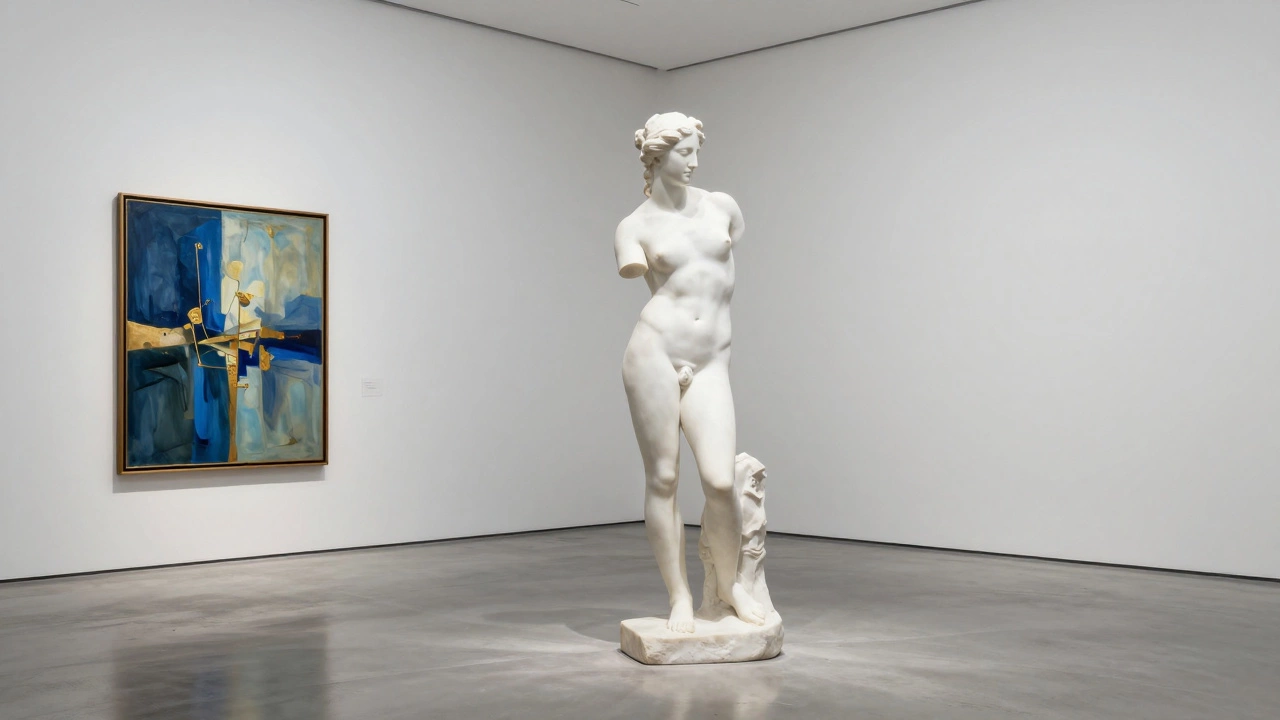
When most people hear the word "art," they think of fine art. This category is defined by its lack of practical use. You don’t sit on a sculpture, you don’t wear a painting, and you certainly can’t cook dinner on a canvas. The primary goal here is expression, commentary, or pure aesthetic appreciation. Historically, this group was dominated by what we call the "traditional" mediums, but the definition has expanded significantly since the rise of modernism.
The five classic pillars of fine art are painting, sculpture, architecture, poetry, and music. Wait-music and poetry? Yes. In classical theory, these were grouped together because they appealed directly to the senses and intellect without serving a utilitarian purpose. However, in modern conversation, we often separate them. Today, when we say "fine art," we usually mean visual fine art. Let’s break down the heavy hitters.
Painting and Drawing
Painting is perhaps the most accessible form of fine art. Whether it’s Leonardo da Vinci using tempera in the Renaissance or an abstract expressionist like Jackson Pollock splashing enamel paint in the 1950s, the medium relies on applying pigment to a surface. The key attribute here is permanence and static composition. You look at it; it doesn’t look back. It exists in two dimensions (usually) and invites you to decode symbols, colors, and forms.
Sculpture
Sculpture is the art of creating three-dimensional forms by carving, modeling, casting, or assembling materials. Unlike painting, sculpture occupies physical space. You can walk around it. It interacts with light from every angle. Materials range from stone and bronze to wood and ice. In the context of modern art, sculpture broke free from realistic human figures. Think of Constantin Brâncuși’s smooth, abstract shapes or Richard Serra’s massive steel plates that force you to navigate around them. The relationship between the object and your body becomes part of the artwork.Photography as Fine Art
This one gets debated. Is a photo of a landscape just a record, or is it art? When photography emerged in the 19th century, painters scoffed at it. Today, it’s firmly established in fine art museums. Why? Because the photographer makes choices about lighting, composition, timing, and post-processing that convey emotion or perspective. Ansel Adams didn’t just click a button; he crafted images that celebrated the sublime power of nature. If the intent is artistic expression rather than documentation, it’s fine art.
2. Applied Art: Where Form Meets Function
If fine art asks you to contemplate, applied art asks you to interact. This category includes design disciplines where aesthetics are important, but usability is king. You might not call a beautifully designed coffee mug "high art" in a philosophical sense, but it requires the same creative vision, technical skill, and attention to detail as a statue. The line between fine and applied art is thinner than ever, especially in the digital age.
Graphic Design and Illustration
Think about the last app icon you tapped or the billboard you saw while driving. That’s applied art. Graphic designers solve communication problems using typography, imagery, and layout. The constraint is the message. A logo for a tech startup needs to look sleek and trustworthy; a poster for a punk rock concert needs to look chaotic and energetic. The artist serves the brand or the client’s goal. In recent years, illustration has also bridged the gap, with artists selling prints of their functional designs in galleries.
Fashion and Textile Design
Clothing is the most personal form of applied art. We wear it every day. High fashion houses like Chanel or Dior treat garments as sculptural pieces, pushing boundaries of shape and material. But even everyday clothing involves color theory, pattern matching, and structural engineering. The difference from fine art is clear: if it doesn’t fit, it fails. Function dictates form, even if that form is avant-garde.
Interior Design and Architecture
Architecture is often listed as a fine art in classical texts, but in practice, it’s heavily applied. You can’t have a building that collapses because the architect wanted a more dramatic curve. Interior design takes that further, focusing on the experience within a space. How does the light hit the sofa? Does the flow of the room encourage conversation? These are artistic decisions with practical consequences. A well-designed home feels good to live in, not just good to look at.
| Feature | Fine Art | Applied Art |
|---|---|---|
| Primary Goal | Aesthetic expression, intellectual engagement | Utility combined with aesthetics |
| Functionality | Non-functional (decorative only) | Functional (must work/useable) |
| Examples | Oil painting, marble statue, photograph | Logo design, furniture, fashion, ceramics |
| Value Driver | Artist’s reputation, rarity, concept | Quality of craft, brand, usability |
| Modern Context | Galleries, museums, private collections | Consumer markets, digital interfaces, homes |

3. Performing Arts: Art in Motion
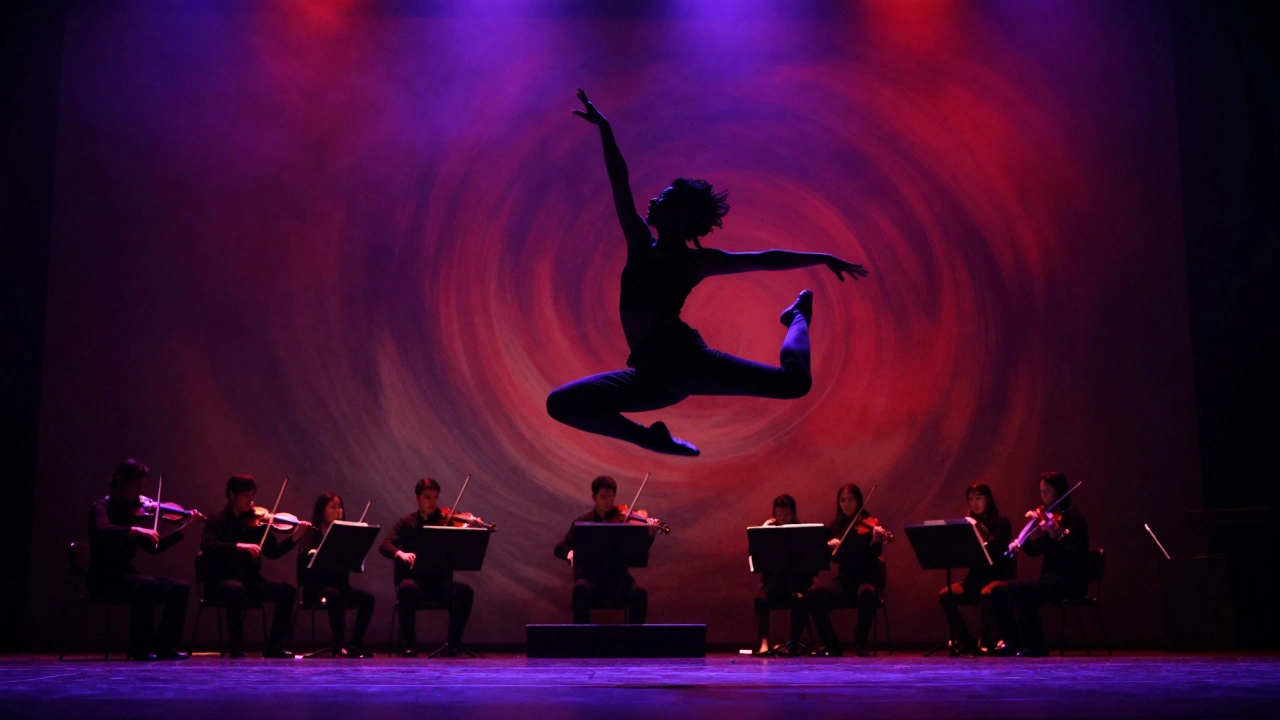
The third pillar is the hardest to pin down because it disappears the moment it happens. Performing arts are time-based. They require a performer and an audience (even if that audience is imaginary during rehearsal). You can’t buy a dance and hang it on your wall. You can only buy a recording of it, which is a document, not the art itself. This ephemerality makes performing arts uniquely powerful and immediate.
Dance and Movement
Dance uses the human body as its medium. From the rigid structures of ballet to the improvisational freedom of contemporary dance, it communicates emotion through motion. Choreographers structure time and space, much like composers structure sound. In modern contexts, dance often intersects with technology, using motion capture to create digital avatars or projecting visuals that react to the dancer’s movements in real-time.
Theater and Drama
Theater combines writing, acting, set design, lighting, and sound into a single live event. The actor’s presence is crucial. Every night, a play is slightly different because the performers are human. Mistakes happen, emotions shift, and the energy of the audience changes. This unpredictability is part of the appeal. Unlike a film, which is edited to perfection, theater is raw and present.
Music and Opera
While music can be composed on paper (making it similar to literature), its realization is performative. A symphony orchestra brings a score to life. Jazz musicians improvise, creating something new that never existed before and will likely never exist again. Opera adds theatrical elements, combining singing, acting, and stagecraft. The live element is what separates a concert from a Spotify playlist.
Why the Lines Are Blurring in Modern Art
If you visit a contemporary art museum today, you won’t find neat little boxes labeled "Fine," "Applied," and "Performing." Artists today refuse to stay in lanes. This interdisciplinary approach is a defining feature of late 20th and early 21st-century creativity.
Consider installation art. An artist might build a room-sized sculpture (fine art) that includes working clocks (applied art/craft) and features actors wandering through it (performing art). Or think about digital art. A video game involves coding, graphic design, storytelling, and interactive performance. Is it a toy? A book? A movie? It’s all of them.
Take the example of teamLab, a collective based in Tokyo. Their exhibitions are immersive digital environments. Visitors touch walls, and flowers bloom on screens. It’s software (applied/digital), it’s visual (fine), and it requires visitor participation (performance). Categorizing it is impossible, and that’s the point. Modern art challenges us to expand our definitions.
Another example is street art. Banksy’s stencils are technically painting (fine art), but they’re placed in public spaces to comment on society (social practice/performance) and often use wheat paste techniques derived from advertising (applied/commercial). The context shifts the meaning.
How to Use This Framework
So, why does it matter if you know the difference? First, it helps you navigate the art market. Fine art is often sold through auctions and galleries with high markups based on provenance. Applied art is sold through retail, design stores, or commissions, with pricing tied to materials and labor. Performing arts are sold via tickets, with revenue dependent on venue capacity and touring schedules.
Second, it helps you critique what you see. When looking at a painting, ask about the composition and symbolism. When looking at a chair, ask about the ergonomics and material choice. When watching a play, ask about the pacing and emotional arc. Using the right lens enhances your enjoyment.
Finally, it helps creators. If you’re an artist, understanding these categories helps you position your work. Are you trying to sell a functional object? Then study industrial design principles. Do you want to evoke deep philosophical thought? Lean into fine art traditions. Do you want to connect with an audience in real-time? Explore performance. Many successful artists blend these skills, but knowing the roots helps you build a stronger foundation.
Is photography considered fine art or applied art?
It depends on the intent. If a photograph is taken to document an event, like a wedding or news story, it leans toward applied or commercial art. If the photographer manipulates light, composition, and subject to express a personal vision or emotion, it is considered fine art. Many photographers do both.
What is the difference between modern art and contemporary art?
Modern art generally refers to works produced from the 1860s to the 1970s, characterized by a break from traditional realism (e.g., Impressionism, Cubism). Contemporary art refers to art made from the late 20th century to the present day. It is defined by its diversity, use of new media, and focus on concepts over technique.
Can digital art be considered fine art?
Yes. Digital art, including NFTs, digital illustrations, and video art, is increasingly recognized as fine art. Major museums now collect and exhibit digital works. The key factor is whether the work is created for aesthetic or conceptual expression rather than purely commercial utility.
Why is architecture sometimes called a fine art and sometimes an applied art?
Architecture is unique because it must serve a function (shelter, workspace) making it applied. However, great architects also aim to create emotional and aesthetic experiences, making it fine art. This dual nature places it on the border between the two categories.
Are crafts considered fine art?
Traditionally, crafts (like pottery, weaving, or woodworking) were seen as applied arts because they were functional. However, in the 20th century, many artisans began creating non-functional pieces focused on aesthetic innovation. Today, "studio craft" is often exhibited alongside fine art, blurring the distinction further.