Art Fame Calculator
Who is the number 1 famous artist? It depends on how you measure it. Adjust the weights below to see which artist tops your personal definition of fame.
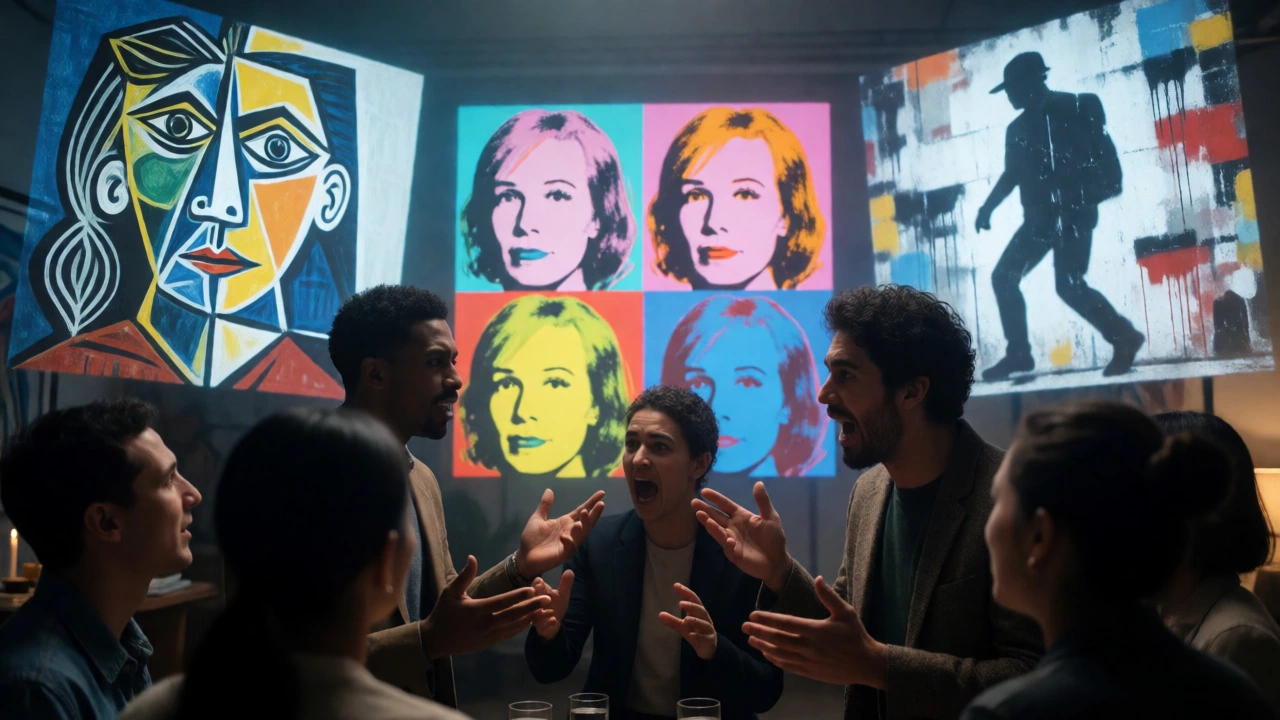
You scroll through Instagram, see a mural in your local coffee shop, or hear someone argue at a dinner party. The question always comes up: who is the number 1 famous artist? It feels like there should be a clear winner, a single name that tops the list of global recognition. But here is the twist: fame in the art world isn’t a single metric. It’s a messy mix of auction prices, museum foot traffic, social media followers, and cultural impact. If you ask an economist, they’ll point to Pablo Picasso. If you ask a Gen Z collector on TikTok, they might say Banksy. If you look at pure brand recognition, Andy Warhol takes the crown.
So, who actually holds the title? To answer this, we need to break down what "famous" means in the context of Modern Art. Are we talking about money? Historical significance? Or sheer visibility? This guide cuts through the noise to help you understand the real heavyweights and why their status shifts depending on how you measure success.
The Money Metric: Who Sells for the Most?
If fame equals dollars, then the leaderboard is surprisingly stable. When collectors drop hundreds of millions on a canvas, it signals ultimate prestige. For years, Pablo Picasso held the record for the most expensive painting sold at auction. His work Les Femmes d'Alger (Version O) fetched $179.4 million in 2015. That price tag wasn't just about paint; it was about owning a piece of history from the man who co-founded Cubism.
But the landscape shifted recently. In 2023, Salvador Dalí's Le Mystère de la Célérité du Temps didn't break records, but other surrealist works have surged. More importantly, living artists are now entering the top tier. Jean-Michel Basquiat, who died young in 1988, saw his work In This Case sell for over $93 million. Why does this matter? Because high auction results drive media coverage, which drives public awareness. When a painting sells for more than a penthouse in Manhattan, everyone hears about it. This financial visibility makes Picasso and Basquiat arguably the most "famous" in terms of economic power.
The Brand Power: Whose Name Does Everyone Know?
Money doesn't always equal familiarity. You can know the name without knowing the artwork's price. Here, Andy Warhol is unbeatable. He didn't just make art; he created a brand. His Campbell’s Soup cans and Marilyn Monroe silkscreens are everywhere-on t-shirts, mugs, phone cases, and subway ads. Warhol understood something crucial: art could be mass-produced and still be valuable.
Think about it. How many people can name a specific Picasso painting? Fewer than you think. But almost everyone recognizes a Warhol print. His studio, The Factory, blurred the lines between celebrity and artist. Today, his estate continues to license his image aggressively. This ubiquity makes him the "number 1" in terms of name recognition among the general public. If you walk into a non-art store and see a famous artist's face, it’s likely Warhol’s or Banksy’s.
The Street Credibility: Banksy and Viral Fame
Then there is the wildcard: Banksy. This anonymous street artist has redefined fame for the digital age. Banksy doesn't rely on galleries initially; he relies on virality. When he shredded his own painting Girl with Balloon at a Sotheby's auction in 2018, the clip went viral globally within hours. Millions watched. That moment did more for his fame than any traditional marketing campaign could.
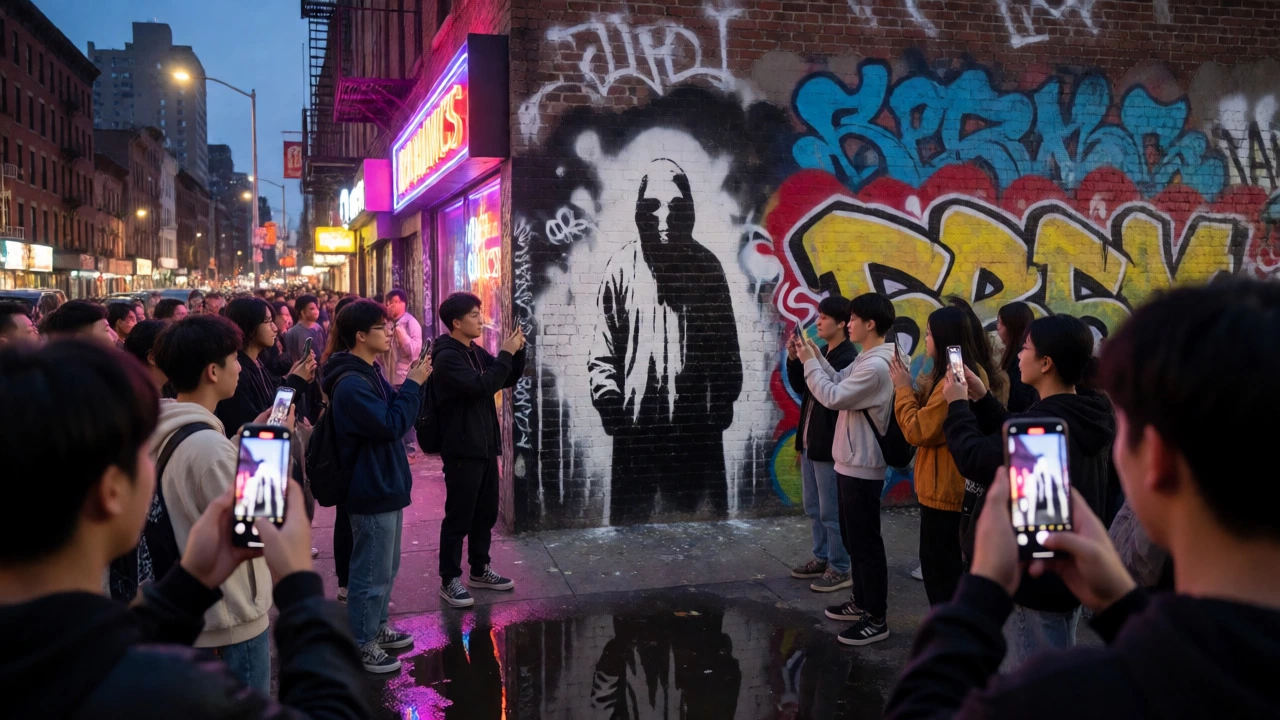
Banksy represents a different kind of fame-one rooted in mystery and rebellion. People love a secret. By hiding his identity, he became a symbol rather than just a person. His murals appear overnight in cities worldwide, turning walls into news stories. For younger generations, Banksy is often the first "famous artist" they encounter. His fame is participatory; people take selfies with his work, sharing it across social platforms. This organic spread gives him a unique edge in the conversation about who is the most famous today.
Historical Impact vs. Current Hype
Fame changes over time. Some artists are famous because they changed how we see the world. Others are famous because they are currently trending. Let's compare these two types using a simple framework.
| Artist | Primary Fame Driver | Auction Record (Approx.) | Cultural Reach |
|---|---|---|---|
| Pablo Picasso | Historical Innovation (Cubism) | $179 Million | High (Academic/Historical) |
| Andy Warhol | Pop Culture Iconography | $195 Million | Very High (Mass Market) |
| Banksy | Viral Media & Mystery | $25 Million (Post-shred) | Extreme (Social Media) |
| Jean-Michel Basquiat | Narrative & Scarcity | $110 Million | High (Collector Circle) |
Notice the trade-offs. Picasso has historical weight but less daily visibility. Warhol has massive visibility but some critics dismiss his technical skill. Banksy has extreme visibility but limited physical output. Basquiat has intense collector demand but a smaller general audience. There is no single "winner" unless you pick a specific metric.
Why Social Media Changed the Game
Before Instagram, fame was gatekept by museums and critics. Now, anyone can go viral. Artists like KAWS (Brian Donnelly) built massive followings online before hitting mainstream auctions. His companion figures are seen as trendy decor items globally. This new wave of fame is faster but sometimes shallower. An artist can be "number 1" on Twitter one week and forgotten the next.
This volatility means the definition of "most famous" is fluid. If you define fame by current engagement, an artist like Takashi Murakami might win right now due to his collaborations with Louis Vuitton and Kanye West. His colorful flowers are instantly recognizable. He bridges the gap between high art and streetwear culture. This crossover appeal is the new currency of fame.
How to Decide Who Is #1 for You
So, how do you settle the debate? Stop looking for one objective truth. Instead, choose your lens:
- For Financial Prestige: Look at Pablo Picasso or Andy Warhol. Their names open doors in wealthy circles.
- For Cultural Ubiquity: Choose Andy Warhol. His imagery is embedded in global pop culture.
- For Modern Relevance: Pick Banksy. He speaks to contemporary issues and dominates digital conversations.
- For Historical Significance: Stick with Picasso. He fundamentally altered the trajectory of Western art.
Each choice is valid. The "number 1" spot depends entirely on what you value: money, memory, or momentum.
Common Misconceptions About Art Fame
Many people assume that if an artist is famous, they must be well-liked. Not true. Damien Hirst is incredibly famous, yet widely criticized. Critics call his work lazy or commercial. But he remains highly visible and valuable. Fame and quality are not synonyms. Another myth is that dead artists are always more famous. While Picasso and Van Gogh are giants, living artists like Jeff Koons and Yayoi Kusama have massive current followings. Kusama’s infinity rooms draw queues around the block globally. Her fame is active and present, not just historical.
Also, don't confuse "famous" with "expensive." Some very expensive works belong to lesser-known artists among the general public. Conversely, some cheap prints by famous artists are more recognized than their masterpieces. Understanding this distinction helps you navigate the art world without getting misled by headlines.
Is Pablo Picasso really the most famous artist ever?
In terms of historical influence and academic recognition, yes, Picasso is often cited as the most significant artist of the 20th century. However, in terms of daily brand recognition among non-art experts, Andy Warhol or Banksy might be more immediately recognizable due to their presence in pop culture and media.
Why is Banksy so famous if nobody knows who he is?
Banksy's anonymity is central to his fame. It creates mystery and allows his art to speak for itself without the distraction of a persona. His use of social media and viral moments, like shredding his own painting, amplifies his reach far beyond traditional art circles.
Does selling for the most money make an artist the most famous?
Not necessarily. High auction prices signal wealth and collector confidence, which boosts prestige. However, fame also requires broad public awareness. An artist can have record sales but low public name recognition if their work is mostly bought by private investors rather than displayed publicly.
Are living artists more famous than dead ones?
Living artists like Takashi Murakami or Yayoi Kusama have strong current visibility due to exhibitions and collaborations. However, deceased masters like Picasso and Van Gogh have centuries of accumulated cultural weight. It is a battle between current relevance and historical permanence.
What role does social media play in defining a famous artist?
Social media democratizes fame. Artists can build audiences directly without gallery gatekeepers. Platforms like Instagram allow visual content to go viral quickly, creating instant fame for artists whose work is visually striking and shareable, such as KAWS or Shepard Fairey.