Solo Exhibition Budget & Timeline Planner
Estimate your total exhibition costs based on venue type and scale, then generate a personalized month-by-month action plan to guide you from concept to opening night.
Adjust settings and click Calculate
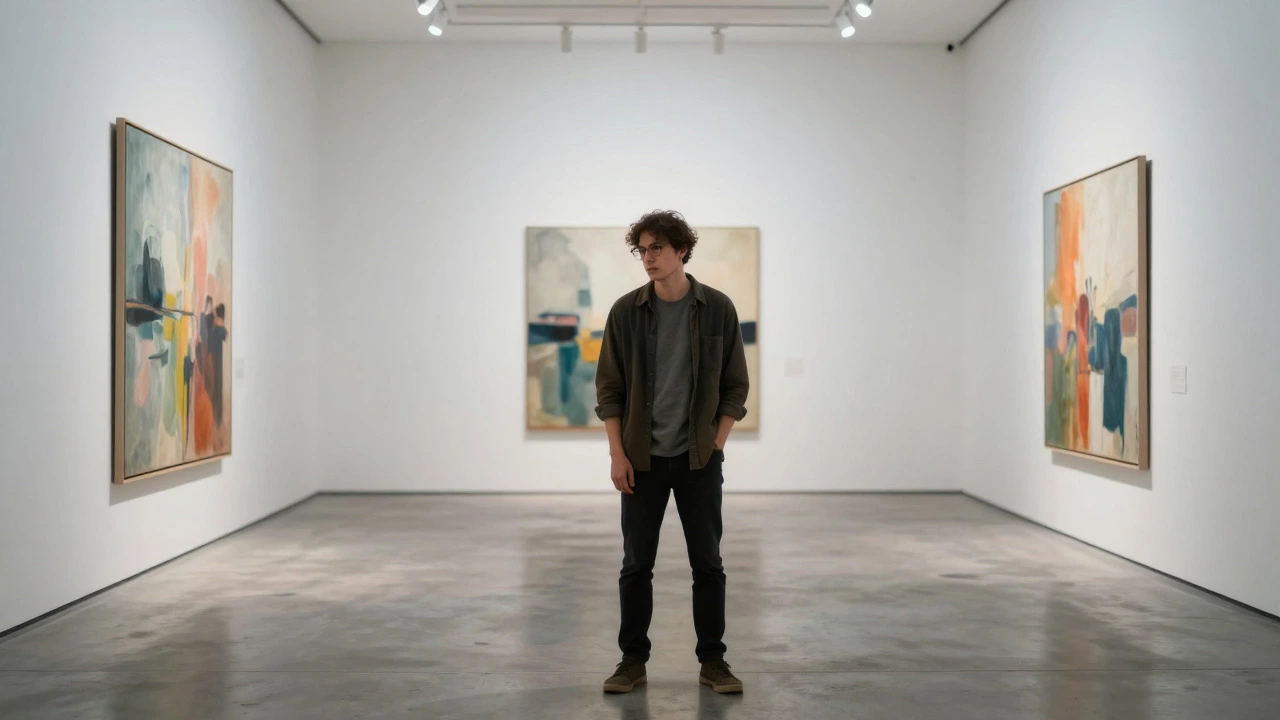
Standing in front of your own work, watching strangers pause and read the placard with your name on it, is a feeling few artists ever experience. It’s electric. But getting there requires more than just making good art. It requires logistics, psychology, and a bit of cold-calling courage. A solo art exhibition is a curated display of works by a single artist, typically held in a dedicated gallery space to showcase a specific theme or body of work. Unlike group shows where you compete for attention, a solo show puts all the spotlight on you. If you get the setup wrong, the silence can be deafening. If you get it right, it can launch your career.
Defining Your Concept and Narrative
Before you touch a phone or email a gallery, you need a story. Curators don't buy "paintings"; they buy a cohesive visual argument. What is the thread connecting these twenty pieces? Is it a shift in medium? A response to a personal event? A technical exploration of color? Curatorial narrative is the thematic backbone that unifies an exhibition, guiding the viewer through a logical emotional or intellectual journey. Without it, your show feels like a random collection of things you made last year. Write a one-page statement. Keep it under 300 words. Explain the 'why' behind the work, not just the 'how'. This document will become your press release, your gallery proposal, and your talking point at the opening night.
Selecting the Right Space
You have two main paths: white cube galleries or alternative spaces. White cube galleries offer prestige and foot traffic but take a significant commission (usually 40-50%). Alternative spaces-lofts, coffee shops, community centers-offer lower costs and more creative freedom but require you to drive your own audience. If you are new to the scene, start local. Vancouver has a vibrant underground art scene. Look for spaces that align with your aesthetic. Does the lighting suit your medium? Are the walls clean? Do they have insurance? Always check if the venue provides liability coverage. If not, budget for it. A slip-and-fall lawsuit can end a career faster than a bad review.
Building Your Portfolio and Proposal
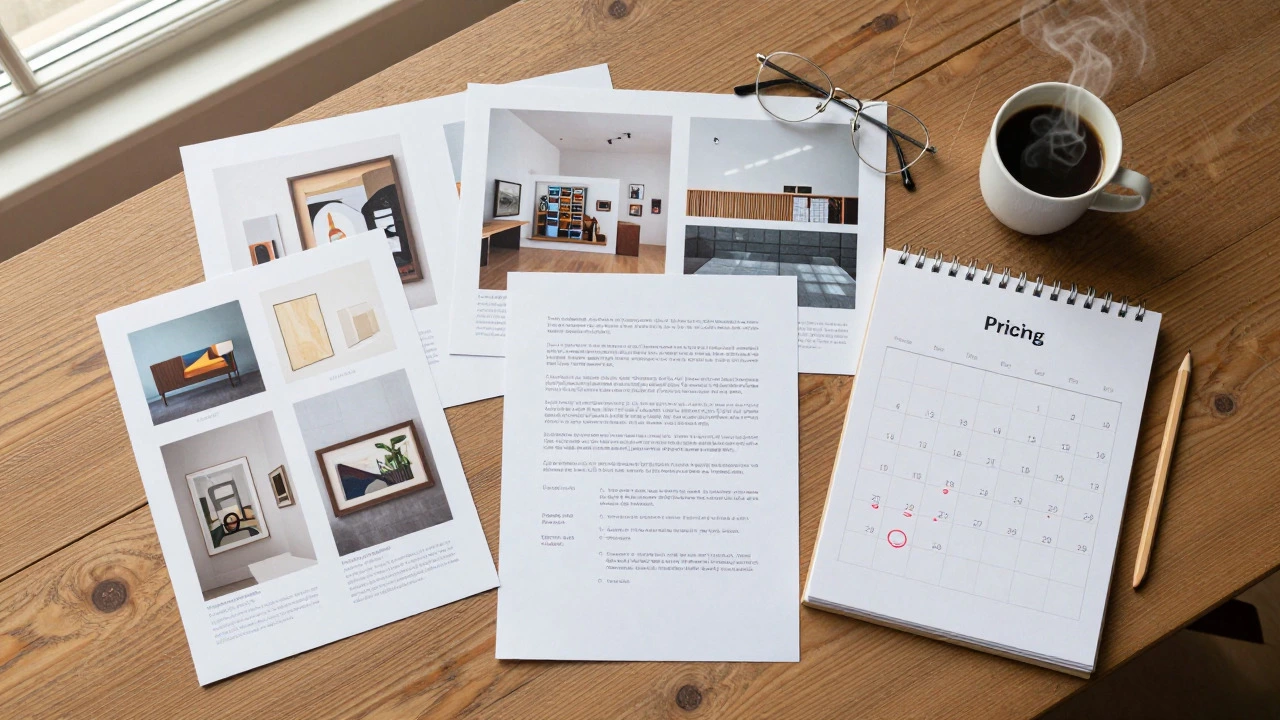
Your proposal is your resume. It needs to be professional, concise, and visually stunning. Include:
- Artist Bio: Third-person, present tense, max 150 words. Mention relevant education, awards, or previous shows.
- Press Release: The announcement of the show, including dates, location, and a quote from you about the concept.
- High-Res Images: At least 10-15 images of the selected works. Consistent lighting and background are non-negotiable.
- Statement: The curatorial narrative mentioned earlier.
- Pricing List: Clear prices for each piece. No ambiguity.
Logistics: Installation and Timeline
Timing is everything. You need to book the space 3-6 months in advance. Here is a realistic timeline:
- 3 Months Out: Finalize concept, select works, book space, sign contract.
- 2 Months Out: Create marketing materials, send press releases, confirm shipping/insurance.
- 1 Month Out: Confirm final list of works, arrange delivery, prepare wall text and labels.
- 1 Week Out: Install the show. Hang the art. Set up lighting. Check every detail.
- Opening Night: Host the event. Network. Sell.
Marketing and Audience Building
Don't wait until the opening night to tell people about your show. Start promoting 4 weeks out. Use social media consistently. Post behind-the-scenes content. Show the process. People connect with the human behind the art. Email your past clients and collectors. Personal notes beat mass blasts. Invite local critics, bloggers, and art enthusiasts. Offer them free drinks and good conversation. They are your amplifiers. Consider a small paid ad campaign on Instagram or Facebook targeting local art lovers. Even $100 can reach thousands of people within a 10-mile radius. Track your engagement. See which posts perform best. Adjust your messaging accordingly.
Sales Strategy and Pricing
A solo show is often the first time you sell directly to a collector. Be prepared. Have a simple spreadsheet tracking who bought what. Offer a discount for opening night purchases (e.g., 10% off). This creates urgency. Make sure your prices are consistent with your past sales. If you've sold similar work for $500 before, don't suddenly price it at $800 without justification. Collectors remember. Keep a contact list of everyone who asks about a piece. Follow up within 48 hours. Many sales happen weeks after the show ends. Stay in touch. Send updates on your next project. Build a relationship, not just a transaction.
The Opening Night Experience
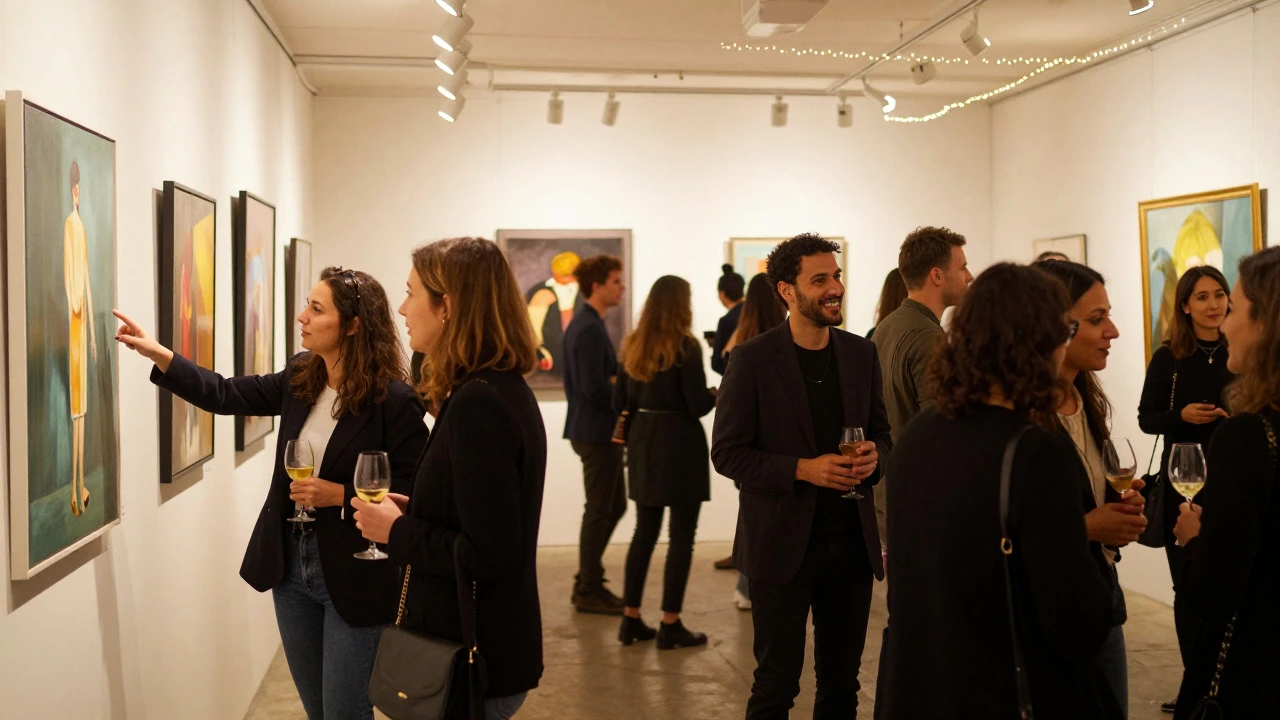
Opening night is a performance. Dress well. Be approachable. Don't hover over people. Let them look. When they ask questions, answer briefly and let them think. If someone says "I love this," ask "Which part do you like best?" It starts a dialogue. Serve wine or beer. Good food helps. Play music that matches your vibe. Not too loud. You want conversation, not dancing. Take photos. Video clips. Capture the energy. These assets will fuel your marketing for the next six months. Thank everyone who comes. It’s a big deal for them to spend an evening with you.
Post-Show Reflection and Next Steps
The show ends, but the work doesn't. Take down the art carefully. Pack it securely. Return the space. Then, sit down and analyze. How many pieces did you sell? Who were the buyers? Which pieces got the most attention? Did the narrative resonate? Write a thank-you note to the gallery, the visitors, and the buyers. Ask for feedback. What worked? What didn’t? Use this data to plan your next show. Maybe you’ll try a different medium. Maybe you’ll target a larger city. The solo exhibition is a stepping stone, not a destination. It proves you can execute. Now go make the next one bigger.
How much does it cost to host a solo art exhibition?
Costs vary widely. In a commercial gallery, you pay nothing upfront but give 40-50% of sales. In a rented space, expect to pay $500-$2,000 for the venue, plus $200-$500 for insurance, marketing, and printing. Budget at least $1,500 total for a self-organized show in a mid-sized city like Vancouver.
How many pieces should I include in a solo show?
Quality over quantity. Aim for 15-25 pieces. Too few looks empty; too many feels overwhelming. Ensure each piece contributes to the overall narrative. If a piece doesn't fit the theme, leave it out. You can always show it in a group show later.
Do I need an agent to get a solo show?
No. Most emerging artists land their first solo shows by contacting galleries directly. Agents usually come later, once you have a track record of successful sales and critical acclaim. Focus on building relationships with gallerists yourself first.
What if nobody buys my art?
It happens. A solo show is also a networking event. Even if you sell zero pieces, you gain exposure, collect contacts, and build credibility. Many artists report that their biggest sales came months after the show ended. Treat it as a long-term investment in your brand.
How far in advance should I book a gallery?
Book 3 to 6 months in advance. Popular venues fill up fast, especially during peak seasons like fall and spring. If you're targeting a major holiday season, aim for 6+ months to secure the slot and allow time for marketing buildup.