
Exhibition Readiness Checklist
Track your progress through the critical steps of getting your art exhibited. Click items to mark them as complete.
You’ve spent months (or years) perfecting your craft. You have a body of work that you’re proud of, and now you want the world to see it. But staring at a blank wall in your studio feels very different from seeing your piece hanging under professional lighting in a public space. The gap between "making art" and "showing art" is often where artists get stuck. It’s not just about talent; it’s about logistics, networking, and knowing how to speak the language of curators.
Getting your art into an exhibit is rarely a matter of luck. It is a process of strategic positioning. Whether you are aiming for a prestigious commercial gallery, a community center, or a pop-up event, the path involves specific steps that many beginners overlook. Let’s break down exactly how to navigate this landscape without losing your mind or your artistic integrity.
Build a Portfolio That Actually Sells Itself
Before you send a single email, look at what you are sending. A common mistake is sending a random assortment of pieces because they all happen to be finished. Curators don’t just buy individual images; they buy a vision. They need to see coherence. If you show them five landscapes and three abstract portraits, they might wonder who you actually are as an artist.
Your portfolio should tell a story. Aim for consistency in medium, theme, or technique. If you paint, show your best ten paintings, not your best two paintings and eight sketches unless those sketches are the main point. High-resolution images are non-negotiable. Use natural light if possible, ensure the colors are calibrated, and crop out any clutter from your studio background. If you can’t afford a professional photographer, learn basic product photography. A blurry photo suggests a blurry approach to business.
Alongside the visual assets, you need a concise artist statement. This isn’t a biography of your childhood. It’s a brief explanation of why you make this work and what themes connect it. Keep it under 300 words. Curators skim these quickly. If they can’t understand your intent in thirty seconds, they move on.
Identify the Right Type of Exhibition
Not all exhibits are created equal, and targeting the wrong one wastes time. You need to categorize opportunities based on accessibility and cost.
| Exhibition Type | Cost to Artist | Prestige Level | Best For |
|---|---|---|---|
| Juried Shows | Entry Fee ($15-$50) | Medium-High | Gaining credibility via third-party selection |
| Commercial Galleries | Commission (40-60%) | High | Selling work and long-term representation |
| Community Centers | Low or Free | Low-Medium | Local visibility and practice runs |
| Pop-ups/Cafes | Free or Barter | Niche | Testing audience reaction and casual sales |
Start with juried shows if you are new. These are competitions where an external curator selects works. Winning or being selected adds a line to your CV that says, "A stranger liked my work enough to put it on a wall." It builds social proof. Commercial galleries are harder to crack but offer sales potential. Community centers are great for filling gaps in your schedule and getting comfortable with installation.
Master the Submission Process
Once you have identified targets, check their submission guidelines. This sounds obvious, but ignoring instructions is the fastest way to get rejected. Some galleries require physical slides, others use digital platforms like Submittable or CaFÉ. Read every word. If they ask for a PDF portfolio, do not send a link to a website. If they ask for no more than five images, do not send six.
When submitting to commercial galleries, avoid mass emails. Research the gallery. Does their aesthetic match yours? If they specialize in minimalist black-and-white photography, do not pitch your neon-colored oil paintings. Write a personalized cover letter. Mention a recent show they hosted that you admired. Show that you’ve done your homework. This small effort separates you from the hundreds of artists hitting "send" blindly.
Timing matters too. Galleries plan seasons months in advance. Submitting a proposal for a summer show in November is smart. Submitting in May is usually too late. Check the calendar of major local venues and align your submissions accordingly.
Network Without Being Annoying
The art world is surprisingly small. In cities like Vancouver, Toronto, or New York, everyone knows everyone. Attending openings is not just about drinking free wine; it’s about presence. When you go to an opening, talk to other artists, not just the gallerist. Ask them how they got there. Most artists are happy to share tips. They are your future collaborators, not competitors.
Follow up after meeting someone. Send a polite email thanking them for the conversation. Include a link to your portfolio. Do not attach large files immediately. Build a relationship before asking for a favor. Many solo shows come from connections made at group shows. If a curator sees your work in a juried exhibition and likes it, they might invite you for a solo spot later. This organic path is often more successful than cold emailing.
Prepare for Installation and Logistics
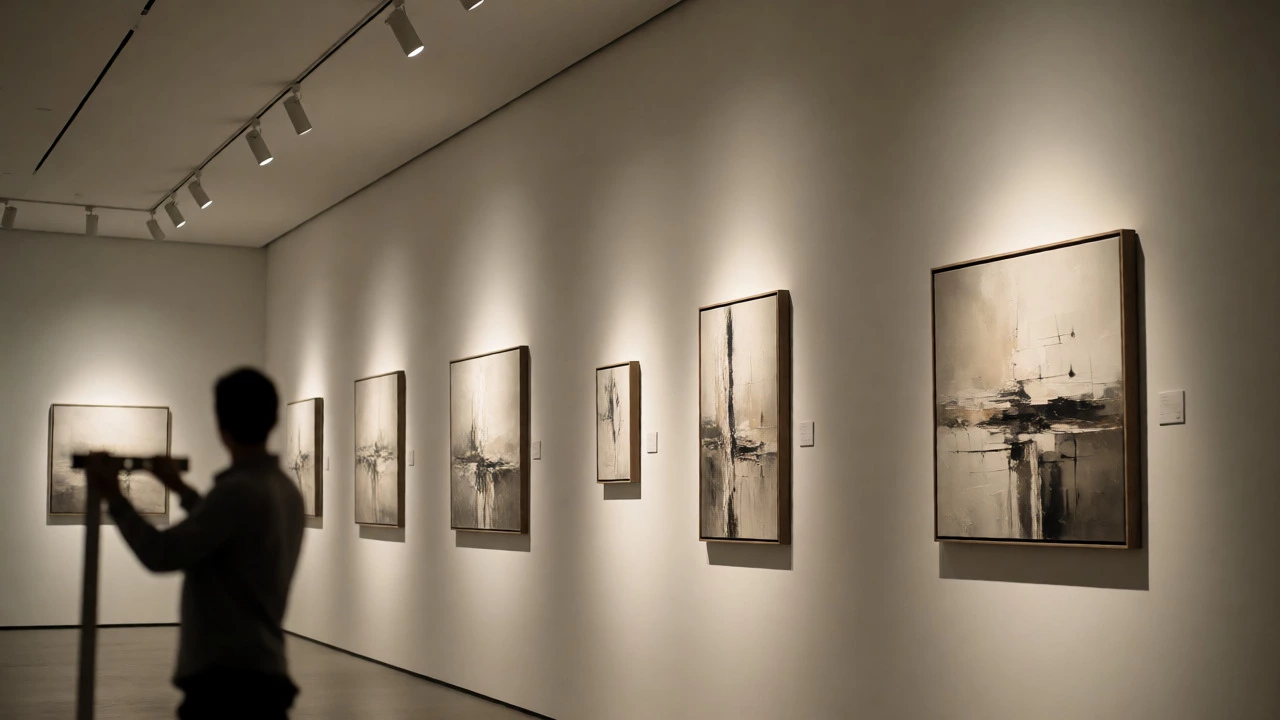
Getting accepted is only half the battle. Now you have to install the work. This is where professionalism shines. Arrive early. Bring your own tools: level, tape measure, picture hooks, gloves, and a ladder. Assume the venue will provide nothing except walls.
Label everything clearly. Each piece needs a label with title, medium, dimensions, and price (if applicable). Place labels consistently-usually bottom right of the frame, aligned horizontally across the room. This detail signals that you respect the space and the viewer’s experience.
Insurance is another critical factor. Most venues are not liable for damage during transit or installation. Consider taking out temporary insurance or ensuring your homeowner’s policy covers fine art off-premises. Accidents happen. A dropped sculpture or a torn canvas can ruin a show. Be prepared to fix issues on the fly. Have touch-up paint and extra wire on hand.

Promote Your Own Show
Do not expect the gallery to bring people through the door for you. Even established artists promote their own shows. Create a simple landing page or social media campaign announcing the dates and location. Invite friends, family, and past collectors. Send personal invitations rather than generic blasts. People respond to personal attention.
Host a reception. Offer light refreshments. This gives people a reason to stay longer and engage with the work. During the reception, circulate. Talk to visitors. Ask them what resonates with them. Listen more than you talk. Their feedback is invaluable for your next series. Also, capture content. Take photos of people interacting with your art. These social proofs help sell future pieces.
Common Pitfalls to Avoid
- Ignoring contracts: Always read the agreement. Who pays for framing? Who handles shipping? What happens if the work sells?
- Overpricing: As a new artist, keep prices accessible. You are building a collector base, not trying to retire immediately.
- Lack of follow-through: After the show, thank everyone involved. Update your website. Add the exhibition to your CV. Momentum dies if you stop moving.
- Comparing yourself to others: Everyone’s timeline is different. Focus on your growth, not someone else’s highlight reel.
Getting your art into an exhibit is a skill set separate from creating art. It requires organization, communication, and resilience. Start small, document everything, and treat each opportunity as a step toward your larger career goals. The first show is never the last. It’s just the beginning of your public life as an artist.
Do I need a degree in art to get exhibited?
No, you do not need a formal degree. Galleries and curators care about the quality of your work, your consistency, and your professionalism. Many successful artists are self-taught. However, having a strong portfolio and a clear artist statement is essential regardless of your educational background.
How much does it cost to enter a juried show?
Entry fees typically range from $15 to $50 per submission. This fee covers the administrative costs of judging and organizing the show. While it can add up if you apply to many shows, consider it an investment in exposure and potential sales. Look for scholarships or discounts for students or members of local art councils.
Who pays for framing and installation?
This varies by venue. Commercial galleries often require artists to deliver ready-to-hang pieces, meaning you pay for framing. Community centers may have limited resources, so you might need to bring your own hardware. Always clarify these details in writing before agreeing to participate. Never assume the venue will handle logistics unless explicitly stated.
What if I don't sell anything at the show?
It is normal not to sell everything, or even anything, at your first few shows. Exhibitions are primarily about visibility and building your reputation. Collectors often take time to decide. Follow up with interested visitors after the show. View the experience as marketing for your brand rather than just a transactional event.
How far in advance should I submit proposals?
For commercial galleries and institutional museums, aim to submit proposals 6 to 12 months in advance. For smaller juried shows or community spaces, 2 to 4 months is usually sufficient. Planning ahead allows you to prepare new work specifically tailored to the venue's aesthetic and ensures you aren't rushed during production.