Fine Art Photography Classifier & Guide
Is Your Photo Fine Art?
Answer these questions to analyze the intent and context of your image.
Classification Result
Historical Movements Timeline
Quick Knowledge Check
Which statement best describes the core difference between Pictorialism and Straight Photography?
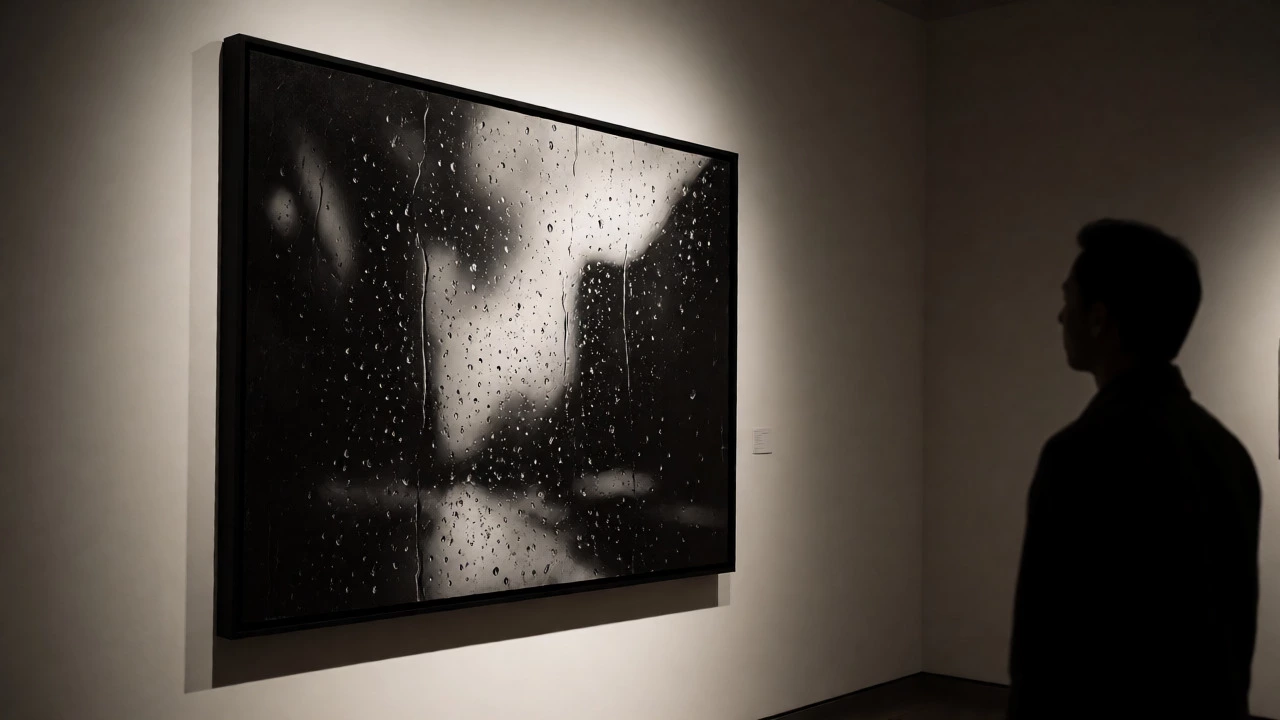
Imagine walking into a gallery. You see a black-and-white image of rain hitting a windowpane. It’s not just a snapshot of weather; it feels like a painting, heavy with mood and intention. This is the core question many photographers ask: when does a photo stop being a record of reality and start being fine art photography? The answer isn't in the camera you use or the price tag on the print. It lies in the history, intent, and aesthetic choices that define this specific movement.
If you’ve ever wondered why some photos hang in museums while others stay on Instagram feeds, you’re looking at the boundary between documentary work and fine art. This distinction wasn’t always clear. In fact, for decades, photographers had to fight tooth and nail to prove their medium was art. Understanding this struggle helps us appreciate what we see today.
The Struggle for Legitimacy
Photography started as a scientific curiosity in the early 19th century. Louis Daguerre and Henry Fox Talbot gave the world a way to capture light mechanically. But critics weren’t impressed. They saw cameras as machines, mere copyists of nature. Painters held the monopoly on "art" because they used human hands and imagination. Photographers were seen as technicians, not artists.
This changed dramatically in the late 1800s. A group of photographers decided they wouldn’t accept second-class status. They wanted their images judged by artistic standards, not technical ones. This push created the foundation of modern fine art photography. It wasn’t about taking better pictures; it was about changing how people perceived the act of taking them.
Pictorialism: The First Major Wave
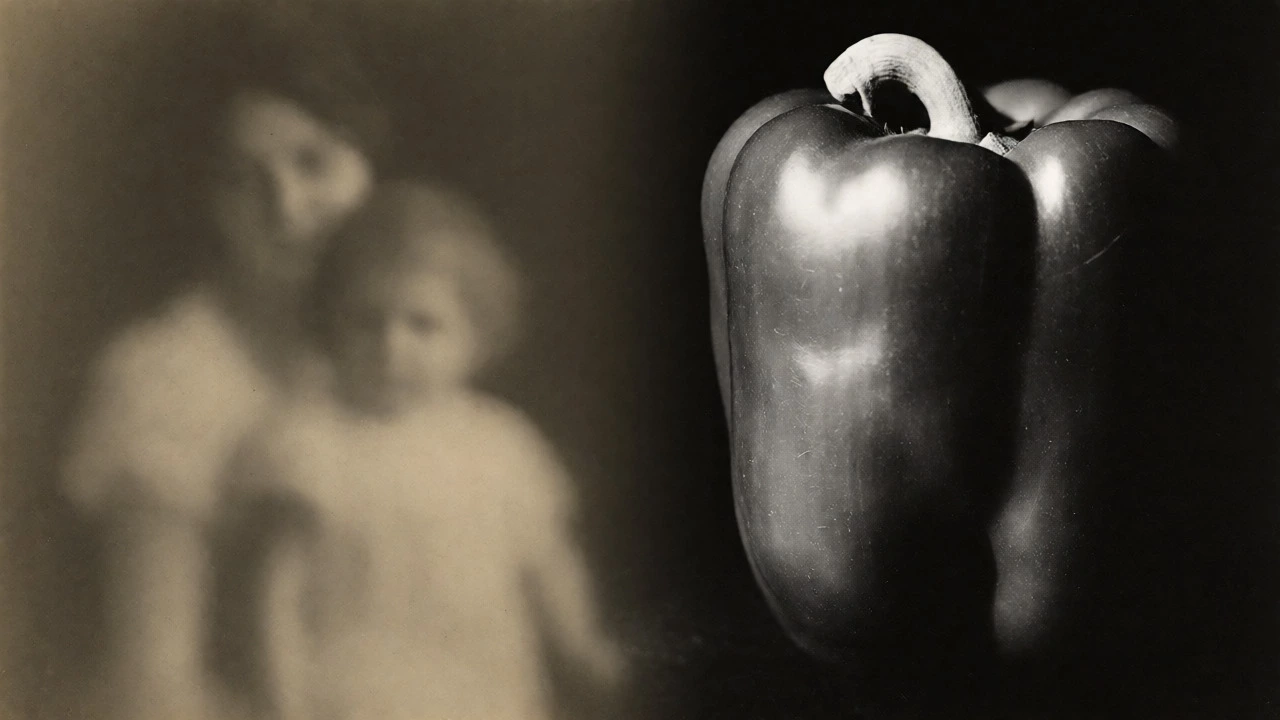
The first organized attempt to elevate photography came through a style called Pictorialism. Emerging around 1885, Pictorialists believed photographs should look like paintings. They manipulated their prints heavily. They used soft focus lenses, special papers, and hand-coloring techniques to blur details and add emotional weight.
Why did they do this? Because sharp, detailed images looked too much like science. By making photos hazy and dreamlike, they mimicked the aesthetics of Impressionist painting. They wanted viewers to feel something, not just see something.
Key figures drove this movement:
- Alfred Stieglitz: An American photographer who founded the Photo-Secession group and the famous "291" gallery in New York. He argued that a photograph could be as expressive as any canvas.
- Edward Steichen: Stieglitz’s close collaborator, whose moody landscapes defined the Pictorialist look.
- Gertrude Käsebier: One of the most respected portrait photographers of her time, known for her intimate, painterly portraits of mothers and children.
Pictorialism proved that photographers could control every aspect of the final image. They weren’t just pressing buttons; they were crafting visions.
The Shift to Straight Photography
By the 1920s, tastes shifted. People grew tired of blurry, manipulated images. A new generation wanted clarity. They believed photography’s unique power lay in its ability to show the world exactly as it was, but with heightened attention. This led to Straight Photography, also known as Pure Photography.
Straight photographers rejected manipulation. No smudging, no painting over negatives. They used sharp lenses, small apertures for deep depth of field, and high-quality printing processes. Their goal was to reveal the inherent beauty in ordinary objects through precise framing and lighting.
Two groups championed this approach:
- Group f/64: Based in California, members like Ansel Adams and Edward Weston focused on natural forms. Adams’ zone system allowed him to visualize the final print before he even clicked the shutter.
- The Bauhaus School: In Germany, photographers like László Moholy-Nagy experimented with abstract angles and photomontages, treating the camera as a tool for visual design rather than just documentation.
This era established that "truth" in photography didn’t mean boring accuracy. It meant seeing deeply. A close-up of a pepper pod by Edward Weston looks alien and sculptural because of his intense focus on form and texture.
Defining Fine Art vs. Commercial Work
You might ask: if I take a beautiful sunset photo, is it fine art? Not necessarily. The difference often comes down to intent and context. Here’s how experts distinguish the two.
| Feature | Fine Art Photography | Commercial Photography |
|---|---|---|
| Primary Goal | Express an idea, emotion, or aesthetic vision. | Sell a product, service, or concept. |
| Subject Matter | Chosen by the artist for personal significance. | Determined by client needs (e.g., food, fashion). |
| Editing Style | Manipulated to serve the artist’s vision. | Retouched to meet brand guidelines and realism. |
| Ownership | Artist retains copyright and controls editions. | Client often buys exclusive rights. |
| Audience | Galleries, collectors, museums. | Consumers, magazines, websites. |
Notice the shift in ownership and audience. Fine art photographers often sell limited edition prints directly to collectors. Commercial photographers get paid for usage licenses. This economic model reinforces the artistic status of fine art work.
Contemporary Fine Art Photography
Today, the lines are blurrier than ever. Digital technology has democratized image-making, but the core principles remain. Contemporary fine art photography isn’t just about pretty pictures. It’s about conceptual depth.
Modern artists use photography to explore identity, politics, memory, and environment. For example, Cindy Sherman uses self-portraits to critique gender roles. Her photos aren’t about her face; they’re about the masks society forces women to wear.
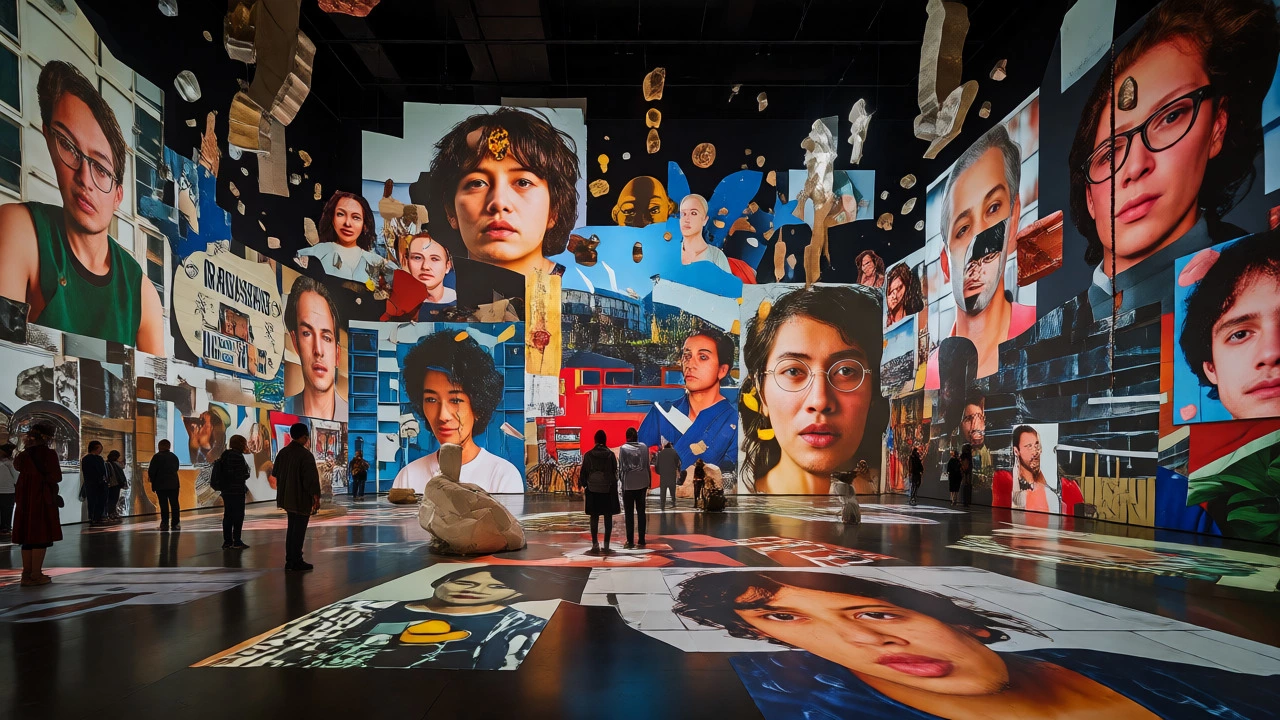
Another trend is large-scale installation. Artists like Andreas Gursky create massive digital composites that overwhelm the viewer, turning photography into an immersive experience similar to abstract expressionism.
Key characteristics of contemporary fine art include:
- Conceptual Strength: The idea behind the image matters more than technical perfection.
- Series-Based Work: Single images rarely stand alone; they are part of a larger narrative.
- Mixed Media: Combining prints with sculpture, video, or text.
- Critical Discourse: The work invites interpretation and debate.
How to Start Your Own Journey
If you want your photography to enter the realm of fine art, you need to change your mindset. Stop thinking about "taking" photos and start thinking about "making" them.
Here are practical steps to bridge the gap:
- Develop a Voice: Don’t shoot everything. Pick a theme-urban decay, human connection, abstract nature-and stick with it until you have a cohesive body of work.
- Master Presentation: How you print matters. Use archival paper, proper matting, and consistent sizing. A sloppy presentation undermines artistic intent.
- Study History: Look at works by Henri Cartier-Bresson or Diane Arbus. Understand what made them groundbreaking. Learn from their composition and timing.
- Seek Feedback: Show your work to other artists, not just friends. Ask critical questions: What does this image make you feel? Why did you choose this frame?
- Edition Your Work: Limit your prints. Selling 10 copies of a photo makes it a commodity. Selling 3 numbered, signed prints makes it collectible art.
Remember, fine art photography is subjective. There is no official board certifying your work. It becomes art when the community-galleries, critics, collectors-accepts it as such. But the process starts with you treating your images with seriousness and respect.
Common Misconceptions
Many beginners fall into traps when trying to define their work as fine art.
Misconception 1: Expensive gear equals fine art. You can shoot masterpiece-level fine art with a smartphone. The tool doesn’t determine the art; the eye does. Ansel Adams used large format cameras, but his genius was in visualization, not machinery.
Misconception 2: Black and white is automatically artistic. While monochrome strips away distraction, color photography is equally valid in fine art circles. William Eggleston revolutionized the genre by proving color snapshots could be profound art.
Misconception 3: You must follow strict rules. Fine art thrives on breaking rules. Surrealists distorted reality. Abstract photographers removed subjects entirely. Experimentation is encouraged, provided it serves a clear vision.
Why It Matters Today
In an age of billions of daily uploads, fine art photography offers a pause button. It asks us to slow down and look closer. It challenges the throwaway culture of social media by emphasizing permanence and value.
When you buy a fine art print, you aren’t just decorating a wall. You’re supporting a cultural conversation. You’re investing in a perspective that someone else found worth preserving. That exchange of vision is the heart of the movement.
Is all artistic photography considered fine art?
No. While all fine art photography is artistic, not all artistic photography is fine art. Documentary, journalistic, and commercial photography can be highly artistic but are categorized differently based on intent and distribution. Fine art specifically refers to work created primarily for aesthetic appreciation and collection, often exhibited in galleries.
Do I need a degree to become a fine art photographer?
No formal degree is required. Many renowned fine art photographers are self-taught. However, education can help you understand art history, theory, and networking opportunities. Success depends more on your portfolio, consistency, and ability to articulate your vision than on academic credentials.
What is the difference between Pictorialism and Straight Photography?
Pictorialism (late 19th-early 20th century) involved manipulating images to resemble paintings, using soft focus and darkroom techniques. Straight Photography (mid-20th century) rejected manipulation, favoring sharp focus, natural lighting, and unaltered prints to highlight the camera's unique capability to capture reality precisely.
Can digital photography be fine art?
Absolutely. Museums and galleries widely accept digital photography as fine art. The medium (film or digital) is less important than the artist's intent, composition, and conceptual depth. Many contemporary fine art photographers work exclusively digitally.
How do I know if my photo is good enough for a gallery?
Look for cohesion in a series, technical excellence appropriate to your style, and a clear conceptual message. Seek feedback from curators or other artists. If your work provokes thought or emotion beyond simple documentation, it may have gallery potential.