Photography Purpose Analyzer
Discover Your Photography Style
Answer 5 questions to see if your photography leans more toward commercial or fine art. This tool helps you understand your creative approach based on the core differences explained in the article.
Your Photography Style Analysis
When you see a photograph, how do you know if it’s meant to sell something-or to make you feel something? That’s the core difference between commercial photography and fine art photography. One exists to serve a client’s goal. The other exists to express a vision. They both use the same tools-cameras, lights, lenses-but they answer to completely different masters.
Commercial Photography Is About Purpose
Commercial photography is hired work. It’s created to drive action: sell a product, promote a brand, attract customers, or support a campaign. Think of a shampoo ad on TV, a menu photo for a restaurant, or a model wearing sneakers for a sports brand. The photographer doesn’t decide what the image should look like. The client does. The art director, the marketing team, the brand guidelines-they all have a say.
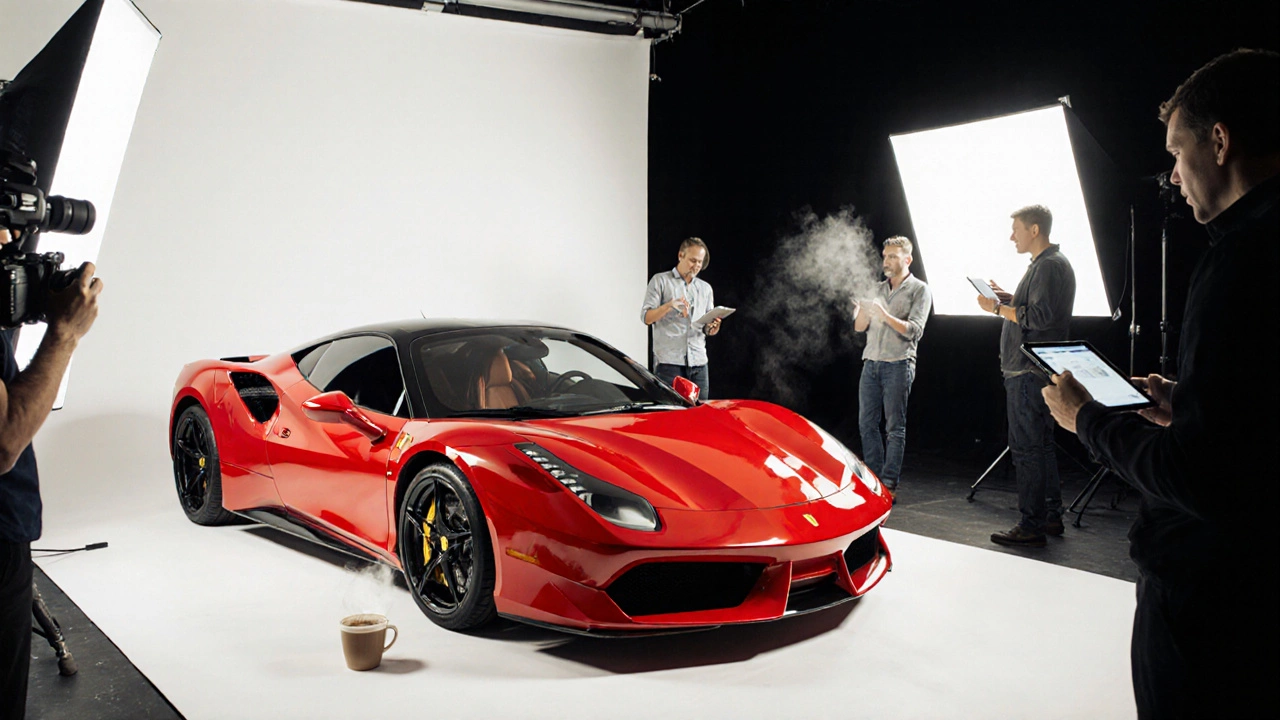
Every element is controlled for clarity and impact. Colors are brightened to make food look fresh. Skin is smoothed to match beauty standards. The background is stripped down so nothing distracts from the product. A commercial photographer might shoot 200 frames of a coffee cup to get exactly one where the steam rises just right. That’s not artistic obsession-it’s precision engineering.
Big brands like Nike, Apple, or Coca-Cola don’t hire photographers for their personal style. They hire them for their reliability, consistency, and ability to follow direction. The final image isn’t judged by how moving it is. It’s judged by how many units it sells.
Fine Art Photography Is About Expression
Fine art photography starts with the artist’s inner voice. There’s no client telling the photographer what to capture. No product to showcase. No deadline from a marketing manager. Instead, there’s a question: What do I want to say? How do I want the viewer to feel?
Think of Diane Arbus’s portraits of people on the edges of society. Or Gregory Crewdson’s staged, cinematic scenes that feel like stills from an unwritten movie. These aren’t ads. They’re visual poems. They don’t ask you to buy anything. They ask you to wonder.
Fine art photographers often work slowly. They might spend months building a single series. A project could involve hand-printing each image in a darkroom, using century-old processes like platinum palladium, or shooting in remote locations with no electricity. The goal isn’t efficiency. It’s depth.
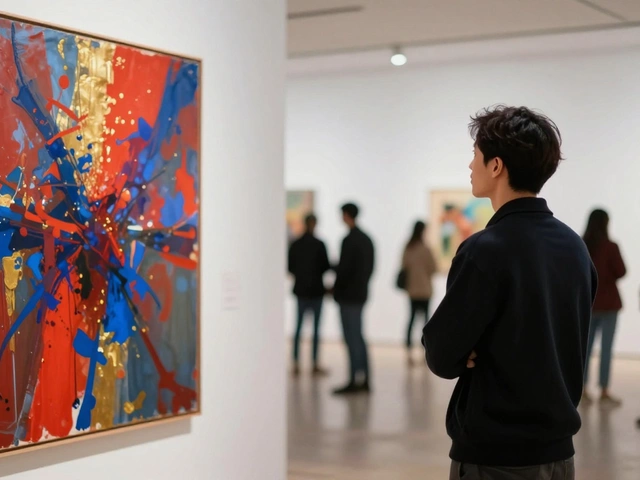
These images are shown in galleries, published in limited-edition books, or collected by museums. Their value isn’t tied to sales numbers. It’s tied to emotional resonance, originality, and how deeply they engage with ideas-identity, memory, isolation, beauty, decay.
The Tools Are the Same. The Intent Is Not
Both types of photography use the same equipment. A Canon R5, a Sony A7, a medium format Hasselblad-these tools don’t care if you’re shooting a luxury watch or a lonely tree in winter. The lens, the shutter speed, the aperture-these are neutral.
But the choices behind them are everything. A commercial photographer might use a shallow depth of field to blur the background and make a handbag stand out. A fine art photographer might use the same technique to isolate a figure in a vast landscape, creating a feeling of solitude.
Editing is different too. Commercial work often follows strict color profiles. Everything must match the brand’s Pantone swatches. Fine art work might be intentionally faded, high-contrast, or even partially hand-tinted. It’s not about accuracy. It’s about mood.
One of the clearest ways to tell them apart? Look at the caption. Commercial photos usually say: “Nike Air Max 2025, available now.” Fine art photos say: “The Weight of Silence, 2024.”
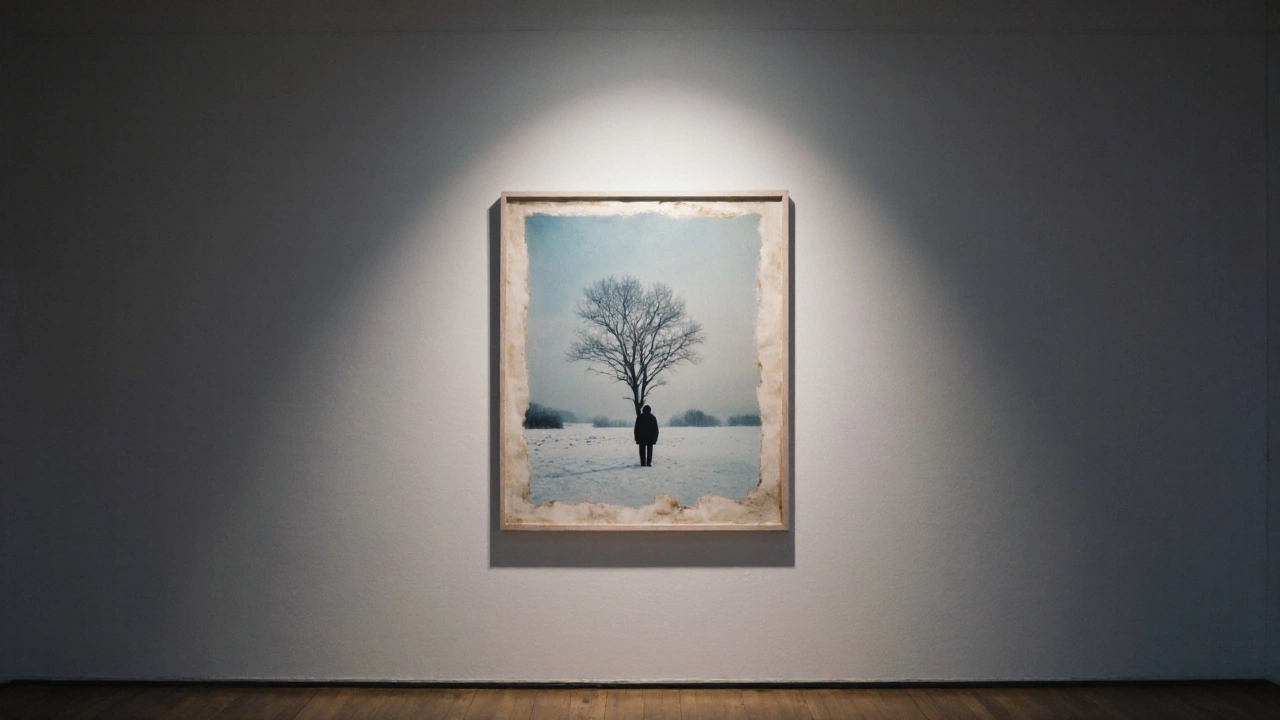
Where the Lines Blur
It’s not always black and white. Some photographers work in both worlds. Annie Leibovitz shot portraits of celebrities for Rolling Stone (commercial) and later exhibited those same images in museums (fine art). Peter Lindbergh’s black-and-white fashion photos looked like cinematic portraits-sold in magazines, but collected as art.
That’s because art doesn’t live in the label. It lives in the intention. If a fashion photo is made to sell clothes, it’s commercial-even if it’s beautiful. If that same photo is printed large, hung in a gallery, and surrounded by text about identity and gender, it becomes fine art.
Similarly, some fine art photographers take commercial gigs to pay the bills. They might shoot weddings or real estate photos during the week and spend weekends on personal projects that no one will buy. That’s not hypocrisy. It’s survival.
How You’re Seen Changes What You Make
When you’re shooting for a client, you’re part of a team. Your creativity is channeled. You’re expected to deliver what’s requested, not what you dream of. There’s safety in that. Steady income. Clear feedback. A portfolio full of recognizable work.
Fine art photography is riskier. You might spend a year on a project and show it to ten galleries. Nine say no. One says yes-but only if you pay for the framing. There’s no guarantee anyone will care. But when someone does? When a stranger stands in front of your photo and cries? That’s a kind of validation no paycheck can match.
Many photographers struggle with this tension. They want to make money. They also want to make something true. The trick isn’t choosing one over the other. It’s knowing which hat you’re wearing when you pick up the camera.
Which Path Is Right for You?
If you love structure, deadlines, and seeing your work in ads or catalogs, commercial photography might be your fit. You’ll learn to work fast, adapt to feedback, and master technical consistency. You’ll build a portfolio full of polished, client-approved images. And you’ll get paid reliably.
If you’re driven by curiosity, emotion, and the need to explore ideas that don’t have clear answers, fine art photography calls to you. You’ll learn patience. You’ll embrace ambiguity. You’ll create work that doesn’t always make sense to others-and that’s okay. Your audience might be small, but it will be deep.
You don’t have to pick one forever. Many photographers start in commercial work to fund their fine art. Others begin as artists and later take on commercial projects to reach a wider audience. The key is awareness. Know why you’re shooting. Know who you’re shooting for. And don’t let one type steal the soul of the other.
Final Thought: It’s Not About the Image. It’s About the Reason.
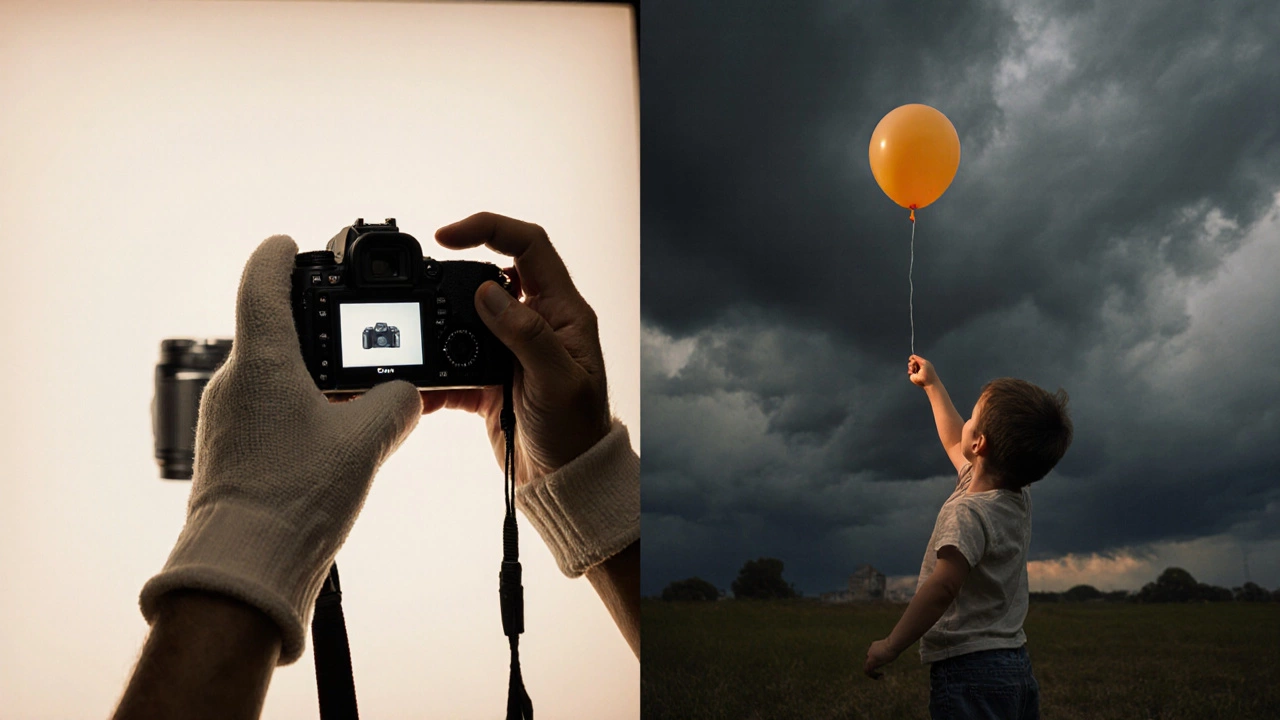
A photograph of a child holding a balloon can be commercial if it’s for a toy company. It can be fine art if it’s about the fleeting nature of childhood. The same frame. Two different worlds.
Don’t judge a photo by how it looks. Judge it by why it exists.
Can fine art photography be sold like commercial photography?
Yes, but differently. Commercial photos are sold as licenses-used in ads, websites, or packaging. Fine art photos are sold as original prints, usually limited editions. A fine art print might cost $500 to $10,000 depending on the artist, size, and edition number. It’s not about usage rights. It’s about ownership of a unique object.
Do I need formal training for fine art photography?
No. Many acclaimed fine art photographers are self-taught. What matters is your ability to develop a strong visual language and communicate ideas through your images. Formal education can help with critique, history, and networking, but it’s not required. What you need is consistency, curiosity, and the courage to show work that doesn’t always please everyone.
Is commercial photography less creative than fine art?
No. It’s constrained, not less creative. A commercial photographer must solve visual problems within tight rules: brand colors, product placement, legal disclaimers, audience expectations. That’s a different kind of creativity-like writing a poem with only 14 lines. The best commercial work feels effortless because the constraints are mastered so well.
Can I make a living doing only fine art photography?
It’s rare, but possible. Most fine art photographers supplement their income with teaching, writing, licensing images for editorial use, or selling prints online. A few reach the level where museums and collectors buy their work consistently. Success here isn’t about volume-it’s about depth of connection. One gallery show, one major collection acquisition, or one viral exhibition can change everything.
How do I start transitioning from commercial to fine art photography?
Start small. Pick one personal project that matters to you-something you’d shoot even if no one saw it. Shoot it consistently for three months. Then show it to three people you trust. Don’t ask if it’s good. Ask what they felt. Use that feedback to refine your voice. Build a simple website. Submit to small galleries or online art journals. The goal isn’t fame. It’s clarity.