Fine Art Photography Quality Checker
Assess Your Photography
Rate your work against the key principles of fine art photography. This tool helps you identify strengths and areas for growth based on the article's criteria.
Does your photo express a clear artistic idea or emotion rather than just documenting a scene?
Does your image use composition to create rhythm, tension, or silence rather than just following technical rules?
Does your lighting serve the emotional narrative rather than just illuminating the subject?
Does your work show a consistent visual language that builds a recognizable artistic voice?
Does your photo create a meaningful emotional response that goes beyond technical quality?
Good fine art photography isn’t about capturing what’s in front of the lens. It’s about showing what’s inside the photographer’s mind. You can have perfect exposure, sharp focus, and flawless lighting-but if the image doesn’t make you feel something, it’s just a picture. Fine art photography is the quiet voice that lingers after the shutter clicks.
It Starts With Intent
Every great fine art photograph begins with a question, not a subject. Why are you taking this photo? What are you trying to say? Too many photographers chase technical perfection and forget the heart of the work. A photo of a lone tree in a snowstorm might look stunning on Instagram, but unless it’s tied to a deeper idea-loneliness, resilience, silence-it’s just a landscape. Fine art photography demands intent. It’s not about documenting reality; it’s about revealing truth.
Think of Sally Mann’s haunting images of her children in the Virginia countryside. They’re not posed. They’re not staged for shock. They’re raw, intimate, and layered with memory and vulnerability. Her intent wasn’t to show kids playing-it was to explore the fleeting nature of childhood and the weight of time. That’s fine art.
Composition Is Your Language
Composition in fine art photography doesn’t follow the rule of thirds because it’s a rule. It follows rhythm, tension, balance, and silence. The best fine art images use space like a poet uses white space on a page. Negative space isn’t empty-it’s breathing room. It lets the viewer lean in, wonder, and feel the absence as much as the presence.
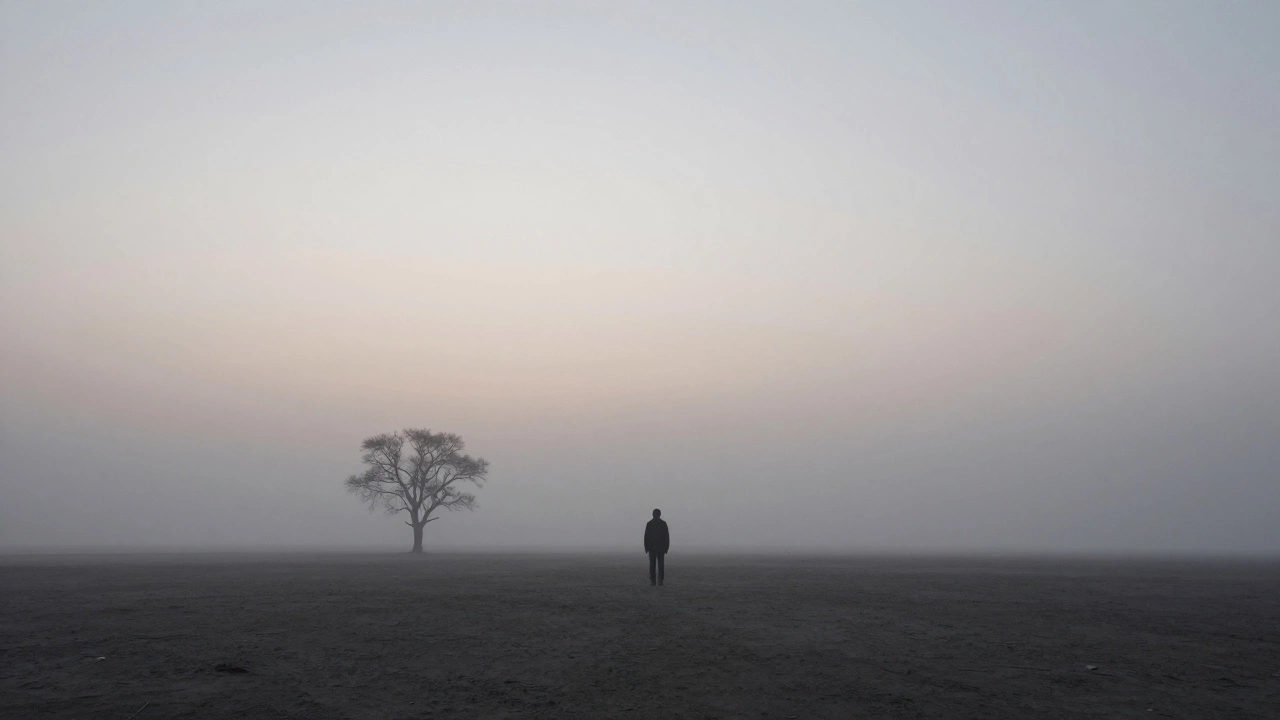
Consider the work of Michael Kenna. His black-and-white seascapes often show a single tree, a lone figure, or a crumbling wall against endless fog. There’s no action. No drama. Just stillness. But that stillness pulls you in. He doesn’t fill the frame-he carves meaning out of it. That’s composition as emotional architecture.
Don’t confuse complexity with depth. A cluttered photo with ten elements doesn’t feel richer. It feels noisy. Good fine art photography knows when to leave things out. One strong subject. One clear mood. One quiet moment. That’s often enough.
Lighting Tells the Story
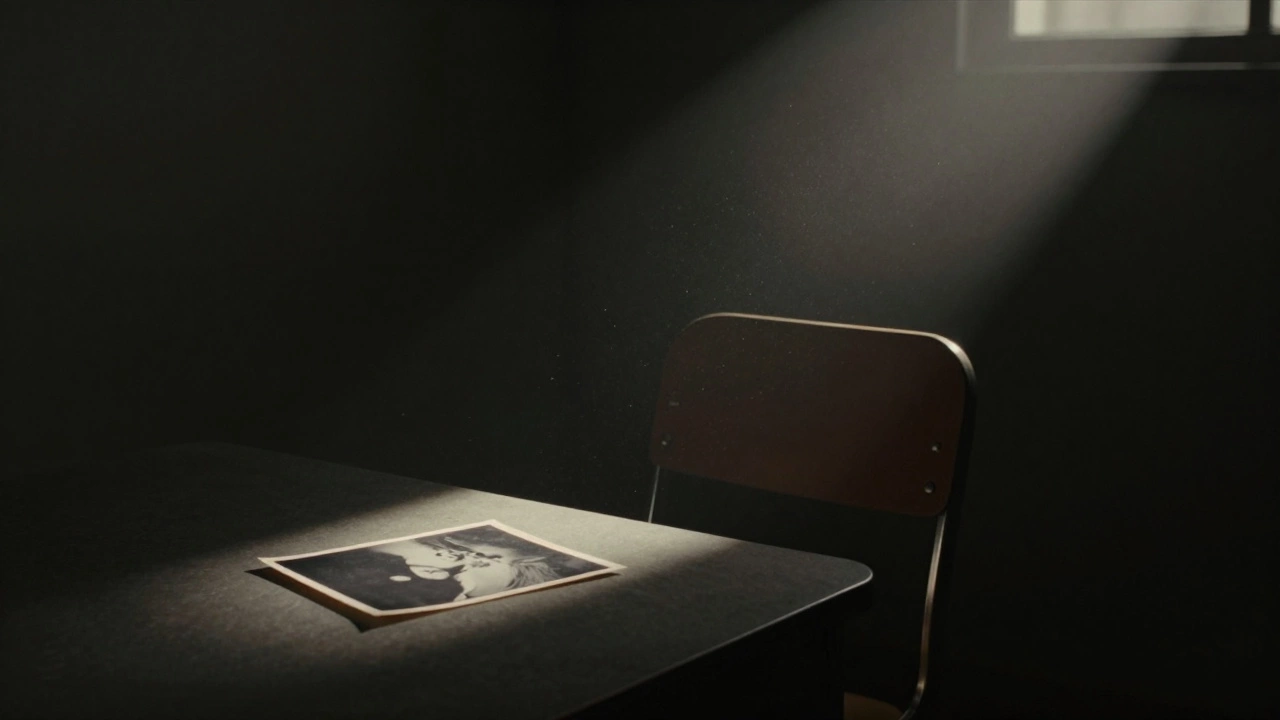
Lighting in fine art photography isn’t about making things look pretty. It’s about revealing character. A soft, diffused glow can feel tender. Harsh shadows can feel threatening. A single shaft of light cutting through darkness isn’t just illumination-it’s symbolism.
Look at the work of Hiroshi Sugimoto. His series of movie theater interiors show nothing but a glowing screen. The rest is black. The light from the film becomes a metaphysical presence. It’s not about cinema-it’s about time, memory, and the fleeting nature of experience. That single strip of light carries the entire weight of the idea.
Don’t chase golden hour just because it’s popular. Ask: what emotion does this light evoke? Is it warmth? Isolation? Hope? Decay? The best fine art photographers use light like a brushstroke-deliberate, meaningful, and intentional.
Emotion Over Technique
There’s a myth that fine art photography requires expensive gear or years of training. That’s not true. What matters is emotional honesty. A photo taken with a phone in a dimly lit room can be more powerful than a studio shot with a $10,000 camera if it carries real feeling.
Think of Diane Arbus’s portraits. Her subjects weren’t models. They were outsiders, performers, people society ignored. She didn’t use fancy lighting or retouching. She used presence. She looked them in the eye and let their humanity show. That’s what made her work art-not her equipment.
Technique serves emotion, not the other way around. If you’re spending hours adjusting sliders in Lightroom to make colors pop, but the image feels flat, you’re missing the point. Ask yourself: does this photo make me feel something I can’t explain? If yes, you’re on the right path.
Consistency Builds a Voice
One great photo doesn’t make an artist. A body of work does. Fine art photography isn’t about single shots-it’s about a visual language that repeats, evolves, and deepens over time.
Look at Cindy Sherman’s Untitled Film Stills. She didn’t just take one photo. She created over seventy, each one a different character, each one a commentary on gender, identity, and media. The power comes from the pattern. The repetition. The consistency of theme.
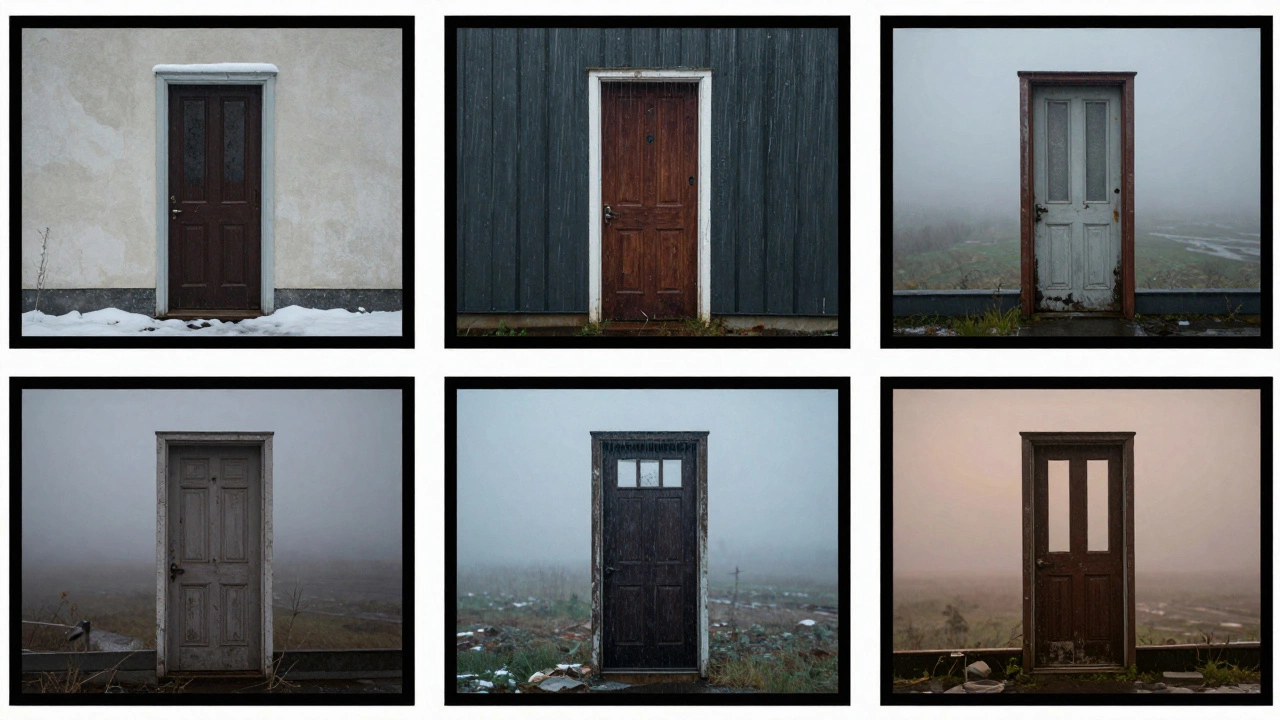
Your voice as a fine art photographer isn’t found in one image. It’s found in the questions you keep asking. Do you keep returning to abandoned buildings? To reflections in windows? To people alone in crowds? Those patterns are your signature. Don’t chase trends. Build a world only you can see.
Context Matters-But Not How You Think
Context doesn’t mean you need to explain your photo with a wall label. It means the image lives in a larger conversation. Who are you responding to? What ideas are you challenging? What traditions are you breaking?
When you look at a fine art photograph, you’re not just seeing a subject. You’re seeing a dialogue. Between the photographer and the viewer. Between past and present. Between silence and speech.
For example, Edward Weston’s nudes weren’t just studies of the human form. They were a rebellion against Victorian modesty. They treated the body as landscape-as sacred, natural, and unashamed. That context transformed them from nude photos into art.
You don’t need to be political. But you do need to be aware. What are you saying by choosing this subject, this light, this moment? That awareness is what lifts a photo from snapshot to statement.
It’s Not About Being Liked
Here’s the hardest truth: fine art photography doesn’t need to be popular. It doesn’t need to go viral. It doesn’t need to get 10,000 likes. It needs to be true.
Some of the most powerful fine art photographs are unsettling. They make people uncomfortable. They challenge assumptions. They refuse to be pretty. And that’s exactly why they matter.
Look at Robert Mapplethorpe’s controversial work. It was banned. It was criticized. It was called obscene. But it forced people to see beauty in places they refused to look. That’s the power of art-not to please, but to provoke.
If you’re making work just to be liked, you’re not making fine art. You’re making decoration. Fine art asks questions. It doesn’t give answers. And sometimes, the most important questions are the ones no one wants to ask.
What to Do Next
Start by asking yourself one question: What do I keep returning to in my photos? Is it shadows? Is it isolation? Is it decay? Is it silence? That’s your starting point. Don’t shoot for variety. Shoot for depth.
Create a series. Even if it’s just five images. Make them all speak the same language. Use the same lighting. The same mood. The same subject type. Let them build on each other.
Then, show them to someone who doesn’t know you. Ask them: What do you feel when you look at these? Don’t explain. Just listen. Their reaction will tell you more than any critique ever will.
Finally, stop comparing yourself to others. Fine art photography isn’t a race. It’s a conversation with yourself. And the best photographs are the ones that surprise even the person who took them.
Is fine art photography the same as artistic photography?
Yes, they’re used interchangeably. But fine art photography specifically refers to images made with the primary intent of expressing an idea, emotion, or concept-not for commercial, documentary, or editorial use. Artistic photography is a broader term that can include any photo with aesthetic appeal, even if it’s taken for fun or as a hobby. Fine art implies purpose, context, and a body of work tied to a larger vision.
Do I need to be a professional to make fine art photography?
No. Fine art photography is about vision, not credentials. Many of the most influential fine art photographers started as amateurs. What matters is the clarity of your intent and the consistency of your voice. You don’t need a gallery, a degree, or a fancy camera. You need curiosity, patience, and the courage to keep making work that matters to you.
Can color photography be fine art?
Absolutely. While early fine art photography was often black and white due to technical limitations, color is now a powerful tool. Think of William Eggleston’s vivid snapshots of American life. His use of color wasn’t decorative-it was emotional. Red couches, green lawns, blue skies-all became symbols of isolation, longing, and quiet beauty. Color can deepen meaning, not distract from it.
How do I know if my work is good enough to call it fine art?
You don’t need external validation. Ask yourself: Does this image make me pause? Does it haunt me? Does it feel like it had to exist? If you feel that pull, it’s fine art. It’s not about how others react-it’s about whether the work holds meaning for you. If it does, it’s already art. The rest is just sharing it.
Should I edit my fine art photos heavily?
Editing should serve the idea, not hide it. Heavy editing can be powerful-think of Greg Crewdson’s cinematic scenes or Andreas Gursky’s massive, layered compositions. But if you’re editing to make things look more ‘artistic’-like adding filters or boosting contrast just because it looks cool-you’re missing the point. Let the emotion drive the edit. If the photo feels more honest after adjustments, then yes. If it feels forced, stop.