Abstract Art Brain Simulator
Explore how your brain reacts to different visual inputs. Switch modes to see the shift from logical recognition to emotional processing.
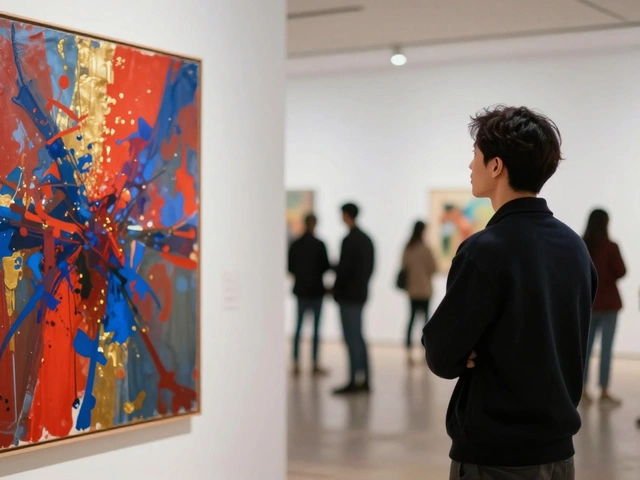
You stand in front of a canvas. There are no recognizable faces, no landscapes, no clear objects. Just splashes of red, jagged lines of black, or soft gradients of blue. Your first instinct might be to ask, "What is this?" But before you even form that question, your brain has already started working. It’s not just looking; it’s hunting for meaning, triggering emotions, and firing up neural pathways that have been active since humans first scratched symbols onto cave walls. The relationship between abstract art and the human mind is one of the most fascinating intersections of psychology and creativity. It challenges the idea that art must mirror reality to make sense. Instead, it reveals how our brains construct meaning from chaos.
The Visual Cortex Doesn't Like Ambiguity
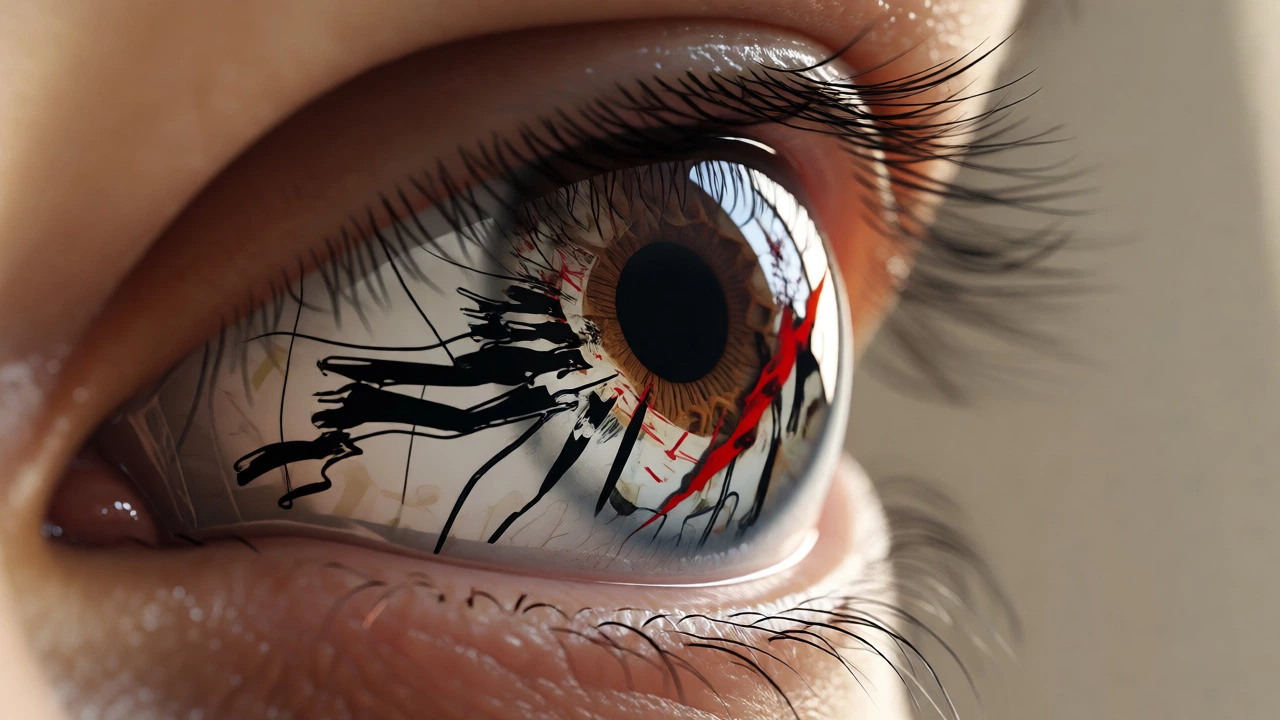
Your brain is a prediction machine. When you look at a realistic portrait, your visual cortex can quickly identify features: eyes, nose, mouth. This process is efficient and low-energy. You know what you’re seeing. Abstract art disrupts this efficiency. Without clear referents, your brain enters a state of high cognitive load. It searches for patterns where none may exist. This isn’t a bug; it’s a feature. Neuroscientists call this "top-down processing." Your expectations and memories influence what you see. If you expect a storm, those swirling grays feel turbulent. If you expect calm, the same shapes feel like water. The artwork itself hasn’t changed, but your brain’s interpretation has shifted based on context and prior experience.
Emotion Over Logic
Here’s the twist: when logical recognition fails, emotional processing takes over. Studies using functional magnetic resonance imaging (fMRI) show that viewing abstract art often activates the amygdala more intensely than viewing representational art. The amygdala is your brain’s alarm system and emotional center. Why does this happen? Because without a concrete subject to analyze, your brain bypasses the "what is it?" filter and goes straight to "how does it feel?"
This explains why some people find Rothko’s color fields deeply moving while others find them boring. It’s not about intelligence or education. It’s about how sensitive your emotional circuitry is to color saturation, scale, and composition. A large field of deep red might trigger feelings of warmth or danger, depending on your personal associations. The brain fills in the narrative gaps with your own emotional history. This makes abstract art highly personal. Two people standing side-by-side can have radically different neurological experiences looking at the exact same piece.
Pattern Recognition and the Pleasure of Finding Order
Humans are wired to find order in disorder. This trait helped our ancestors spot predators in tall grass or ripe fruit in dense foliage. In abstract art, this drive becomes a game. Your brain scans the canvas, trying to group similar elements together-a principle known as Gestalt psychology. Proximity, similarity, and continuity guide your eye across the surface. When your brain successfully identifies a pattern, even if it’s subtle, it releases dopamine. That little hit of pleasure is why solving a visual puzzle feels good. Abstract artists exploit this by creating compositions that are just complex enough to engage the search mechanism but not so chaotic that they cause frustration. The sweet spot lies in balanced ambiguity.
Color Processing Is Hardwired
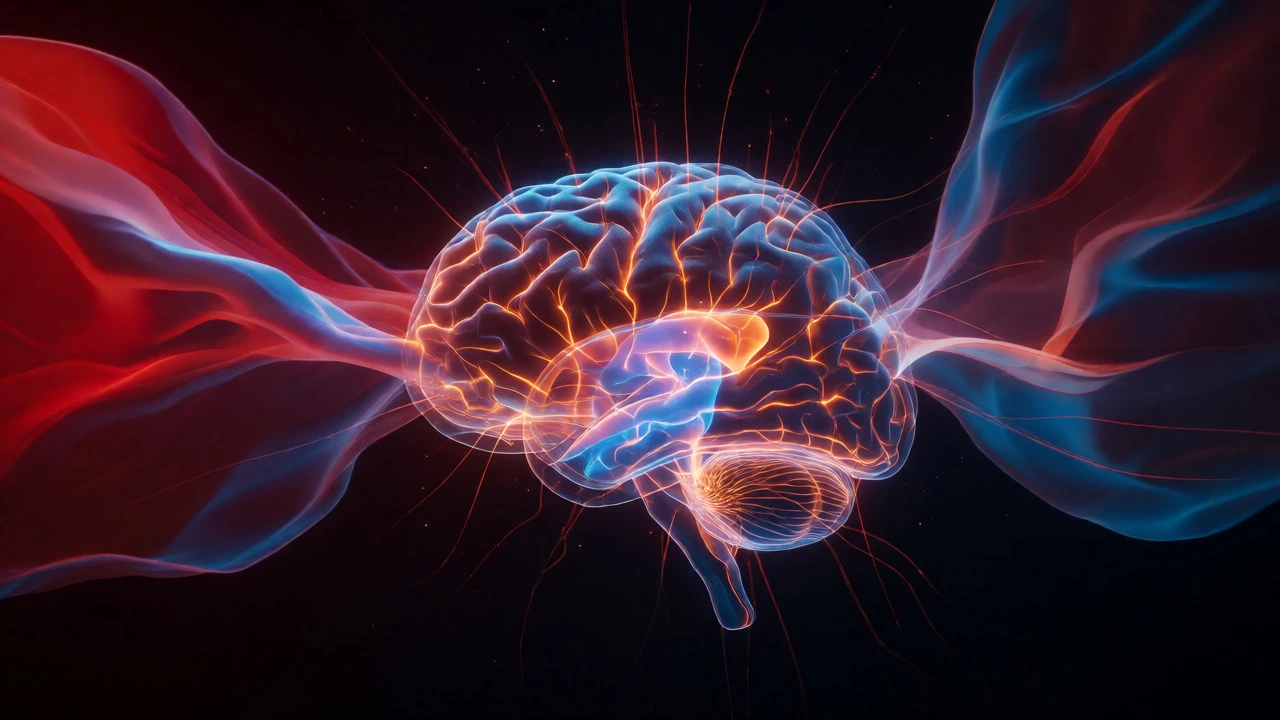
While shape recognition is learned, color perception is largely biological. Certain wavelengths of light stimulate specific cones in your retina, sending signals directly to color-processing areas in the brain. Blue tends to lower heart rates and induce calmness. Red increases arousal and attention. Yellow can evoke energy or anxiety depending on its intensity. Abstract artists who rely heavily on color, like Mark Rothko or Barnett Newman, aren’t just painting pretty pictures; they are manipulating basic physiological responses. They know that a vast expanse of yellow will feel different from a small dot of yellow, regardless of the surrounding shapes. The brain reacts to the sheer presence of these stimuli before any conscious thought occurs.
Context Changes Everything
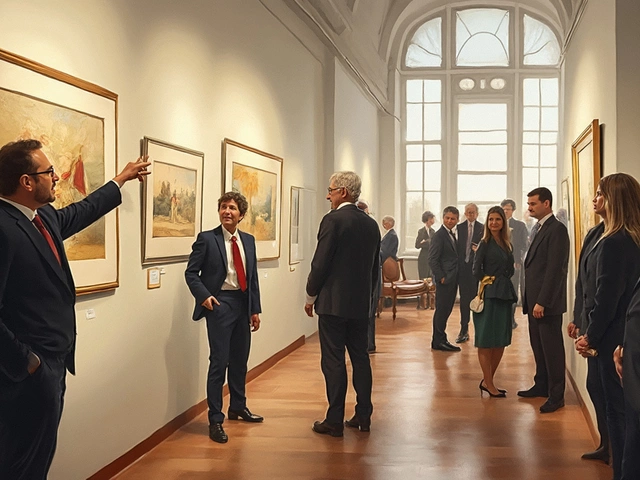
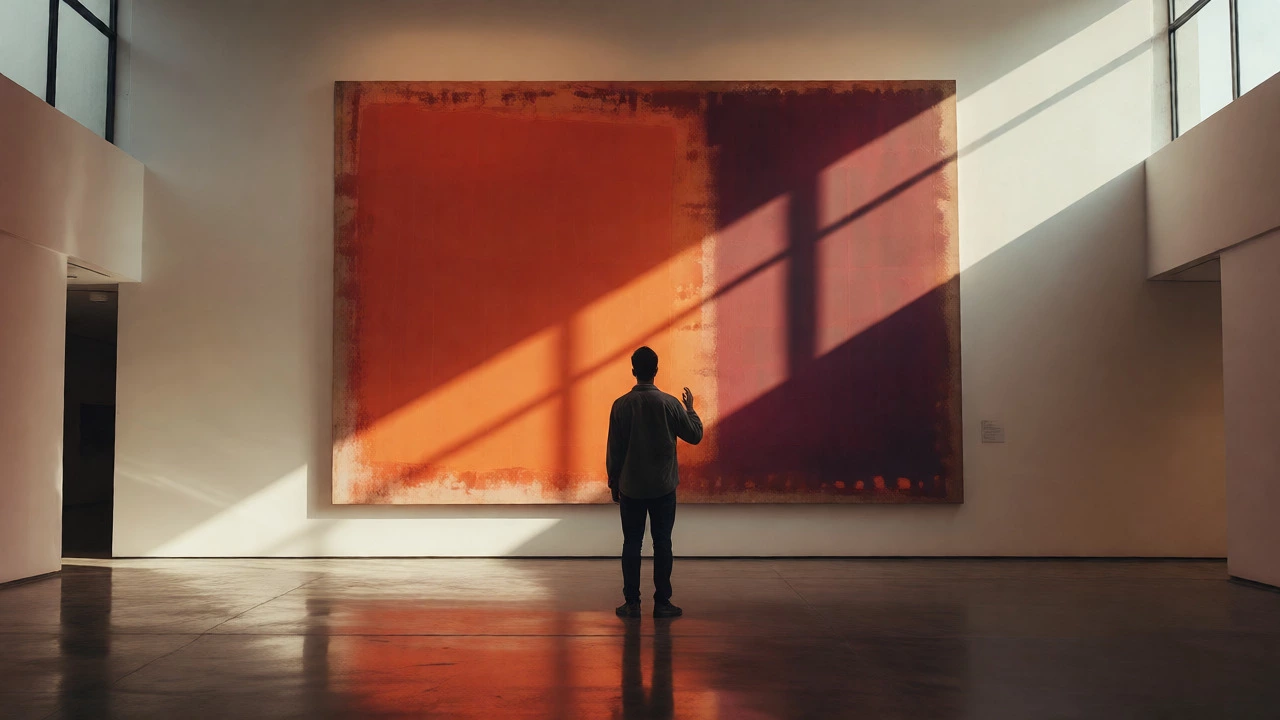
If you saw a child’s scribble on a refrigerator, you’d think it was cute. Put the same scribble in a museum with a plaque explaining the artist’s intent, and your brain engages differently. Research shows that knowing an artist intended to create a work of art changes how much we enjoy it. We pay closer attention. We look for deeper meaning. This is called "labeling effect." The brain uses external cues to validate internal interpretations. When you read a description that mentions "chaos" or "serenity," your brain primes itself to find those qualities. It’s a collaborative act between the viewer’s neural activity and the cultural framework provided by the gallery or critic.
Abstract Art and Cognitive Flexibility
Engaging with abstract art exercises your brain’s ability to tolerate uncertainty. In a world obsessed with quick answers and binary choices, sitting with ambiguity is a rare mental workout. It forces you to hold multiple possible interpretations in your mind simultaneously. This enhances cognitive flexibility-the ability to switch between concepts and adapt to new information. People who regularly engage with abstract art often report higher levels of open-mindedness. It’s not magic; it’s practice. By repeatedly allowing your brain to wander through undefined visual spaces, you strengthen the neural connections associated with creative thinking and problem-solving.
| Feature | Representational Art | Abstract Art |
|---|---|---|
| Primary Brain Activity | Visual recognition areas (fusiform face area) | Emotional centers (amygdala) and prefrontal cortex |
| Cognitive Load | Low (quick identification) | High (pattern searching and interpretation) |
| Emotional Trigger | Association with known subjects | Direct sensory impact (color, line, texture) |
| Viewer Role | Passive observer | Active co-creator of meaning |
Why Some Brains Reject Abstraction
Not everyone enjoys this neural workout. For some, the lack of clear reference points causes discomfort or even anger. This reaction is often linked to personality traits, specifically openness to experience. Individuals with lower scores in this trait prefer structure and predictability. When faced with abstract art, their brains struggle to find a stable anchor, leading to frustration. Additionally, past negative experiences with art-like being told you "don’t get it"-can condition the brain to view abstraction as elitist or confusing rather than engaging. Breaking this cycle requires shifting the goal from "understanding" to "experiencing." Stop asking what it means. Start asking what it does to you.
Practical Tips for Viewing Abstract Art
You don’t need a degree in neuroscience to appreciate abstract art. You just need to change your approach. Here’s how to hack your brain’s response:
- Give it time: Stand in front of a piece for at least two minutes. Your initial judgment is usually shallow. Let your brain settle into the visual rhythm.
- Focus on sensation: Ignore the title. Look at the edges of the shapes. Are they sharp or blurred? How does the color make your skin feel? Warm? Cold?
- Move physically: Walk past the artwork. Change your angle. Notice how the perspective shifts. This engages spatial awareness and breaks fixed interpretations.
- Accept ambiguity: Allow yourself to feel confused. Confusion is the precursor to insight. Your brain is working hard to build a model of the image.
Does abstract art require less brain power to understand?
No, it actually requires more active cognitive engagement. While representational art allows for quick recognition, abstract art forces the brain to search for patterns and assign meaning, which involves higher-level processing in the prefrontal cortex and emotional regions.
Why do I feel nothing when looking at abstract paintings?
This is common and often relates to personal preference or personality traits like openness to experience. It may also stem from approaching the art with a demand for logical explanation rather than sensory experience. Trying to focus on color and texture instead of "meaning" can help unlock emotional responses.
Can training improve my appreciation of abstract art?
Yes. Neuroplasticity allows the brain to adapt. Regular exposure to abstract works, combined with learning about the artist's techniques and historical context, can rewire how your brain processes ambiguous visual information, making it more rewarding over time.
Is there a scientific basis for color therapy in art?
While "therapy" implies clinical treatment, neuroscience confirms that colors affect physiological states. Blue light can suppress melatonin and alertness, while warm colors can increase heart rate. Artists use these biological responses to influence mood, though individual reactions vary based on cultural and personal associations.
Do children respond to abstract art differently than adults?
Children often engage with abstract art more freely because they haven't yet developed strong expectations for realism. Their brains are still developing pattern-recognition skills, so they may focus on sensory aspects like texture and color without feeling pressured to identify objects.