Modern Art Decoder
Stop asking "Is this good?" and start asking "What is this doing?" Test your ability to decode the intent behind controversial modern artworks.
Quiz Complete!
You scored out of .
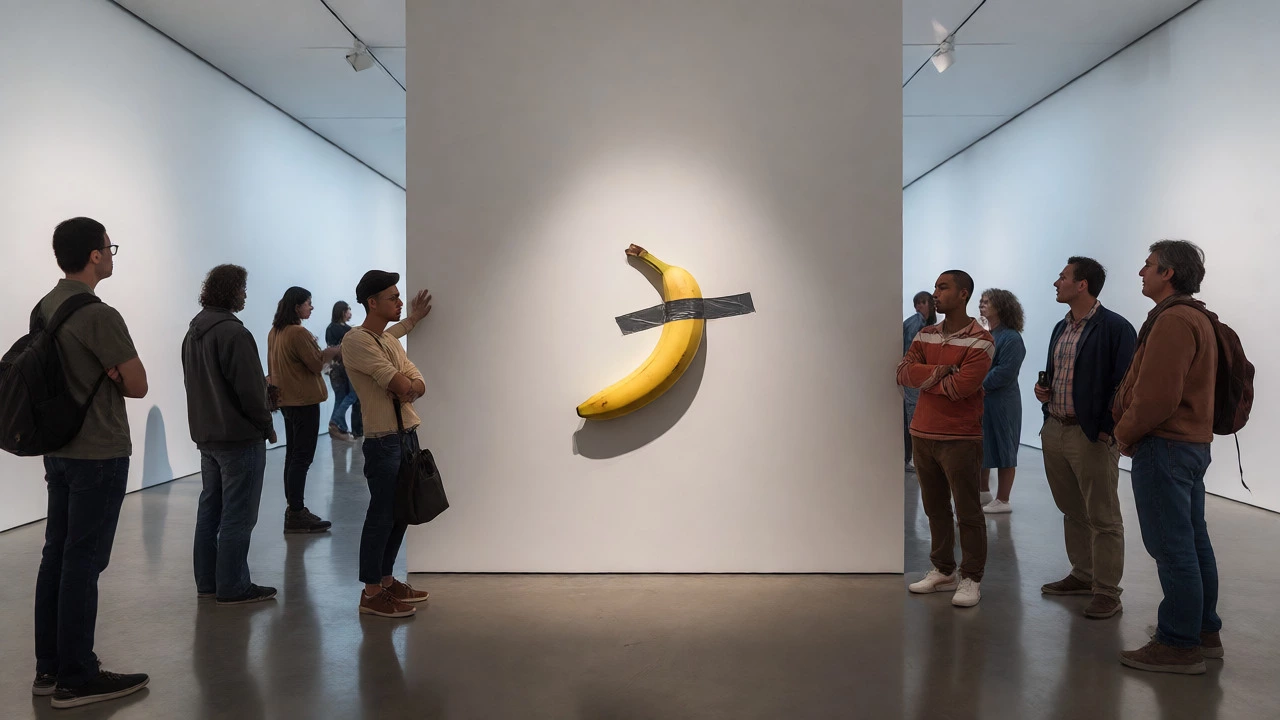
You walk into a museum. You see a canvas painted entirely white. Or maybe it’s just a banana duct-taped to a wall. Your first instinct isn’t awe; it’s suspicion. "My kid could do that," you think. Or worse, "Is this even art?" If you’ve ever felt that way, you’re not alone. In fact, that skepticism is one of the most common reactions to Modern Art. But here’s the twist: the confusion usually stems from looking at these works with the wrong rulebook.
We are trained to judge visual media by technical skill-how realistic does it look? How hard was it to paint? Modern art often rejects those metrics entirely. It doesn’t want to mimic reality; it wants to question what reality is. This shift created a massive gap between what artists were trying to say and what audiences expected to hear. So, why is modern art criticized so heavily? Is it elitism, laziness, or something deeper about how we process culture?
The Death of Technical Realism
For centuries, the primary job of an artist was to capture the world as it appeared. If you commissioned a portrait in the 1600s, you wanted your face to look like your face. Accuracy was currency. Then came photography. Once a camera could capture perfect realism in seconds, painting lost its monopoly on truth. Artists had to ask themselves: if I can’t out-paint a photo, what am I for?
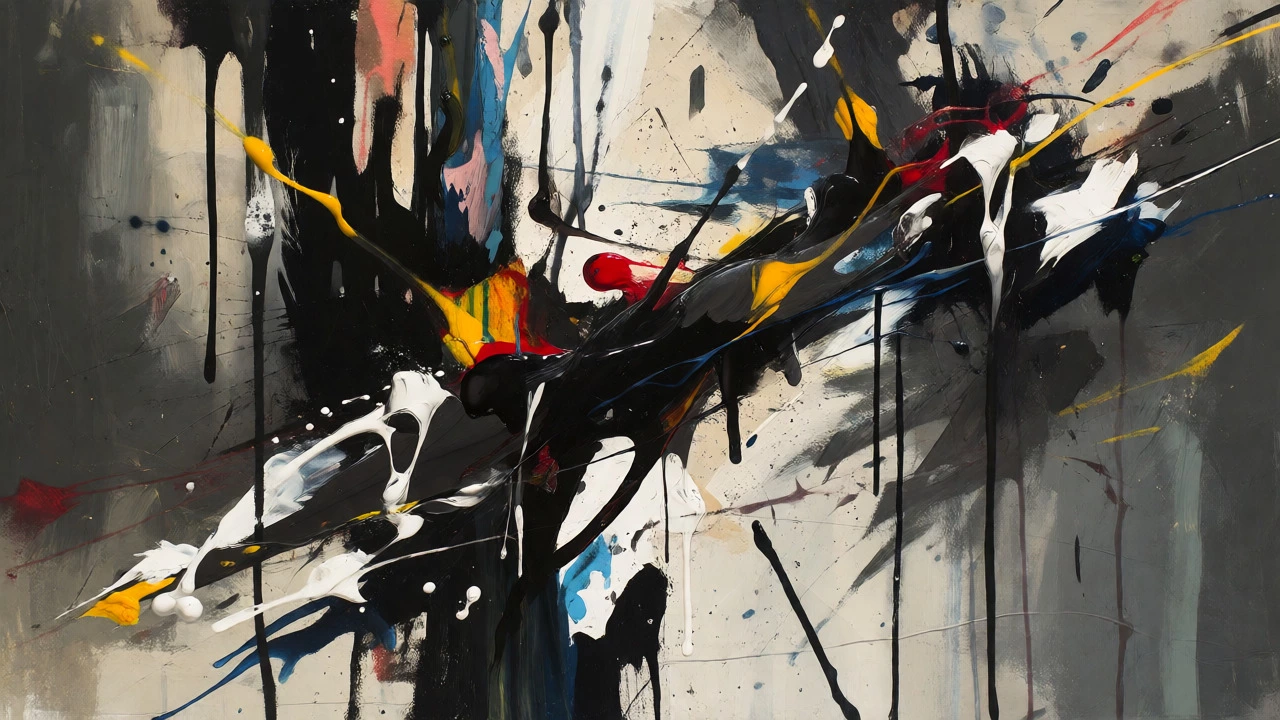
This existential crisis birthed movements like Impressionism, Cubism, and Abstract Expressionism. These weren’t failures of skill; they were deliberate choices. When Pablo Picasso shattered perspective, he wasn’t bad at drawing; he was showing us multiple viewpoints at once. When Jackson Pollock dripped paint, he wasn’t being messy; he was capturing the energy of motion itself. Critics who dismiss this as "lazy" are missing the point. They are judging a philosophical argument with a technical rubric.
| Criterion | Traditional Art (Pre-1900) | Modern Art (Post-1900) |
|---|---|---|
| Primary Goal | Mimesis (Imitation of nature) | Expression, Concept, or Abstraction |
| Value Metric | Technical proficiency and realism | Originality, emotional impact, or idea |
| Viewer Role | Passive observer of a scene | Active interpreter of meaning |
| Medium Focus | Hiding the brushstrokes | Highlighting the materiality of paint/objects |
Conceptual Art: When the Idea Matters More Than the Object
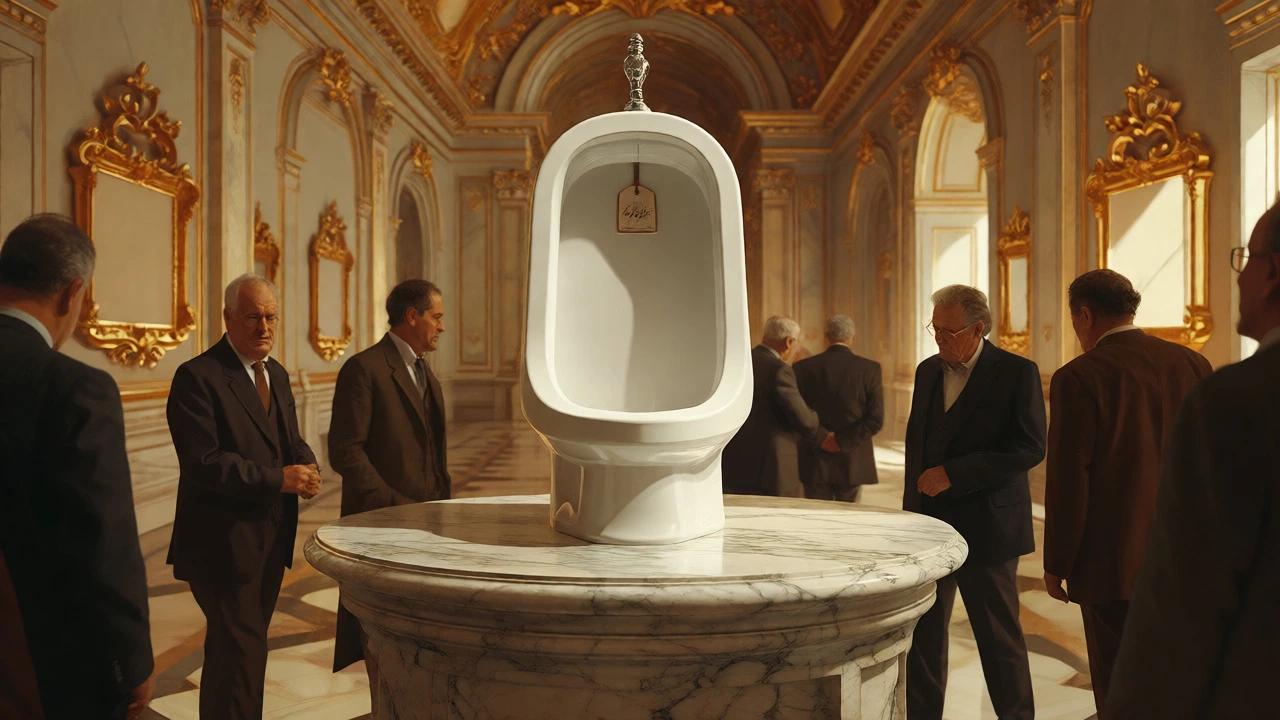
If technical abstraction is confusing, conceptual art is baffling. This is where critics really lose their patience. Think of Marcel Duchamp’s Fountain, a standard porcelain urinal signed "R. Mutt" and submitted to an exhibition in 1917. It wasn’t sculpted. It wasn’t painted. It was chosen. Why did this provoke outrage then, and why does it still annoy people now?
Because it shifted the value from the object to the context. In conceptual art, the "art" is the thought process behind the selection. The critic Tom Wolfe famously mocked this era in his book The Painted Word, arguing that without dense academic theory attached to every piece, the work meant nothing. He had a point. Many contemporary pieces rely on a wall text to explain them. If you have to read a paragraph to understand why a pile of bricks is significant, does the brick itself hold any power?
This reliance on explanation creates a barrier. It feels exclusive. You need a degree in art history to "get it." This leads to the accusation that modern art is a self-referential club. Artists talk to other artists and critics, ignoring the general public. When a work requires a manual, it invites criticism for being inaccessible.
The "Emperor's New Clothes" Syndrome
Let’s be honest: some modern art is pretentious. There is a fear among viewers that admitting they don’t understand a piece makes them look uneducated. Museums can feel intimidating, filled with quiet rooms and hushed tones. This social pressure forces people to nod along to things they find meaningless.
Social psychologist experiments have shown that when people believe a painting is by a famous artist, they rate it higher than identical paintings attributed to unknowns. We are influenced by reputation more than we admit. Critics argue that the art market exploits this. A blank canvas might sell for millions not because of its aesthetic merit, but because of the brand name attached to it. This commodification turns art into an asset class rather than a cultural dialogue. When money enters the chat, cynicism follows.
Consider the work of Damien Hirst. His shark preserved in formaldehyde sold for millions. Was it genius? Maybe. Was it also a marketing masterstroke? Absolutely. The criticism here isn’t just about the art; it’s about the industry surrounding it. People feel cheated when they realize the "value" is arbitrary.
Breaking Down Barriers: High Culture vs. Low Culture
Another reason for criticism is the blurring of lines between high art and everyday junk. Pop Art, led by Andy Warhol, put soup cans and celebrities on the pedestal. At the time, traditionalists were horrified. How dare you equate a Brillo box with Michelangelo?
But this was the point. Modern art wanted to democratize creativity. It said that mass production, advertising, and consumer goods are part of our reality, so they belong in museums. However, this democratization often backfires. If anything can be art, does anything cease to be special? When a street mural gets the same prestige as a Renaissance fresco, some viewers feel the hierarchy has collapsed into chaos. They miss the clear standards of quality that used to exist.
This tension is visible in digital art today. NFTs and AI-generated images are the new frontier of this debate. Is code art? Is a prompt enough to make someone an artist? The criticisms mirror those of the early 20th century: lack of effort, lack of soul, lack of tradition.
How to Actually Look at Modern Art
So, how do you navigate this minefield without feeling stupid? Stop asking "Is this good?" and start asking "What is this doing?"
- Look for intent: What emotion or question is the artist trying to provoke? Boredom? Anger? Confusion? If you feel confused, the art might be working.
- Check the context: Read the label. Who made this? When? Why? Knowing that a black square was painted after the Russian Revolution changes everything. It’s no longer just a square; it’s a rejection of old traditions.
- Trust your gut, but stay curious: You don’t have to like it. Disliking a piece is a valid response. But try to articulate why. Is it the color? The scale? The idea? That articulation is where the conversation begins.
Modern art isn’t always beautiful. It’s rarely decorative. It’s often confrontational. It demands that you engage with your own biases and assumptions. That discomfort is the price of admission.
FAQ: Common Questions About Modern Art Criticism
Why do people say modern art is lazy?
People perceive modern art as lazy because it often lacks the visible technical labor associated with classical training, such as detailed shading or realistic proportions. Movements like Minimalism or Conceptual Art prioritize ideas over execution, leading viewers to mistake simplicity for a lack of effort. However, many modern artists spent years mastering technique before deliberately stripping it away to focus on expression.
Is modern art just a scam for rich collectors?
While the art market is driven by wealthy collectors and speculative investment, labeling all modern art a "scam" ignores its historical and cultural significance. Prices are often inflated by branding, scarcity, and institutional validation. However, the artistic merit exists independently of the price tag. Many critically acclaimed works remain affordable or accessible through public collections, proving that value isn't solely monetary.
Why is abstract art so controversial?
Abstract art is controversial because it removes recognizable subjects, leaving viewers without a clear entry point for interpretation. Humans are wired to look for patterns and faces; abstract art denies this comfort. This can feel exclusionary or chaotic to those expecting narrative or realism. The controversy stems from the clash between the viewer's desire for clarity and the artist's desire for pure form or emotion.
Do I need an art degree to understand modern art?
No, you do not need a formal education. While knowing art history helps provide context, modern art is designed to evoke visceral reactions. Trust your intuition. If a piece moves you, frustrates you, or confuses you, you are engaging with it correctly. Academic jargon can sometimes act as a gatekeeper, but personal connection is the true measure of engagement.
What is the difference between modern and contemporary art?
Modern art generally refers to works produced from the 1860s to the 1970s, characterized by a break from tradition and experimentation with new materials and perspectives. Contemporary art refers to art produced from the late 20th century to the present day. Contemporary art often deals with global issues, identity, technology, and globalization, whereas modern art focused more on the medium itself and formal innovation.