Art History Timeline Explorer
Select a key artist from the timeline below to see where they fit in the spectrum of Modern and Contemporary art. Hover over the dots to explore the evolution of styles.
Walking into a gallery labeled "Modern Art," you might spot Vincent van Gogh is a Dutch Post-Impressionist painter whose work bridged the gap between Impressionism and early Modernism. Also known as Vincent Willem van Gogh, he painted during the late 19th century, a period that confuses many visitors today. The question isn't just about dates; it's about how we define artistic movements. If you've ever wondered why his swirling skies sit next to Picasso or Pollock in museum sections, you're not alone. The line between "modern" and "contemporary" is blurry, but understanding where Van Gogh fits helps you appreciate the evolution of visual language.
The Short Answer: Yes, But With Nuance
Technically, Van Gogh is considered part of the Post-Impressionism movement, which is a precursor to Modern Art. In art history textbooks, "Modern Art" usually refers to the period from roughly 1864 to 1945. Since Van Gogh died in 1891, he falls squarely within this window. However, his style didn't break completely from realism like later Cubists or Expressionists did. Instead, he pushed the boundaries of color and emotion, setting the stage for what came next. So, is he modern? Yes, in terms of timeline. Is he "modern" in the way we think of abstract or conceptual art? Not quite. He is the bridge.
Defining the Terms: Modern vs. Contemporary
Confusion often arises because people use "modern" and "contemporary" interchangeably. They are distinct eras with different goals.
- Modern Art: Spans from the mid-19th century to the mid-20th century. It focuses on breaking away from traditional academic rules, experimenting with perspective, color, and form. Key movements include Impressionism, Post-Impressionism, Fauvism, Cubism, and Surrealism.
- Contemporary Art: Refers to art made from the 1970s or 1980s to the present day. It is characterized by a lack of a single dominant style, embracing mixed media, digital technology, and conceptual ideas over pure aesthetics.
Why Van Gogh Feels "Modern" Today
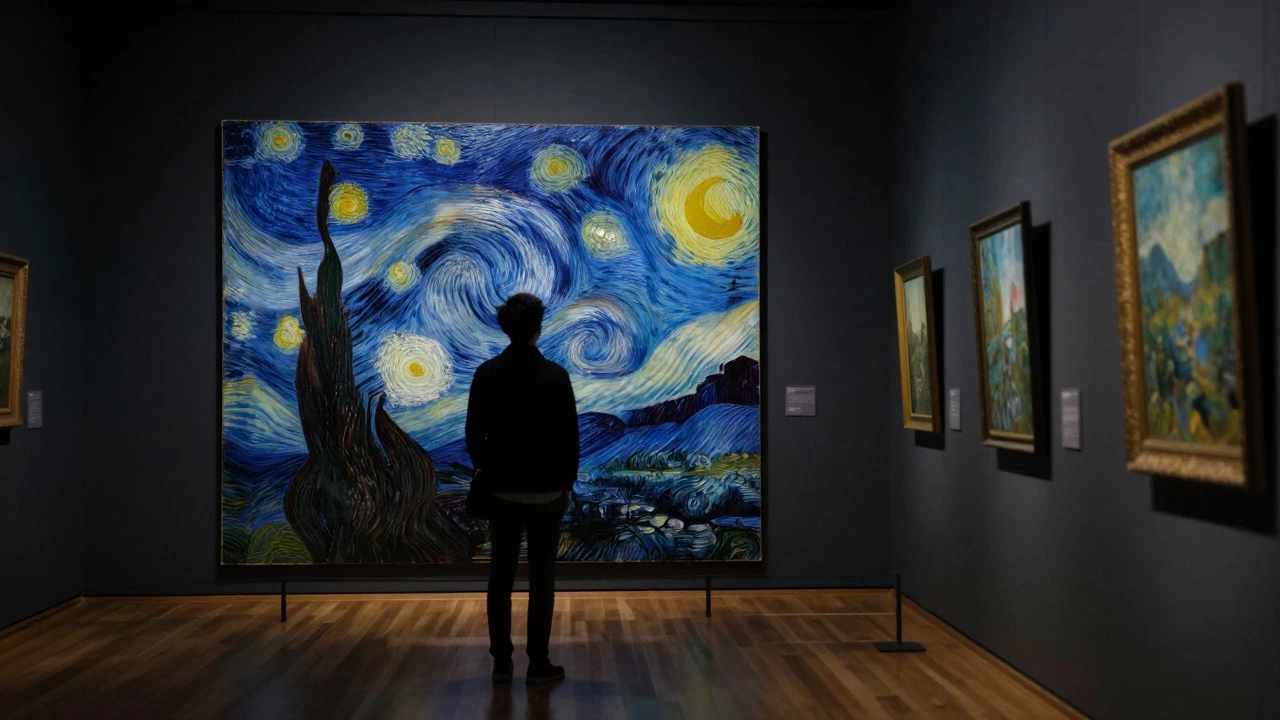
Even though he painted in the 1880s, Van Gogh’s work feels surprisingly fresh compared to his contemporaries. Why? Because he prioritized emotion over accuracy. Traditional academic painting demanded precise shading and realistic proportions. Van Gogh rejected this. He used thick, impasto brushstrokes and vibrant, non-naturalistic colors to convey feeling. This approach directly influenced Expressionism, a major modern movement led by artists like Egon Schiele and Edvard Munch. Consider his famous *Starry Night*. The sky doesn't look like a photograph; it looks like a dream. The swirls aren't meteorological facts; they are emotional truths. This shift from "what is seen" to "what is felt" is a core tenet of modern art. By making the viewer feel the turbulence of the night, Van Gogh helped liberate painting from the strict constraints of realism.
Comparing Movements: Where Does He Fit?
To better understand Van Gogh’s position, let's compare him with other key figures in the modern timeline. This table highlights the stylistic differences and timelines that place him firmly in the pre-modern transition phase.
| Movement | Time Period | Key Characteristics | Representative Artist |
|---|---|---|---|
| Impressionism | 1860s-1880s | Capture light and moment, outdoor painting, visible brushstrokes | Claude Monet |
| Post-Impressionism | 1886-1905 | Emotional expression, bold colors, structured composition | Vincent van Gogh |
| Fauvism | 1905-1910 | Wild, non-naturalistic colors, simplified forms | Henri Matisse |
| Cubism | 1907-1920s | Fragmented perspectives, geometric shapes | Pablo Picasso |
| Abstract Expressionism | 1940s-1950s | Non-representational, large scale, spontaneous gesture | Jackson Pollock |
The Role of Color and Texture
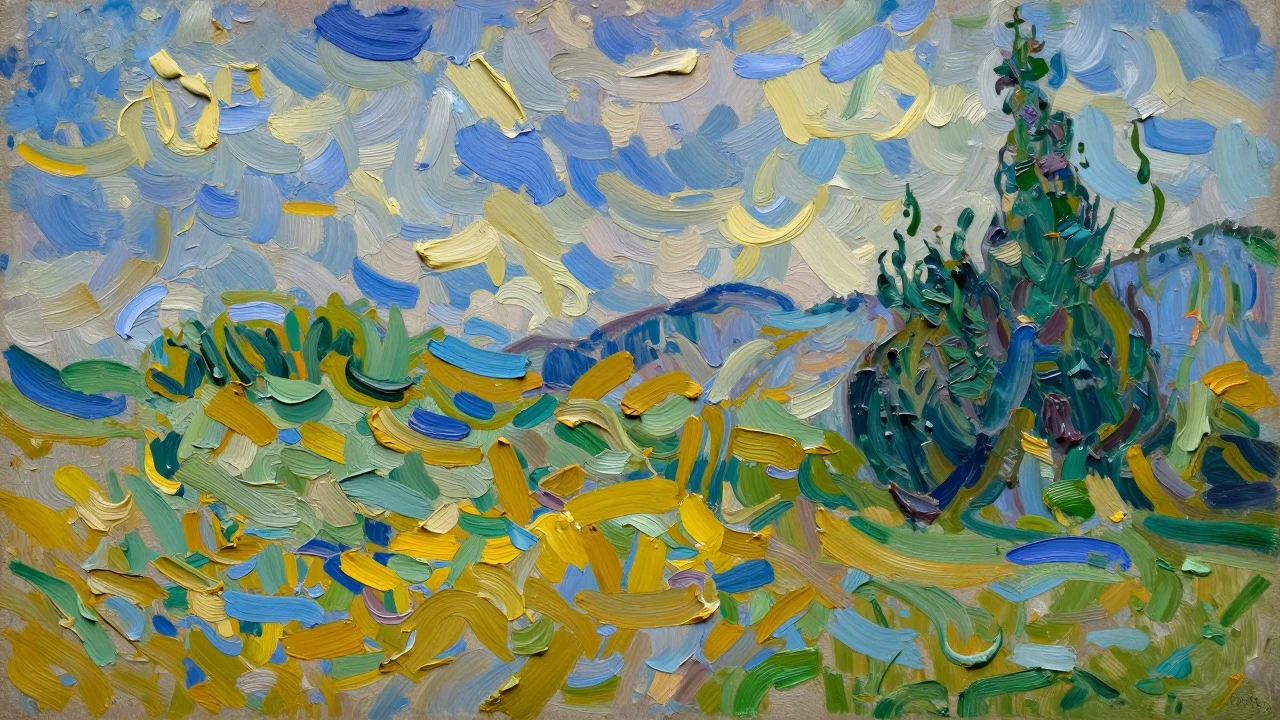
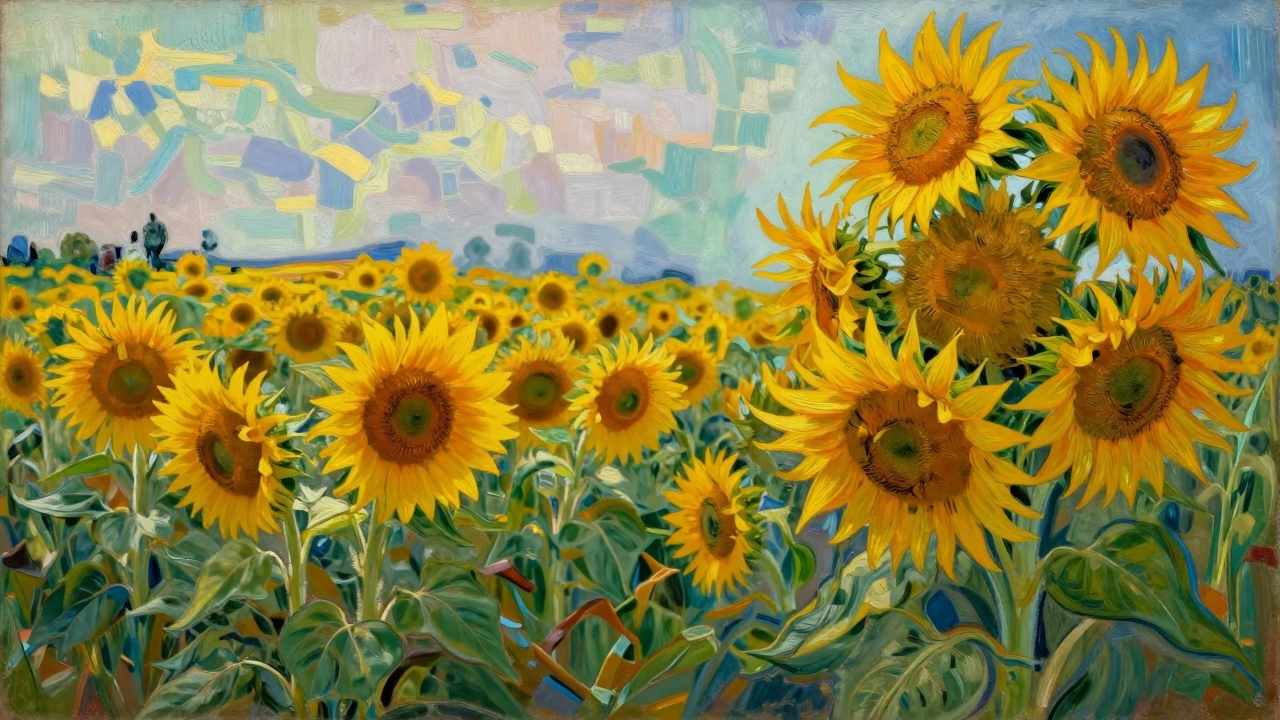
One of the most significant contributions Van Gogh made to modern art was his use of color as an independent element. Before him, color was often subordinate to form. A blue shirt was blue because it reflected the sky. For Van Gogh, blue could be yellow if it expressed sadness or joy. This idea-that color has its own power to evoke emotion-is central to modern aesthetic theory. His technique also mattered. He applied paint thickly, creating ridges and valleys on the canvas. This physicality invites the viewer to touch the image, even if they only look at it. This tactile quality influenced later artists who wanted their work to have a presence beyond the two-dimensional plane. It’s a subtle but crucial step toward the material experimentation seen in mid-century modern sculpture and painting.
Common Misconceptions About Van Gogh's Era
Many people assume that because Van Gogh is famous, he must be "old" in the same way Michelangelo is old. But in art history, "old" is relative. The Renaissance ended in the 1600s. Baroque followed in the 1600s-1700s. Neoclassicism dominated the late 1700s-early 1800s. Romanticism peaked in the mid-1800s. Realism emerged in the 1840s. Impressionism started in the 1870s. Van Gogh worked in the 1880s. That’s less than 150 years ago. This proximity to our time explains why his work resonates so strongly. We still live in a world shaped by the industrial revolution, urbanization, and psychological introspection-themes Van Gogh explored. His letters, written to his brother Theo, reveal a mind grappling with depression, isolation, and the search for meaning. These universal human experiences make his "modern" feel immediate, not historical.
How Museums Categorize Him
If you visit major museums like the Van Gogh Museum in Amsterdam or the Metropolitan Museum of Art in New York, you’ll notice how they organize their collections. They typically group works by period or movement. You will rarely find Van Gogh in a section labeled "Contemporary Art." Instead, he is housed in "Post-Impressionism" or "Late 19th Century Painting." However, in popular culture and educational settings, the term "modern art" is often used broadly to mean "art after the classical period." In this broader sense, yes, Van Gogh is modern art. He is one of the foundational pillars upon which the rest of modern art was built. Without his experiments with color and emotion, movements like Fauvism and Expressionism might have looked very different.
Practical Tips for Understanding Art History
Navigating art history can feel overwhelming. Here are a few simple ways to keep things straight:
- Check the Date: Always look at when the artist lived. If they died before 1945, they are likely in the Modern Art era. If they are active now, they are Contemporary.
- Look at the Style: Does the work try to look real (Realism), capture light (Impressionism), express emotion (Expressionism), or show multiple viewpoints (Cubism)? Style tells you more than labels.
- Read the Label: Museum placards usually list the movement. If it says "Post-Impressionist," you know exactly where to place the artist.
- Connect the Dots: Ask yourself, "Who influenced this artist?" Van Gogh was influenced by Impressionists and Japanese woodblock prints. His influence went to Expressionists and Fauves. Tracing these lines helps build a mental map.
Frequently Asked Questions
What year did modern art start?
Modern art is generally considered to have started in the mid-19th century, around 1864, with the development of Impressionism. Some historians point to earlier rebellions against academic standards, but the 1860s mark the clear beginning of the modern era in Western art.
Is Van Gogh considered contemporary art?
Strictly speaking, no. Contemporary art refers to art produced from the 1970s or 1980s to the present. Van Gogh died in 1891, placing him firmly in the Modern Art era. However, in casual conversation, people sometimes use "contemporary" to mean "not ancient," which leads to confusion.
What movement does Van Gogh belong to?
Van Gogh belongs to the Post-Impressionism movement. This group of artists, including Paul Cézanne and Paul Gauguin, reacted against the fleeting focus of Impressionism by emphasizing structure, emotion, and symbolic meaning.
Why is Van Gogh's art so popular today?
His art is popular because it is emotionally accessible. The vivid colors and dynamic brushstrokes create an immediate impact that transcends cultural and linguistic barriers. Additionally, his tragic life story adds a layer of narrative that resonates with many people.
How is Post-Impressionism different from Impressionism?
Impressionism focuses on capturing the immediate visual effect of light and color, often painting outdoors. Post-Impressionism takes those techniques but uses them to express deeper emotions, symbolic meanings, or structural compositions. While Impressionists might paint a garden as it appears, Post-Impressionists might paint a garden to reflect their inner state.