Tracing over art isn’t against the law just because you’re copying lines. But that doesn’t mean it’s always okay. If you trace someone else’s artwork and sell it as your own, you’re stepping into legal gray zones-and sometimes straight into copyright violation. This isn’t about sketching from a photo or using reference images. This is about taking someone else’s original design, tracing it, and pretending it’s yours.
What counts as tracing over art?
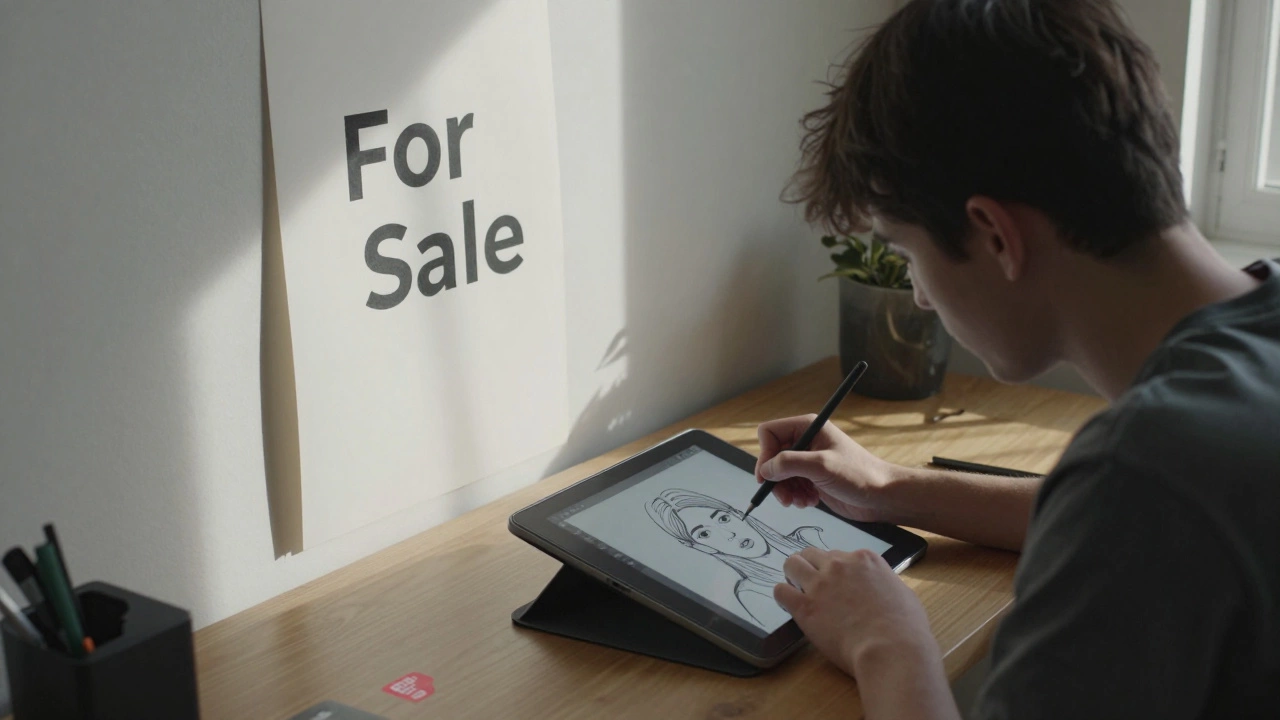
Tracing means placing a transparent sheet over an existing image and copying its outlines, shapes, or composition by hand or digitally. It’s common among beginners learning anatomy, perspective, or style. But when that traced image becomes a finished product-printed on canvas, turned into a sticker, sold as an art print-it crosses a line.
Artists often trace from photographs, books, or online images without realizing the legal implications. A simple Instagram post of a traced portrait might seem harmless. But if that image was originally created by someone else, and you didn’t get permission, you’re using their intellectual property.
Copyright protects the original, not the technique
Copyright law doesn’t protect ideas, styles, or techniques. You can’t copyright the way someone draws eyes or uses watercolor washes. But you can copyright the specific arrangement of lines, shapes, colors, and composition that make up a unique piece of art.
For example, if you trace a famous illustration from a children’s book and sell it as an art print, you’re copying protected expression. The book’s illustrator holds the copyright-even if they’re not famous. You don’t need to be a household name to own copyright. In Canada, copyright lasts for the life of the creator plus 70 years. In the U.S., it’s the same. So even old-school comic book panels from the 1950s are still protected.
There’s no rule that says “tracing is fine if you change it a little.” Courts look at whether the new work is “substantially similar” to the original. Even if you flip it, recolor it, or add clouds in the background, if the core design is recognizable, you’re at risk.
When is tracing legal?
Tracing isn’t automatically illegal. Here’s when it’s fine:
- You’re tracing your own original artwork.
- You’re tracing public domain art-like a Van Gogh painting, a Renaissance sketch, or an old map from before 1928.
- You have written permission from the copyright holder.
- You’re using stock images labeled for commercial use, like from Unsplash or Pexels.
- You’re tracing for personal practice and never sharing or selling the result.
Public domain is a safe zone. Art created before 1928 in the U.S. is generally free to use. In Canada, works by artists who died before 1956 are public domain. So tracing a 1905 etching of a landscape? Legal. Tracing a 2023 digital illustration from Etsy? Not legal.
What happens if you get caught?
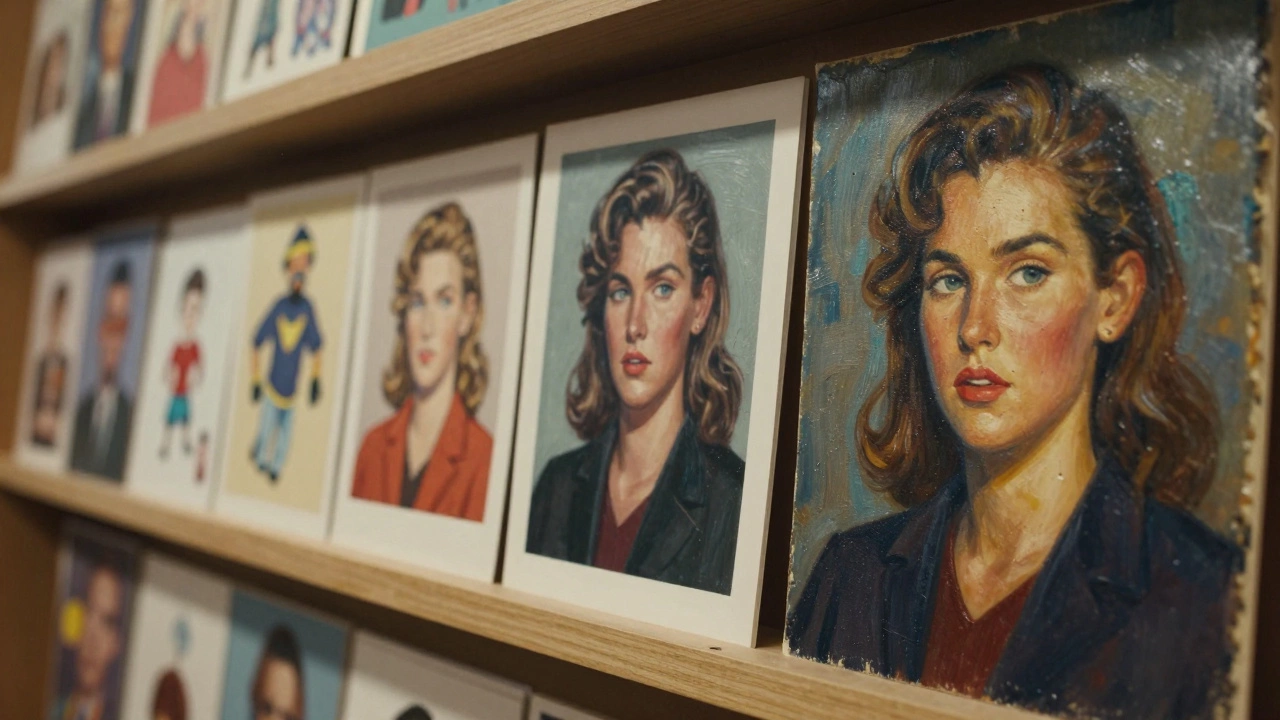
Most artists don’t sue right away. They start with a DMCA takedown notice. If you’re selling traced art on Etsy, Redbubble, or Amazon, the platform will remove your listing. Your account might get flagged. Repeat offenses can lead to permanent bans.
If the original artist decides to take legal action, you could face:
- Fines up to $150,000 per work in the U.S. (statutory damages)
- Legal fees you have to pay
- Forced destruction of all printed copies
- Loss of your business reputation
There’s no jail time for copyright infringement in most cases, but the financial and professional damage can be permanent. One artist in Vancouver lost her entire print shop after being sued for tracing a popular indie illustrator’s character. She didn’t even know the character was copyrighted.
How to trace without breaking the law
Here’s how to learn from other artists without stealing from them:
- Use reference photos you took yourself or licensed for commercial use.
- Trace from life: draw from real people, objects, or landscapes.
- Study styles, don’t copy compositions. Learn how someone uses light, but create your own subject.
- Transform the source. If you’re inspired by a painting, change the subject, setting, color palette, and medium entirely. Make it yours.
- Buy licenses. Some artists sell tracing licenses for a small fee-especially for character designs or patterns.
Many professional artists use tracing as a tool. But they use their own references or licensed material. One Toronto-based printmaker told me she traces only from her own photo shoots. “I don’t need to steal someone else’s vision,” she said. “I have my own.”
Art prints and the gray area of inspiration
There’s a big difference between inspiration and copying. If you see a mural in Berlin and create a similar vibe with your own characters, that’s inspiration. If you scan the mural, trace every line, and print it on posters-that’s infringement.
Platforms like Etsy and Society6 scan for duplicate uploads. If someone else already listed a print of a copyrighted character, your version-even if slightly altered-will get flagged. Algorithms don’t care if you “made it your own.” They compare pixel patterns.
Even if you think your version is “different enough,” courts don’t agree with that logic. A 2022 U.S. court case ruled that changing the background color and adding a hat wasn’t enough to avoid copyright infringement on a traced cartoon character.
What about AI-generated art?
Some people trace from AI-generated images. But here’s the catch: if the AI was trained on copyrighted art, and your traced output looks too similar to one of those source images, you’re still at risk. The copyright holder doesn’t care if you used Midjourney or Photoshop. They care if the result copies their work.
There’s no clear legal precedent yet on AI tracing, but artists are already filing lawsuits against companies using their work to train AI. If you’re building a business on traced AI art, you’re building on shaky ground.
Bottom line: Don’t trace unless you own it
Tracing isn’t cheating. It’s a learning tool. But turning traced art into prints, stickers, or merchandise without permission is risky. You might get away with it for a while. But one complaint, one DMCA notice, one lawsuit-and your whole side hustle could vanish overnight.
Build your own style. Use your own photos. Draw from life. Study great art, but don’t copy it. The best artists aren’t the ones who trace the most. They’re the ones who create the most.
Is tracing art illegal if I don’t sell it?
No, tracing art for personal practice or learning isn’t illegal, as long as you don’t distribute, sell, or publicly display the copy. Copyright law only kicks in when the copied work is shared or used commercially. Many art students trace to improve their skills-this is normal and acceptable. But if you post it online, even as a "practice piece," you risk drawing attention from the original artist.
Can I trace a public domain artwork and sell it?
Yes. Artworks created before 1928 in the U.S. (or before 1956 in Canada) are in the public domain. You can trace, modify, and sell prints of Van Gogh’s "Starry Night," Da Vinci’s sketches, or old botanical illustrations. But be careful: modern photographs or high-resolution scans of these works may be copyrighted by museums or archives. Always check the source. If you’re downloading the image from a museum’s website, read their usage policy.
What if I trace from a stock photo I paid for?
It depends on the license. Sites like Shutterstock, Adobe Stock, and iStock let you use images for commercial projects-but only if your license allows derivative works. Some licenses prohibit tracing or editing. Always read the fine print. A standard royalty-free license usually lets you trace, but a premium license might restrict it. When in doubt, contact the provider.
Can I trace fan art and sell it?
No. Fan art based on copyrighted characters (like Disney, Marvel, or Pokémon) is almost always illegal to sell-even if you drew it yourself. The copyright holder owns the character design, not the artist who drew it. Tracing fan art just makes it worse. You’re copying someone else’s unauthorized copy. Companies like Nintendo and Hasbro actively sue sellers of fan art prints on Etsy and Amazon.
How do artists find out if someone traced their work?
Artists use reverse image search tools like Google Images, TinEye, and Copytrack. If your art print appears online, they can upload the image and find matching versions. Many artists also monitor Etsy, Redbubble, and Instagram hashtags. If your print looks too similar to theirs, they’ll send a takedown notice. It’s not hard to find-especially if you’re using the same composition, pose, or style.