Picasso vs. Acrylic Paint Timeline Explorer
Key Moments in Art Medium History
Picasso is Born
Pablo Picasso born in Málaga, Spain
Oil Era BeginsBlue Period
Mastering oil painting techniques, exploring emotional depth through limited palette
Oil Paint WatercolorLes Demoiselles d'Avignon
Revolutionary work that helps launch Cubism, painted entirely in oils
Oil Paint Mixed MediaInvents Collage
Pioneers mixed media art, incorporating newspaper, sand, and sawdust into paintings
Collage GuacheLiquitex Founded
Howard Finberg creates first artist-grade acrylic paints in Los Angeles
Acrylic IntroducedMagna Paint Released
Leonardo da Vinci Jones develops Magna, one of the first acrylic-based artist paints
Early AcrylicPicasso at Age 73
Still working primarily in oils despite new medium availability; deeply established in traditional techniques
Oil Paint CeramicsAbstract Expressionists Adopt Acrylics
Jackson Pollock and others experiment with fast-drying synthetic paints for large-scale works
Acrylic PaintPop Art Embraces Acrylics
Roy Lichtenstein and Andy Warhol use acrylics for their flat, graphic aesthetic perfect for commercial-style art
Acrylic Paint SilkscreenPicasso Dies
Never adopted acrylics as primary medium; dies just as they become mainstream among professional artists
Oil Paint LegacyEvent Details
1881: Picasso is Born
The beginning of an era dominated by oil painting.
Why This Matters:
Picasso grew up in a world where oil paint was the standard for serious art. He would spend over 70 years mastering this medium before acrylics even existed as viable alternatives.
| Aspect | Status in 1881 |
|---|---|
| Dominant Medium | Oil paint |
| Acrylic Availability | Does not exist |
| Pigment Technology | Natural & early synthetics |
Quick Comparison
Days to dry
Minutes to dry
You’ve probably seen the bold, vibrant colors of Pablo Picasso is one of the most influential artists of the 20th century, known for co-founding Cubism and revolutionizing European painting. When you look at his later works, those electric blues and fiery reds might make you wonder: did he use acrylic paint? It’s a common question because acrylics are famous for their bright, permanent hues. But if you dig into the timeline of art history, the answer gets interesting.
The short answer is no. Picasso never painted with acrylics in the traditional sense. He died in 1973, just as acrylic paints were becoming widely available to professional artists. By then, he had already established his style using oils, watercolors, and mixed media. However, understanding why he didn’t use them requires looking at how materials evolved during his lifetime.
The Timeline Problem: Why Picasso Missed the Acrylic Boom
To understand why Picasso stuck to older mediums, we have to look at when acrylic paint actually became a viable option for artists. Acrylic paint is a fast-drying, water-soluble paint that uses an acrylic polymer emulsion as its binder. While the chemistry existed earlier, it wasn't until the late 1940s and early 1950s that brands like Liquitex introduced stable, artist-grade acrylics to the market.
Picasso was born in 1881. By the time high-quality acrylics hit the shelves in Los Angeles and New York, he was in his 70s. Artists generally stick to what they know. If you spend sixty years mastering the flow and drying time of Oil paint is a slow-drying medium made of pigment suspended in drying oil, traditionally linseed oil., switching to a plastic-based paint that dries in minutes feels risky. You lose the ability to blend smoothly on the canvas. For Picasso, who often worked quickly but relied on the physical texture of oil, acrylic would have been a strange new tool.
Most artists who adopted acrylics in the 1950s and 60s were younger generations-people like Roy Lichtenstein is an American pop artist known for adapting the style of commercial advertising and comic books. or Andy Warhol is an American visual artist who led the pop art movement, using silkscreen printing and bold colors.. They wanted the speed and flatness that acrylics provided. Picasso, however, was already a legend. He didn’t need to chase trends; he set them.
| Medium | Drying Time | Flexibility | Primary User Base (Mid-20th Century) |
|---|---|---|---|
| Oil Paint | Days to weeks | High (can be scraped off) | Traditionalists, Old Masters, Picasso |
| Acrylic Paint | Minutes to hours | Low (becomes plastic-like) | Pop Art, Abstract Expressionists |
| Watercolor | Hours | Medium (hard to correct) | Illustrators, Sketchers, Picasso (early career) |
What Did Picasso Actually Use?
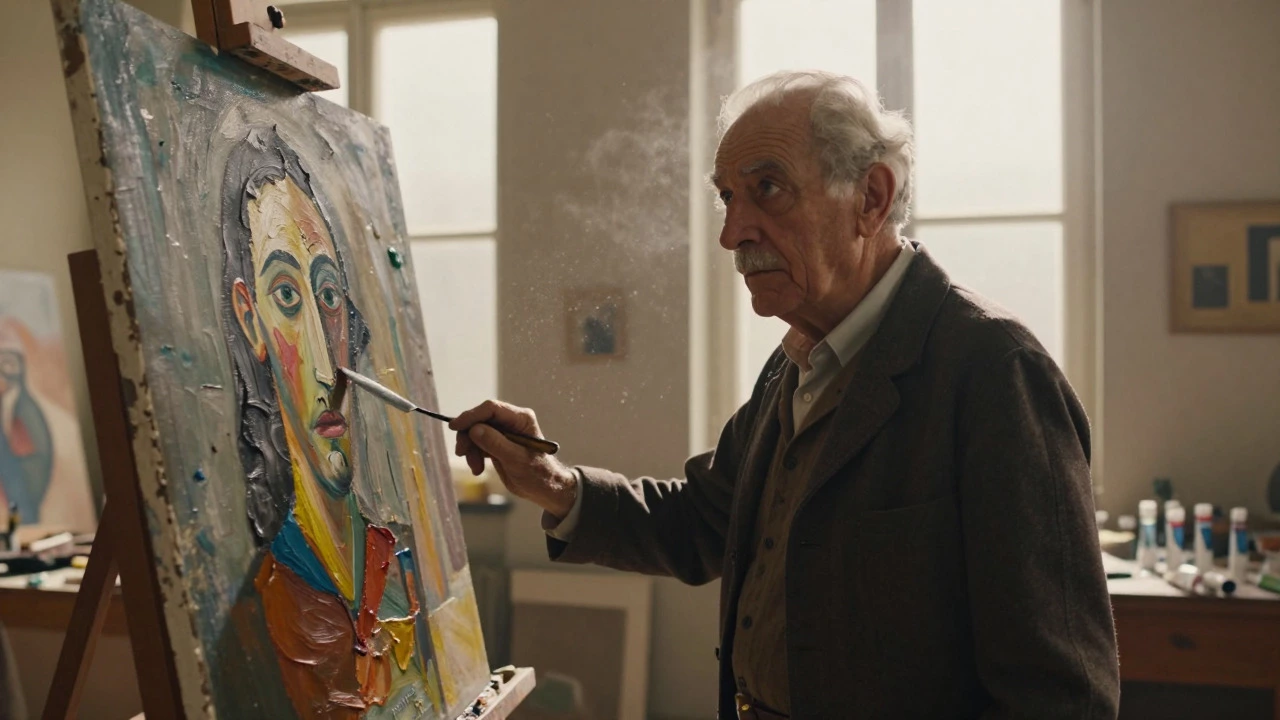
If not acrylic, then what gave his paintings that intense vibrancy? The majority of Picasso’s major works were done in oil. But he wasn’t a purist. He was obsessed with texture and materiality. He used everything from sand to sawdust mixed into his paint to create rough, tactile surfaces. This technique, called impasto, is much easier to achieve with thick oil paints than with thinner acrylics.
He also frequently used Guache is an opaque watercolor paint, often used for illustrations and decorative arts.. Guache is similar to watercolor but has more pigment and less transparency. It dries matte and can be layered. In his later years, Picasso experimented heavily with ceramics and printmaking, but on canvas, oil remained king.
One reason people confuse his work with acrylic is the brightness. Modern oil paints contain synthetic pigments that are incredibly vivid. In the 19th century, many blue pigments were toxic or faded quickly. By the mid-20th century, chemical advancements allowed for stable, neon-like blues and greens in oil form. So, when you see a bright blue Picasso, it’s likely oil with a modern pigment, not acrylic.
The Rise of Acrylics in the Art World
While Picasso ignored acrylics, they changed art forever. After World War II, there was a shift away from traditional easel painting. Artists wanted to work faster, outdoors, and on larger scales. Oil paint smells strong, takes forever to dry, and yellows over time. Acrylic solved all these problems.
Abstract Expressionism is a post-WWII art movement characterized by spontaneous, automatic, or subconscious creation. painters like Jackson Pollock sometimes used house paints or enamels because they dried fast. This paved the way for dedicated acrylic brands. By the 1960s, Pop Art embraced acrylics for their clean, graphic look. Think of the crisp lines in Roy Lichtenstein’s comics-style paintings. That flat, uniform color is hard to achieve with oil without cracking.
This divide created two camps. Traditionalists like Picasso stayed with oil for its depth and handling. Innovators switched to acrylic for its versatility. Today, most contemporary artists use both, but in Picasso’s prime, the choice was clearer.
Could Picasso Have Liked Acrylics?
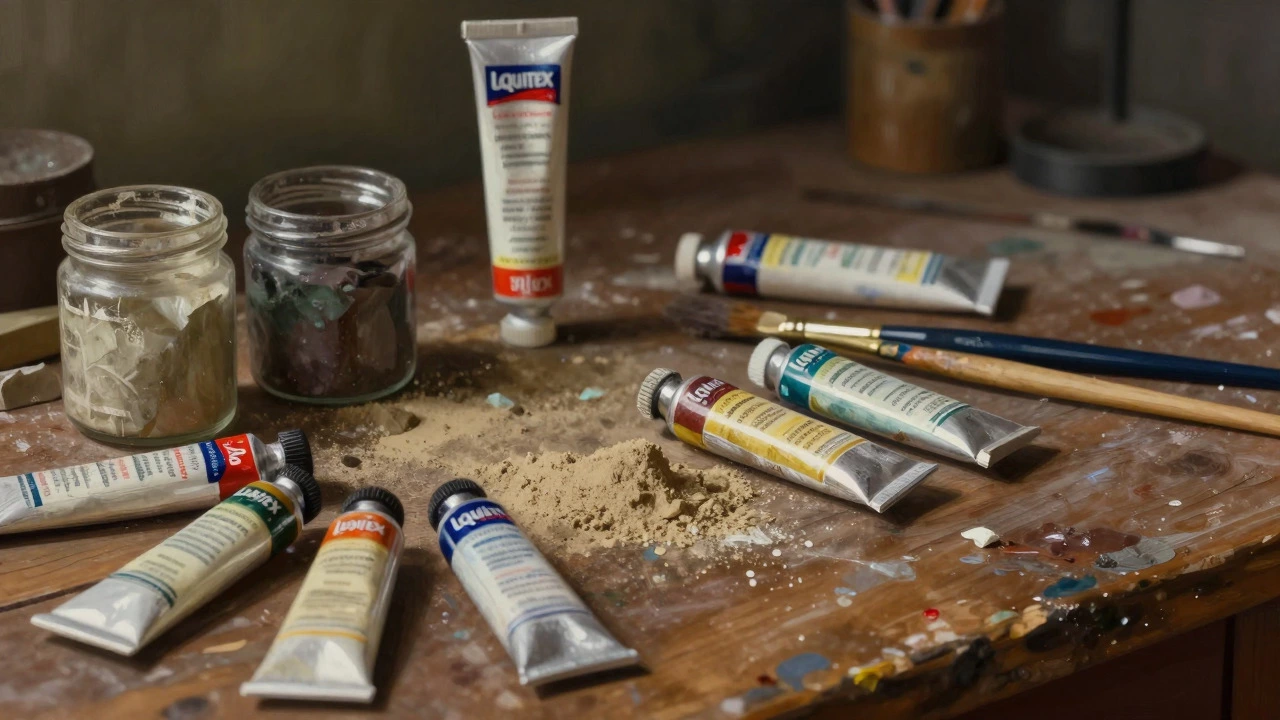
It’s tempting to imagine Picasso trying acrylics. He loved experimenting. He invented collage before it was cool. He mixed ash into his paints. He painted on plates, walls, and sculptures. If someone had handed him a tube of Liquitex in 1960, he probably would have played with it.
However, his working method relied on reworking areas. With oil, you can scrape back layers for days. With acrylic, once it’s dry, it’s plastic. You can’t blend it easily. Picasso’s late works are dense with overlapping gestures. Those marks suggest a medium that stays wet long enough to manipulate. Acrylic would have forced him to work differently, perhaps too rigidly for his chaotic style.
Also, consider the smell. Picasso hated strong odors. Oil paint solvents like turpentine are pungent. Acrylics are water-based and odorless. On paper, this might seem like a win for acrylic. But Picasso was used to the smell of his studio. It was part of the ritual. Changing materials isn’t just about the paint; it’s about the entire sensory experience of creating art.
Common Misconceptions About Picasso’s Materials
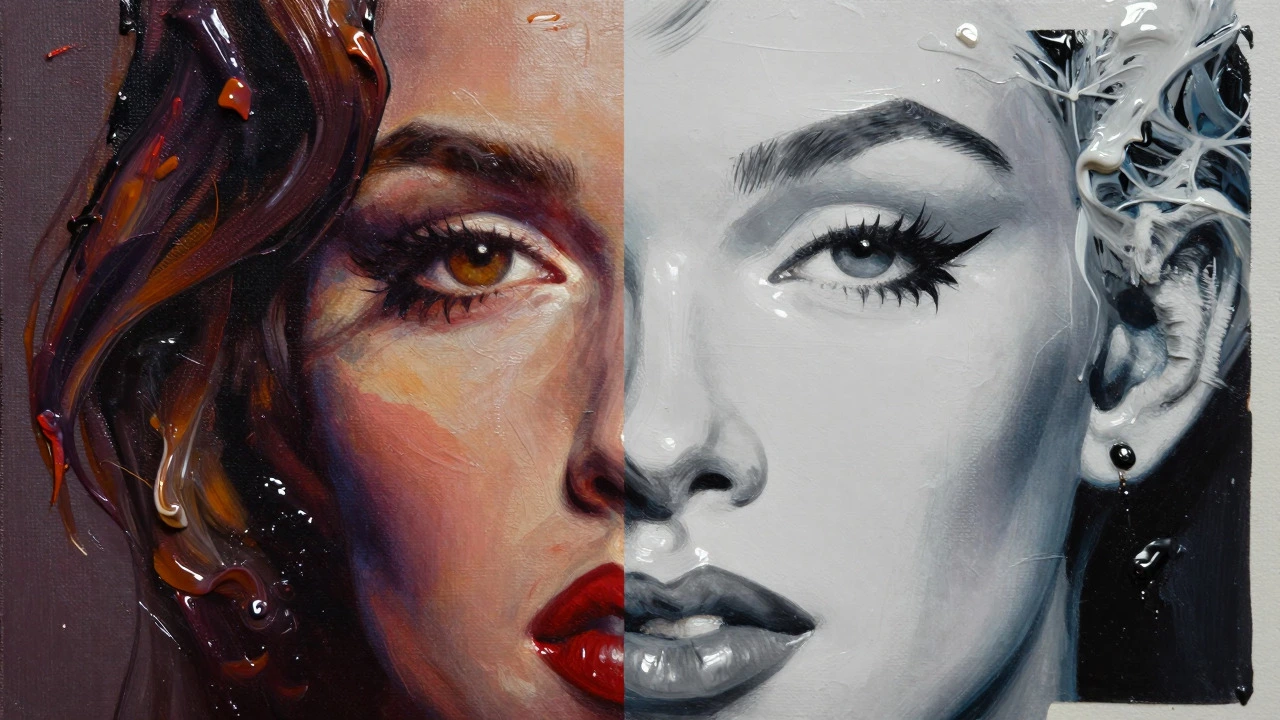
Many people assume that any bright, modern-looking painting must be acrylic. This is a myth. Advances in pigment technology mean oils can be just as bright. Another misconception is that acrylic is "better" because it doesn’t yellow. While true, oil has a luminous quality that acrylic struggles to match. Light passes through thin layers of oil and reflects back, giving it depth. Acrylic sits on top of the surface, looking flatter.
Some reproductions of Picasso’s work are printed on canvas using acrylic-based inks. If you buy a poster or a low-cost reproduction, it’s likely acrylic ink. This confuses collectors who think they’re buying original materials. Always check provenance and material lists if you’re serious about owning art.
Why This Matters for Art Lovers
Understanding what Picasso used helps us appreciate his choices. He didn’t just pick paint; he picked tools that served his vision. Oil allowed him to build up thick textures, blend subtle shadows, and correct mistakes. It was flexible, forgiving, and rich. Acrylic, while useful, offers a different kind of control-one that favors speed and precision over depth and revision.
For students today, knowing this history prevents frustration. If you try to copy a Picasso study using acrylics, you’ll fight the medium. It will dry too fast. You won’t get the same blending. Instead, use oils or even heavy-body acrylics with retarders to slow the drying time. Match the material to the master’s intent.
Did Picasso ever use acrylic paint in any of his works?
No, there is no evidence that Pablo Picasso used artist-grade acrylic paint in his finished works. He died in 1973, shortly after acrylics became popular. His primary mediums were oil, watercolor, guache, and mixed media like sand and charcoal.
Why do some Picasso paintings look like they are made with acrylic?
Modern oil paints contain highly vibrant synthetic pigments that can look as bright as acrylics. Additionally, reproductions and prints of his work are often made with acrylic inks, which can cause confusion about the original materials.
When did acrylic paint become popular among artists?
Acrylic paint became widely available in the late 1940s and gained popularity in the 1950s and 1960s, particularly among Pop Art and Abstract Expressionist painters who valued its fast drying time and versatility.
What was Picasso's favorite painting medium?
Picasso primarily used oil paint for his major canvases. He also frequently used watercolor and guache for sketches and studies, and experimented with mixed media including sand, sawdust, and charcoal to add texture.
Can you mix oil and acrylic paint together?
Generally, no. Mixing oil and acrylic directly can lead to cracking and poor adhesion because they have different chemical bases and drying times. However, you can layer oil over dry acrylic, following the rule of "fat over lean," though it is not recommended for archival quality work.
Did other famous artists use acrylic paint instead of oil?
Yes, many prominent 20th-century artists switched to acrylics. Notable examples include Andy Warhol, Roy Lichtenstein, Helen Frankenthaler, and David Hockney, who appreciated the speed and durability of the medium.