Art Exhibit Profitability Calculator
Exhibition Parameters
Financial Summary
Total Expenses
$2,300
Total Revenue
$1,500
Break-Even Analysis
To cover your current costs, you need to sell:
8 pieces
Based on an average price of $300.
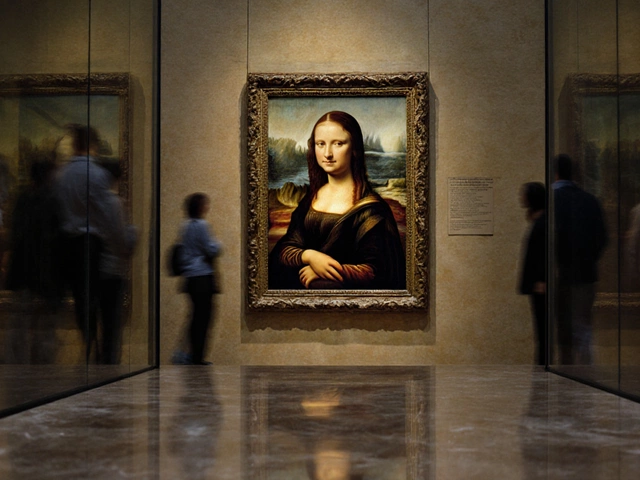
Walking into a gallery or standing before a massive installation at a museum feels like pure culture. But behind the velvet ropes and white walls is a complex financial machine. Do art exhibits actually make money? The short answer is: it depends entirely on who you ask-the artist, the gallery, the museum, or the collector.
For most emerging artists, an exhibit is often a net loss in the immediate term. For established commercial galleries, it’s a high-risk sales funnel. For non-profit museums, it’s a marketing tool to drive donations. To understand the economics, we have to strip away the romance of the creative process and look at the ledger.
The Commercial Gallery Model: High Risk, High Reward
When people ask if art exhibits make money, they are usually thinking about the traditional commercial gallery model. This is where an artist signs with a gallery, and the gallery hosts a solo or group show. The goal here is straightforward: sell artwork.
The standard split is 50/50. If a painting sells for $10,000, the artist keeps $5,000, and the gallery keeps $5,000. On paper, this looks great. However, galleries have overheads that many artists don’t see. They pay for rent in expensive districts (think Chelsea in New York or Mayfair in London), insurance, framing, shipping, marketing, and staff salaries.
A single exhibition might cost the gallery $10,000 to $30,000 to produce. If only two pieces sell, the gallery loses money. If ten pieces sell, they make a healthy profit. The exhibit itself isn’t the product; the exhibit is the advertisement for the product (the art). Most galleries rely on a small percentage of "blue-chip" artists to subsidize the riskier shows of emerging talent.
The Artist’s Perspective: Is It Worth the Cost?
If you are an artist asking whether exhibiting makes money, the math gets tricky. In a gallery representation deal, you aren’t paying out of pocket for the show, but you are giving up half your income. More importantly, you are giving up control over pricing and marketing.
Many artists now choose to self-produce exhibitions. This means you pay for the space, the promotion, and the opening night. You keep 100% of the sales, but you also bear 100% of the risk. Here is a realistic breakdown of what a self-produced local show might look like:
- Venue Rental: $500 - $2,000 (depending on location and duration)
- Marketing & Invitations: $200 - $500
- Framing & Installation: $300 - $800
- Opening Night Catering: $400 - $1,000
- Total Estimated Cost: $1,400 - $4,300
To break even, you need to sell enough art to cover these costs. If your average piece sells for $300, you need to sell between five and fourteen pieces just to get back to zero. For many emerging artists, the real value isn’t the immediate cash flow-it’s building a portfolio, meeting collectors, and getting press coverage.

Museums and Non-Profits: The Funding Ecosystem
Public museums and non-profit art centers operate differently. They rarely expect an exhibit to generate a direct profit through ticket sales alone. Instead, exhibits serve as leverage to secure other forms of income.
Consider a major retrospective at a city museum. The cost to borrow works from other collections, insure them, and build custom lighting can exceed $500,000. Ticket sales might cover 30% of that cost. Where does the rest come from?
- Corporate Sponsorships: Brands pay to associate themselves with cultural prestige.
- Government Grants: Public funding allocated for arts and culture.
- Private Donors: Wealthy individuals who receive tax benefits and exclusive access.
- Museum Shop Sales: Catalogs, prints, and merchandise related to the exhibit.
In this model, the exhibit makes money indirectly by driving membership renewals and gift shop sales. A popular exhibit increases foot traffic, which leads to higher coffee shop revenue and more book sales. It’s a volume game.
Alternative Revenue Streams Beyond Wall Sales
The traditional model of hanging a canvas and hoping someone buys it is evolving. Smart exhibitors diversify their income streams to ensure profitability regardless of how many original pieces sell.
Licensing and Merchandising
If your work has strong visual appeal, licensing it for home goods, fashion, or digital backgrounds can generate passive income. An exhibit serves as the launchpad for this. You show the original art, but you sell posters, tote bags, or limited-edition prints at the event. Prints have lower price points, meaning more visitors can become customers.
Workshops and Experiences
Instead of just displaying art, host workshops during the exhibition run. Charge attendees for a guided tour, a live demonstration, or a masterclass. This turns the exhibit into an educational service. People may not buy a $2,000 painting, but they will happily pay $50 to learn how you created it.
Digital NFTs and Online Drops
For contemporary artists, the physical exhibit can drive traffic to digital assets. By including QR codes next to physical pieces, you can link to non-fungible tokens (NFTs) or digital downloads. This expands your market beyond local visitors to a global audience browsing online.
Key Factors That Determine Profitability
Not all exhibits are created equal. Several variables heavily influence whether an exhibit ends up in the black or the red. Understanding these factors helps you plan more effectively.
| Factor | Impact on Revenue | Control Level |
|---|---|---|
| Location | High foot traffic areas increase casual sales | Low (Dependent on venue choice) |
| Pricing Strategy | Accessible prices drive volume; high prices require niche buyers | High (Artist/Gallery decision) |
| Marketing Reach | Targeted ads bring qualified buyers, not just friends | Medium (Budget dependent) |
| Collector Relationships | Repeat buyers reduce acquisition costs | High (Long-term effort) |
| Exhibit Duration | Longer runs allow for multiple events and sustained interest | Medium (Venue contract) |
One critical metric often overlooked is the conversion rate. In retail, a 2-5% conversion rate is normal. In art galleries, it can be much lower because the purchase is emotional and expensive. If 100 people visit your show, and only one buys, that’s still a success if that sale covers your costs. The key is increasing the number of serious prospects, not just general foot traffic.
How to Maximize Returns on Your Next Exhibit
If you want your next art exhibit to make money, treat it like a business launch, not just a creative showcase. Start by defining your target buyer. Are you selling to interior designers, young professionals, or seasoned collectors? Tailor your marketing and pricing accordingly.
Build an email list before the show opens. Offer a sneak peek or a discount on prints to those who sign up. On opening night, capture contact information from every visitor. Follow up within 48 hours while the experience is fresh. Many sales happen weeks after the exhibit closes because the buyer needs time to decide.
Finally, track your expenses meticulously. Know exactly how much each sale costs you to produce, including your time. If you find that you’re spending more on marketing than you’re earning in sales, pivot your strategy. Maybe shift focus to online platforms like Etsy or Saatchi Art, where the overhead is lower and the audience is already looking to buy.
Do artists make money from gallery exhibitions?
Yes, but typically only if pieces are sold. In a standard gallery agreement, the artist receives 50% of the sale price. However, if no art sells, the artist earns nothing from the exhibit itself, though they gain exposure and potential future clients.
How much does it cost to organize an art exhibition?
Costs vary widely. A small self-produced local show can cost $1,000-$3,000. A mid-sized gallery show might cost $10,000-$30,000. Large museum installations can exceed $100,000 due to insurance, shipping, and specialized construction.
Can museums make a profit from ticket sales?
Rarely do ticket sales cover all expenses. Museums rely on a diversified funding model including government grants, corporate sponsorships, private donations, and membership fees. Tickets contribute to operational costs but are not the primary profit driver.
What is the best way to sell art at an exhibition?
Combine high-value originals with accessible price points like prints or small works. Engage visitors personally, collect contact information, and follow up promptly. Use clear signage with prices and materials to reduce friction in the buying process.
Should I hire a gallery or self-represent?
Hiring a gallery provides credibility, access to established collectors, and handles logistics, but you give up 50% of sales and some creative control. Self-representation keeps all profits but requires significant effort in marketing, sales, and organization. Choose based on your current career stage and resources.
How important is marketing for art exhibit success?
Extremely important. Even the best art won’t sell if no one knows about the show. Effective marketing targets specific demographics likely to buy, uses social media for visual engagement, and leverages email lists for direct outreach. Poor marketing leads to low attendance and minimal sales.
What are common hidden costs in art exhibitions?
Hidden costs include insurance for the artwork, frame damage repairs, shipping fees, catering for opening nights, printing catalogs or flyers, and payment processing fees. These expenses can add up quickly and should be budgeted separately from venue rental.
Do online art exhibitions make money?
Online exhibitions have lower overhead costs since there’s no physical space rental. They can generate revenue through direct sales, digital downloads, or virtual event tickets. However, they require strong digital marketing skills and a seamless e-commerce setup to convert viewers into buyers.