Music Difficulty Estimator
Select an instrument and a representative piece or style to see an analysis of its technical demands and estimated difficulty rating.
Piece Analysis
RatingKey Challenges
Practice Tips
You know that feeling when you hit a wrong note in a simple pop song and feel like a fraud? Now imagine playing a piece where every single note is a potential disaster. That’s the reality for musicians tackling the hardest music to play. It’s not just about speed; it’s about control, stamina, and mental fortitude. Whether you’re a beginner wondering what awaits you or a pro looking for your next challenge, understanding why certain pieces break even the best players is crucial.
We often hear that the violin is hard because you have no frets. Or that the drums are tough because you need four limbs working independently. But which specific pieces actually demand the most from a human being? Let’s look at the genres and instruments that consistently rank at the top of the difficulty ladder.
The Piano: Where Complexity Meets Endurance
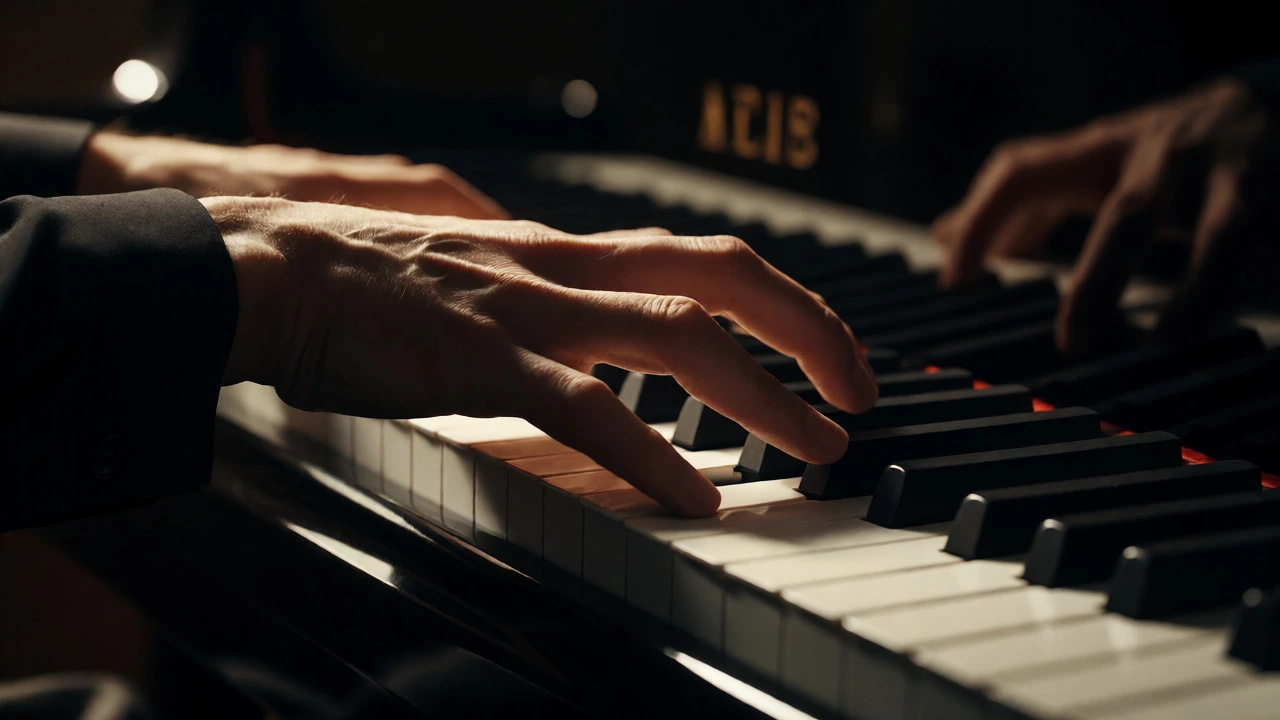
If you ask concert pianists what breaks them, they won’t say "Chopsticks." They’ll mention Rachmaninoff or Liszt. Why? Because the piano requires you to manage multiple voices simultaneously across an eight-octave range. You aren’t just pressing keys; you’re balancing dynamics, rhythm, and tone color all at once.
Take Franz Liszt’s Transcendental Études. These twelve pieces are essentially technical studies disguised as art. The fourth étude, "Mazeppa," demands rapid octaves and wide leaps that can cause physical injury if your technique isn’t perfect. Then there’s Sergei Rachmaninoff’s Piano Concerto No. 3. This piece is notorious for its dense chords and relentless pace. Playing it without memorizing every measure is nearly impossible because your brain needs to focus on survival, not page-turning.
| Piece | Composer | Main Challenge |
|---|---|---|
| Mazeppa (Étude No. 4) | Franz Liszt | Wide leaps and fast octaves |
| Piano Concerto No. 3 | Sergei Rachmaninoff | Dense chords and endurance |
| La Campanella | Niccolò Paganini/Liszt | Rapid repeated notes and jumps |
The key takeaway here? Piano difficulty isn’t just about how many notes you hit per second. It’s about keeping those notes musical while your fingers burn. If you want to test yourself, try learning a Bach fugue first. Managing three independent melodic lines teaches you the brainpower needed before you tackle Liszt.
The Violin: Precision Without Safety Nets
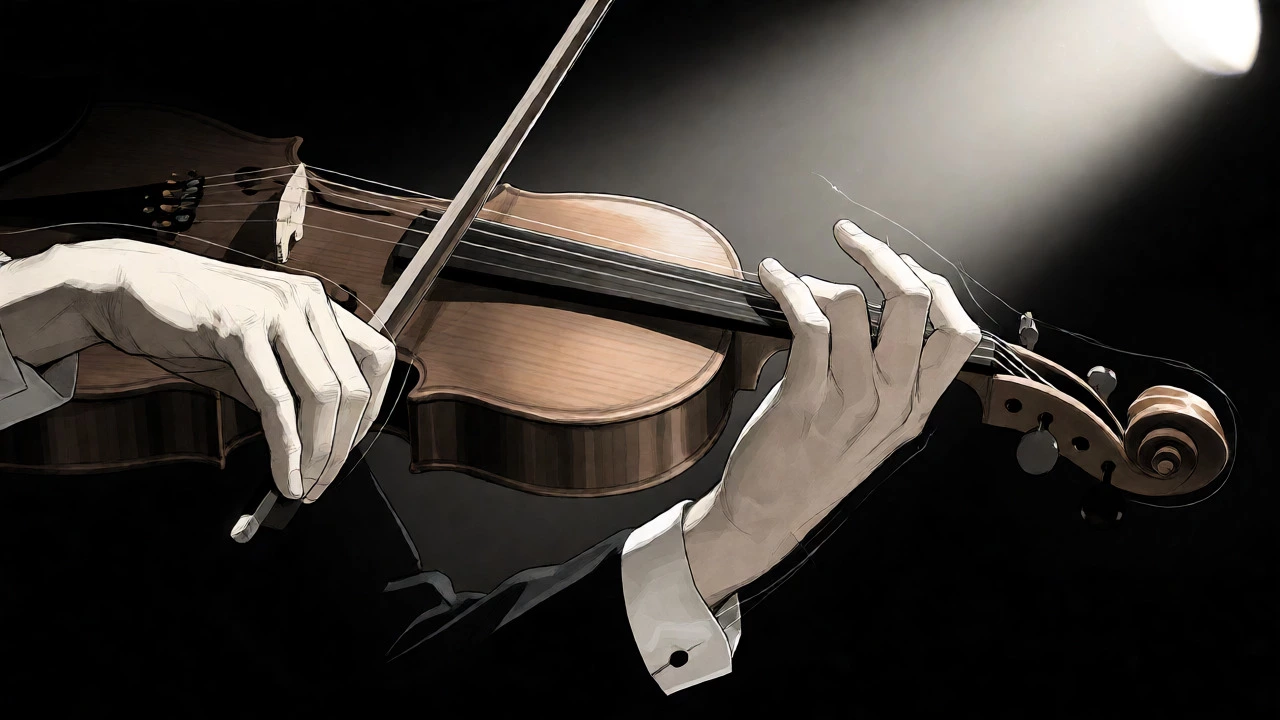
Unlike the piano, where keys guide your fingers, the violin gives you nothing but smooth wood. One millimeter off, and you’re out of tune. This lack of visual markers makes intonation a constant battle. Add in the complexity of double stops-playing two strings at once-and you’ve got a recipe for frustration.
Niccolò Paganini wrote his 24 Caprices for Solo Violin to show off his own insane skills. Caprice No. 24 is famous for its left-hand pizzicato combined with bowing tricks. You’re plucking strings with one finger while bowing another, all while maintaining a steady rhythm. It’s physically awkward and mentally taxing.
Then there’s Johann Sebastian Bach’s Partita No. 2 in D Minor, specifically the Chaconne. This movement lasts over fifteen minutes without a break. There’s no accompaniment to hide behind. Every mistake rings out clearly. Many violinists describe performing this piece as an emotional marathon. You need absolute focus to keep the structure intact while conveying deep emotion.
- Intonation: Requires precise ear training and muscle memory.
- Bow Control: Managing pressure and speed to avoid scratchy tones.
- Physical Stamina: Holding the instrument and bow correctly for extended periods causes fatigue.
If you’re starting out, don’t rush into Paganini. Master scales and arpeggios first. Your ears need to trust your hands before you attempt solo repertoire.
Drums: Independence and Rhythm
People think drumming is easy because you just hit things. Try keeping a steady beat while your right hand plays a different pattern than your left foot. Drummers call this limb independence. It’s like rubbing your stomach and patting your head, but with complex polyrhythms.
Jazz fusion and progressive rock push these limits further. Consider Buddy Rich’s performances. His solos weren’t just fast; they were structurally complex. He would shift time signatures mid-phrase without losing the groove. Modern drummers face similar challenges with bands like Dream Theater, where odd meters like 7/8 or 13/16 are common.
Learning to read drum notation adds another layer. You’re interpreting four staves at once. Snare, bass, hi-hat, and cymbals each have their own voice. Mistiming one element throws off the entire band. Unlike melody instruments, where you might recover from a slip, a drummer’s error disrupts everyone else’s timing.
Guitar: Fingerstyle and Speed
Electric guitar heroes get attention for shredding solos, but acoustic fingerstyle guitar offers a different kind of hell. Pieces by composers like Leo Kottke require you to play bass lines, chords, and melodies simultaneously. Your thumb handles the low end while your fingers pick intricate patterns above.
Classical guitar adds strict formality. Fernando Sor’s etudes demand perfect tone production. Any buzz or muted string ruins the phrase. Flamenco guitar introduces rasgueado techniques, where you strum with all five fingers rapidly. It looks effortless on stage but burns your forearms quickly.
For electric players, speed alone isn’t enough. Think of Al Di Meola’s live albums. He plays fast runs with clean articulation. Each note must ring out clearly. If you rely on distortion to mask sloppy picking, you’ll struggle with jazz standards that require clarity.
Vocals: Breath and Range
Can singing be harder than playing an instrument? Absolutely. Your vocal cords are muscles inside your throat. You can’t see them. You can’t replace them if they tear. Opera singers tackle roles that last hours, hitting high Cs repeatedly while acting and breathing correctly.
Mozart’s Queen of the Night Aria features rapid coloratura passages. You’re jumping between extreme highs and lows instantly. One wobble in pitch, and the illusion shatters. Contemporary pop vocals also demand agility. Artists like Mariah Carey use whistle register notes that sit above typical vocal ranges. Maintaining power in those thin registers takes years of practice.
Why Difficulty Is Subjective
Here’s the truth: difficulty depends on your strengths. A pianist might find violin terrifying due to intonation issues. A guitarist might hate reading complex piano scores. Context matters too. Playing a difficult piece in a quiet recital hall feels different than doing it in a noisy club.
Also, some pieces are technically hard but musically simple. Others are technically easier but require profound interpretation. Beethoven’s late sonatas aren’t always the fastest, but expressing their philosophical depth is challenging. Conversely, some modern minimalism is easy to play but hard to sustain emotionally for twenty minutes.
How to Tackle Hard Music
Don’t start with the hardest piece available. Build up gradually. Here’s a practical approach:
- Slow Practice: Play at half-speed. Ensure every note is accurate before speeding up.
- Chunking: Break the piece into small sections. Master transitions between chunks.
- Mental Rehearsal: Visualize playing the piece away from your instrument. This strengthens neural pathways.
- Record Yourself: Listen back critically. You’ll hear mistakes you miss while playing.
Remember, struggling with difficult music means you’re growing. If everything feels easy, you’re not improving. Embrace the frustration-it’s part of the process.
Is piano or violin harder to learn?
Piano is generally easier to start because the layout is logical and fixed. However, reaching virtuoso level on piano is incredibly difficult due to the need for coordination between ten fingers. Violin has a steep initial learning curve because producing a good tone and staying in tune is hard. Both become extremely difficult at advanced levels, but for different reasons.
What is the hardest instrument to master?
There is no single answer, but instruments like the French horn, oboe, and harp are often cited due to their physical demands and lack of standardization. The French horn requires precise embouchure control, while the oboe demands significant breath support and reed maintenance. Mastery depends on individual aptitude and dedication.
Does age affect the ability to play difficult music?
Yes, physical flexibility and recovery time change with age. Younger players may adapt faster to new techniques, while older players often possess better musical maturity and patience. Many renowned musicians perform demanding repertoire well into their sixties and seventies, adapting their technique to maintain health.
Can I skip basics and go straight to hard pieces?
You can try, but you risk developing bad habits that limit your progress. Basic exercises build essential muscle memory and theoretical understanding. Skipping them often leads to plateauing later when you encounter more complex rhythmic or harmonic structures.
Are digital instruments easier than acoustic ones?
Digital keyboards offer weighted keys that mimic acoustic pianos, making the transition smoother. However, synthesizers and electronic pads require different touch sensitivity controls. Acoustic instruments provide immediate feedback through resonance, which helps develop dynamic control. Digital tools are great for practice but may not fully replicate the tactile experience of acoustic performance.