The Mona Lisa Valuation Simulator
Enter your hypothetical net worth or bid amount to see how the French State responds to offers for the world's most famous painting.
Your Offer
Awaiting Your Bid
The Louvre curator is waiting for your offer. Remember, under French law, state-owned works are inalienable.
Decision
Curator response will appear here.
| Artwork | Artist | Sale Price (USD) | Status |
|---|---|---|---|
| Salvator Mundi | Leonardo da Vinci | $450.3 Million | Sold |
| The Card Players | Paul Cézanne | ~$250 Million | Sold |
| Mona Lisa | Leonardo da Vinci | Priceless / Inalienable | Not For Sale |
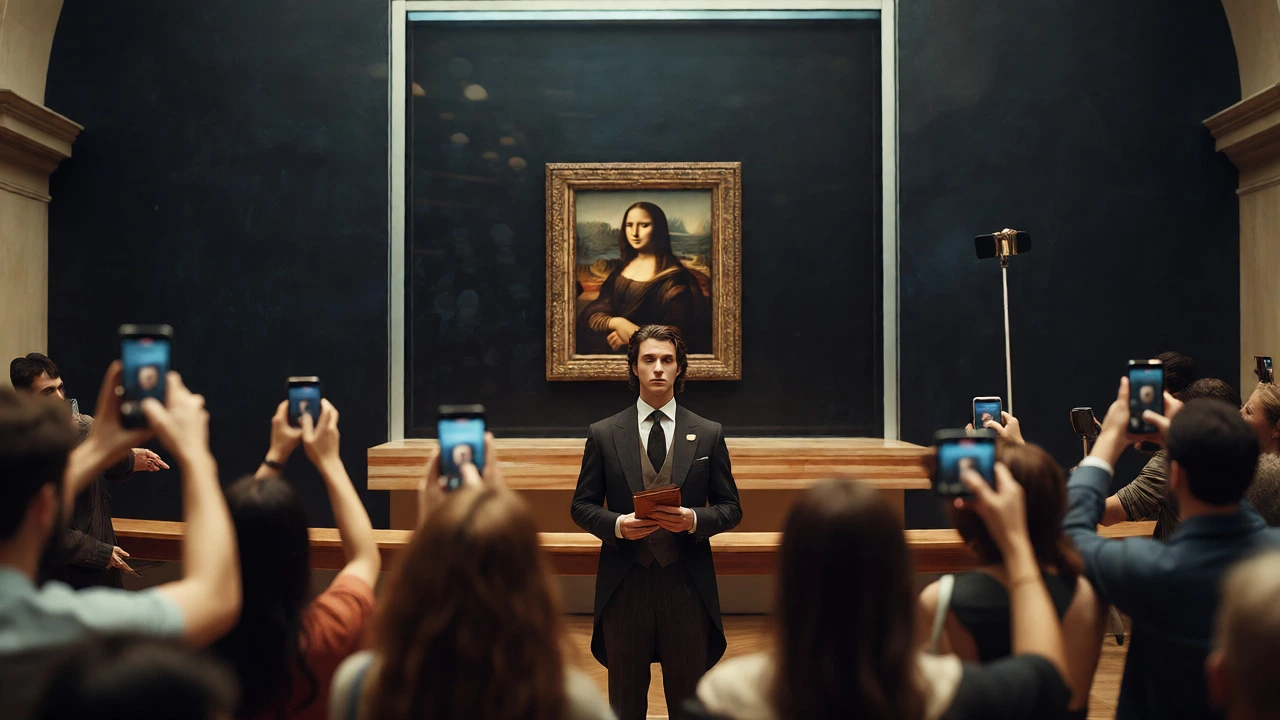
You see it on tote bags, coffee mugs, and in every second-rate gift shop. You’ve probably seen it in person, standing behind bulletproof glass, surrounded by a sea of selfie sticks. It’s the Mona Lisa, the world’s most famous painting, and for over five centuries, it has been locked away in Paris. But here is the question that keeps collectors up at night: if you had unlimited money-say, the kind of wealth that buys small countries-could you actually take her home?
The short answer is no. The longer answer involves French law, international treaties, and a concept called "inalienability." But let’s break down why your bank account doesn’t matter when it comes to this specific piece of poplar wood.
Why Money Can’t Touch the Mona Lisa
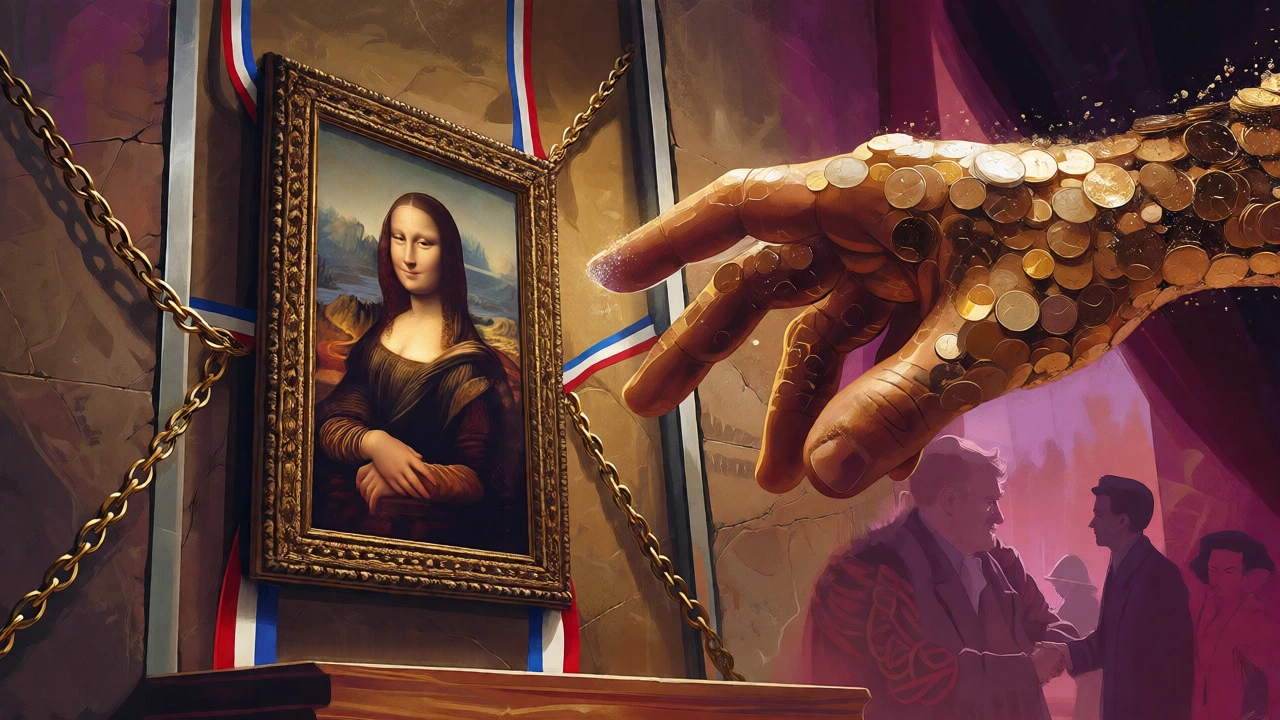
Imagine walking into the Louvre with a checkbook. You point at the portrait of Lisa Gherardini and offer $1 billion. The curator smiles politely and says, "No." Why? Because the Mona Lisa isn't just an asset; it's part of the French national collection. Under French heritage law, works owned by the state are inalienable. This means they cannot be sold, traded, or given away. Ever.
This rule exists to protect cultural treasures from being whisked away by private collectors who might lock them in climate-controlled vaults in Geneva or New York. The French government views these artworks as belonging to the public, not the state as a business entity. So, even if Emmanuel Macron wanted to sell her to pay off national debt, he’d have to change the law first-a political nightmare that no president wants to touch.
The Myth of the $860 Million Valuation
You might have read headlines claiming the Mona Lisa is worth $860 million. That number comes from Guinness World Records, citing its highest insurance valuation in 1962. Adjusted for inflation, some estimates push it over $1 billion today. But here’s the catch: that was an insurance value, not a market price.
Insurance values are theoretical. They estimate what it would cost to replace the item if it were destroyed. For unique, one-of-a-kind items like the Mona Lisa, there is no replacement. If she burned tomorrow, no amount of money could bring her back. Therefore, her market value is technically infinite-or rather, undefined because there is no active market for her sale.
| Artwork | Artist | Sale Price (USD) | Status |
|---|---|---|---|
| Salvator Mundi | Leonardo da Vinci | $450.3 Million | Sold to Saudi Crown Prince |
| The Card Players | Paul Cézanne | ~$250 Million | Sold to Qatar Museums |
| Mona Lisa | Leonardo da Vinci | Priceless / Inalienable | Owned by French State |
Look at Salvator Mundi. When it sold in 2017, it became the most expensive painting ever sold at auction. A billionaire can buy Salvator Mundi because it was privately owned. The Mona Lisa was never private property in the modern era; it entered the royal collection under Francis I and stayed there through revolutions and republics.
What About Private Ownership History?
Some people argue, "But kings owned it!" Yes, King Francis I bought it from Leonardo da Vinci around 1518. But once it entered the French royal collection, it became state property upon the establishment of the French Republic. Unlike other countries where museums deaccession (sell) pieces to fund operations, France treats its core national collections as sacred.
Contrast this with the United States. The Metropolitan Museum of Art sells duplicates or lesser-known works regularly. If the Met owned the Mona Lisa, a billionaire could likely buy it. But the Louvre doesn’t operate that way. Their budget comes largely from ticket sales and government subsidies, not from selling their crown jewels.
Could a Billionaire Lease Her?
If you can’t buy her, can you rent her? Technically, yes, but with massive caveats. The Mona Lisa travels rarely. She went to the US in 1963 and Japan in 1974. These trips required diplomatic negotiations, not commercial contracts. A billionaire couldn’t just sign a lease agreement. Any movement requires approval from the French Ministry of Culture, conservation experts, and often, a temporary exhibition framework rather than a private loan.
Furthermore, the logistics are insane. Moving the Mona Lisa costs millions in insurance, security, and climate control. The frame alone is a complex system designed to monitor humidity and temperature fluctuations. You wouldn’t just put her in your living room; you’d need to build a mini-Louvre around her.
The Real Prize: Owning the Image
Here’s where things get interesting for the modern collector. While you can’t own the physical paint on wood, you can engage with the image. The Mona Lisa is in the public domain in many jurisdictions because copyright expires after the author’s death plus a certain number of years (Leonardo died in 1519). However, France has strict rules about reproducing national treasures for commercial purposes.
A billionaire might commission a hyper-realistic copy or acquire a high-resolution digital license for exclusive use in a private gallery. But owning the original? That’s out of reach. The status symbol isn’t ownership anymore; it’s access. Being invited to a private viewing before the museum opens is worth more to some collectors than possessing the object itself.
What Would Happen If France Changed the Law?
Let’s play devil’s advocate. Suppose a future French president decided to privatize the Louvre’s top ten paintings to raise funds. Who would win the bidding war?
- The Gulf States: Qatar and Saudi Arabia have already bought major works like Cézanne’s The Card Players. They view art as soft power.
- Tech Moguls: Figures like Jeff Bezos or Mark Zuckerberg have deep pockets and a desire for legacy-building assets.
- Chinese Collectors: There is growing interest in Western classics among Asian ultra-high-net-worth individuals.
Even then, the price tag would be astronomical. We’re talking multiples of the record-breaking $450 million paid for Salvator Mundi. Experts speculate the Mona Lisa could fetch $1.5 to $2 billion in a hypothetical open market. But remember, the buyer would face immediate backlash. They’d be seen as having stolen a piece of global heritage.
Conservation Risks Outweigh Financial Gain
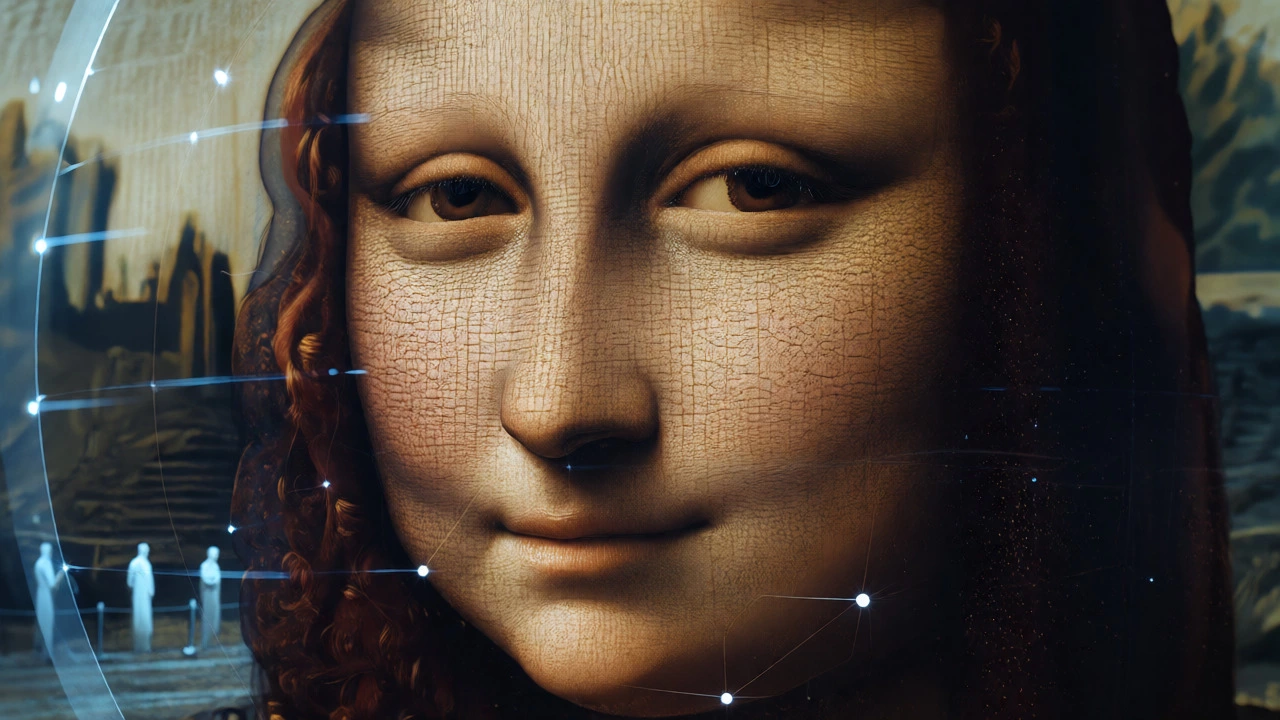
One reason France refuses to sell is preservation. The Mona Lisa is fragile. The poplar panel has warped slightly over centuries. Varnish layers have yellowed. Every time she moves, she risks damage. Keeping her stationary in the Louvre’s controlled environment minimizes risk.
A private owner might prioritize display over preservation. Imagine hanging her in a penthouse with large windows exposing her to UV light. The resulting damage would be irreversible. For the French state, the priority is keeping her alive for another 500 years, not making a quick profit.
Frequently Asked Questions
Is the Mona Lisa insured?
Yes, but not in the traditional sense. She has a nominal insurance value for transit purposes. When she travels, the receiving institution covers her insurance. At rest in the Louvre, she is essentially self-insured by the French state because replacing her is impossible.
Who currently owns the Mona Lisa?
The French Republic owns the Mona Lisa. It is part of the permanent collection of the Louvre Museum in Paris. Ownership transferred from the monarchy to the state during the French Revolution.
Has the Mona Lisa ever been sold?
Leonardo da Vinci sold it to King Francis I of France in the early 16th century. Since entering the French royal collection, it has never been sold again. It has changed hands only through inheritance and state succession.
Can I buy a replica of the Mona Lisa?
Absolutely. Replicas range from cheap prints to hand-painted oil copies costing thousands of dollars. However, these are decorative items, not investment-grade artworks. The value lies in craftsmanship, not provenance.
Why is the Mona Lisa so famous?
Her fame stems from a mix of artistic innovation (the sfumato technique), historical intrigue, and mass media exposure. The 1911 theft by Vincenzo Peruggia turned her from a respected painting into a global celebrity.
Next Steps for Aspiring Art Collectors
If you’re dreaming of owning a masterpiece, don’t fixate on the unbuyables. Look for emerging artists or undervalued periods. The market for contemporary art is volatile but accessible. Or, consider fractional ownership platforms that allow you to buy shares in high-value works without needing billions.
For now, keep your passport ready. Visiting the Mona Lisa is free (well, included in the museum entry fee). Standing in front of her, realizing no amount of money could move her, might give you a new appreciation for what truly holds value in our world.