Contemporary Art Identifier
Are you looking at a piece of Contemporary Art? Answer the questions below about the artwork in front of you (or imagine one) to see how it aligns with contemporary principles versus traditional or modern aesthetics.
Answer the questions to determine if the artwork leans towards Contemporary, Modern, or Traditional.
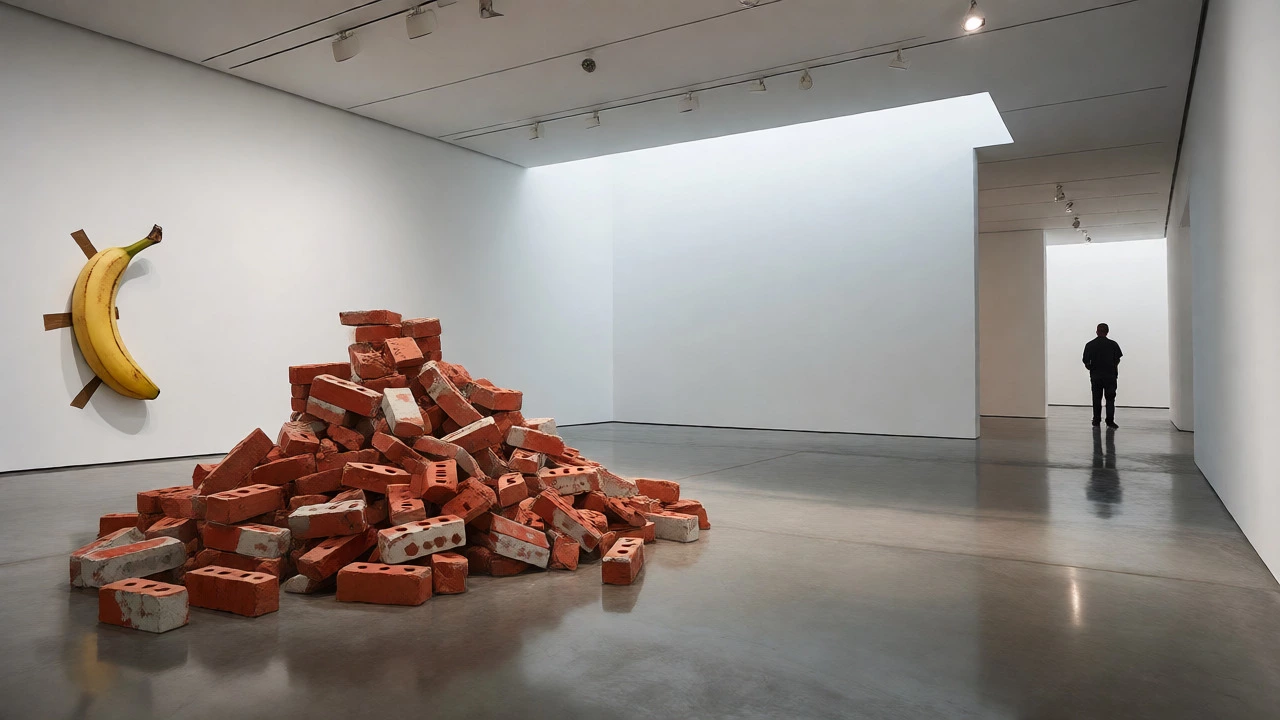
You walk into a gallery, see a pile of bricks on the floor or a video loop of someone eating a banana, and you think: "Is this really art?" You are not alone. The confusion is valid because contemporary art is art produced from the late 20th century to the present day that reflects current social, political, and cultural issues. Unlike the rigid rules of classical painting or the specific aesthetic movements of Modernism, contemporary art doesn't have one single look. It looks like everything and nothing at once. But if you know what to hunt for, you can spot it instantly.
The Big Shift: Why It Doesn't Look Like 'Art' Anymore
Here is the biggest trap people fall into: they confuse Modern Art with Contemporary Art. They sound similar, but they are different beasts. Modern art roughly covers the period from the 1860s to the 1970s. Think Picasso, Van Gogh, or Warhol. Contemporary art starts after that-roughly post-1970-and continues today. The key difference isn't just dates; it's intent. Modern artists were often obsessed with breaking artistic conventions (like flattening perspective). Contemporary artists are more interested in breaking boundaries between art and life itself.
When you look at a contemporary piece, ask yourself: Is this asking a question rather than providing an answer? That’s the hallmark. If a painting makes you feel calm, it might be traditional. If a installation makes you feel uncomfortable, confused, or politically charged, it’s likely contemporary. The aesthetic is secondary to the idea. The object matters less than the conversation it starts.
Material Chaos: Anything Goes
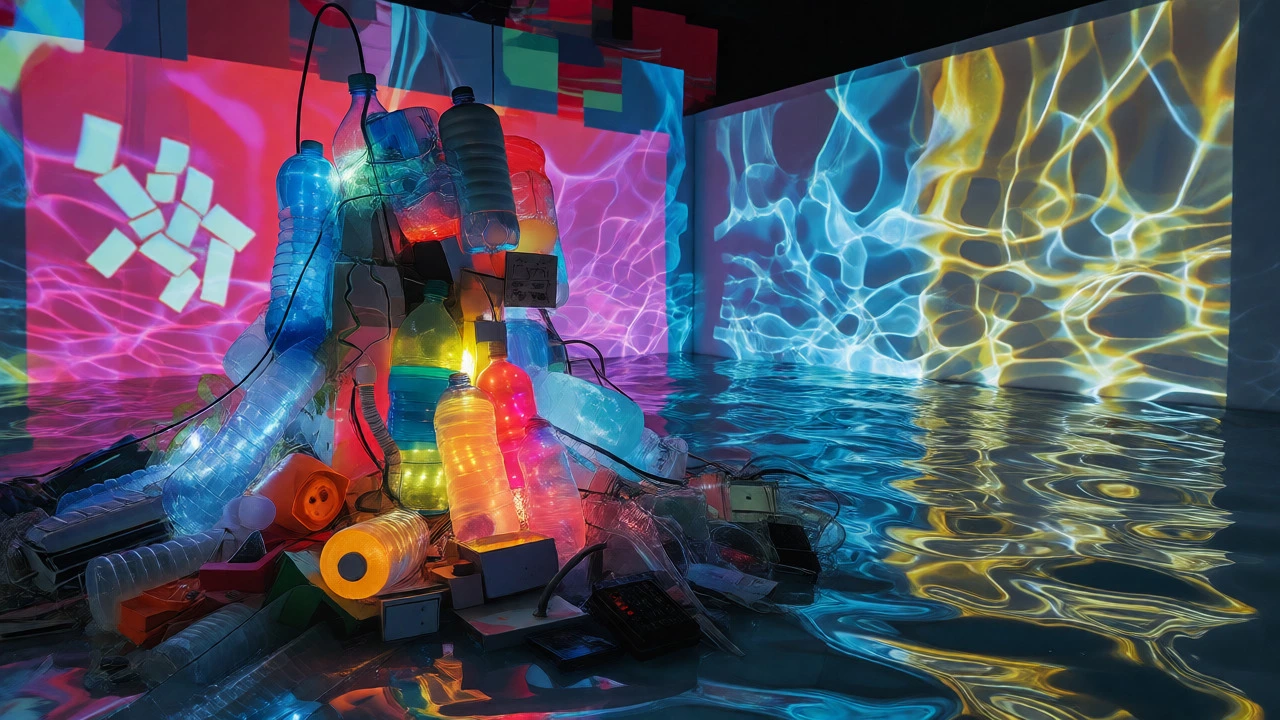
If you’re looking for oil on canvas, you might miss half of what’s happening. Contemporary art loves mixed media. Artists use whatever materials convey their message best. This could mean combining digital prints with physical trash, using neon lights in a dark room, or projecting video onto water.
- Installation Art: Instead of hanging a picture on a wall, the artist builds an environment you walk through. Olafur Eliasson’s weather projects are great examples where light and fog change your perception of space.
- Performance Art: The artwork is the action. Marina Abramović sitting silently for hours while strangers interact with her is a classic example. There is no permanent object left behind, only documentation.
- Digital and New Media: With tools like Adobe Photoshop, VR headsets, and AI generators, artists create works that exist purely as pixels. NFTs (Non-Fungible Tokens) recently pushed digital files into the mainstream conversation about ownership and value.
This variety means there is no unified color palette or brushstroke technique. One artist might paint hyper-realistic portraits, while their neighbor creates abstract sculptures from recycled plastic bottles. Both are contemporary. The common thread is the use of available technology and materials to comment on our current moment.
Key Characteristics You Can Spot
While styles vary wildly, certain traits consistently appear in contemporary work. Recognizing these helps you decode the vibe of a gallery quickly.
| Feature | Traditional/Classical Art | Contemporary Art |
|---|---|---|
| Primary Focus | Aesthetics, beauty, technical skill | Concept, message, social commentary |
| Materials | Oil, marble, bronze, watercolor | Mixed media, found objects, digital, performance |
| Viewer Role | Passive observer | Active participant or interpreter |
| Timeframe | Past centuries | Late 20th century to now |
| Goal | To depict reality or idealize form | To provoke thought or challenge norms |
Notice the shift in the viewer role. In traditional art, you stand back and admire. In contemporary art, you are often invited to step inside, touch something, or even become part of the piece. Banksy’s street art, for instance, relies entirely on its context-appearing overnight on a city wall changes how we view public space. Without that context, it’s just a stencil. With it, it’s a statement on authority and visibility.
Common Themes: What Are Artists Talking About?
Contemporary art acts as a mirror to society. Because it is created *now*, it deals with *now*. You will frequently encounter themes related to identity, globalization, climate change, and technology.
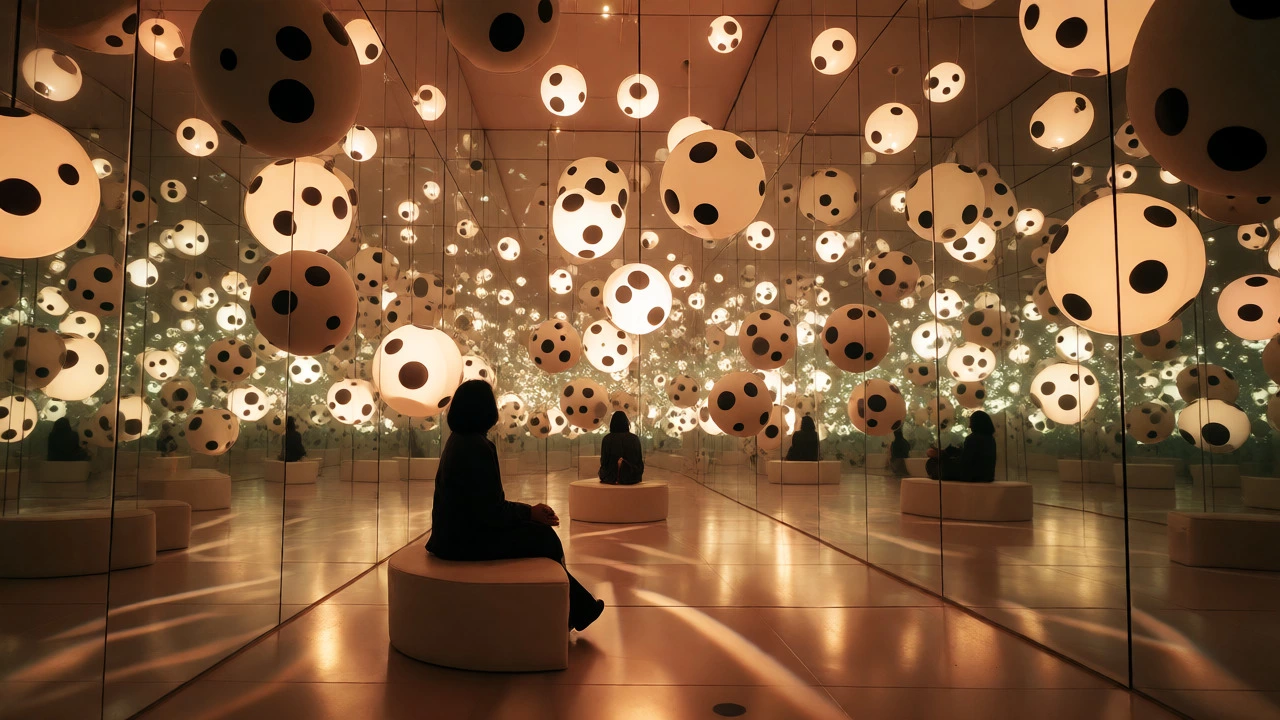
Take Ai Weiwei, for example. His work often uses traditional Chinese materials (like porcelain sunflower seeds) to critique political structures and human rights issues. Or consider Yayoi Kusama’s infinity rooms, which explore mental health and the dissolution of self. These aren’t just pretty patterns; they are visual essays on personal and collective experience.
Another huge trend is appropriation. Artists take existing images-from ads, history books, or pop culture-and remix them. Jeff Koons’ shiny balloon animals mimic mass-produced toys to question consumerism. By elevating a cheap object to museum status, he forces us to ask why we value what we value. This irony is a staple of the contemporary style.
How to Interpret It Without Feeling Stupid
Stop trying to find the "correct" meaning. There usually isn’t one. The artist provides a prompt; you provide the reaction. Here is a simple checklist for your next gallery visit:
- Read the Label First: Unlike old masters, contemporary pieces often rely on text for context. The title and artist statement are part of the work.
- Ask "Why Now?": How does this piece relate to current events or recent history? Is it commenting on social media, migration, or environmental collapse?
- Note Your Discomfort: If you feel weird, angry, or bored, write that down. That emotional response is data. Why did it trigger that feeling?
- Look for the Process: Did they make this by hand, code it, or assemble it? The method often reveals the message. Handmade items speak to labor; digital items speak to information overload.
Remember, ambiguity is intentional. Artists leave gaps so you can fill them with your own experiences. If two people walk away with completely different interpretations, the artwork worked.
Frequently Asked Questions
What is the main difference between modern and contemporary art?
The primary difference is time and intent. Modern art generally refers to works from the 1860s to the 1970s, focusing on experimenting with form and aesthetics. Contemporary art refers to art made from the late 20th century to the present, focusing more on conceptual ideas, social commentary, and diverse media rather than just visual style.
Why does contemporary art often look simple or unfinished?
Contemporary art prioritizes the concept over technical execution. An artist might choose simplicity or roughness to emphasize authenticity, critique perfectionism, or highlight the raw materials used. The value lies in the idea and the context, not necessarily in realistic rendering.
Can digital art be considered contemporary art?
Yes, absolutely. Digital art, including video installations, net art, and NFTs, is a major subset of contemporary art. Since it utilizes current technology and addresses modern themes like virtuality and data, it fits squarely within the contemporary definition.
Do I need an art degree to understand contemporary art?
No. While knowledge of art history helps, contemporary art is designed to engage the general public. Trust your instincts. If a piece confuses you, that reaction is part of the experience. Reading the artist's statement or talking to docents can bridge the gap without needing formal education.
Is street art considered contemporary art?
Yes, street art is a recognized form of contemporary art. Artists like Banksy and Shepard Fairey use public spaces to deliver immediate social and political messages, challenging the traditional gallery system and making art accessible to everyone.