Funeral Song Selection Guide
Finding the right music is a personal journey. Select the primary goal or personality trait that best describes the atmosphere you wish to create for the service.
Spiritual Peace
Focus on redemption, hope, and serenity.
Celebratory & Strong
Honoring a bold legacy and individuality.
Intimate & Loving
Emphasizing family bonds and gratitude.
Solemn & Formal
Pure, traditional, and deeply reflective.
Recommended Direction
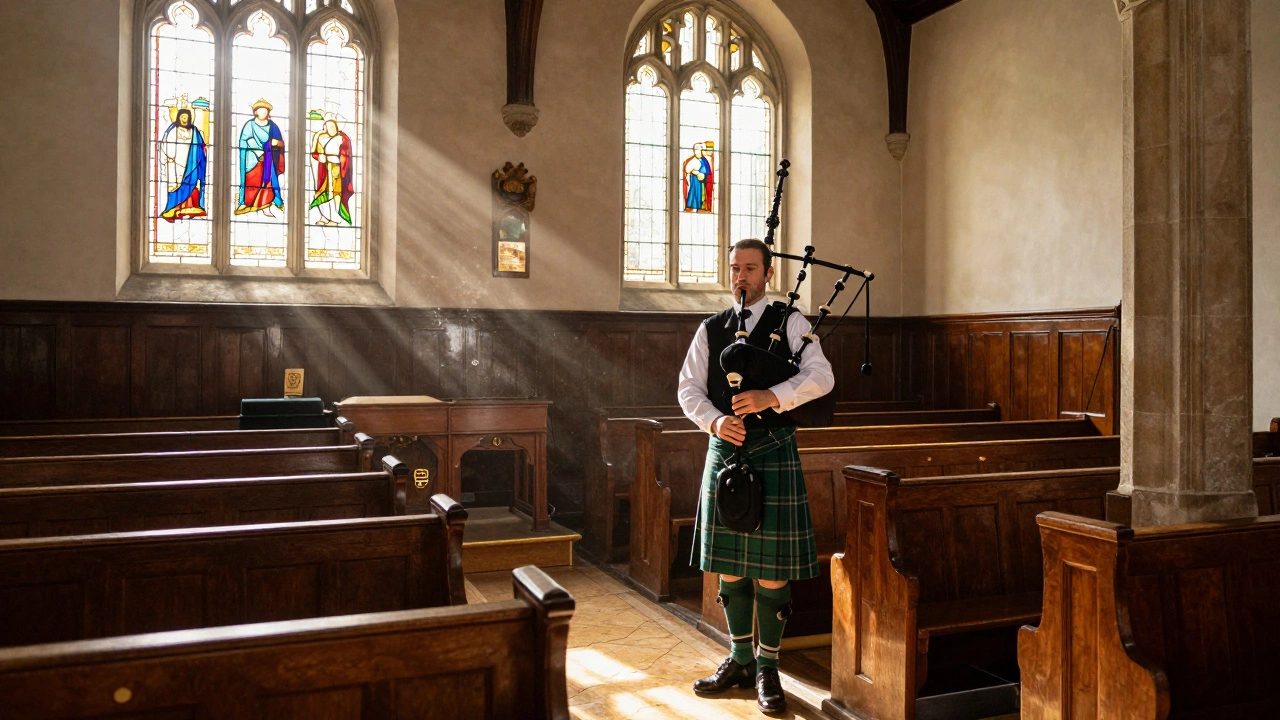
When we talk about the most requested funeral song, we are almost always talking about Amazing Grace. This 18th-century hymn written by John Newton has become the gold standard for memorial services. It's not just about the lyrics; it's about the feeling of redemption and the transition from struggle to serenity. Whether it's played on a pipe organ, sung by a gospel choir, or performed on a solo bagpipe, it hits a chord that transcends culture and religion.
Quick Guide to Popular Choices
| Song Title | Vibe | Best Use Case |
|---|---|---|
| Amazing Grace | Spiritual/Hopeful | Traditional services, processions |
| Wind Beneath My Wings | Gratitude/Love | Tribute slideshows |
| My Way | Celebratory/Strong | Life celebrations, unique personalities |
| Ave Maria | Solemn/Pure | Religious services, quiet reflection |
| Tears in Heaven | Heartbreaking/Intimate | Small family gatherings |
Why Amazing Grace Dominates the List
Why does one song stay relevant for centuries? It's the simplicity. The melody is easy to follow, and the lyrics focus on a journey from darkness to light. In a funeral setting, this mirrors the emotional journey the grieving family is taking. It doesn't demand a specific denomination of faith; it speaks to a general sense of peace. From the rural churches of the American South to the cathedrals of Europe, the structure of this hymn allows it to be adapted. You can slow it down for a mournful tone or speed it up for a celebratory "homegoing" service.
The Rise of Contemporary Tributes
While hymns hold the crown, modern music has carved out a huge space. Many families now opt for Wind Beneath My Wings by Bette Midler. If you look at the data from the 1990s and early 2000s, this song spiked because it shifts the focus from the deceased's death to the living's gratitude. It's less about "goodbye" and more about "thank you for supporting me." This is a huge shift in how we handle grief-moving from solemnity to a celebration of the bond between people.
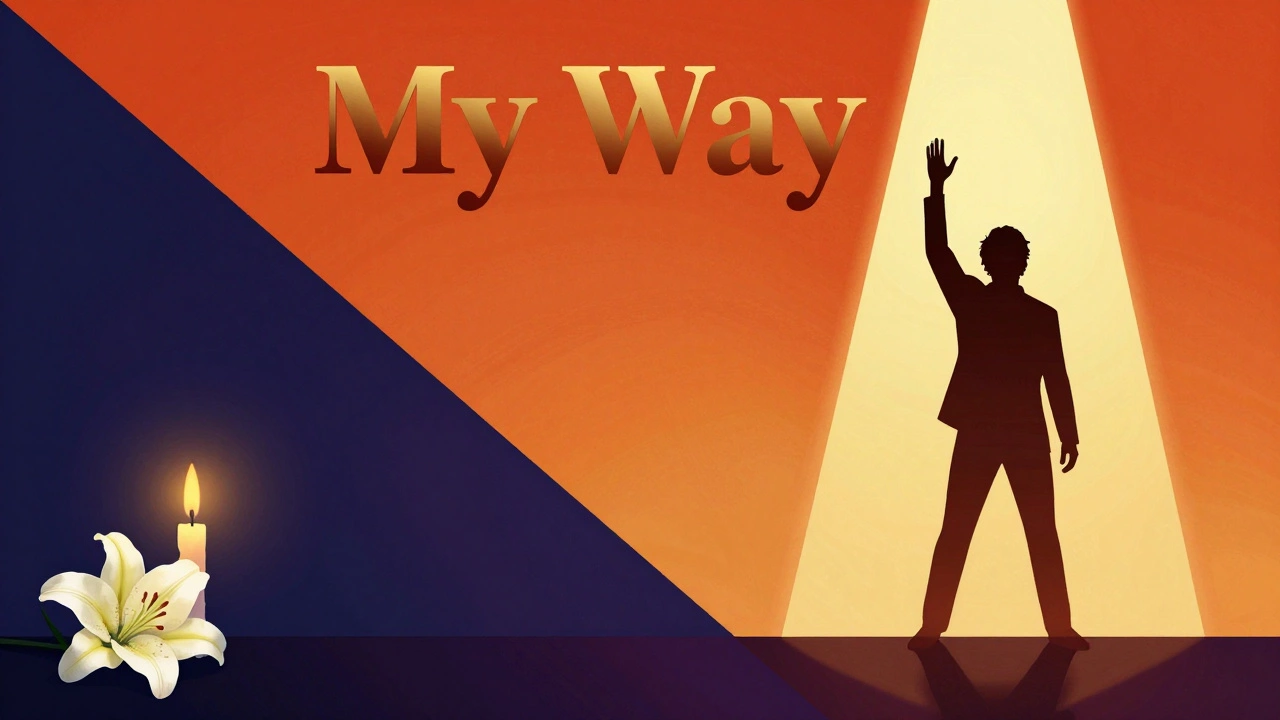
Then you have songs like My Way, famously performed by Frank Sinatra. This is the go-to for a "Celebration of Life" service. It’s a bold choice. Instead of mourning a loss, it celebrates a legacy. It tells the world that the person lived on their own terms. It's common for people to request this as their own exit song, ensuring the mood remains one of strength and individuality rather than just sadness.
Classical Pieces and Quiet Reflection
For those who find lyrics too restrictive, classical music offers a different kind of solace. Ave Maria is perhaps the most requested piece of sacred music. Whether it's the version by Franz Schubert or Bach/Gounod, its purity provides a sanctuary of sound. It allows the mourners to project their own emotions onto the music without being told how to feel by specific words.
We also see a lot of Adagio for Strings by Samuel Barber. This piece is practically shorthand for deep, cinematic grief. It doesn't try to cheer you up; it sits with you in the sadness. In a professional setting, this is often used during the moments of silence or during the final committal to the earth.
How to Choose the Right Song
If you're struggling to pick, stop looking at the "most requested" lists and start looking at the person. Music is deeply personal. Ask yourself: Did they have a favorite artist? Did they hum a specific tune while cooking? Sometimes the most "appropriate" song is actually the wrong one because it doesn't fit the person's spirit.
Here is a quick decision tree to help you navigate the choices:
- If the goal is spiritual peace: Go with a traditional hymn like Amazing Grace or Abide With Me.
- If the person was a rebel or a leader: My Way or a strong rock anthem they loved.
- If you want to emphasize a parent-child bond: Tears in Heaven or Slipping Through My Fingers.
- If the service is strictly formal: Stick to classical compositions or choral arrangements.
The Impact of Modern Streaming on Choices
The way we choose funeral music has changed because of platforms like Spotify and YouTube. Families are now creating "Memorial Playlists." This allows for a more diverse range of music. You might start with a solemn piece for the entrance, transition into a series of upbeat songs that the deceased loved during a photo montage, and end with a classic hymn for the exit. This hybrid approach recognizes that grief is complex-it's a mix of devastation and happy memories.
We're also seeing a trend toward "personalized' versions of classics. People are hiring musicians to rewrite lyrics of a favorite pop song to make it about their loved one. This moves the music from a generic "top requested" category into a one-of-a-kind tribute. It turns a standard service into an intimate experience.
Common Pitfalls to Avoid
One mistake people make is choosing a song that is *too* heartbreaking. While it's okay to cry, a service filled with nothing but devastating ballads can leave guests feeling emotionally exhausted. Balance is key. Pairing a heavy song with something hopeful prevents the atmosphere from becoming overwhelming.
Another issue is the length of the song. A six-minute epic might be great on an album, but in a ceremony, it can feel like it's dragging. If a song is too long, don't be afraid to ask the audio technician to fade it out early or have the musician play a shortened version. The timing of the music should match the movement of the service, not the original recording of the track.
Can I play a song with explicit lyrics at a funeral?
It depends entirely on the venue and the family's wishes. In a traditional church, it's usually a no. However, in a modern celebration of life or a private home service, playing a song the person loved-even with a few curse words-can be a powerful way to honor their authentic self. Just be mindful of the guests and consider an edited version if children are present.
What is the best song for a funeral slideshow?
The best song for a slideshow is usually one that evokes nostalgia without being purely depressing. "Wind Beneath My Wings" and "What a Wonderful World" are perennial favorites because they celebrate life and love. If the slideshow is chronological, consider starting with something light and ending with something more reflective.
Should I hire a live musician or use a recording?
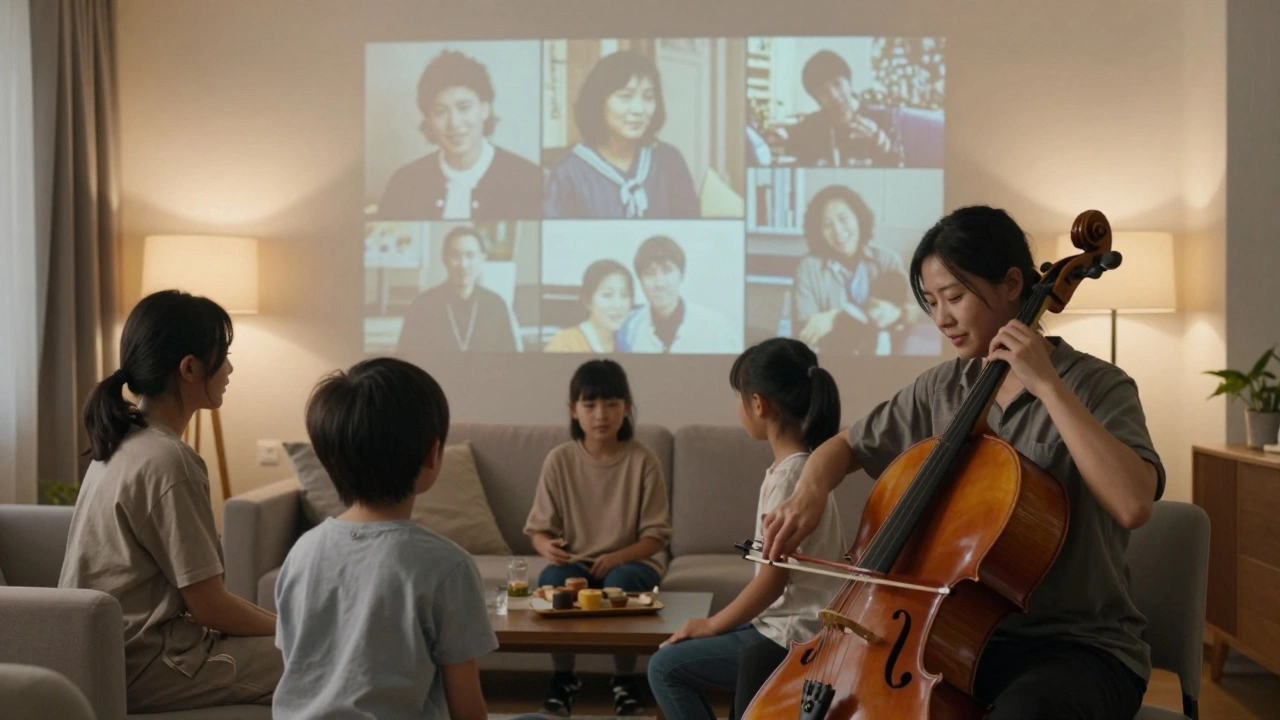
Live musicians, such as a harpist or a cellist, bring an emotional depth and flexibility that recordings can't match. They can adjust the tempo based on the mood of the room. However, recordings are safer if the song requires a specific singer's voice or a full orchestra that isn't available. Many families use a mix: live music for the entrance and exit, and recordings for the tributes.
Is there a "wrong" song to play at a funeral?
Generally, avoid songs that are too ironic, overly aggressive, or completely disconnected from the person's life unless it was a specific request by the deceased. The only truly "wrong" song is one that causes unnecessary distress to the immediate family or contradicts the spirit of the service.
How many songs are too many for one service?
For a standard 60-minute service, 3 to 5 songs are usually sufficient. Typically, you'll have one for the processional, one or two during reflections or a slideshow, and one for the recessional. Overloading the service with music can make it feel more like a concert than a memorial.
Next Steps for Planning
If you're currently planning a service, start by making a list of the deceased's favorite genres. If they loved jazz, maybe a soft instrumental version of a standard would work better than a hymn. Once you have a few options, listen to them in the context of the service-play them back-to-back to see if the flow feels right. Finally, coordinate with your funeral director or the venue's audio lead to ensure the sound quality is clear and the transitions are smooth. This ensures the music supports the emotion of the day rather than distracting from it.