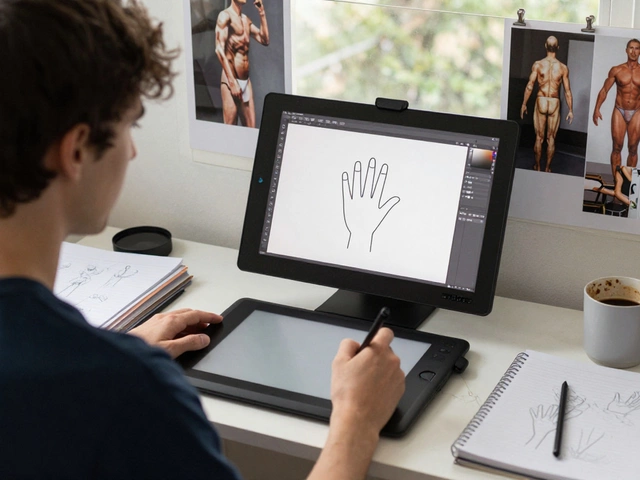
Most artists think they need a gallery representative to make a living from their work. That is a myth that keeps talented creators broke and dependent on gatekeepers who take thirty percent of every sale. You can build a sustainable career by selling your art directly to collectors. It requires treating your creativity like a small business, but the rewards are higher margins, direct relationships with buyers, and total control over your brand.
Selling independently means you handle everything from pricing to shipping. It sounds daunting if you only want to paint or sculpt, but ignoring the business side guarantees financial instability. The goal is not to become a corporate executive overnight. It is about mastering a few key skills that allow your art to reach people who actually love it.
Setting Up Your Online Storefront
Your website is your primary shop window. In 2026, social media algorithms change weekly, making rented platforms like Instagram or TikTok unreliable for long-term sales. You need a place you own. This is where an e-commerce platform becomes essential.
You have two main paths here. You can use a dedicated artist marketplace like Etsy is a global marketplace focused on handmade and vintage items. It brings built-in traffic but charges listing fees and transaction costs that eat into profits. Alternatively, you can build a standalone site using tools like Shopify or Squarespace. These cost more upfront but give you full branding control and keep customer data private.
If you choose a standalone site, keep it simple. Visitors should find three things immediately: your best work, your prices, and a way to buy. Do not hide contact forms behind layers of navigation. Use high-resolution images with natural lighting. Show scale by including photos of the art in a room setting. Collectors struggle to visualize how a piece fits in their home without context.
- Photography: Shoot in daylight near a window. Avoid flash which creates harsh reflections on canvas or glass.
- Pricing Display: List prices clearly. Hiding them forces potential buyers to email you, which kills impulse purchases.
- Checkout Process: Enable guest checkout. Forcing account creation increases cart abandonment rates significantly.
Pricing Your Work Correctly
Pricing is the hardest part for most independent artists. Many underprice out of insecurity or overprice based on emotional attachment rather than market reality. You need a formula that covers your costs and provides a fair wage for your labor.
A common method is the square inch calculation. Multiply the height by the width of the piece to get the total square inches. Then multiply that number by a base rate per square inch. Add the cost of materials and double that amount to account for labor and overhead. This gives you a minimum viable price. From there, adjust based on your reputation, demand, and complexity of the work.
Do not lower prices just because something isn't selling. Instead, analyze why. Is the marketing wrong? Is the audience mismatched? Discounting devalues your entire body of work. If you offer discounts, do it through limited-time promotions or bundles, never as a permanent reduction.
| Factor | Description | Impact on Price |
|---|---|---|
| Materials Cost | Cheap vs. archival supplies | Baseline floor |
| Time Spent | Hours worked at hourly wage | Labor value |
| Size | Physical dimensions | Space occupied |
| Rarity | One-of-a-kind vs. print run | Scarcity premium |

Building an Email List
Social media followers are volatile. An email list is an asset you own. When you sell independently, you must nurture leads until they are ready to buy. Most people will not purchase art on first sight. They need to see your process, hear your story, and trust your professionalism before handing over hundreds or thousands of dollars.
Offer a lead magnet to encourage sign-ups. This could be a free digital wallpaper, a behind-the-scenes look at a recent series, or a discount code for your next drop. Use an email service provider like Mailchimp or ConvertKit to automate welcome sequences.
Send newsletters consistently, perhaps once a month. Share new works, upcoming exhibitions, or personal insights. Keep the tone conversational. People buy from artists they feel connected to. Highlight the stories behind specific pieces. Why did you create this? What emotion were you chasing? Context adds value beyond the visual appeal.
Shipping and Logistics
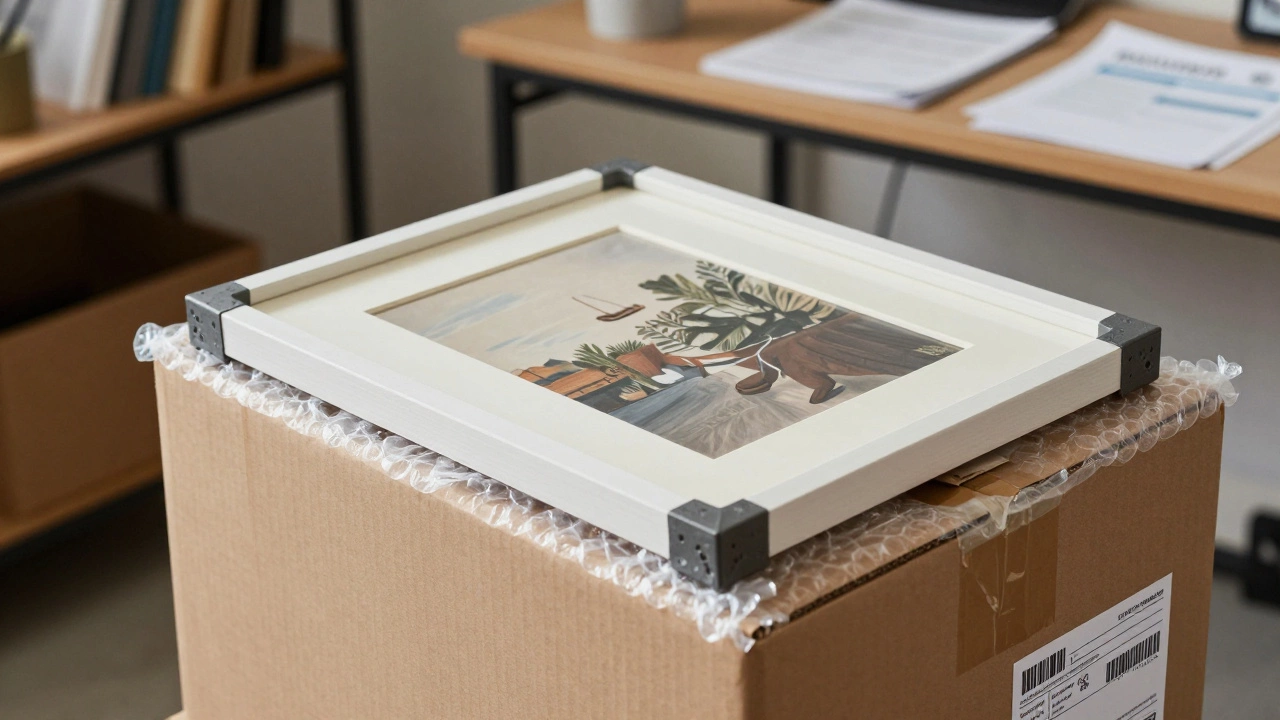
Nothing ruins a relationship with a collector faster than damaged artwork arriving at their door. Packaging must be robust. For paintings, use corner protectors and bubble wrap. Seal the package with strong tape. For sculptures, custom foam inserts may be necessary. Always insure shipments over a certain value, typically $100 or more.
Calculate shipping costs accurately. Weigh packages after packing them completely. Use carrier calculators from UPS, FedEx, or local postal services to determine exact rates. Offer flat-rate shipping for smaller items if it simplifies the math, but ensure it doesn't result in losses. Provide tracking numbers automatically upon shipment. Transparency reduces anxiety for the buyer and support tickets for you.
Networking and Local Presence
While online sales dominate, local connections still matter. Attend art walks, open studios, and community events. Meet other artists, curators, and potential collectors face-to-face. Word of mouth spreads quickly in tight-knit art communities.
Consider pop-up shops or collaborations with local businesses. Partnering with a café or boutique allows you to display work in a low-risk environment. You split sales or pay a small fee for space. This exposes your art to foot traffic that might never visit your website. Collect business cards and follow up with interested parties via email later.
Tax and Legal Basics
Selling art independently makes you a taxpayer. Keep records of all income and expenses. Deductible expenses include materials, website hosting, advertising, studio rent, and even a portion of home utilities if you work from home. Consult a tax professional familiar with creative industries to set up proper accounting systems early. Ignoring taxes leads to penalties that can wipe out years of profit.
Protect your intellectual property. Register copyrights for major works if feasible. Include clear terms of service on your website regarding returns, refunds, and usage rights. Specify whether buyers receive reproduction rights or just physical ownership. Clarity prevents disputes down the line.
How much should I charge for my art?
Start with a formula that includes material costs plus labor. A common approach is multiplying the square inches of the piece by a base rate (e.g., $1-$5 per square inch) and adding material costs. Adjust based on your experience level and market demand. Never price below your calculated minimum.
Is Etsy better than a standalone website?
Etsy offers immediate access to buyers searching for handmade goods, which helps beginners gain traction. However, it charges fees and limits branding control. A standalone website builds long-term equity and keeps customer data. Many successful artists use both: Etsy for discovery and their own site for repeat customers.
How do I ship large paintings safely?
Use rigid cardboard tubes for unframed canvases if possible. For framed pieces, construct a wooden crate or use heavy-duty boxes with ample padding. Corner protectors are essential. Wrap the entire package in plastic to protect against moisture. Always insure valuable shipments and require signature confirmation upon delivery.
Do I need a gallery to be taken seriously?
No. Many contemporary collectors value direct relationships with artists. Galleries provide prestige and networking, but they also take significant commissions. Building a strong online presence and consistent output can establish credibility without traditional representation. Focus on quality and professionalism in all interactions.
What taxes apply to selling art?
You must report all sales income. Depending on your location, you may owe income tax and sales tax/VAT. Keep detailed records of business expenses like materials, software subscriptions, and travel to deduct from taxable income. Consult a local accountant to understand specific regulations in your region.