Photography Intent Analyzer
Analyze your image: Select the statement that best describes your approach or the image you are viewing.
The Record
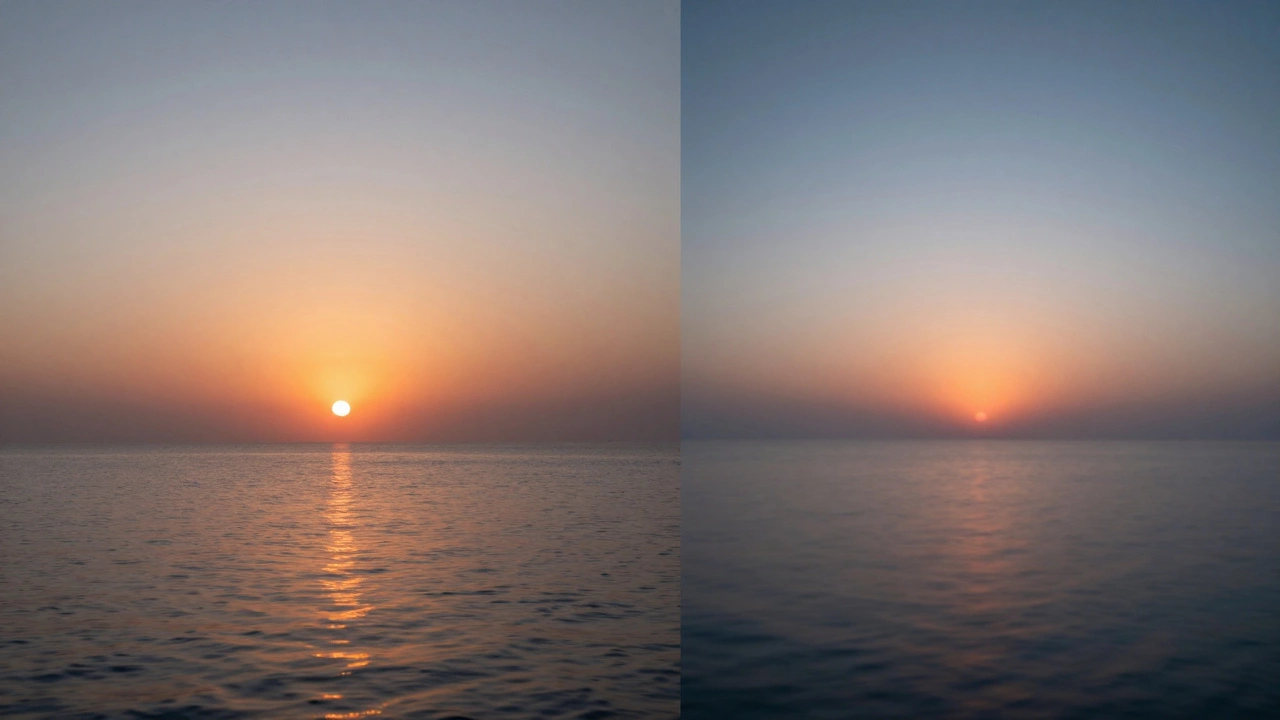
"I want to capture exactly what happened so others can see it clearly."
DocumentationThe Vision
"I want to use this scene to express a feeling or a conceptual idea."
Fine ArtKey Distinctions:
Most people think the difference is just about the quality of the camera or the skill of the person holding it. But the real split isn't about technical perfection-it's about why the photo was taken in the first place. One seeks to answer 'What happened?' while the other asks 'How does this feel?' or 'What does this mean?'
The Core Intent: Documentation vs. Expression
At its simplest, regular photography is about capturing a reality that already exists. Think of a wedding photo, a news report from a disaster zone, or a picture of your lunch. These are documentary in nature. The goal is clarity, accuracy, and the preservation of a specific event. If you're hiring a photographer for your corporate headshots, you don't want them to 'express their inner turmoil'-you want a sharp, professional image of your face.
Now, consider fine art photography is a discipline where the photographer uses the camera as a tool to create an image that reflects a personal vision or a conceptual idea. In this world, the subject matter is often secondary to the message. A fine art photographer might take a photo of a plain white wall, but they aren't trying to show you a wall; they are trying to evoke a feeling of isolation, minimalism, or sterility. The image isn't a window to the world; it's a mirror of the artist's mind. When you look at a piece of fine art, you aren't asking if the colors are "accurate" to real life. You're asking what the artist wanted you to feel. This shift from objective recording to subjective expression is the fundamental line in the sand. If the image's primary value is the information it conveys, it's regular photography. If its value is the emotion or concept it provokes, it's fine art. In commercial or regular photography, the client usually drives the vision. A brand tells a photographer, "Make this shoe look fast and exciting," and the photographer uses their skills to achieve that specific result. The photographer is a highly skilled technician providing a service. In fine art, the photographer is the client. They start with a concept-perhaps an exploration of grief, the passage of time, or the geometry of urban decay-and then they figure out how to use light, shadow, and composition to bring that idea to life. This often involves a heavy amount of planning and a very specific Conceptual Art an art movement where the idea behind the work is more important than the finished object itself approach. They might spend months studying a single location or manipulating a scene to fit a vision that doesn't actually exist in nature. Think about Ansel Adams a legendary American photographer known for his black-and-white landscapes of the American West. While his photos look like 'regular' nature shots, his use of the Zone System-a technical way of controlling exposure and contrast-transformed landscapes into dramatic, emotional experiences. He wasn't just recording mountains; he was sculpting them with light to express the grandeur of the wilderness. That's the difference between a snapshot and a masterpiece.
There is a common misconception that fine art photography is just "photos with heavy filters." In reality, the technical approach is often opposite to commercial work. In regular photography, the goal is usually a "perfect" image: sharp focus, correct white balance, and a balanced exposure. Any "artifacts" like motion blur or grain are usually seen as mistakes. In fine art, those "mistakes" become tools. An artist might use a slow shutter speed to create a ghostly blur that represents the fleeting nature of memory. They might intentionally underexpose a shot to create a mood of mystery or dread. The post-processing stage isn't about "fixing" the photo to make it look real; it's about refining the image to match the internal vision. While a journalist uses Adobe Lightroom a professional photo editing software used for color grading and exposure adjustment to make a scene look as natural as possible, a fine art photographer might use it to completely shift the color palette to an unnatural hue to evoke a specific psychological response. The tool is the same, but the goal is opposite: one aims for truth, the other for a specific truth created by the artist. Where a photo lives changes how we perceive it. Regular photography is consumed in bursts: on Instagram feeds, in newspapers, or in digital albums. It is designed for quick consumption. The medium (a screen or a glossy magazine page) is a vehicle for the information. Fine art photography is deeply tied to its physical presence. The choice of paper-whether it's a heavy matte archival rag or a metallic finish-is a conscious artistic decision. The scale of the print matters. A tiny 4x6 photo of a forest is a memento; a 6-foot-wide print of that same forest becomes an immersive environment that swallows the viewer. The context of a Art Gallery a space dedicated to the exhibition of visual art, often curated to provide a neutral background for the work also plays a huge role. When you see an image framed and hung with a title and an artist's statement, you are being told to slow down and interpret. You are no longer looking for "the event," but for "the meaning." This is why a photo of a random street corner in New York can be a regular photo in a travel brochure, but a piece of fine art when displayed in a white-cube gallery with a title like "The Silence of the City."
It's tempting to put fine art on a pedestal and look down on regular photography as "just taking pictures," but that's a mistake. Both require immense skill, just different kinds. A world-class photojournalist capturing a war zone needs an incredible eye for timing and composition, and their work often crosses into fine art because of the raw emotion it evokes. Conversely, a fine art photographer who doesn't understand the basic rules of light and shadow will struggle to communicate their vision. The real question isn't which is better, but what you want from the image. If you want to remember what your kids looked like at age five, you want regular photography. If you want to ponder the relationship between humanity and nature, you look for fine art. Many photographers actually dance between both worlds, spending their days shooting commercial weddings to pay the bills and their nights working on a conceptual series about loneliness for a gallery show. The most interesting work often happens in the grey area. Think of Street Photography a genre of photography that records everything that happens on the street, often candidly. A street photo of a man walking his dog is regular photography. But if that photo is framed to highlight the loneliness of the urban environment and becomes part of a series on city isolation, it has transitioned into fine art. The difference isn't in the shutter click; it's in the intention and the curation. If you want to move from being a "taker of pictures" to an artist, stop asking "Does this look good?" and start asking "What does this say?" The next time you go out with your camera, pick a theme. Instead of shooting "the beach," shoot "the feeling of being small." This forces you to look for shapes, colors, and compositions that evoke that feeling, rather than just looking for a pretty sunset. Experiment with breaking the rules. Try intentional camera movement (ICM) by shaking your camera during a long exposure to turn a landscape into an abstract wash of color. Play with extreme contrast to create a mood of tension. When you stop trying to make the photo "accurate" and start making it "expressive," you are stepping into the realm of fine art. Ultimately, the difference is about the conversation. Regular photography tells you a story about the world. Fine art photography starts a conversation about a concept. One is a period at the end of a sentence; the other is a question mark that lingers long after you've walked away from the frame. Yes. The transition usually happens through curation and context. A single snapshot of a street scene is a record, but when that photo is placed within a curated series with a specific theme and displayed in a gallery, it is framed as fine art. The intent shifts from "this is what I saw" to "this is what I mean." Not at all. While many fine art photos are abstract, many are incredibly realistic. The "art" part comes from the concept and the vision, not necessarily the style. A hyper-realistic portrait can be fine art if it is intended to explore a specific theme, like the fragility of old age or the burden of leadership. No. Because fine art is about the idea and the vision, the gear is secondary. Some of the most famous fine art photographers have used basic film cameras or even early digital point-and-shoots. While high-quality printing requires a good file, the actual capture is more about your eye and your concept than the price of your lens. No. Most professional photography is commercial. A fashion shoot for Vogue or a product shoot for Apple is professional and requires immense skill, but the goal is to sell a product or a lifestyle. Unless the photographer is using the project to explore a personal artistic concept, it is commercial photography, not fine art. Regular photography is usually priced by time or per project (e.g., hourly rates for a wedding). Fine art is priced based on the artist's reputation, the rarity of the print (limited editions), and the size of the work. You aren't paying for the time it took to click the shutter, but for the intellectual property and the artistic value of the vision.The Role of the Artist's Vision
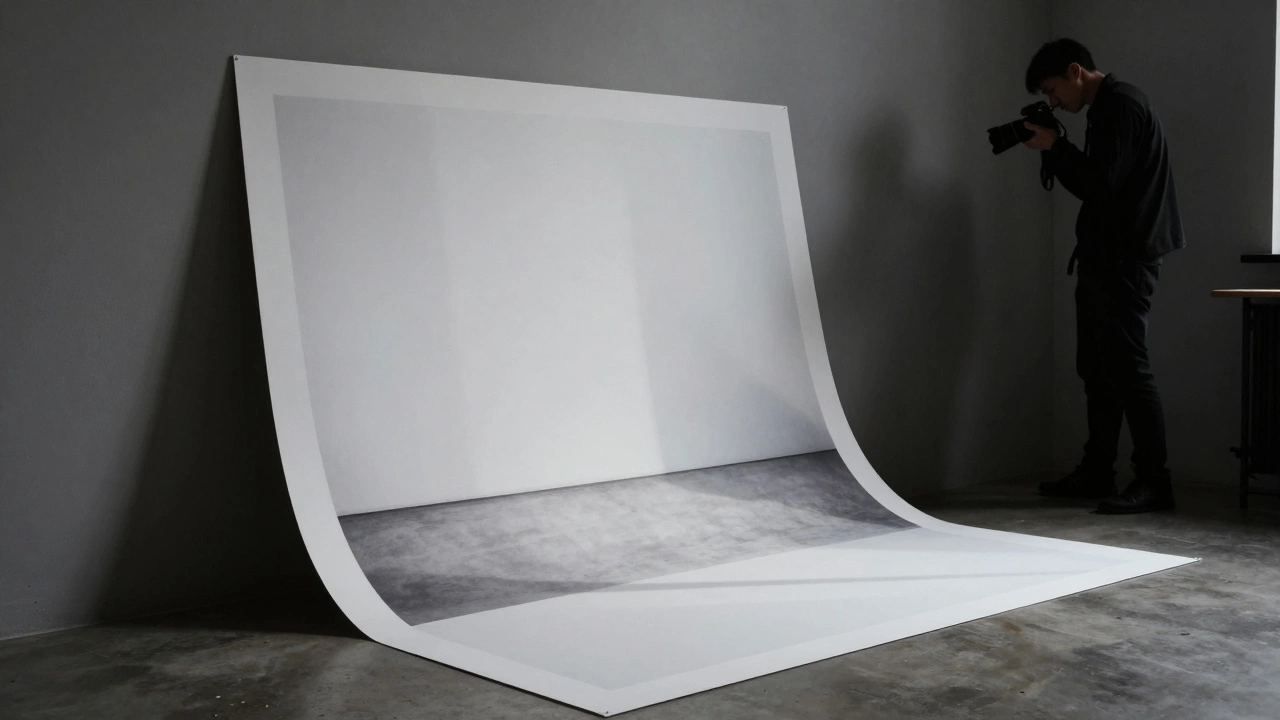
Technical Execution and Post-Processing
Medium, Presentation, and Context
Feature
Regular / Commercial Photography
Fine Art Photography
Primary Goal
Documentation, storytelling, or sales
Personal expression and conceptual exploration
Who Directs?
The client or the event
The artist
Success Metric
Accuracy, clarity, and appeal
Emotional impact and conceptual depth
Technical Approach
Avoiding errors (blur, noise, etc.)
Using "errors" as creative tools
Consumption
Digital feeds, magazines, albums
Galleries, museums, limited edition prints
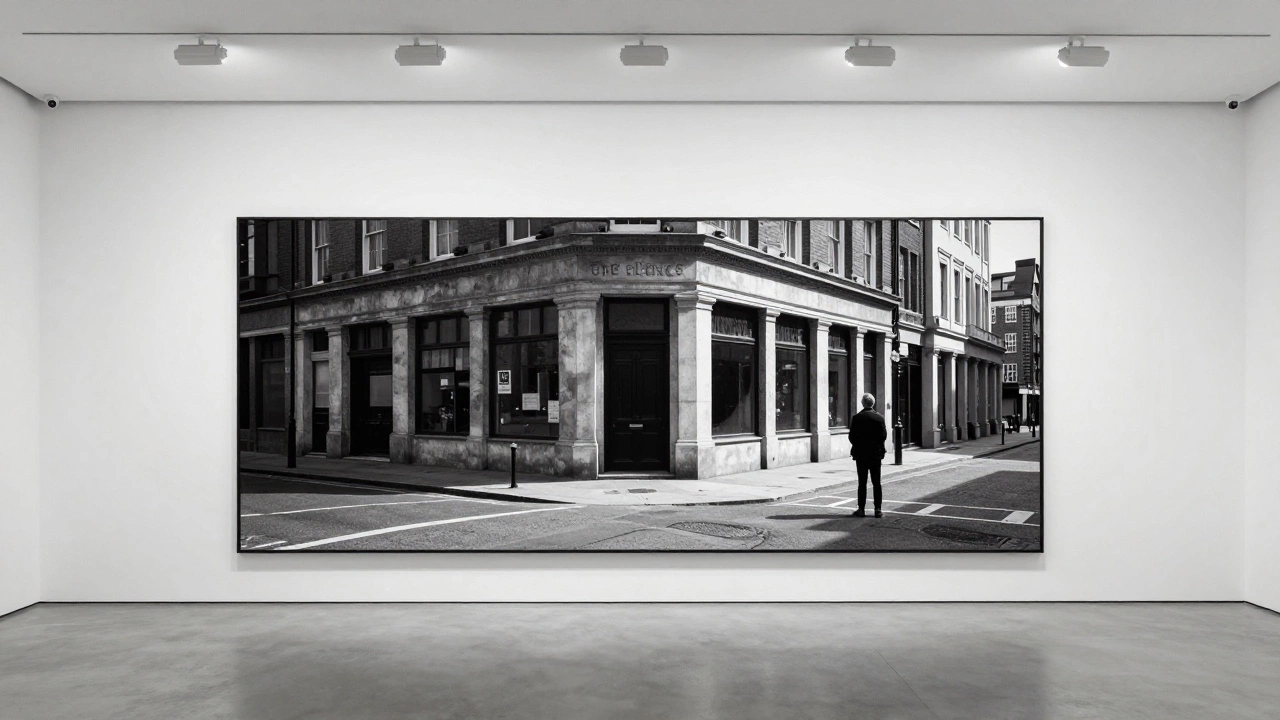
Is One Better Than the Other?
How to Start Seeing Photos as Art
Can a regular photo become fine art?
Does fine art photography have to be abstract?
Do you need expensive gear for fine art photography?
Is all professional photography considered fine art?
How do I price fine art photography compared to regular photography?