LA Venue Matcher
Not sure where to go? Select the options that best describe your ideal night out, and we'll suggest the best type of venue for you.
Your Best Bet:
Select options above to get a recommendation.
Quick Guide to LA Venues
- Stadiums: Best for global superstars and massive pyrotechnics.
- Amphitheaters: Ideal for summer nights and a more relaxed atmosphere.
- Theaters/Arenas: The sweet spot for mid-to-large tours and great acoustics.
- Intimate Clubs: Where you go to discover the next big thing before they hit the charts.
The Heavy Hitters: Stadiums and Massive Arenas
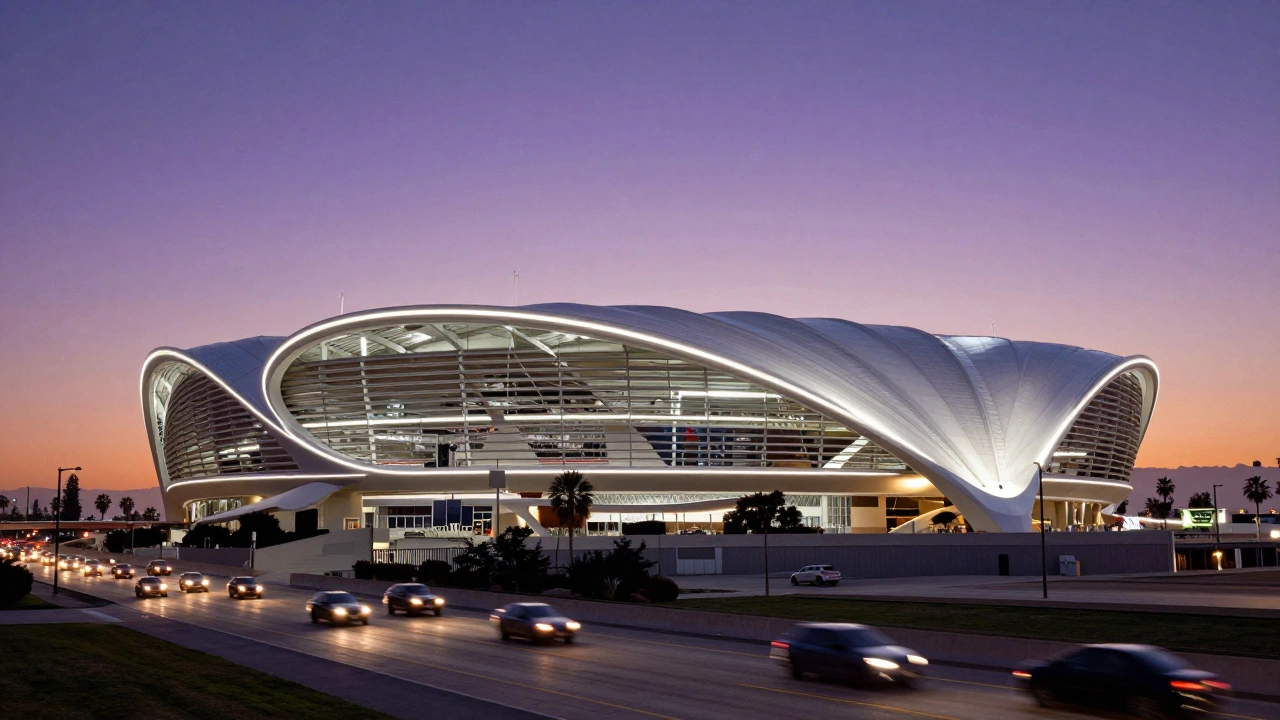
When a name like Taylor Swift or Beyoncé comes to town, they don't just need a stage; they need a city block. In Los Angeles, that usually means heading to the 405. SoFi Stadium is a state-of-the-art multipurpose stadium in Inglewood designed for both NFL games and massive entertainment events. With its sweeping canopy roof and a 4K haloscope screen, it's basically a giant computer you can sit inside. If you're going here, forget about driving unless you have a pre-paid permit; the traffic in Inglewood during a sold-out show is legendary for all the wrong reasons.
Then there is The Kia Forum, located just down the street from SoFi. Unlike the stadium, the Forum is a dedicated indoor arena. It's’ historically significant-thousands of legendary sets have happened here. Because it's smaller than a stadium, the sound doesn't bleed as much, and you're more likely to actually see the artist's face without needing binoculars.
For those who prefer the downtown vibe, Crypto.com Arena (the former Staples Center) remains the hub for major tours in the city center. It's convenient if you're staying at a hotel in DTLA, but be warned: the surrounding parking lots are a chaotic maze of concrete and security guards.
The Magic of Open-Air Music
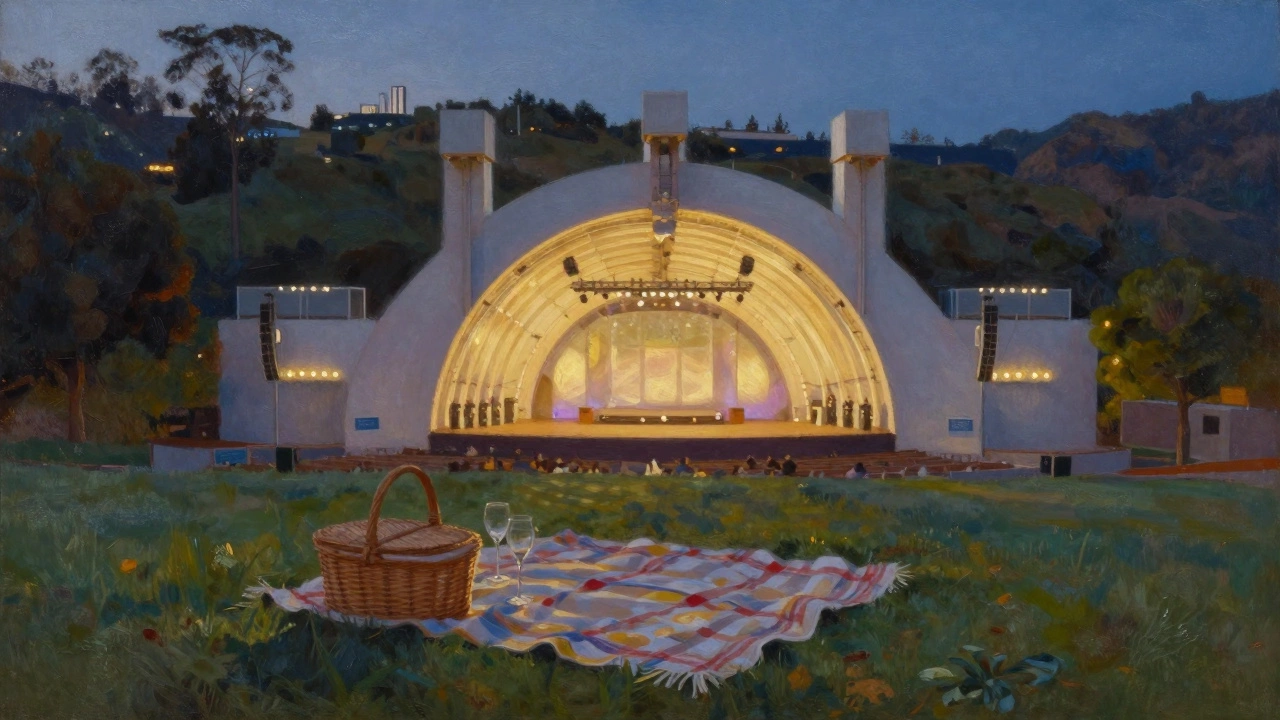
There is something about the California air that makes music sound better, and no one knows this better than the Hollywood Bowl. an iconic outdoor amphitheater located in the foothills of the Santa Monica Mountains. It's not just a concert; it's a ritual. People bring their own picnic baskets and wine, lounging on blankets while waiting for the lights to dim. The acoustics are surprisingly sharp for an open space, though the climb up the steep seats can feel like a workout.
If you're looking for something more modern and centered around a festival feel, The BMO Stadium serves as a great mid-sized outdoor option. It's essentially the home of LAFC but hosts a rotating door of indie and pop acts during the summer. It lacks the history of the Bowl but offers a much more energetic, "standing-room-only" atmosphere for those who can't sit still.
| Venue Type | Capacity | Vibe | Best For... |
|---|---|---|---|
| Stadium | 70,000+ | Spectacle | Global Icons |
| Amphitheater | 17,000+ | Relaxed/Scenic | Classic Rock & Jazz |
| Arena | 15,000-20,000 | High Energy | Pop & Hip Hop Tours |
| Club | 200-3,000 | Intimate/Gritty | Indie & Emerging Artists |
The Heart of the Scene: Mid-Sized Theaters
If you want a professional production without the 70,000-person crowd, the theaters are where you'll spend most of your time. The Greek Theatre is a hidden gem in the Griffith Park forests. It’s smaller than the Bowl and feels more like a secret garden. Because the audience is wrapped around the stage, you feel like you're part of the performance rather than just watching it from a mile away.
Then we have the legendary The Wiltern. This Art Deco masterpiece on Wilshire Boulevard is practically a temple of sound. The architecture is stunning, and the room is designed in a way that carries the bass right into your chest. It's the kind of place where a touring band's setlist often changes because the energy of the room is so specific.
For those who prefer a more modern, flexible space, The Fonda Theatre in Hollywood offers a mix of a seated theater and a dance floor. It's a great spot for those transition artists-too big for a dive bar, too small for an arena-who need a high-quality sound system but still want to see the sweat on the singer's brow.
Where the Underground Lives: Clubs and Dive Bars
To find the real pulse of Los Angeles concert venues, you have to leave the stadiums behind and head to neighborhoods like Silver Lake, Echo Park, and the Arts District. This is where the "scouting" happens. The Troubadour is the gold standard here. It's a tiny room that has hosted everyone from Elton John to the Foo Fighters before they were famous. It’s small, it’s crowded, and the history is thick in the air. If you get a ticket here, you're basically touching the stage.
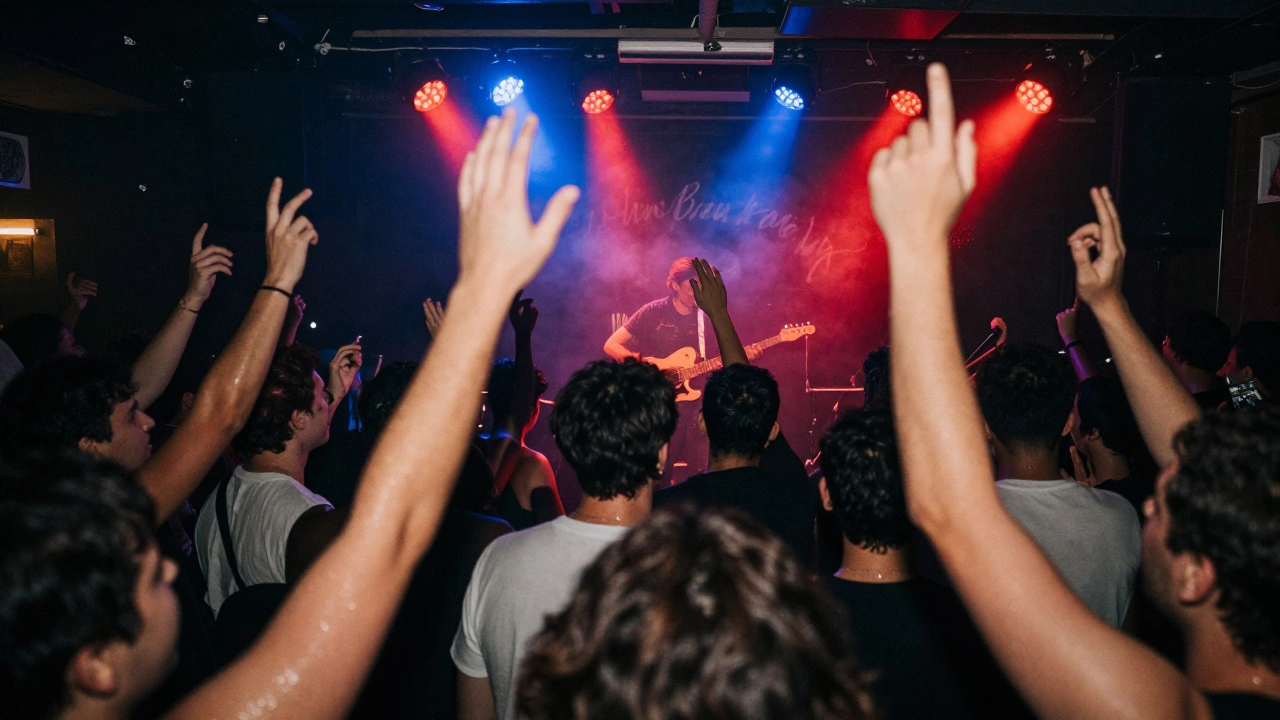
For something with a bit more grit, The Echo in Echo Park is where you go to hear a band that might be huge in two years. The room is a rectangle of raw sound and flashing lights. There's no fancy catering or VIP lounges; it's just music, beer, and a crowd of people who actually know the B-sides of the album.
If you're into a more industrial, warehouse vibe, the Arts District has several pop-up spots and smaller venues that shift their identities every few months. These spaces are often converted factories, meaning the ceilings are high and the sound echoes in a way that suits electronic music and experimental noise perfectly.
Survival Tips for the LA Music Goer
Going to a show in LA is a tactical operation. The biggest mistake newcomers make is underestimating the distance. If your concert is at the Hollywood Bowl, do not assume you can park in the lot. You'll spend three hours in a line of cars that isn't moving. Instead, look into shuttle services from remote lots or use a ride-share app, though be prepared to pay a premium for the "drop-off' zone.
Dress code varies wildly. At the The Wiltern, you might see people in cocktail attire, while at The Echo, you'll be in a t-shirt and sneakers. A good rule of thumb? When in doubt, go casual. LA is a city of comfort. Also, check the venue's bag policy. Most of the bigger spots now require clear bags, and they will send you all the way back to your car if you have a leather backpack.
Timing is everything. If a show starts at 8:00 PM, that usually means the opening act starts at 8:00 PM. If you want a good spot at a club show, you need to be in line an hour before the doors even open. For the stadiums, getting there early is less about the music and more about the security lines, which can stretch around the building during major events.
Which LA venue has the best acoustics?
It depends on the genre. For orchestral or folk music, the Hollywood Bowl and the Greek Theatre offer a natural, open-air sound that is hard to beat. For rock and pop, The Wiltern is widely praised for its balanced internal acoustics and punchy bass.
Are there any free concert venues in Los Angeles?
While most major venues charge for tickets, the Grand Park in DTLA and various piers in Santa Monica often host free community events and festivals. Additionally, many smaller bars in Silver Lake have "no-cover" nights for local musicians.
How do I find smaller, underground shows?
Check local listings for venues like The Echo or The Troubadour. Following local LA music blogs and Instagram pages for the Arts District scene is also a great way to find pop-up warehouse shows that aren't listed on Ticketmaster.
What is the best way to get to SoFi Stadium?
Rideshare is the most common, but be prepared for massive surge pricing. The most stress-free way is often using the official park-and-ride shuttles provided by the venue, which pick up from various points across the city.
Can I bring food into the Hollywood Bowl?
Yes, bringing your own picnic is a huge part of the Hollywood Bowl tradition. Just make sure you check the current rules on alcohol and glass containers, as these are often restricted for safety reasons.
What to do next
If you're planning a trip, start by mapping out your venues. If you have three shows in three different neighborhoods, leave at least four hours between them to account for traffic. For the first-timers, I'd suggest pairing a big stadium show with a small club visit. It gives you a full picture of why LA is the music capital of the world-the scale of the spectacle and the intimacy of the underground.