Art Print vs. Regular Print Advisor
Tell Us About Your Needs
Fill out the form to see which print type suits your needs best.
Type
Quick Verification Checklist
Click items to check if they apply to your current purchase:
- Acid-free / Cotton Rag Paper
- Pigment-based Inks (Archival)
- Signed & Numbered Edition
- UV-Protective Glass/Framing
Note: "Art Prints" use archival materials (pigment ink, acid-free paper) lasting 75+ years. "Regular Prints" use dye inks and wood pulp, fading in 3-10 years.
You walk into a big-box store or scroll through an online marketplace, see a stunning image of a landscape or a portrait, and think, "I want that." It’s cheap, it’s framed, and it looks great on the wall. But then you visit a gallery or browse a specialized art site, and the same image costs ten times more. Why? The difference usually comes down to one specific term: art print. While they might look identical from across the room, an art print and a regular commercial print are fundamentally different products in terms of how they’re made, what they’re made of, and how long they’ll last.
If you’re decorating your home or looking for a gift that actually holds value, understanding this distinction saves you money and heartbreak. You don’t want to hang a piece of art only to have it fade to a muddy brown within three years because you bought a standard office-quality reproduction. Let’s break down exactly what separates these two categories so you can make a smart choice for your walls.
The Core Difference: Intent and Process
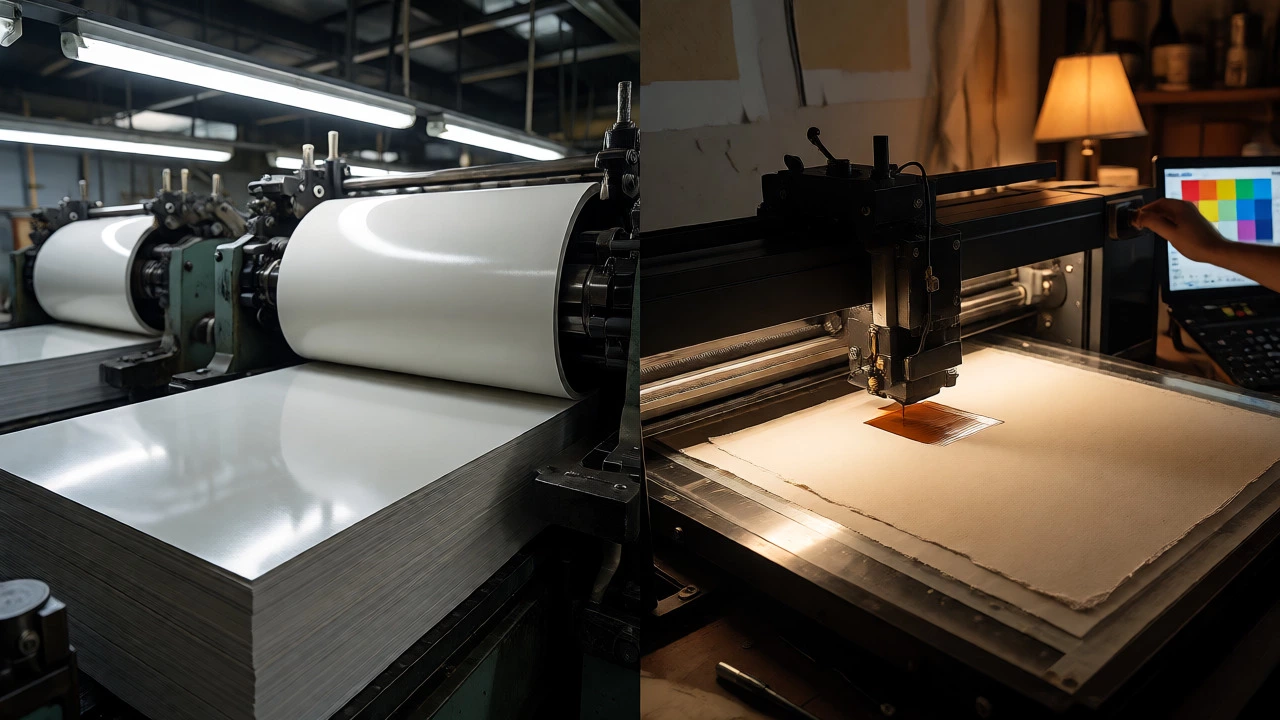
The biggest misconception is that an art print is just a high-resolution photo printed at a local copy shop. It’s not. A regular print (often called a poster or mass-produced reproduction) is created using industrial offset printing presses designed for speed and volume. Think of newspapers, magazines, or those $15 posters at the mall. The goal here is efficiency. The ink sits on top of cheap paper, and the color profile is often adjusted to look punchy under bright retail lighting, which can look garish once you get it home.
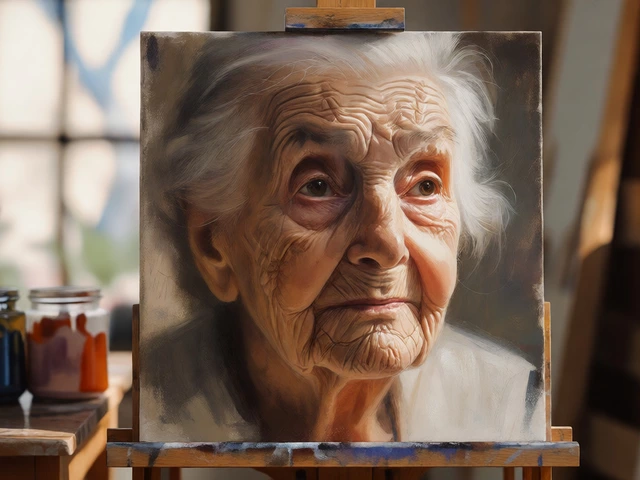
In contrast, an art print is a fine art reproduction intended to preserve the integrity of the original work. These are typically produced using archival methods like giclée printing or traditional techniques like lithography. The printer works closely with the artist to match colors exactly as they appear in the studio. There is no compromise on resolution; every brushstroke, texture, and subtle shadow is captured. The intent isn't just to display an image-it's to create a lasting artifact that respects the creator's vision.
Paper Quality: The Foundation of Longevity
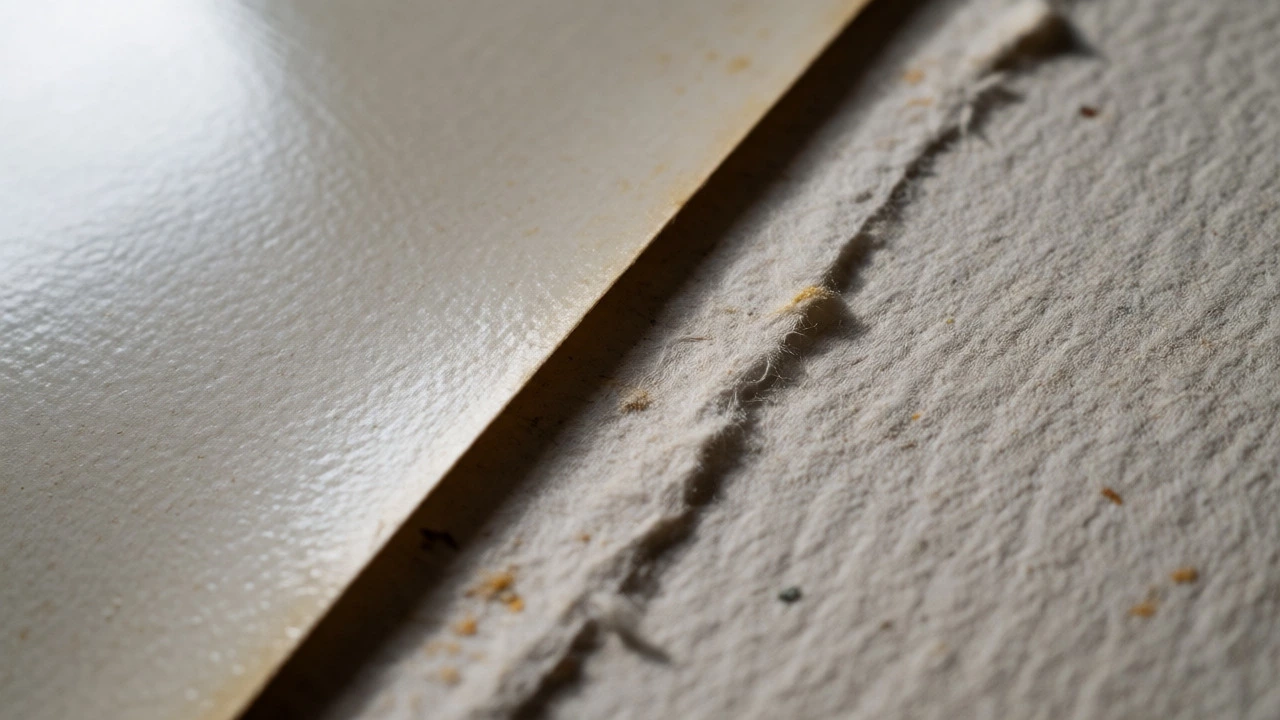
You can spot the difference by touch before you even look closely. Regular prints use coated wood-pulp paper. It feels smooth, sometimes glossy, but it contains lignin-a natural component of wood that yellows over time when exposed to light. Have you ever noticed how old family photos or magazine pages turn yellow and brittle? That’s lignin at work. If you buy a regular print, you’re essentially buying a product that is chemically destined to degrade.
Art prints use acid-free, cotton rag or museum-grade papers. These materials are engineered to resist yellowing and degradation. Brands like Hahnemühle or Canson are industry standards here. They offer textures that mimic canvas or watercolor paper, adding depth to the visual experience. When you run your hand over a high-quality art print, you feel the grain of the paper interacting with the ink, creating a tactile dimension that flat poster paper simply cannot replicate. This isn't just snobbery; it's about material science. Acid-free paper ensures your art stays vibrant for decades, potentially centuries, whereas standard paper may show visible fading in as little as five to ten years.
Ink Technology: Dye vs. Pigment
What goes onto the paper matters as much as the paper itself. Most regular prints rely on dye-based inks. These inks are vibrant and cheap, but they are fugitive-meaning they break down quickly when exposed to ultraviolet light. UV rays act like bleach on dye inks. If you hang a regular print near a window without UV-protective glass, you will likely see significant color loss within a few years.
Professional art prints almost exclusively use pigment-based inks. These inks contain microscopic particles that sit on the surface of the paper rather than soaking in and bonding chemically. They are far more resistant to UV light and atmospheric gases. Major manufacturers like Canon and Epson produce professional pigment inks specifically for fine art applications. The result is a wider gamut of colors and significantly better lightfastness. An archival pigment print can maintain its color accuracy for 75 to 100+ years under normal display conditions. That’s a massive return on investment compared to a poster that fades by the time your kids leave for college.
| Feature | Regular Print (Poster) | Art Print (Fine Art Reproduction) |
|---|---|---|
| Paper Type | Coated wood pulp, acidic | Cotton rag, acid-free, textured |
| Ink Type | Dye-based (fades fast) | Pigment-based (archival) |
| Lifespan | 3-10 years (visible fading) | 75-100+ years (museum grade) |
| Edition Size | Unlimited / Mass production | Limited / Numbered |
| Price Range | $10 - $50 | $100 - $500+ |
Editions and Scarcity
Here is where value gets tricky. A regular print is an open edition. The publisher can print 10,000 copies today and another 10,000 next month. Because supply is infinite, the monetary value rarely appreciates. In fact, it depreciates instantly once you take it off the shelf. It’s a commodity, like a coffee mug.
True art prints are limited editions. The artist decides how many copies will exist-say, 50 or 100-and once they are sold out, no more will be printed. Each print is usually signed and numbered by the artist (e.g., 14/50). This scarcity creates collectibility. While not every limited print becomes a fortune, they hold their value much better than posters. If you buy a signed, numbered print from a respected contemporary artist, you own a piece of their legacy. If that artist’s fame grows, your print could become quite valuable. A regular print never has that potential because there is always another one available for purchase.
How to Spot the Difference Before Buying
Don’t let marketing jargon fool you. "High-quality print" doesn’t mean archival. Here is a quick checklist to verify what you’re getting:
- Ask about the paper: Is it acid-free? Does it mention cotton content? If the seller says "premium matte," ask for specifics. Generic terms are red flags.
- Check the ink: Ask if it uses pigment inks. If they don’t know, it’s probably dye-based.
- Look for signatures: A genuine art print usually bears the artist’s signature in pencil, not printed digitally. Pencil signatures are hard to fake and indicate authenticity.
- Read the edition number: Look for something like "23/100." If there’s no number, it’s likely an open-edition poster.
- Examine the edges: Fine art prints often have deckled edges (rough, torn-looking borders) or wide margins for framing. Posters usually have cut-to-edge images.
Framing Matters More Than You Think
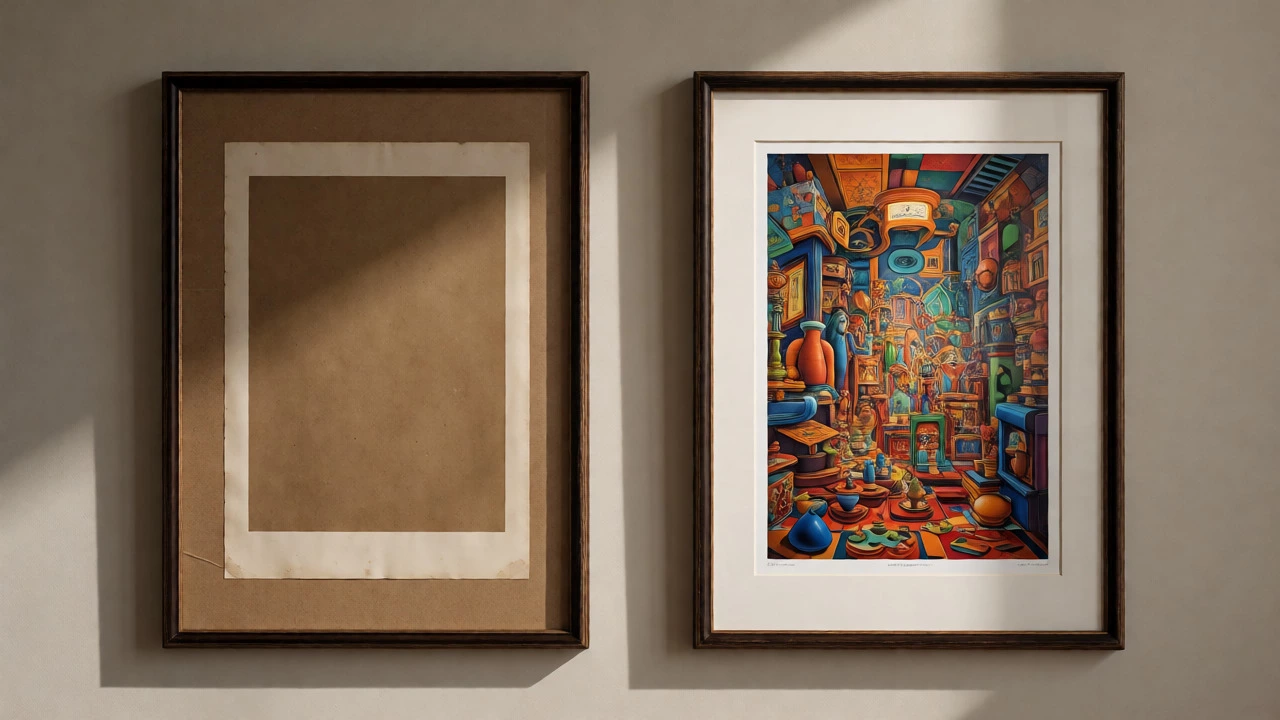
Even if you buy a perfect archival art print, you can ruin it with bad framing. Regular prints are often framed with basic cardboard backing and non-UV glass. Over time, acids from the cardboard migrate into the paper, causing brown spots (foxing). UV light passes through standard glass, accelerating fade.
For art prints, use conservation-grade mounting boards and UV-filtering acrylic or glass. This protects the investment. Yes, it adds cost-perhaps $50 to $100 more-but it extends the life of the print significantly. Think of framing as insurance for your art. If you spent $300 on a print, spending $80 on proper UV protection is a logical step to ensure it looks good in 2036, not just in 2026.
When Should You Buy Which?
So, do you always need an art print? Not necessarily. Regular prints have their place. If you’re decorating a rental apartment, a dorm room, or a space that gets direct sunlight all day, a high-quality poster might be the practical choice. They are affordable, easy to replace, and still provide visual impact.
Choose an art print if:
- You plan to keep the piece for more than five years.
- The artwork is from an artist you genuinely admire.
- You want to support the artist directly (margins are higher for them).
- You care about color accuracy and detail.
Choose a regular print if:
- Budget is the primary constraint.
- The location has harsh lighting conditions.
- You like changing your decor frequently.
- You are testing out a style before committing to a larger investment.
Are art prints worth the extra money?
Yes, if longevity and aesthetic quality matter to you. Art prints use archival materials that prevent fading and yellowing, ensuring the piece looks good for decades. Regular prints may fade noticeably within 5-10 years, requiring replacement, which negates the initial savings.
Can I tell if a print is giclée?
Not always visually. Giclée refers to the high-end inkjet process used to create the print. You should ask the seller for details on the ink type (pigment vs. dye) and paper composition (acid-free/cotton). Authentic giclées are often signed and numbered in pencil.
Do art prints appreciate in value?
Some do, especially if the artist becomes well-known and the edition is small (e.g., under 100). However, most fine art prints hold their value rather than skyrocketing. They are safer investments than posters, which generally have zero resale value.
Why are art prints so expensive?
Costs include high-quality archival paper, pigment inks, skilled labor for color calibration, and the artist’s licensing fee. Limited editions also command higher prices due to scarcity. You are paying for durability, accuracy, and exclusivity.
Is a digital print the same as an art print?
Not necessarily. "Digital print" describes the method (printing from a file), while "art print" describes the quality and intent. A digital print can be a low-quality poster or a high-end archival giclée. Always check the materials used, not just the creation method.