Sculpture Classifier
Staring at an object in a gallery or park? Use this tool to analyze whether it meets the modern definitions of sculpture.
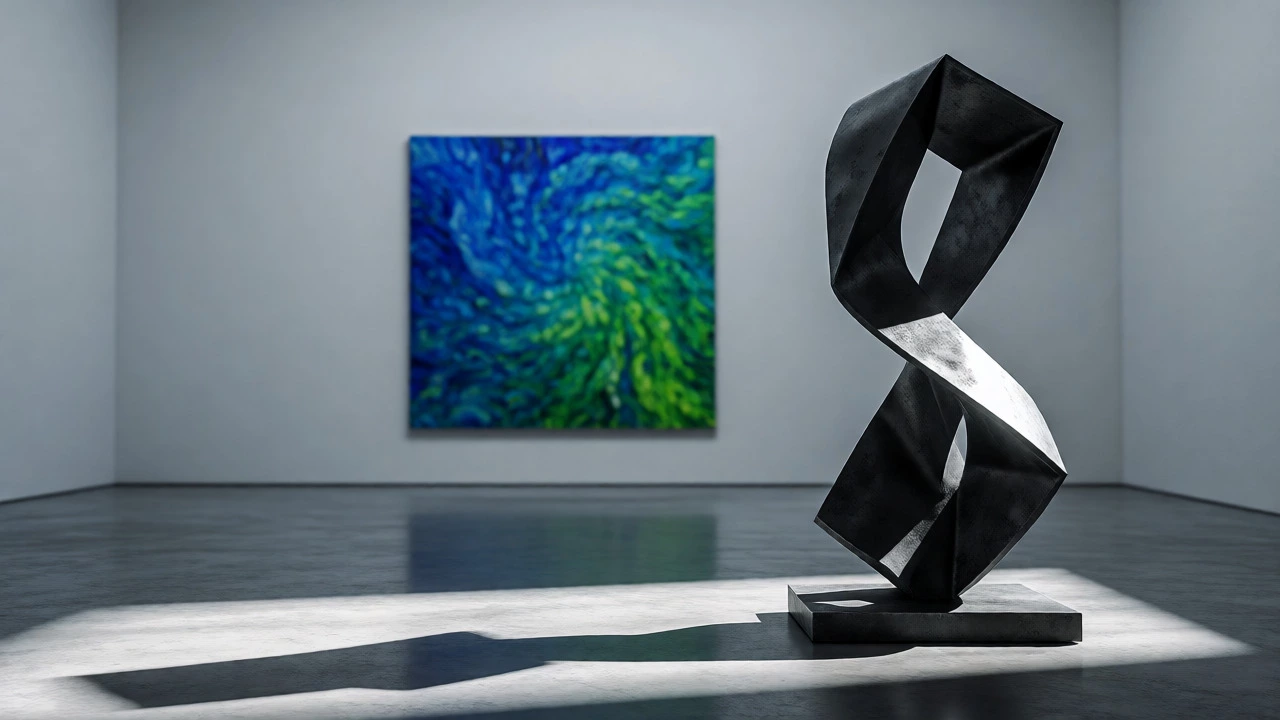
You walk into a gallery. On one wall hangs a canvas with swirling blues and greens. In the center of the room stands a twisted metal form that casts a shadow on the floor. One is painting; the other is sculpture. But where exactly does that line get drawn? Is it about material? Weight? The fact that you can walk around it? If you have ever stood before a piece of art and wondered, "Is this just a weird object or actual sculpture?", you are not alone. This question has plagued artists, critics, and curators for centuries.
The confusion isn't accidental. Art doesn't come with a barcode label. Yet, understanding what makes something a sculpture changes how you look at it. It shifts your perspective from passive viewing to active engagement. You start noticing space, texture, and volume in ways you never did before. So, let's cut through the academic jargon and figure out what actually classifies an artwork as sculpture in today's world.
The Core Definition: Occupying Space
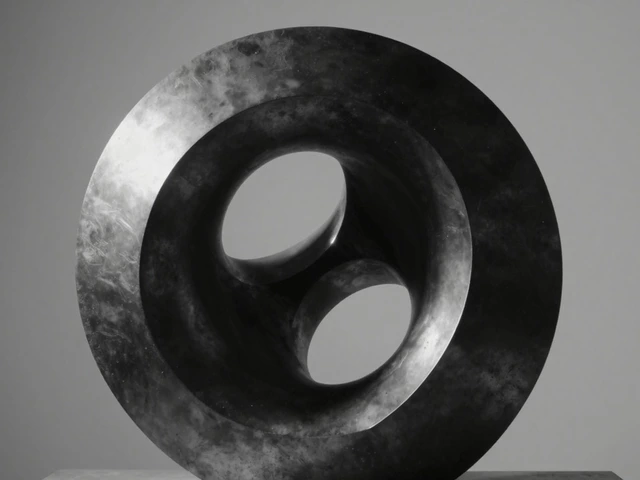
At its most basic level, sculpture is three-dimensional art that occupies physical space. Unlike painting, which exists on a flat plane (even if it looks deep), sculpture commands real-world coordinates: height, width, and depth. This is the non-negotiable baseline. If it doesn't take up room in the air, it's probably not sculpture.
But here is the catch: everything takes up space. A book takes up space. A sandwich takes up space. So why isn't a sandwich a sculpture? Intent matters. Sculpture is created with the specific intention of being viewed as an aesthetic object within a space. It interacts with light, shadow, and the viewer's movement. When you circle a statue, the shape changes. That dynamic interaction is key. A painting stays the same no matter where you stand. A sculpture reveals different facets as you move. This spatial relationship is the first major classifier.
Materiality and Process: Carving vs. Assembling
Historically, we classified sculptures by how they were made. There were two main camps: additive and subtractive.
- Additive processes: You build up material. Think clay modeling, welding metal, or assembling found objects. The artist adds mass until the form emerges.
- Subtractive processes: You remove material. Michelangelo carving marble is the classic example. He said he saw the angel in the marble and carved until he set him free. You start with a block and chip away what doesn't belong.
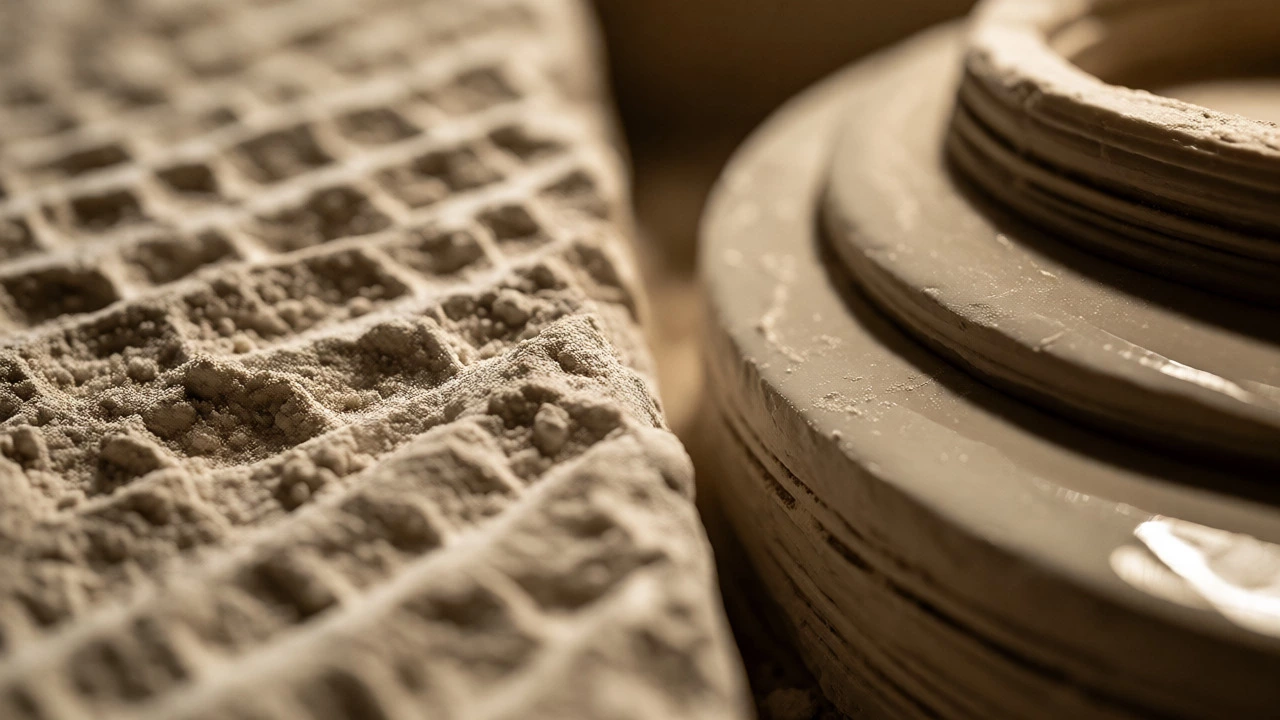
Today, these lines are blurred. Digital fabrication, like 3D printing, combines both. You add layers, but you also support structures that get removed later. Does a 3D-printed resin figure count as traditional sculpture? Yes. The process changed, but the outcome-occupying space with intentional form-remains the same. The material itself (stone, wood, plastic, ice, light) doesn't disqualify it. Even ephemeral materials like ice or sand work, provided the intent is artistic expression rather than utility.
Beyond the Pedestal: Installation and Environmental Art
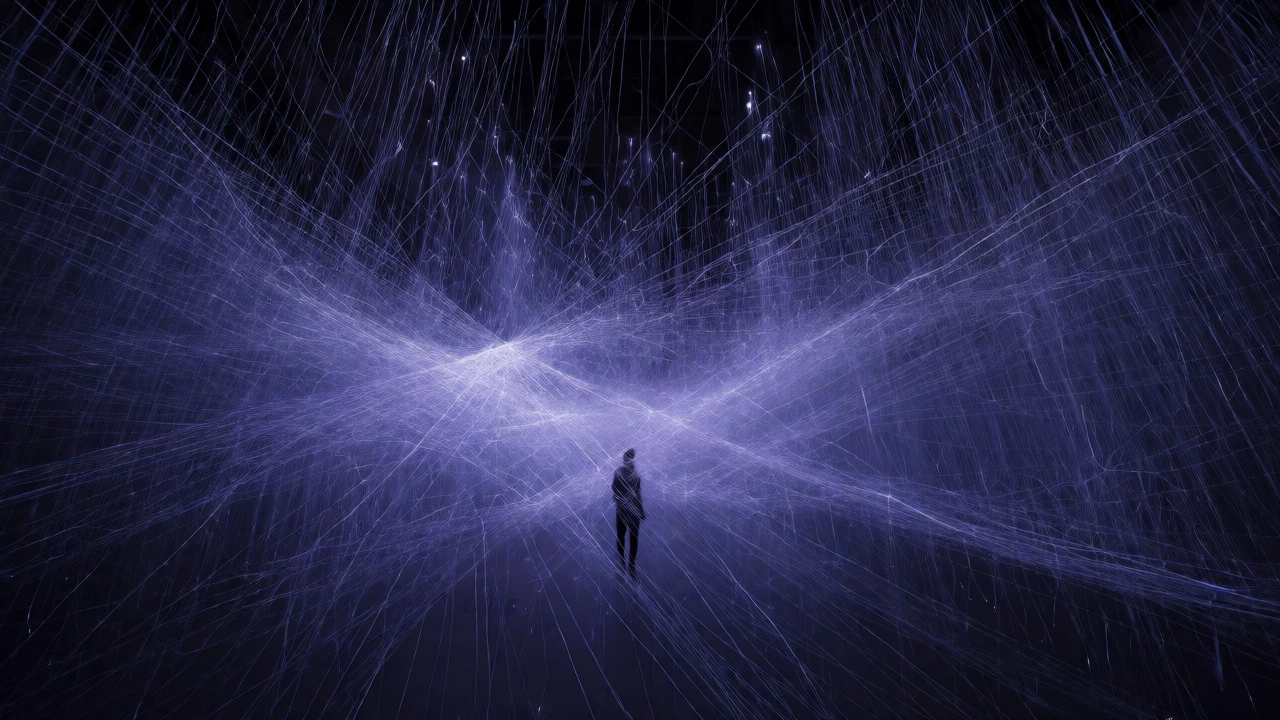
If you think sculpture must sit on a pedestal, you're thinking like someone from the 19th century. Modern and contemporary art exploded that box. Now, we have installation art, which often functions as immersive sculpture. Imagine walking into a room filled with hanging threads or mirrors. The entire environment is the artwork. You don't just look at it; you inhabit it.
This brings us to a tricky edge case: Land Art. Robert Smithson’s Spiral Jetty is a coil of mud and rock in Utah’s Great Salt Lake. Is it sculpture? Most art historians say yes. It manipulates the landscape to create a form meant for aesthetic contemplation. However, some argue it's architecture or engineering. The distinction lies in function. If the primary purpose is aesthetic experience and cultural commentary, it leans toward sculpture. If it shelters people or facilitates transit, it’s architecture. The line is thin, but intent remains the compass.
The Role of Context and Institution
Here is where it gets philosophical. Marcel Duchamp put a urinal in a gallery and called it Fountain. Was it sculpture? Technically, it was a readymade-a manufactured object selected by the artist. Critics argued it wasn't sculpture because the artist didn't make it. Today, we accept it as sculptural because context redefines the object. When an institution places an object in a white cube gallery, frames it with lighting, and invites critical analysis, it enters the realm of art. And if it occupies space, it falls under the umbrella of sculpture.
This institutional theory suggests that what classifies an artwork as sculpture is partly social agreement. Museums, galleries, and critics validate the category. Without that context, a pile of bricks is just construction waste. With it, it might be a powerful statement on urban decay. This doesn't mean anything goes, but it means the frame around the art matters as much as the art itself.
Interactive and Kinetic Sculpture
Traditional sculpture is static. You look, you leave. But kinetic sculpture moves. Alexander Calder’s mobiles dance with air currents. Theo Jansen’s Strandbeests walk on beaches powered by wind. These pieces challenge the idea that sculpture must be still. They introduce time as a fourth dimension. The form changes over seconds or minutes. Does this make them performance art instead? Usually, no. Because the physical structure remains the core element, they stay classified as sculpture. The movement is a property of the object, not a separate act.
Then there is interactive sculpture, where the viewer completes the piece. Think of those large, colorful bean-like structures in public plazas (like Anish Kapoor’s Cloud Gate in Chicago). People touch them, climb on them, and see their distorted reflections. The artwork requires human participation to fully realize its effect. This interactivity reinforces its sculptural nature-it demands physical presence and engagement with its volume and surface.
Distinguishing Sculpture from Related Forms
To truly understand what counts, it helps to know what doesn't. Here is a quick comparison to clear up common mix-ups.
| Feature | Sculpture | Painting | Architecture | Craft |
|---|---|---|---|---|
| Dimensionality | 3D (Height, Width, Depth) | 2D (Height, Width) | 3D (Occupies space) | Varies (Often functional) |
| Primary Intent | Aesthetic/Conceptual | Aesthetic/Visual | Shelter/Function | Utility/Craftsmanship |
| Viewer Interaction | Circumambulation/Tactile | Frontal Viewing | Inhabitation | Use/Handling |
| Context | Gallery/Public Space | Wall/Floor | Landscape/Urban | Home/Marketplace |
Notice the overlap between Architecture and Sculpture. Many buildings are considered sculptural (think Frank Gehry’s Guggenheim Museum Bilbao). Conversely, many sculptures are architectural in scale. The difference usually comes down to habitability. Can you live in it? If yes, it’s likely architecture. If it’s primarily for looking at or experiencing space without living inside, it’s sculpture.
Key Takeaways
- Space is King: If it doesn't occupy 3D space, it's not sculpture.
- Intent Matters: The artist must intend for it to be viewed as art, not just a tool.
- Process is Flexible: Carving, casting, welding, or digital printing all qualify.
- Context Validates: Institutional placement can elevate objects to sculptural status.
- Movement is Allowed: Kinetic and interactive elements do not disqualify a piece.
So, next time you see a strange object in a park or a gallery, ask yourself: Does it command space? Do I need to move around it to understand it? Is it trying to communicate something beyond its material composition? If you answered yes, you’re looking at sculpture. The boundaries will keep shifting as technology evolves, but the core principle remains: sculpture is the art of shaping reality itself.
Can a digital file be considered sculpture?
Generally, no. A purely digital file (like a JPEG or MP4) lacks physical volume. However, if that digital design is rendered in physical space via 3D printing, augmented reality overlays, or projection mapping onto a physical surface, it can enter the realm of sculpture. Virtual Reality (VR) sculptures exist in simulated space, but they are often categorized separately as digital or new media art unless physically instantiated.
Is pottery considered sculpture?
It depends on intent. Functional pottery (bowls, mugs) is typically classified as craft or ceramics. However, if a ceramicist creates a vessel solely for aesthetic display, breaking functional norms, or uses clay to create abstract forms not meant for use, it is widely accepted as sculpture. The line blurs when high-end art ceramics are displayed in galleries alongside paintings and statues.
Why is Duchamp's Fountain controversial as a sculpture?
Because it challenged the requirement of manual skill. Traditionalists argued that since Duchamp didn't carve or mold the urinal, he wasn't an artist making a sculpture. He was selecting an object. This sparked the debate about whether concept outweighs craftsmanship. Today, most agree it is a conceptual sculpture, proving that selection and context can define art.
Does size determine if something is sculpture?
No. Sculpture ranges from microscopic carvings on ivory to massive land installations like Spiral Jetty. Size affects how we experience it (intimate vs. monumental), but a small coin-sized relief and a skyscraper-sized tower can both be sculptures if they meet the criteria of occupying space and artistic intent.
Are light installations considered sculpture?
Yes, often referred to as light sculpture. Artists like James Turrell use light as a medium to shape space. Since light occupies space (or defines it visually) and is manipulated by the artist for aesthetic purposes, it fits within the expanded definition of modern sculpture, even if it lacks solid material mass.