Find Your Perfect Musical
Tell us what you like
Ready for a show?
Select your preferences to get a personalized recommendation based on the biggest musicals in history.
When we talk about the "biggest" musicals in history, we aren't just counting ticket sales. We are looking at a mix of box office records, decades-long runs on stages like Broadway and London's West End, and the sheer cultural weight these productions carry. Some shows made billions; others kept audiences coming back for sixty years. The answer depends on how you measure success.
Whether you are a theater historian, a producer scouting for inspiration, or just someone who loves a good show, understanding which musicals truly dominate the landscape requires looking beyond the hype. Here is the breakdown of the biggest musicals ever, categorized by their specific claim to fame.
The Money Makers: Highest-Grossing Musicals of All Time
If your metric for "biggest" is raw revenue, the list changes every year as inflation hits and new tours launch. However, a few titans have consistently stayed at the top since the late 1990s. These shows didn't just sell out; they created global franchises that spanned multiple continents.
Cats is a musical based on T.S. Eliot's Old Possum's Book of Practical Cats, known for its elaborate costumes and iconic song "Memory". Also known as Andrew Lloyd Webber's Cats, it was first released in 1981 and has since grossed over $4 billion worldwide. The show's unique visual style, featuring performers in full-body cat suits, revolutionized stage design. Companies like Cameron Mackintosh Productions rely on Cats for steady international touring revenue.
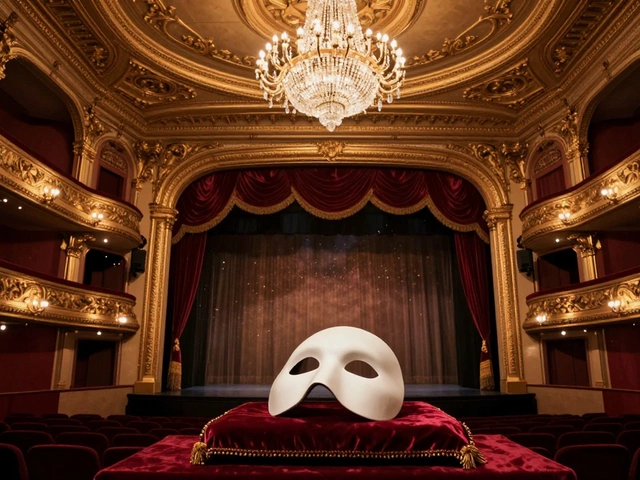
Another heavyweight is The Phantom of the Opera is a romantic gothic musical with music by Andrew Lloyd Webber, famous for its chandelier drop and haunting score. It premiered in London in 1986 and later on Broadway in 1988. With more than $6 billion in total gross revenue, it holds the record for the highest-grossing show in Broadway history. The production's technical complexity, including the falling chandelier and water effects, set a new standard for theatrical spectacle.
| Musical Title | Year Opened | Key Attribute | Estimated Global Gross |
|---|---|---|---|
| The Phantom of the Opera | 1986 | Longest-running Broadway show (pre-2023) | $6+ Billion |
| Cats | 1981 | Global touring phenomenon | $4+ Billion |
| Les Misérables | 1985 | Highest number of performances worldwide | $3+ Billion |
| Wicked | 2003 | Fastest to reach $1 billion | $2+ Billion |
| The Lion King | 1997 | Most Tony Awards won | $2+ Billion |
Note that Wicked is a fantasy musical based on Gregory Maguire's novel, offering an alternate backstory to The Wizard of Oz. It opened on Broadway in 2003 and became the fastest musical to reach $1 billion in North American gross receipts. Its success proved that book musicals with strong female leads could dominate the modern market.
The Marathon Runners: Longest-Running Productions
Revenue tells one story, but longevity tells another. A show that stays open for decades builds a different kind of legacy. It becomes part of the city's fabric. Tourists plan trips around seeing it. Locals take friends there for birthdays. This endurance requires not just great art, but smart management and constant reinvention.
In London's West End, Les Misérables is a French-language musical adapted from Victor Hugo's novel, known for its sweeping score and revolutionary themes. It opened in 1985 and ran for nearly four decades before closing in 2023. During its run, it saw over 14,000 performances. The show's ability to resonate across generations, despite its heavy historical subject matter, is a testament to its emotional power.
On Broadway, the title of longest-running show recently changed hands. For many years, The Phantom of the Opera held the crown. But in 2023, it closed after 35 years. Who took the spot? Chicago is a satirical musical about murder and fame in 1920s Chicago, featuring jazz-inspired music and minimalist choreography. It reopened in 1996 and has since become the longest-running show in Broadway history. Its modular set and smaller cast size make it cheaper to produce, allowing it to survive economic downturns that kill bigger spectacles.
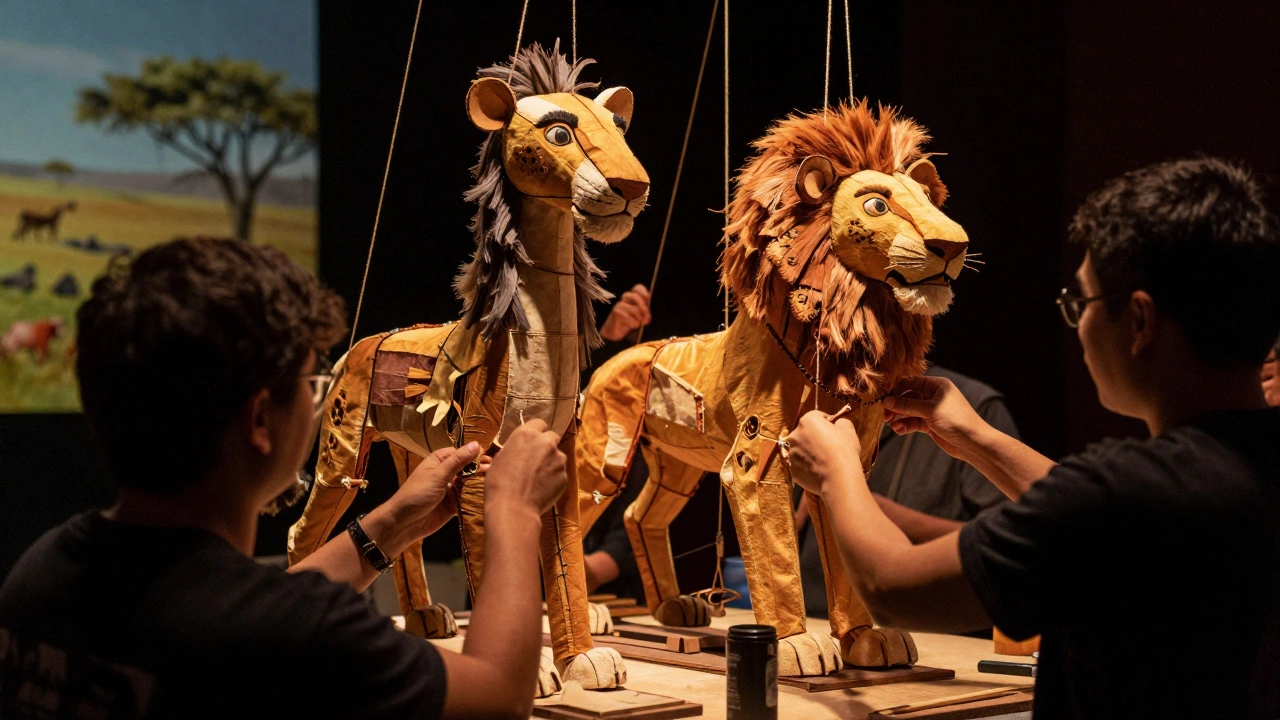
Why do some shows last longer? Often, it comes down to production costs. A show like Chicago uses simple sets and lighting. It doesn't need a massive orchestra or complex mechanics. This efficiency allows it to keep ticket prices competitive while maintaining profitability. In contrast, a show like The Lion King requires expensive puppetry and large casts, making it harder to sustain during lean times.

The Game Changers: Musicals That Redefined the Genre
Some musicals aren't the biggest in terms of money or time, but they are the biggest in influence. They changed how stories are told on stage. They introduced new sounds, new styles, and new audiences. Without these shows, the musicals we love today might not exist.
West Side Story is a classic musical set in 1950s New York, exploring gang rivalry through a Romeo and Juliet lens. Premiering in 1957, it integrated ballet and drama in a way that had never been done before. Jerome Robbins' choreography became legendary. The show proved that musicals could tackle serious social issues without losing their entertainment value. Its influence can be seen in every dance-heavy musical that followed.
Then there is Hair is a rock musical from the 1960s counterculture movement, known for its nudity, political activism, and use of rock music. Opening in 1967, it shattered taboos. It brought rock and roll to the stage, challenging the traditional orchestral sound. Hair showed that musicals could be political, rebellious, and relevant to young people. It paved the way for the concept albums and rock operas of the 1970s.
More recently, Hamilton is a hip-hop musical about Alexander Hamilton, written by Lin-Manuel Miranda, blending history with modern music genres. Debuting in 2015, it broke box office records and sparked a renewed interest in history among younger audiences. By using rap and R&B to tell a founding father's story, it made the genre accessible to fans who had never stepped foot in a theater. Its digital streaming deal during the pandemic also changed how theaters distribute content.
The Global Phenomena: Beyond Broadway and London
We often focus on English-speaking markets, but the biggest musicals ever include productions that conquered the world. These shows travel easily because their stories transcend language barriers.
Mamma Mia! is a jukebox musical using ABBA songs to tell a story about a mother and daughter on a Greek island. Created by Catherine Johnson, it opened in London in 1999. Its success lies in its simplicity. Everyone knows the songs. The plot is light and fun. It has played in over 50 countries, becoming one of the most translated and toured shows in history. For many people, Mamma Mia! is their first introduction to live theater.
In Japan, the Takarazuka Revue is an all-female musical theater troupe founded in 1914, known for its elaborate productions and male roles played by women. While not a single show, this institution produces hundreds of musicals annually. It draws millions of fans and operates on a scale that rivals Broadway. The revue's strict hierarchy and training system create a unique performance style that has influenced Japanese pop culture for over a century.
What Makes a Musical "Big"?
To understand why these shows stand out, we need to look at the factors that drive their success. It is rarely just one thing.
- Brand Recognition: Shows based on existing properties (like The Lion King or Beauty and the Beast) start with built-in audiences. People already know the story, so they feel safe buying tickets.
- Scalability: Can the show tour? Cats and Phantom were designed to be replicated in cities worldwide. Their sets and costumes were engineered for easy transport.
- Emotional Resonance: The best musicals tap into universal feelings. Les Misérables deals with justice and redemption. Wicked explores friendship and identity. These themes connect with audiences regardless of age or background.
- Marketing Power: Big budgets allow for massive advertising campaigns. When Hamilton launched, it used social media influencers and viral moments to build hype. This strategy helped it sell out months in advance.
However, being "big" isn't always positive. High costs can lead to creative compromises. Producers might prioritize spectacle over substance. Or they might keep a show running long past its prime, relying on nostalgia rather than quality. The closure of The Phantom of the Opera on Broadway in 2023 marked the end of an era, reminding us that even the biggest shows have limits.
How to Choose Which Big Musical to See
If you want to experience one of these giants, how do you decide? Here is a quick guide based on what you value most.
- For Spectacle: Go see The Lion King. The puppetry and visuals are unmatched. It is a feast for the eyes.
- For Emotional Depth: Choose Les Misérables or Hamilton. Both will leave you thinking long after the curtain falls.
- For Fun: Pick Mamma Mia! or Chicago. They are entertaining, stylish, and easy to enjoy without deep analysis.
- For History: Watch West Side Story or Hair. You will see the evolution of the genre firsthand.
Remember, the "best" musical is subjective. What matters is finding a show that speaks to you. Whether you are drawn to the grandeur of Phantom or the intimacy of Chicago, each of these productions has earned its place in history.
What is the highest-grossing musical of all time?
The Phantom of the Opera is widely considered the highest-grossing musical in history, with estimated worldwide earnings exceeding $6 billion. It dominated both Broadway and London's West End for decades before closing its original Broadway run in 2023.
Which musical has run the longest on Broadway?
As of 2026, Chicago holds the record for the longest-running show in Broadway history. It reopened in 1996 and continues to perform regularly, surpassing The Phantom of the Opera which closed after 35 years.
Why did The Phantom of the Opera close on Broadway?
The show closed due to declining ticket sales and high production costs. Maintaining such a large-scale production with complex special effects became financially unsustainable in the post-pandemic theater landscape.
Is Cats still playing anywhere?
While the original Broadway and London productions have closed, Cats continues to tour internationally. Various regional and national companies still produce the show, keeping its legacy alive in smaller markets.
What makes Hamilton so successful compared to other historical musicals?
Hamilton's success stems from its innovative use of hip-hop and R&B music to tell a historical story. This approach attracted a younger, more diverse audience than traditional musicals typically reach, creating a cultural phenomenon beyond just theater fans.